Berlin in 2026 remains one of Europe's most affordable capitals, but that doesn't mean it's cheap everywhere. Your berlin budget 2026 depends entirely on where you sleep, what you eat, and how you move around the city. Skip the generic advice - here's what you'll actually spend based on verified prices from April 2026.
Daily Budget Ranges for Berlin in 2026
Backpacker Budget: EUR 35-55 per day Hostel dorms, street food, public transport, free attractions
Mid-Range Budget: EUR 80-130 per day 3-star hotels, restaurant meals, museum visits, some taxis
Luxury Budget: EUR 200-350+ per day 5-star hotels, fine dining, private transport, premium experiences
These ranges assume one person traveling alone. Couples can reduce per-person costs by sharing accommodation, while solo travelers pay the full room rate. The city's excellent public transport and abundance of free attractions keep baseline costs reasonable even for budget travelers.
Accommodation Costs: Where Your Money Goes
Accommodation represents your biggest expense in Berlin, typically 40-60% of your total daily budget. The good news? Berlin offers more variety and better value than London, Paris, or Amsterdam.
Budget Accommodation (EUR 18-95 per night)
Hostel dorm beds cost EUR 18-35 per night in central neighborhoods like Mitte or Kreuzberg. Generator Berlin Alexanderplatz and Heart of Gold Hostel consistently offer clean facilities and prime locations at the lower end of this range.
Budget hotels and chains like Ibis Budget run EUR 65-95 for double rooms. These properties cluster around Hackescher Markt and Potsdamer Platz, putting you within walking distance of major attractions while keeping costs controlled.
Mid-Range Hotels (EUR 90-220 per night)
3-star properties in Berlin cost EUR 90-150 per night for doubles, with 4-star options reaching EUR 130-220. The Meininger hotels offer excellent value in this category, particularly their locations in Hauptbahnhof and Alexanderplatz.
Boutique hotels in trendy neighborhoods like Prenzlauer Berg command EUR 120-250 per night. The Circus Hotel and Ackselhaus showcase Berlin's design-conscious hospitality scene without the premium pricing of luxury chains.
Luxury Accommodation (EUR 200-450+ per night)
Five-star hotels like Hotel Adlon Kempinski near Brandenburg Gate charge EUR 200-450 per night. The Regent Berlin and Hotel de Rome occupy restored historic buildings, justifying their premium rates with impeccable service and central locations.
Food Expenses: Berlin's Budget-Friendly Dining Scene
Berlin's food costs remain remarkably reasonable compared to other major European capitals. The city's diverse immigrant communities and competitive restaurant scene keep prices in check while maintaining quality.
Street Food and Casual Dining (EUR 3.50-12)
Currywurst, Berlin's signature street food, costs EUR 3.50-6 at stands throughout the city. Mustafa's Gemüse Kebap in Kreuzberg serves döner kebabs for EUR 4.50-7, with hour-long queues proving the quality justifies the wait.
Food markets offer excellent value lunches. Markthalle Neun in Friedrichshain provides diverse options for EUR 6-12 per meal, from Vietnamese bánh mì to German bratwurst.
Bakery breakfasts - a pretzel and coffee - run EUR 4-7 at traditional German bakeries. Tap water is safe and free when requested at restaurants, helping keep meal costs down.
Restaurant Dining (EUR 25-120)
Mid-range restaurants serving traditional German cuisine charge EUR 25-40 for three courses with drinks. Establishments in Charlottenburg and central Mitte typically price at the higher end of this range.
Fine dining experiences cost EUR 65-120 for three courses with wine. Michelin-starred restaurants like Nobelhart & Schmutzig and Facil justify premium pricing with innovative approaches to German cuisine and impeccable service.
Coffee culture remains affordable - espresso costs EUR 2.50-4.50 depending on location and café style. Third-wave coffee shops in Kreuzberg and Neukölln charge premium prices but deliver exceptional quality.
Beverages and Nightlife
Beer prices reflect Berlin's brewing heritage and competitive bar scene. A 0.5L beer at restaurants and bars costs EUR 4.50-7, with traditional establishments often pricing lower than trendy cocktail bars.
Wine by the glass ranges from EUR 6-12 for house selections. Berlin's natural wine bars, concentrated in Kreuzberg and Neukölln, command higher prices but offer unique selections unavailable elsewhere.
Transportation: Getting Around Berlin Efficiently
Berlin's comprehensive public transport system makes taxis largely unnecessary for budget-conscious travelers. The BVG network covers all major attractions and neighborhoods with frequent, reliable service.
Public Transport Costs
Single tickets for zones A-B (covering central Berlin) cost EUR 3.50 and remain valid for two hours in one direction. The 4-trip ticket at EUR 11.40 offers slight savings for multiple journeys and can be shared between travelers.
Day passes provide the best value for active sightseers. The 24-hour AB ticket costs EUR 8.80, while the 7-day pass runs EUR 36. These passes cover metros, buses, trams, and regional trains within central Berlin.
Airport Transportation
Getting from Brandenburg Airport to central Berlin offers several options. The Airport Express Train (FEX) reaches Hauptbahnhof in 30 minutes for EUR 3.80. Airport Bus X7 connects to the U7 line for EUR 3.50, requiring an additional AB ticket for onward travel.
Taxis from the airport cost EUR 45-60 depending on traffic and destination, taking 40-50 minutes to reach the city center. This option makes sense for groups of 3-4 people or travelers with heavy luggage.
Alternative Transportation
Bike rentals through Call a Bike and Nextbike systems cost approximately EUR 1 per 30 minutes, with daily rates around EUR 15. Berlin's flat terrain and extensive bike lanes make cycling an enjoyable way to explore neighborhoods like Tiergarten and the East Side Gallery.
Ride-sharing services operate in Berlin but typically cost 20-30% more than traditional taxis. They're most useful for late-night journeys when public transport frequency decreases.
Attraction and Entertainment Costs in 2026
Free Attractions
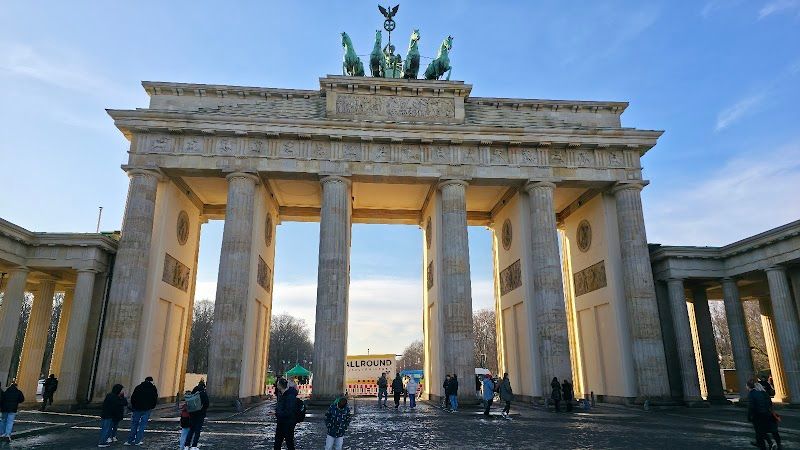
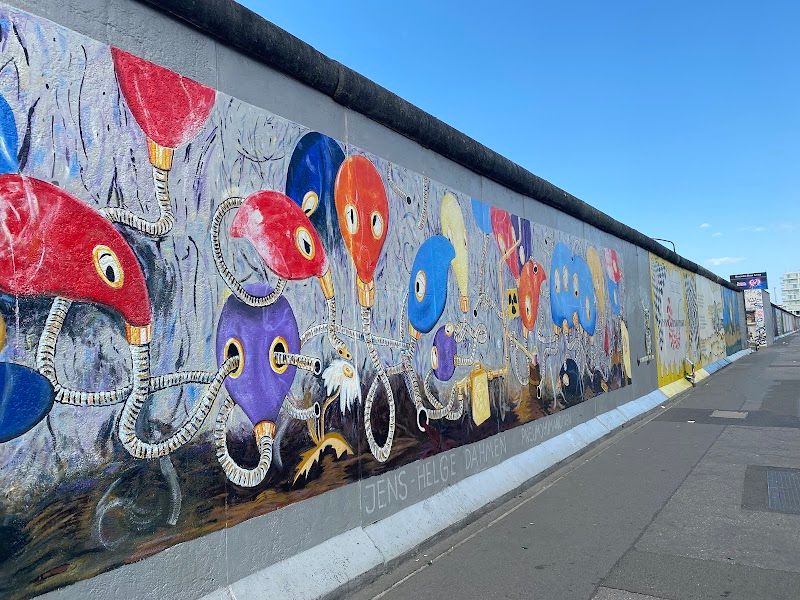
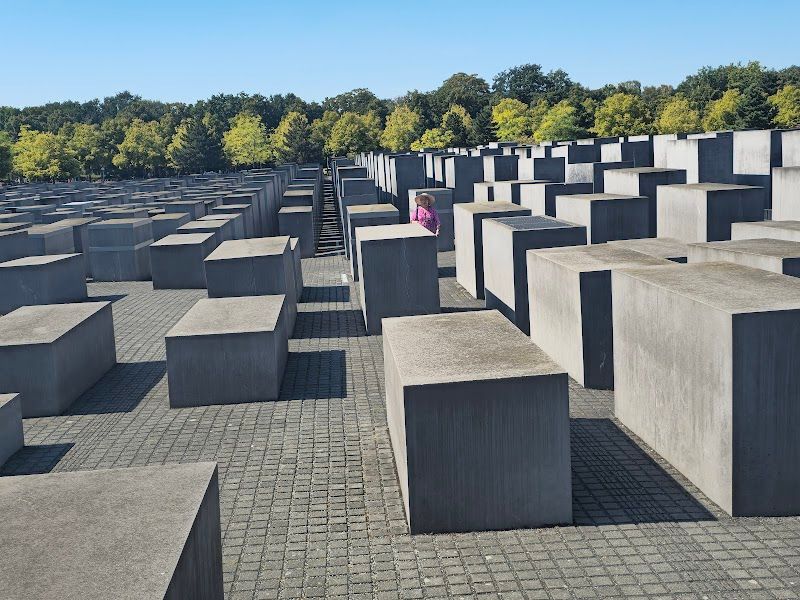
Berlin's abundance of free attractions significantly reduces sightseeing costs. The Brandenburg Gate, East Side Gallery, and Memorial to the Murdered Jews of Europe require no admission fees.
The Topography of Terror offers comprehensive exhibits about the Nazi regime without charge. The Reichstag dome provides panoramic city views for free, though advance registration is required.
Park spaces like Großer Tiergarten and Tempelhofer Feld offer recreation and relaxation without cost. These spaces regularly host free outdoor events and festivals throughout the year.
Paid Attractions
Museum Island represents Berlin's premium cultural experience. Individual museums cost EUR 12-14, while the Museum Island Day Pass at EUR 24 provides access to all five institutions. The Pergamon Museum requires advance booking and often sells out weeks ahead.
The DDR Museum costs EUR 12.50 and provides interactive exhibits about East German life. The Jewish Museum Berlin charges EUR 9 for adults, with reduced rates for students.
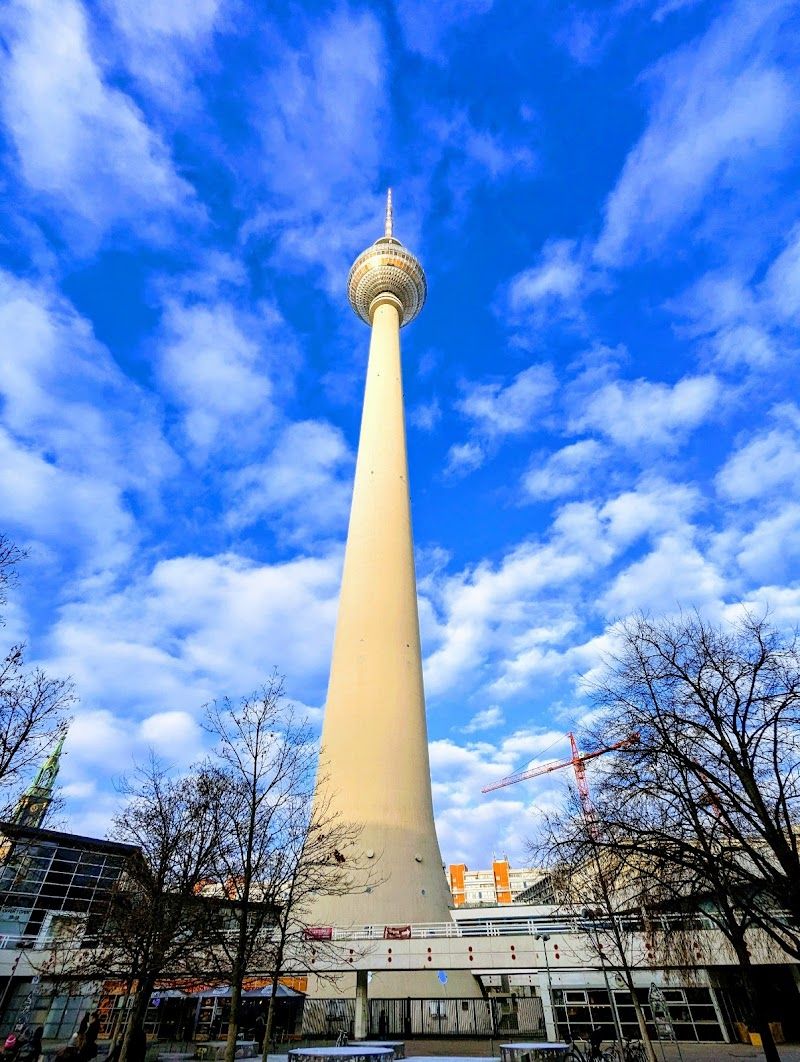
The TV Tower (Fernsehturm) commands EUR 29.50 for standard entry, with fast-track tickets available for EUR 34.50. Book in advance to avoid disappointment, especially during summer months.
Charlottenburg Palace offers combination tickets for EUR 17 covering both the Old Palace and New Wing. The palace gardens are free to explore and provide an excellent introduction to Prussian royal history.
Sample Daily Budgets by Travel Style
Backpacker Budget (EUR 38-52 per day)
Accommodation: Hostel dorm bed - EUR 22
Food: Bakery breakfast (EUR 5), döner lunch (EUR 6), supermarket dinner (EUR 8) - EUR 19
Transport: Day pass AB - EUR 8.80
Activities: Free attractions and one paid museum - EUR 12
Miscellaneous: Coffee, snacks - EUR 6
Daily Total: EUR 67.80
This budget assumes cooking some meals, staying in dorms, and focusing on free attractions. Travelers can reduce costs further by cooking more meals and limiting paid attractions.
Mid-Range Budget (EUR 95-125 per day)
Accommodation: 3-star hotel double room (split cost) - EUR 60
Food: Hotel breakfast (EUR 12), restaurant lunch (EUR 18), dinner with wine (EUR 35) - EUR 65
Transport: Day passes and occasional taxi - EUR 15
Activities: 2-3 paid attractions - EUR 30
Miscellaneous: Coffee, drinks, shopping - EUR 20
Daily Total: EUR 190 (EUR 95 per person for couples)
This range allows restaurant dining, comfortable accommodation, and comprehensive sightseeing without significant budget constraints.
Luxury Budget (EUR 225-350+ per day)
Accommodation: 5-star hotel - EUR 300
Food: Room service breakfast (EUR 35), fine dining lunch (EUR 55), Michelin dinner with wine (EUR 95) - EUR 185
Transport: Taxis and private transfers - EUR 60
Activities: Premium experiences and guided tours - EUR 80
Miscellaneous: High-end shopping, premium drinks - EUR 75
Daily Total: EUR 700 (EUR 350 per person for couples)
Luxury travelers can easily exceed these amounts with exclusive experiences, private guides, and premium shopping in areas like KaDeWe.
Money-Saving Tips for Berlin in 2026
Book accommodation early in eastern neighborhoods. Friedrichshain and Wedding offer better value than Mitte while maintaining excellent transport connections.
Use the Berlin WelcomeCard strategically. The EUR 49 Museum Island version includes 3-day transport and museum access, paying for itself if you visit multiple paid attractions.
Shop at discount supermarkets. Aldi, Lidl, and Netto offer basic groceries at significantly lower prices than premium chains like Rewe or Edeka.
Take advantage of happy hours. Many bars in Kreuzberg and Neukölln offer discounted drinks between 5-7 PM, making evening beverages more affordable.
Walk between central attractions. The distance from Brandenburg Gate to Checkpoint Charlie is only 2.5 kilometers, easily walkable while saving transport costs.
Visit free markets on weekends. Mauerpark's Sunday flea market and various neighborhood markets provide entertainment and people-watching without admission fees.
Seasonal Budget Variations
Summer (June-August) brings peak accommodation prices, with hotels charging 20-40% premiums over spring and fall rates. Outdoor dining becomes more expensive as restaurants expand terrace seating.
Winter (December-February) offers significant hotel discounts but increases heating and indoor entertainment costs. Christmas markets provide affordable food and drink options, though tourist areas see temporary price increases.
Shoulder seasons (March-May, September-November) provide optimal budget conditions. Accommodation rates drop while weather remains favorable for walking tours and outdoor attractions.
Neighborhood-Specific Budget Considerations
Dining in Mitte costs 15-25% more than equivalent restaurants in Kreuzberg or Neukölln. Tourist-focused establishments near major attractions command premium prices for standard offerings.
Prenzlauer Berg caters to affluent families, with restaurant prices reflecting the demographic. However, the neighborhood offers excellent bakeries and casual dining at reasonable prices.
Schöneberg maintains moderate pricing while providing authentic local atmosphere. The area's traditional German restaurants offer better value than tourist-oriented establishments in central locations.
Your berlin daily budget 2026 ultimately depends on balancing location, comfort, and experiences. Berlin rewards flexible travelers who mix budget and mid-range options while taking advantage of the city's numerous free attractions. With proper planning and realistic expectations, EUR 80-100 per day provides an excellent Berlin experience without significant compromises.
For detailed neighborhood guides and specific recommendations, check out our complete Berlin experience and first-timer's itinerary to maximize your berlin trip cost 2026 efficiency.