Brandenburg Gate
The symbol of Berlin, and the symbol that changes meaning with every era.
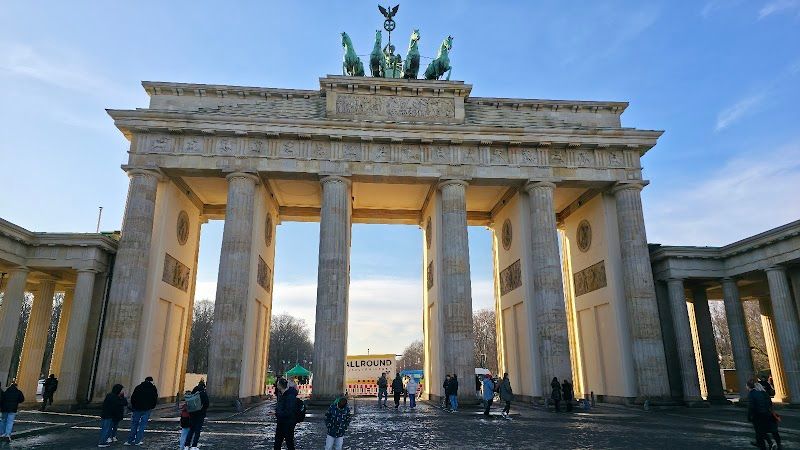
About Brandenburg Gate
The symbol of Berlin, and the symbol that changes meaning with every era. Built in 1791 as a neoclassical triumphal arch marking the entrance to Unter den Linden, it became the backdrop for Napoleon's march into the city, Nazi torchlight parades, Kennedy's "Ich bin ein Berliner" speech, and then the most visible landmark of a divided city when the Wall ran directly in front of it for 28 years. On November 9, 1989, it became the place where East and West Berliners finally met.
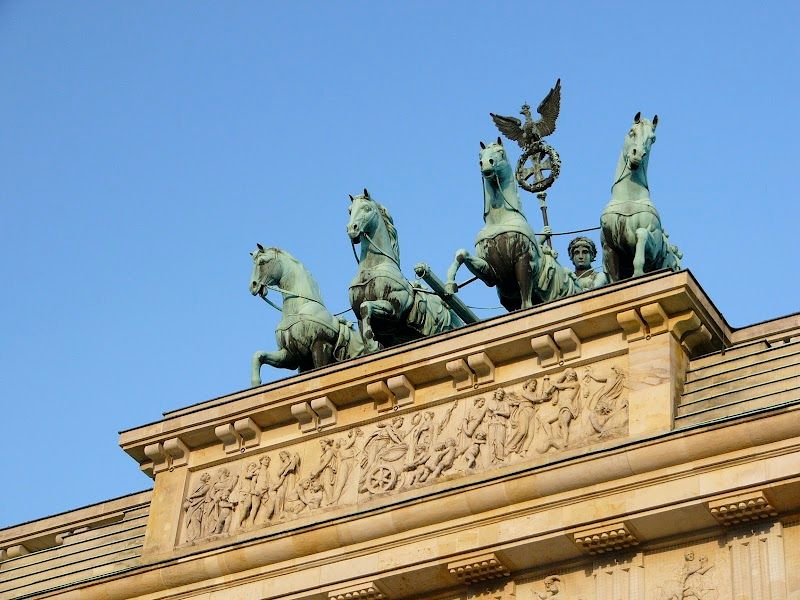
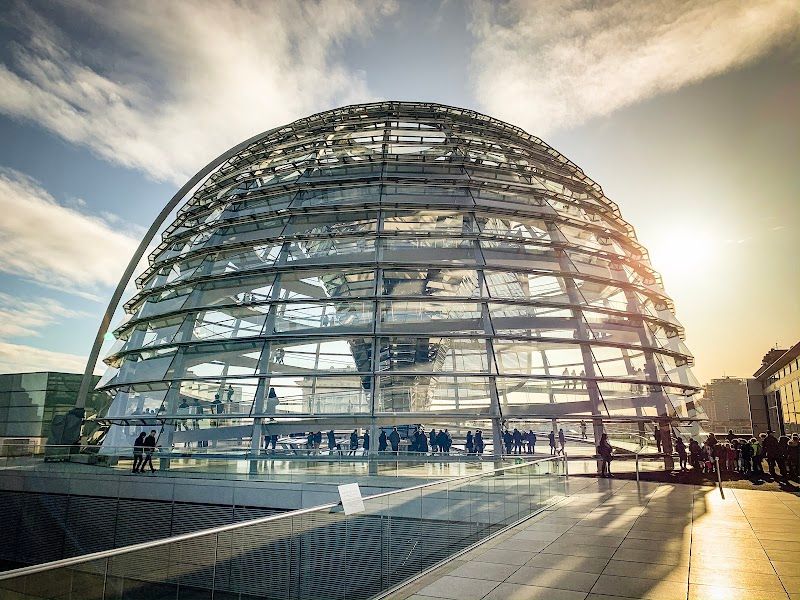
Today the Brandenburg Gate stands in an open plaza (Pariser Platz), floodlit at night, with the Reichstag visible to the north and the tree-lined boulevard of Unter den Linden stretching east toward Alexanderplatz. The scale is impressive up close: six Doric columns, 26 meters tall, topped by the Quadriga, a chariot driven by the goddess of victory. Napoleon stole the Quadriga and took it to Paris in 1806; the Prussians brought it back after defeating him in 1814.
The gate is free, always open, and works best at the edges of the day. Dawn gives you the plaza to yourself with soft eastern light hitting the columns. Dusk brings a golden glow and the first of the floodlights. Midday means tour buses, selfie sticks, and people dressed as Cold War soldiers charging EUR3-5 for photos. Walk through the gate rather than just standing in front of it: the Tiergarten opens up on one side and the formal geometry of Pariser Platz frames you on the other.
Skip the Queue
Live availability and skip-the-line options from our booking partners.
Booking powered by our partners. DAIZ may earn a commission.