Berlin demands practical packing. This is not a city where you dress to impress-it's a city where comfort and adaptability win. The weather changes hourly, you'll walk more than you expect, and the neighborhoods range from government districts to former squat courtyards. Your berlin travel brief starts with understanding that Berlin rewards the prepared, not the perfectly dressed.
Berlin Weather Packing Essentials
Berlin's continental climate is famously unpredictable. The city sits on flat terrain with no mountains to block weather systems, meaning conditions can shift from sunny to rainy within minutes. This weather volatility makes strategic packing crucial.
Spring (March-May) Weather Requirements
Spring in Berlin is deceptive. March can still bring snow, while May might hit 25°C. Pack layers as your primary strategy. The temperature swings between 5-20°C, but the real challenge is the wind. Berlin's flat topography means there's nothing to stop the breeze, making 15°C feel much colder.
Essential spring items include a waterproof jacket (not just water-resistant), a warm sweater for unexpected cold snaps, and lightweight shirts for warm afternoons. The locals wear sneakers year-round for good reason-the streets are uneven, and you'll cover serious distance exploring neighborhoods like Kreuzberg and Mitte.
Summer (June-August) Berlin Travel Essentials
Berlin summers average 18-24°C, walking but with occasional heat waves pushing temperatures to 30°C+. Rain remains a constant threat-summer storms can be intense but brief. Pack a compact umbrella and quick-dry clothing.
The city's extensive park system, including Großer Tiergarten and Tempelhofer Feld, becomes the main attraction in summer. Pack sunscreen (SPF 30 minimum), sunglasses, and a reusable water bottle. Berlin tap water is excellent and free at restaurants when requested.
Autumn and Winter Clothing Strategy
Autumn (September-November) brings Berlin's most stable weather, with temperatures dropping from 15°C to 5°C. This is prime touring season, visiting indoor attractions like the DDR Museum when it gets chilly.
Winter (December-February) averages 0-5°C with occasional sub-zero stretches. Berlin winters are gray rather than snowy-pack for dampness, not alpine conditions. A quality waterproof coat, warm layers, and waterproof shoes are non-negotiable. The Christmas markets run December through early January, requiring warm clothing for extended outdoor browsing.
Berlin Travel Essentials by Neighborhood
Packing for Berlin means packing for multiple cities within one. Each neighborhood has its own character and practical requirements.
Mitte District Packing Considerations
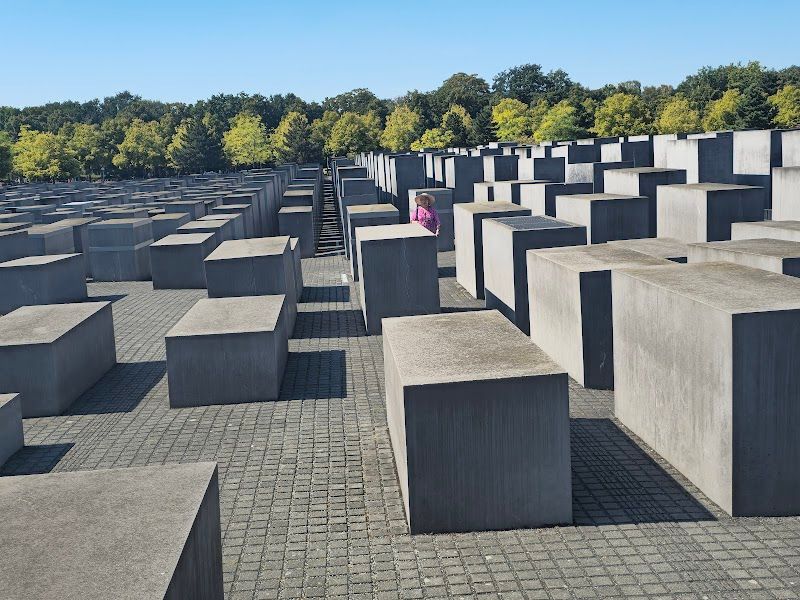
Mitte is tourist central, home to the Brandenburg Gate and Holocaust Memorial. The streets are well-maintained but you'll spend hours walking between major sites. Comfortable walking shoes are essential-not hiking boots, but substantial sneakers or walking shoes with good arch support.
Mitte also houses Berlin's museum district. The Museum Island Day Pass costs EUR 24, making indoor museum-hopping viable when weather turns bad. Pack a small bag for museum visits-security checks are common and large bags must be checked.
Kreuzberg and Alternative Neighborhood Gear
Kreuzberg represents Berlin's alternative culture. The streets are rougher, with cobblestones and uneven pavements near the East Side Gallery. Sturdy shoes matter more here than fashion.
The neighborhood's famous nightlife scene runs late-pack layers you can shed as venues get crowded and warm. Kreuzberg bars are casual; you'll look out of place in formal wear. Dark colors hide the inevitable beer spills at venues around Checkpoint Charlie.
Charlottenburg Upscale Area Requirements
Charlottenburg is Berlin's most traditional district, home to Charlottenburg Palace and upscale shopping at KaDeWe. This area rewards slightly more polished attire, especially for palace visits and fine dining.
The palace grounds require admission (EUR 17 for the combination ticket), and the extensive gardens demand comfortable walking shoes despite the upscale setting. Pack one nicer outfit for Charlottenburg dining and cultural events, but prioritize comfort over formality.
Technical Berlin Packing List
Electronics and Digital Essentials
Berlin runs on 230V with Type F (Schuko) plugs-the two-pin European standard with ground clips. Pack a universal adapter or specific Type F adapter. Most hotels provide adapters, but cafes and public spaces don't offer charging options universally.
Download offline maps before arriving. Berlin's neighborhoods can be confusing, especially the former East-West boundary areas. Google Maps offline works well, but consider specialized apps for public transit. The BVG (Berlin transport) app handles ticket purchasing and route planning.
Portable battery packs are worthwhile for heavy photography days. Berlin's history creates compelling photo opportunities at every turn, from the Berlin Wall Memorial to street art in Friedrichshain.
Transportation and Navigation Gear
Berlin's public transport system is extensive but requires some preparation. The BVG Day Pass AB costs EUR 8.8 and covers central Berlin's metro, bus, and tram systems. Pack a lanyard or easily accessible wallet-ticket checks are frequent and fines steep.
Comfortable walking shoes cannot be overstated. Even with excellent public transport, Berlin rewards exploration on foot. The distance between the Brandenburg Gate and Museum Island is walkable but substantial. Neighborhoods like Prenzlauer Berg feature beautiful architecture best appreciated at walking pace.
Weather Protection Equipment
Berlin's weather changes require adaptive gear. A packable rain jacket weighs little but saves considerable discomfort. Avoid heavy winter coats unless visiting December-February-layers provide more flexibility for the city's variable temperatures.
Sun protection matters more than expected. Berlin's northern latitude creates deceptive sun exposure, especially during summer festivals and outdoor beer garden sessions. Pack sunglasses and SPF 30+ sunscreen, even for spring visits.
Seasonal Berlin Packing Strategies
Summer Berlin Trip Preparation
Summer brings Berlin's festival season and outdoor culture. Pack light, quick-drying fabrics for comfort during long days exploring. Cotton t-shirts work fine, but synthetic blends handle sweat and unexpected rain showers better.
Berlin summers can surprise with their intensity. The Tempelhofer Feld, a former airport turned massive park, offers little shade during midday heat. Pack a hat and consider long sleeves for sun protection during extended outdoor activities.
Insect repellent helps during summer evenings, especially near the Spree river areas and park spaces. Berlin mosquitoes aren't dangerous but can be persistent during warm, still evenings.
Winter Travel Essentials
Berlin winters prioritize warmth over style. The Christmas markets require outdoor endurance-pack thermal layers, waterproof gloves, and a warm hat. Wind chill factor makes temperatures feel colder than actual readings.
Quality footwear becomes critical in winter. Berlin sidewalks can be icy, and the city's extensive walking distances become challenging in poor shoes. Waterproof boots with good traction serve better than fashion choices.
Indoor heating is generally excellent, so pack removable layers rather than single heavy items. Museums and restaurants maintain comfortable temperatures year-round.
Berlin Food Scene Packing Considerations
Berlin's food culture influences packing decisions. The city's famous street food, from currywurst (EUR 3.5-6) to döner kebabs (EUR 4.5-7), creates inevitable spills and stains. Pack clothes in darker colors and avoid expensive white shirts for street food adventures.
Food markets like Markthalle Neun and outdoor spaces require hands-free options. A small crossbody bag or secure pockets help manage food, drinks, and belongings simultaneously. For those planning to explore Berlin's diverse food scene, pack wet wipes for inevitable messy situations.
Berlin's beer culture is central to the experience. Beer costs EUR 4.5-7 at typical bars, making multiple venues affordable. Comfortable shoes matter for bar-hopping between neighborhoods, and layers help adapt to varying venue temperatures.
Practical Berlin Travel Brief Tips
Money and Payment Packing
Berlin still operates heavily on cash. Many smaller restaurants, bars, and markets don't accept cards. Pack a secure money belt or hidden wallet for carrying cash reserves. ATMs are common but fees vary-notify your bank of travel plans to avoid card blocks.
Coins matter in Berlin. Restroom facilities often require 50 cents or EUR 1 coins. Public transport ticket machines accept coins and cards but cash remains more reliable. Pack a small coin purse for practical daily transactions.
Cultural Sensitivity Considerations
Berlin's history creates specific cultural contexts for visitors. Sites like the Holocaust Memorial and Topography of Terror (free admission) require respectful attire and behavior. While Berlin is casual, these locations warrant conservative, respectful clothing choices.
Photography restrictions exist at certain historical sites. Pack a small, discreet camera rather than large, obvious equipment for sensitive locations.
Health and Safety Packing
Berlin is exceptionally safe, but standard travel precautions apply. Pack basic medications and a small first-aid kit. Pharmacies (Apotheke) are common but may not stock international brand preferences.
Walking shoes prevent the most common Berlin travel injury-blisters from underestimating daily walking distances. Berlin rewards exploration, but your feet need proper support for neighborhood wandering from Wedding to Neukölln.
Final Berlin Packing Checklist
Essential items for any Berlin visit:
- Waterproof jacket (packable style)
- Comfortable walking shoes with good support
- Layers for temperature fluctuations
- Universal power adapter (Type F)
- Cash wallet with coin compartment
- Compact umbrella
- Sunglasses and sunscreen
- Portable phone charger
- Dark-colored casual clothes
- Small crossbody bag for sightseeing
Seasonal additions: Summer: Quick-dry clothing, hat, insect repellent Winter: Thermal layers, waterproof gloves, warm hat, traction footwear
Berlin packing success comes from prioritizing practicality over perfection. The city rewards visitors who can adapt to changing weather, walk extensive distances comfortably, and engage with diverse neighborhoods authentically. Pack for the Berlin that exists-a working city with history, not a museum piece.
Whether you're following our 3-day first-timer's itinerary or planning a complete 5-day experience, the right packing approach ensures comfort and flexibility for whatever Berlin throws your way. The city's greatest attractions often involve extended walking, variable weather, and authentic neighborhood exploration-pack accordingly, and Berlin will reward your preparation.