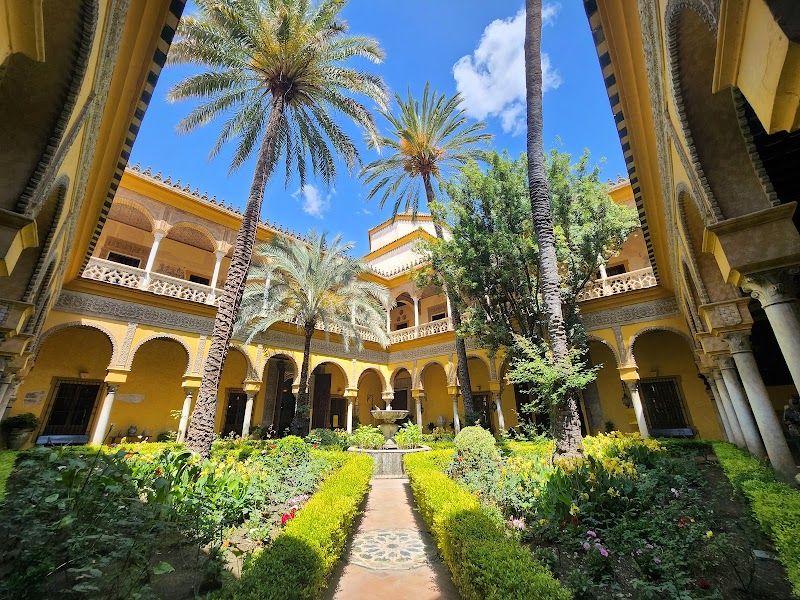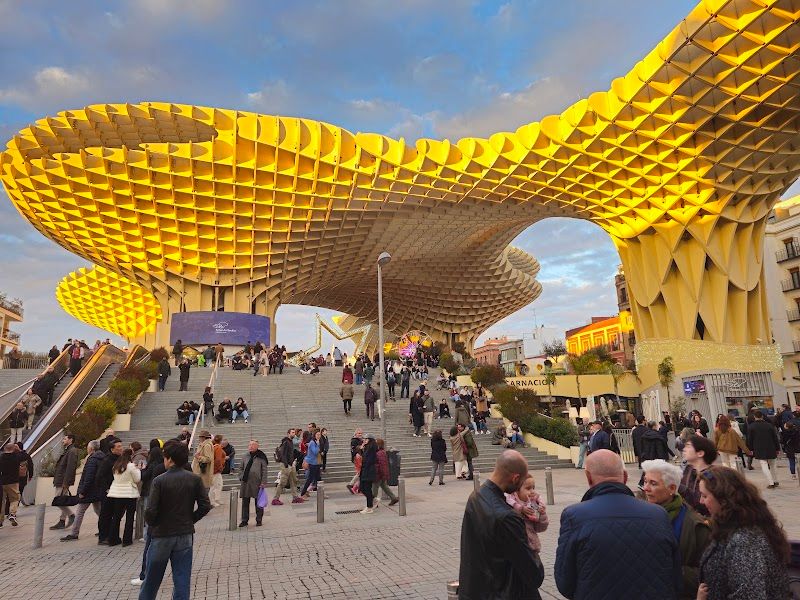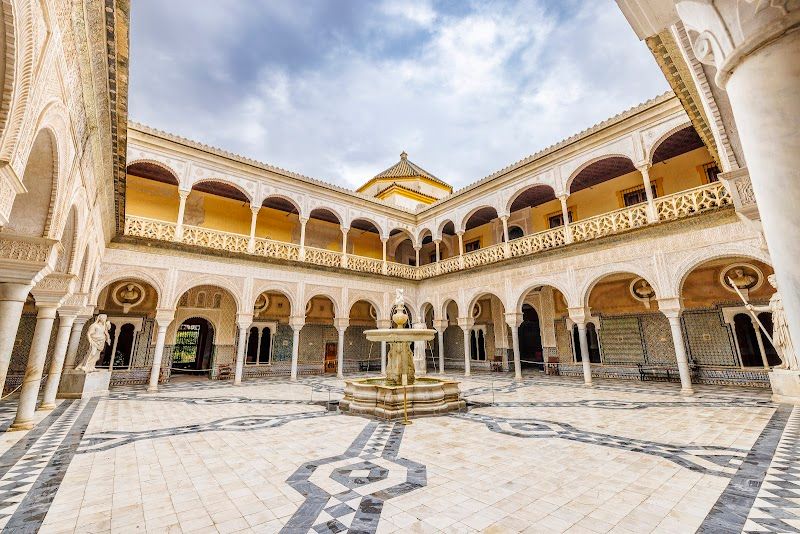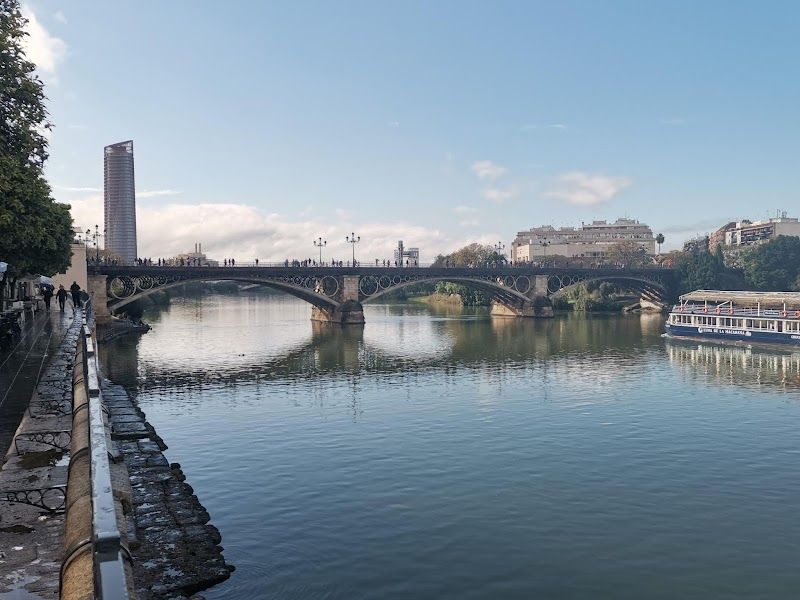
The best Seville neighborhoods to visit extend far beyond the predictable Cathedral-Alcazar circuit that most visitors never leave. While 80% of tourists spend their entire stay within a six-block radius of the main monuments, Seville's real character lives in its distinct districts, each with centuries of identity shaped by everything from river commerce to flamenco culture.
This guide covers eight neighborhoods that offer different perspectives on the city, from the ceramic workshops of Triana to the late-night energy of Centro's Alameda district. You'll find specific walking routes, exact prices for local experiences, and the kind of neighborhood details that help you navigate Seville like someone who actually lives here. Most importantly, you'll discover areas where the 40-degree summer heat hasn't driven away the local life that makes this city worth visiting.
Santa Cruz: Beyond the Tourist Maze
Santa Cruz earns its reputation as Seville's most atmospheric neighborhood, but most visitors experience it wrong. The Santa Cruz district contains the Jewish quarter's narrow streets and the city's greatest monuments, but the secret is knowing when and where to explore beyond the main arteries.
The morning strategy works best here. Between 8 AM and 10 AM, before tour groups arrive, you can walk the maze of streets around Calle Agua and Calle Pimienta without fighting crowds for photos. The Real Alcázar opens at 9:30 AM, and booking the first entry slot at EUR 13.50 means you'll have the Mudejar courtyards mostly to yourself for the first hour.
The neighborhood's restaurant scene divides sharply between tourist traps and local favorites. Skip anywhere with English menus on Calle Mateos Gago. Instead, head to Bar Las Teresas on Calle Santa Teresa, where jamón ibérico hangs from the ceiling and tapas cost EUR 3-8. The bar has been serving the same families since 1870, and the bartenders still slice ham by hand.
For evening drinks, La Bodega Santa Cruz operates in a converted 18th-century mansion on Calle Rodrigo Caro. The building's original azulejo tiles remain intact, and they serve local manzanilla sherry for EUR 2.50 per glass. The bodega fills with neighborhood residents after 9 PM, when the temperature drops enough for Sevillanos to reclaim their streets from day-trippers.
The Jardines de Murillo provide essential shade relief during summer exploration. These gardens border the Alcazar's eastern wall and offer free entry with benches under orange trees. The gardens connect to the wider Barrio Santa Cruz walking area through several unmarked passages.
Triana: The Soul of Seville Across the River
Triana represents everything that mainland Seville claims to be but often isn't: working-class, authentic, and unapologetically local. The neighborhood sits west of the Guadalquivir River, connected to the center by the Triana Bridge, and maintains an identity so distinct that Sevillanos refer to crossing the bridge as "going to Triana" rather than just crossing the street.
Triana's ceramic tradition defines the neighborhood's character. The area has produced pottery since Roman times, and you can still visit active workshops along Calle Antillano Campos and Calle Alfarería. Ceramica Santa Ana (Calle San Jorge 31) has operated since 1870 and sells everything from traditional azulejo tiles to modern tableware. Prices start around EUR 15 for small decorative pieces, but watching the artisans work costs nothing and takes you inside a craft tradition that predates the Alcazar.
The Mercado de Triana occupies the site of the old Castillo de San Jorge, where the Spanish Inquisition once operated. The current market building dates to 2009 but maintains the neighborhood's market tradition. Stalls sell everything from fresh fish to locally made ceramics, and the upstairs food court serves proper Andalusian breakfast (tostada con tomate) for EUR 2.50-5.
Flamenco in Triana feels different from the tourist shows downtown. The neighborhood produced legendary singers like Pastora Pavón "La Niña de los Peines," and local bars still host spontaneous performances. Lo Nuestro (Calle Betis 31) operates as a neighborhood bar by day and flamenco venue by night, with shows starting around 10 PM for EUR 15-18. The performances happen in a room that holds maybe 40 people, close enough to see the strain in the singer's face.
For the complete Triana neighborhood experience, walk the riverfront along Calle Betis during sunset. The street faces east toward the Cathedral and Giralda, offering the best views in the city as the light hits the monuments across the water. Bars along Betis serve beer for EUR 2-4 with tapas included, and the 30-minute walk covers the neighborhood's essential character from ceramics workshops to flamenco bars.
Centro and Alameda: Where Locals Actually Live
The Centro district encompasses everything between the tourist center and the university area, including the Alameda de Hércules, Seville's most dynamic nightlife zone. This area shows you how the city functions when it's not performing for visitors, with local markets, neighborhood bars, and the kind of everyday urban life that most travel guides ignore.
The Alameda de Hércules area transforms completely between day and night. During daylight hours, the Alameda operates as a local park where families bring children and older residents play cards under the trees. Two Roman columns mark the space's northern and southern ends, salvaged from a temple and topped with statues of Hercules and Julius Caesar.
After 10 PM, the same space becomes Seville's primary nightlife district. The bars around the Alameda stay open until 4 AM, serving everything from craft beer to experimental cocktails. The neighborhood attracts a mix of university students, local professionals, and the kind of Sevillanos who consider 11 PM early for dinner. Beer costs EUR 2-4 at most bars, and the area's dozens of venues mean you can bar-hop without walking more than two blocks.
El Rinconcillo claims to be Spain's oldest bar, operating since 1670 on Calle Gerona. The claim is probably true, and the bar maintains traditions that disappeared elsewhere decades ago. Bartenders write your tab in chalk directly on the wooden bar, and the tapas menu hasn't changed significantly in 50 years. Expect to pay EUR 3-8 per tapa, with portions large enough to constitute dinner.
The Tablao Flamenco experience in Centro differs from tourist-focused venues. Local tablaos like Casa de la Memoria charge EUR 18-22 for shows but maintain the intimate atmosphere that makes flamenco work as an art form. Performances happen in rooms where the furthest seat is maybe 15 feet from the stage.
The Mercado de la Encarnación area represents Centro's everyday commercial life. The Metropol Parasol (Las Setas) provides elevated views for EUR 5, but the real attraction is the surrounding neighborhood where locals shop for groceries and meet for mid-morning coffee. This area shows you the Seville that exists independent of tourism, with family-run businesses and the rhythm of daily life that continues year-round.
El Arenal: Maritime History and Riverside Walks
El Arenal occupies the space between the Cathedral and the Guadalquivir River, named for the sandy riverbank where ships once loaded cargo for the Americas. The neighborhood combines some of Seville's most important monuments with riverside areas that offer relief from the summer heat and insight into the city's maritime history.
The Torre del Oro serves as the neighborhood's landmark and houses a maritime museum that actually explains Seville's role in Atlantic commerce. The 13th-century watchtower cost EUR 3 to enter and provides context for understanding how Seville became wealthy enough to build monuments like the Cathedral. The tower's exhibits cover everything from medieval river commerce to the treasure fleets that connected Seville to the Americas.
The riverside walk extends north and south from Torre del Oro, offering a pedestrian path that runs several kilometers along the Guadalquivir. During summer, this walk provides the only outdoor relief when temperatures reach 40 degrees Celsius. The path includes shaded areas under palm trees and connects several neighborhood attractions without requiring street-level navigation through traffic.
El Arenal's restaurant scene focuses on traditional Andalusian cooking rather than tourist-friendly adaptations. Casa Morales (Calle García de Vinuesa 11) has operated since 1850 and maintains the kind of authentic tapas culture that most bars have abandoned. The restaurant stores sherry in wooden barrels along the walls, and bartenders serve wine directly from the cask. Tapas cost EUR 3-8, and the atmosphere remains genuinely local despite the neighborhood's central location.
The Hospital de la Caridad provides insight into Seville's baroque religious art tradition. The hospital's chapel contains paintings by Murillo and Valdés Leal that explore themes of death and charity with the kind of dramatic intensity that defines Sevillano culture. Entry costs around EUR 8 and includes access to courtyards that demonstrate how religious institutions shaped neighborhood architecture.
Taberna Coloniales represents the neighborhood's approach to updated traditional dining. The restaurant serves classic Andalusian dishes with modern presentation, and prices (EUR 25-40 for a complete dinner) reflect the balance between authentic cooking and contemporary expectations. The location on Plaza Cristo de Burgos provides outdoor seating during cooler months.
Maria Luisa District: 1929 Architecture and Gardens
The Maria Luisa district exists because Seville hosted the 1929 Ibero-American Exposition, which required creating an entire neighborhood of pavilions, parks, and ceremonial spaces. Nearly a century later, the area functions as Seville's primary park district while maintaining the architectural legacy of its exposition origins.
Plaza de España dominates the district both physically and culturally. The semicircular building and plaza were designed specifically for the 1929 exposition and remain the most photographed location in Seville. Access to the plaza is free, but the real experience involves understanding the building's architectural details and political symbolism. The ceramic tiles represent all 50 Spanish provinces, and the building's design combines regional architectural traditions from across Spain.
The plaza works best during early morning or late afternoon when the light enhances the building's ceramic work and the temperature allows comfortable exploration. Summer midday visits are nearly impossible due to heat reflection from the plaza's stone surfaces. The adjacent boat rental operation charges around EUR 6 for 30-minute trips along the plaza's small canal.
Parque de María Luisa provides essential green space in a city where summer heat makes outdoor activities challenging. The park covers 38 hectares and includes shaded walkways, fountains, and gardens designed in various international styles. Entry is free, and the park connects Plaza de España to several smaller pavilions from the 1929 exposition.
The park's layout follows the romantic garden tradition popular in early 20th-century urban planning. Paths wind through different themed areas, including a rose garden, a pond area with ducks, and groves of orange and palm trees. During spring and autumn, the park serves as Seville's primary outdoor recreation space. Summer use requires strategic timing to avoid peak heat hours.
Former exposition pavilions throughout the area now house museums and cultural institutions. The Pabellón de Brasil maintains its original 1929 architecture while serving contemporary cultural functions. Many pavilions charge minimal entry fees (around EUR 3-8) and provide air-conditioned space during summer exploration.
The Archaeological Museum occupies the former Fine Arts Pavilion and charges EUR 1.50 for entry (free for EU citizens). The museum's collection includes Roman artifacts from nearby Italica and provides context for understanding Seville's pre-Islamic history. The building itself demonstrates the exposition's architectural ambitions and the 1920s vision of international cultural exchange.
La Macarena: Working-Class Heritage and Local Markets
La Macarena extends north from the historic center and represents Seville's working-class residential areas. The neighborhood takes its name from the Basilica de la Macarena, home to one of Seville's most important religious brotherhoods, and maintains a local character that reflects the city's social and economic reality beyond the tourism economy.
The neighborhood's street life operates on Sevillano time rather than tourist schedules. Local markets open early for grocery shopping, bars serve the mid-morning coffee break around 11 AM, and restaurants don't begin dinner service until 9 PM. This rhythm provides insight into daily life that remains largely unchanged despite the city's tourism growth.
La Macarena's religious heritage centers on Holy Week traditions. The Basilica de la Macarena houses the Virgin of Hope of Macarena, whose annual procession draws hundreds of thousands of participants and spectators. The basilica's museum explains the brotherhood system that organizes these processions and displays the elaborate floats and religious art used during Holy Week ceremonies.
Local bars in La Macarena maintain the traditional tapas culture without tourist adaptations. Prices remain lower than in central districts (beer for EUR 2-3, tapas for EUR 2.50-6), and the atmosphere reflects neighborhood social life rather than visitor entertainment. These establishments provide insight into Sevillano social customs and the role that bars play in community life.
The neighborhood's market areas offer authentic grocery shopping experiences and local food specialties. Morning markets provide fresh produce, local cheeses, and seafood from the Atlantic coast. These markets serve neighborhood residents rather than tourists, and prices reflect local economic conditions rather than visitor expectations.
Los Remedios: Modern Seville and April Fair Grounds
Los Remedios represents Seville's modern residential expansion west of the Guadalquivir River. The neighborhood developed primarily during the 20th century and houses much of the city's middle-class population while maintaining connection to traditional Sevillano culture through institutions like the April Fair.
The April Fair (Feria de Abril) transforms Los Remedios every spring into Seville's most important cultural celebration. For one week, the fairgrounds fill with hundreds of private casetas (tents) where families and organizations host parties featuring flamenco dancing, traditional food, and sherry consumption that continues from afternoon until dawn. While many casetas remain private, public areas allow visitors to experience the fair's atmosphere and understand its role in Sevillano social life.
Outside of fair week, Los Remedios functions as a residential neighborhood with shopping areas, restaurants, and services that cater to local residents. The area provides insight into contemporary Sevillano life and the way the city has expanded beyond its historic core while maintaining cultural traditions.
Restaurants in Los Remedios serve local customers rather than tourists, resulting in authentic Andalusian cooking at prices that reflect neighborhood economics rather than visitor willingness to pay. Menu del día options typically cost EUR 12-18 and provide complete meals that demonstrate current Sevillano food culture.
The neighborhood's proximity to the river provides access to walking and cycling paths that extend along the Guadalquivir. These paths offer exercise opportunities and transportation routes that connect Los Remedios to other districts without requiring navigation through city center traffic.
Nervión: University Life and Shopping Districts
Nervión encompasses Seville's eastern expansion and includes the university area, major shopping centers, and residential developments that house much of the city's student and professional population. The neighborhood demonstrates how Seville has adapted to contemporary urban needs while maintaining connections to traditional Andalusian culture.
The University of Seville's presence shapes neighborhood character through student housing, academic facilities, and the cultural activities that accompany university life. Student bars and restaurants provide affordable options (beer for EUR 1.50-3, meals for EUR 8-15) and late-night social opportunities that reflect university schedules rather than tourist expectations.
Nervión's shopping areas include both international chains and local businesses that serve Seville's residential population. The Nervión Plaza shopping center provides air-conditioned relief during summer heat and demonstrates contemporary Sevillano consumer culture. Local markets in the neighborhood offer fresh food at prices that reflect actual economic conditions rather than tourist premium pricing.
Transportation connections link Nervión to central Seville through metro and bus services that operate on schedules designed for local residents and commuters. Metro tickets cost EUR 1.35 for single journeys, and the system provides efficient access to tourist areas while serving primarily as urban transportation for Sevillanos.
The neighborhood's restaurants and bars cater to university students and local residents, resulting in authentic food culture and pricing that reflects local economic conditions. Evening social life follows Spanish schedules (dinner at 10 PM, bars active until 2 AM) and provides insight into contemporary Sevillano nightlife beyond tourist-focused venues.
Practical Neighborhood Navigation Tips
Transportation between neighborhoods relies primarily on walking, metro, and bus systems that operate on Sevillano rather than tourist schedules. The metro system covers major areas with single tickets at EUR 1.35 or 10-trip cards at EUR 8.50. Bus service costs EUR 1.40 per journey and provides comprehensive coverage of residential neighborhoods that metro lines don't reach.
Summer heat strategy is essential for neighborhood exploration between June and September. Outdoor activities work best before 10 AM and after 6 PM when temperatures drop below 35 degrees Celsius. Many Sevillanos practice the traditional siesta between 2 PM and 6 PM, and shops in residential neighborhoods often close during these hours.
Restaurant timing follows Spanish rather than tourist schedules in local neighborhoods. Lunch service typically runs from 1:30 PM to 4 PM, with many establishments closing between 4 PM and 8 PM. Dinner service begins around 8:30 PM but most Sevillanos don't eat until 9:30 PM or later. Bars serve tapas throughout the day, providing flexible eating options that accommodate different schedules.
Language considerations vary by neighborhood, with tourist areas offering English-speaking service while local districts operate primarily in Spanish. Basic Spanish phrases improve interactions and demonstrate respect for local culture. Many neighborhood establishments appreciate visitors who attempt Spanish communication even at basic levels.
Safety in residential neighborhoods remains generally good, but awareness of local conditions helps avoid problems. Well-traveled areas with active street life provide the safest exploration environment. Late-night activities work best in neighborhoods with established nightlife rather than purely residential areas.
Exploring Seville's diverse neighborhoods reveals a city that extends far beyond its famous monuments into communities with distinct personalities, local traditions, and daily rhythms that continue independent of tourism. Each district offers different perspectives on Sevillano life, from Triana's ceramic workshops to Centro's flamenco venues to the university energy of Nervión. The key is matching your interests and schedule to neighborhoods that provide authentic rather than performed experiences, allowing you to understand Seville as a living city rather than an outdoor museum.
For planning your neighborhood exploration strategy, check our First Time in Seville guide for orientation basics, or dive into our complete food guide to discover the best local eating spots across all districts.