The Prague vs Vienna vs Budapest debate splits travelers into three camps, each convinced their chosen city is Central Europe's crown jewel. After spending months in all three capitals, the answer depends entirely on what kind of trip you want.
Prague wins for fairy-tale architecture and budget travel. Vienna dominates for imperial grandeur and cultural sophistication. Budapest takes the crown for thermal bath culture and nightlife energy. But these broad strokes miss the nuances that actually determine which city suits your travel style.
This comparison cuts through the tourist board marketing to give you the real differences that matter: where your money goes furthest, which city offers the best food scene, and most importantly, which capital delivers the experience you're actually looking for.
Architecture & Sightseeing: Prague Takes the Visual Crown
Prague: The Film Set City
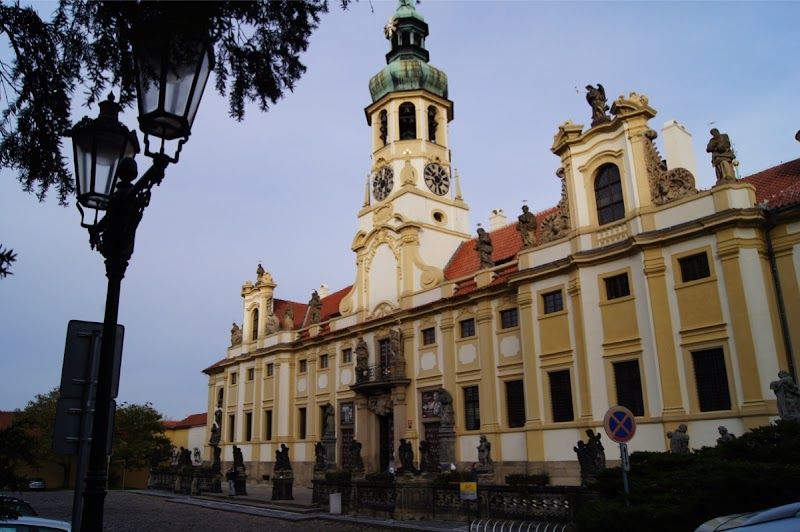
Prague survived World War II almost untouched, leaving behind Central Europe's most complete collection of Gothic, Renaissance, Baroque, and Art Nouveau architecture. The result looks like a movie set because it literally is one - Prague doubles for cities across Europe in films precisely because it still has everything.
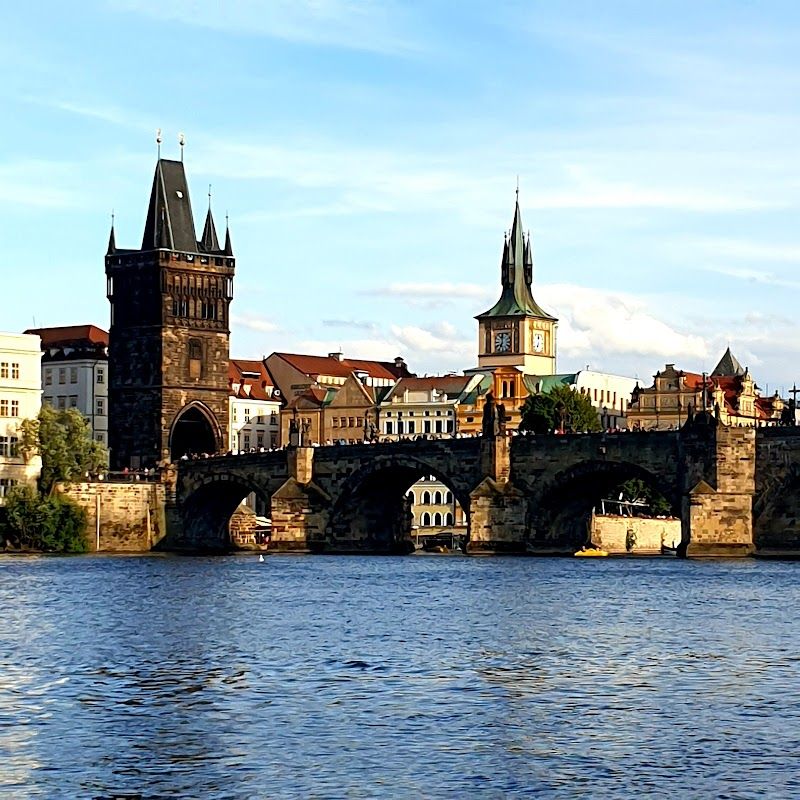
The Charles Bridge at sunrise remains one of Europe's most atmospheric experiences. Thirty Baroque statues line the 14th-century stone bridge, with Prague Castle looming above through morning mist. Visit before 8 AM to avoid the crowds - by 10 AM, thousands of tourists transform the serene crossing into a human traffic jam.
Prague Castle covers more ground than any castle complex in the world. The basic circuit (EUR 7.50) includes the Old Royal Palace and St. Vitus Cathedral nave, but the full circuit (EUR 12) adds the cathedral galleries and tower climb that justify the price with panoramic views over red-tiled rooftops.
The Old Town Square and Astronomical Clock deliver the postcard Prague experience. The medieval square surrounded by colorful Baroque buildings creates the perfect Central European tableau. The astronomical clock's hourly show draws crowds, but the real attraction is the architectural ensemble framing it.
Vienna: Imperial Grandeur on Display
Vienna's architecture tells the story of the Habsburg Empire at its peak. The Ringstrasse boulevard showcases 19th-century imperial architecture in a planned ensemble that Prague's organic medieval growth can't match for coordinated grandeur.
Schönbrunn Palace rivals Versailles for imperial excess, while the Belvedere's Baroque gardens create Vienna's most photogenic setting. The Hofburg Imperial Palace complex spans 2,600 rooms across multiple centuries of expansion.
Vienna's coffee house architecture deserves special mention. These aren't just cafes but architectural institutions, with Café Central's vaulted ceilings and marble columns representing the genre's pinnacle.
Budapest: Thermal Architecture Meets Danube Drama
Budapest splits across the Danube River, with Buda's castle hill facing Pest's grand boulevards. The Hungarian Parliament building creates one of Europe's most dramatic riverside silhouettes, especially when illuminated at night.
The thermal bath architecture sets Budapest apart. Széchenyi Baths combine Neo-Baroque grandeur with functional bathing culture in a way Vienna and Prague can't match. The Gellért Baths' Art Nouveau tiles create an architectural experience while you soak.
Architecture verdict: Prague wins for completeness and fairy-tale appeal, Vienna for imperial coordination, Budapest for unique thermal architecture.
Prague vs Vienna vs Budapest: Budget Battle
Prague: Central Europe's Budget Champion
Prague remains Central Europe's best value for accommodation and food. Budget hotels start around EUR 55-95 per night for doubles, while mid-range options run EUR 105-195. Luxury hotels command EUR 240-540, but even Prague's top properties cost less than Vienna's mid-range options.
Food costs favor Prague significantly. Traditional goulash with bread costs EUR 5.40-9.60 at local restaurants. A mid-range dinner with drink runs EUR 12-24, while fine dining peaks around EUR 36-75. Compare this to Vienna's EUR 15-25 mid-range meals and EUR 50-100 fine dining.
Czech beer at EUR 1.65-3.60 per half-liter makes Prague unbeatable for beer lovers. Vienna's similar portions cost EUR 4-6, while Budapest falls between at EUR 2.50-4.50.
Transport remains affordable with 72-hour passes at EUR 9.90 covering all metros, trams, and buses. Vienna's equivalent costs EUR 17.10, Budapest's EUR 16.50.
Vienna: Premium Pricing for Premium Experiences
Vienna's accommodation starts higher but delivers consistent quality. Budget hotels begin around EUR 80-120, mid-range runs EUR 150-300, luxury reaches EUR 400-800. The higher baseline reflects Vienna's tourist infrastructure maturity.
Restaurant prices reflect Vienna's position as a wealthy Western European capital. Schnitzel at a traditional gasthaus costs EUR 18-25, while coffee house meals run EUR 15-30. Fine dining easily reaches EUR 80-150 per person.
Vienna's cultural attractions cost more but often justify the premium. Opera tickets start at EUR 15 for standing room but reach EUR 300 for premium seats. Museum entries average EUR 12-16 versus Prague's EUR 8-12.
Budapest: Middle Ground with Spa Premiums
Budapest falls between Prague's budget appeal and Vienna's premium pricing. Accommodation runs EUR 70-130 for mid-range doubles, while thermal bath hotels command premiums around EUR 180-350.
Restaurant prices slightly undercut Vienna while exceeding Prague. Traditional Hungarian dishes cost EUR 8-15, mid-range dinners EUR 20-35. The famous thermal baths cost EUR 20-35 for day passes, adding a unique expense category.
Budget verdict: Prague wins overall, Budapest offers middle ground, Vienna costs most but delivers premium experiences.
Food & Drink: Three Distinct Culinary Cultures
Prague: Beer Culture with Hearty Comfort Food
Prague's food scene revolves around Czech beer culture and comfort food perfected over centuries. Traditional restaurants serve massive portions designed to soak up the world's best beer.
Goulash in Prague differs from Hungarian versions - Czech goulash contains more liquid and focuses on beef and onions. Svíčková (beef sirloin with cream sauce and bread dumplings) represents Czech cuisine's cream-heavy approach. Lokál Dlouhááá serves the definitive version with proper Pilsner Urquell accompaniment.
Czech beer culture operates by different rules. Beer costs less than water in many restaurants, and the half-liter serving standard encourages extended drinking sessions. Prague's beer guide reveals that Czechs consume more beer per capita than any other nation, and visiting Prague without engaging this culture misses the point.
Café Imperial showcases Prague's coffee house tradition with Art Nouveau tiles and traditional pastries, while Café Louvre served Einstein and Kafka during their Prague years.
Vienna: Coffee House Culture Meets Wiener Schnitzel
Vienna's food culture centers on coffee houses and traditional Austrian cuisine refined over Habsburg centuries. Wiener Schnitzel prepared correctly uses veal, not pork, and never includes sauce on the meat itself.
Viennese coffee houses operate as social institutions rather than quick caffeine stops. Ordering "coffee" gets confused looks - specify Melange (cappuccino-style), Einspänner (black coffee with whipped cream), or Fiaker (coffee with rum). The waiter brings a glass of water automatically, and lingering for hours over newspapers is expected, not tolerated.
Sacher Torte at Hotel Sacher costs EUR 7 per slice but represents Vienna's pastry perfection. Demel, the imperial pastry shop, offers similar quality with less tourist focus. Apple strudel should contain paper-thin pastry you can read newspaper through when properly made.
Budapest: Paprika-Powered Hungarian Specialties
Budapean food culture embraces paprika in ways that define Hungarian cuisine globally. Goulash soup in Budapest contains more liquid and vegetables than Prague's version, served with crusty bread for dipping.
Langos (fried bread with sour cream and cheese) provides Budapest's signature street food experience. Traditional versions cost EUR 3-5, gourmet variations with truffle or smoked salmon reach EUR 10-15.
Budapest's thermal bath culture influences dining through bath cafes where you eat while soaking. Széchenyi Baths' restaurant serves Hungarian classics poolside, creating a uniquely Budapest dining experience.
Food verdict: Prague for beer culture and hearty comfort food, Vienna for coffee house sophistication and refined Austrian cuisine, Budapest for unique paprika-based Hungarian specialties.
Best Time to Visit Prague, Vienna and Budapest
Prague: Timing Makes or Breaks the Experience
Prague's timing sensitivity exceeds Vienna and Budapest due to extreme seasonal tourist variations. April-May and September-October offer the best balance of decent weather and manageable crowds.
Summer (June-August) brings overwhelming tourist hordes to Prague's compact historic center. The Charles Bridge becomes nearly impassable by midday, restaurant quality drops to serve tour groups, and prices peak. However, summer also enables the best beer garden weather and longest days for sightseeing.
Winter Prague (December-February) reveals a different city entirely. Snow transforms the Gothic architecture into a winter wonderland, Christmas markets fill Old Town Square, and tourist crowds disappear. Temperatures drop to -5°C regularly, but properly heated indoor attractions and cozy pubs make cold weather manageable.
Vienna: Consistent Comfort Year-Round
Vienna's larger size and more distributed attractions create less seasonal variation in tourist experience. September-October provides ideal weather with cultural season starting, while December offers famous Christmas markets without overwhelming crowds.
Vienna's coffee house culture makes winter visits particularly appealing. When temperatures drop, lingering in warm cafes with newspapers and pastries becomes the perfect Vienna activity. Summer brings outdoor dining and garden concerts but also the highest accommodation prices.
Vienna's opera and concert season runs September-June, making winter visits rewarding for culture enthusiasts. Summer festivals replace indoor performances but require advance booking.
Budapest: Thermal Baths Make Winter Appealing
Budapest's thermal baths create the unique appeal of winter soaking in outdoor pools while snow falls around you. December-March enables this magical experience at Széchenyi Baths, though air temperatures reach -10°C.
Summer Budapest offers Danube riverside dining and rooftop bar culture that Prague and Vienna can't match for warm-weather nightlife. The river setting creates cooling breezes that make summer more comfortable than Prague's enclosed medieval center.
Spring and fall provide the best weather for walking Budapest's hills and exploring both Buda and Pest sides without extreme temperatures.
Timing verdict: Prague requires the most careful timing, Vienna offers consistent year-round appeal, Budapest's thermal baths make winter uniquely attractive.
Prague Vienna Budapest 2 Weeks Itinerary Planning
The Classic Triangle Route
A Prague Vienna Budapest itinerary works perfectly for two weeks in Central Europe, with each city offering 4-5 days of substantial content plus travel days. The triangle route minimizes travel time while maximizing cultural diversity.
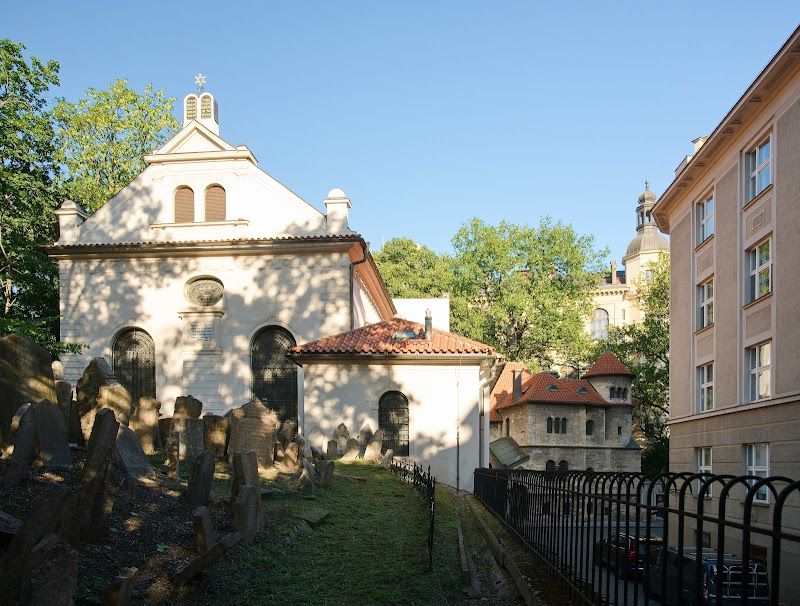
Days 1-5: Prague provides the fairy-tale introduction to Central European architecture. Start with Prague Castle and Charles Bridge early mornings, explore the Jewish Quarter in afternoon heat, and discover beer culture evenings in Vinohrady where locals actually drink.
Include one day trip from Prague to Český Krumlov or Kutná Hora for perspective on Czech architecture beyond the capital. Prague's compact size allows thorough exploration in 4-5 days without rushing.
Days 6-10: Vienna shifts the focus to imperial culture and coffee house sophistication. Schönbrunn Palace requires a full day including gardens and Gloriette climb. The Kunsthistorisches Museum needs another full day for its art collection.
Vienna's coffee house culture demands slow mornings with newspapers and extended coffee sessions. Plan museum visits for afternoons, opera or concerts for evenings when available.
Days 11-14: Budapest concludes with thermal baths and Hungarian cuisine. Dedicate one full day to the Buda side including the castle and Fisherman's Bastion, another to Pest's Parliament area and Great Market Hall.
Budapest's thermal baths require at least two visits - Széchenyi for the outdoor pool experience, Gellért for Art Nouveau architecture. The different bath cultures justify multiple visits.
Transportation Between Cities
Train connections between Prague, Vienna, and Budapest create the most comfortable routing. Prague-Vienna takes 4 hours by train with comfortable seating and dining cars. Vienna-Budapest requires 2.5 hours with frequent departures.
Flying between cities wastes time with airport transfers but budget airlines offer very low fares during off-season. Consider flights only if continuing to other European destinations.
Renting a car enables countryside stops but urban parking in all three capitals creates expensive headaches. Public transport within each city eliminates car necessity.
Cultural Attractions: Museums, Music & Arts
Prague: Medieval to Modern in Compact Packages
Prague's cultural attractions concentrate in the historic center with easy walking connections. The National Gallery's Trade Fair Palace houses Central Europe's best modern art collection in a functionalist building that architectural enthusiasts appreciate as much as the art inside.
The Mucha Museum showcases Art Nouveau master Alfons Mucha's work in his home city. At EUR 8.40, it provides concentrated exposure to the artist who defined the Art Nouveau poster aesthetic.
Prague's classical music scene operates in spectacular venues but at lower prices than Vienna. The Municipal House's Smetana Hall hosts the Prague Symphony Orchestra with tickets starting around EUR 15, while the State Opera offers performances for EUR 20-80.
Vienna: Cultural Capital Supremacy
Vienna's cultural offerings dwarf Prague and Budapest in scope and quality. The Kunsthistorisches Museum contains one of the world's great art collections, with particular strength in Old Masters. The Egyptian collection and coin cabinet add depth beyond painting galleries.
Vienna State Opera represents the pinnacle of European opera culture. Standing room tickets at EUR 15 provide affordable access, though sightlines suffer. Dress codes apply - business casual minimum for seated sections, formal wear for opening nights.
The Belvedere houses the world's largest collection of Gustav Klimt paintings, including "The Kiss." The museum's Baroque palace setting creates an appropriate frame for Vienna's golden age art.
Vienna's coffee house culture extends beyond dining to intellectual tradition. Many coffee houses display newspapers from multiple countries and encourage extended reading sessions over single coffee orders.
Budapest: Thermal Culture Meets Traditional Arts
Budapest's cultural scene centers on Hungarian national identity and thermal bath culture. The Hungarian Parliament building offers guided tours showcasing the crown jewels and ceremonial halls, though advance booking is essential.
The Széchenyi Thermal Baths combine relaxation with architectural appreciation. The outdoor pools maintain 38°C year-round, creating the surreal experience of swimming in winter while snow falls. Chess players gather around the pool edges, continuing games between soaks.
Budapest's ruin pubs represent a unique cultural contribution - bars built in abandoned buildings with eclectic decor and alternative atmosphere. Szimpla Kert originated the concept and remains the most famous example.
Cultural verdict: Vienna dominates for traditional high culture, Prague offers concentrated medieval to modern experiences, Budapest provides unique thermal bath culture.
Nightlife & Entertainment: Three Different Energy Levels
Prague: Beer Halls and Late-Night Adventures
Prague's nightlife revolves around beer culture but extends into late-night club scenes that Vienna can't match. Traditional beer halls like U Fleků (operating since 1499) serve dark beer with live polka music and tourist-friendly atmosphere.
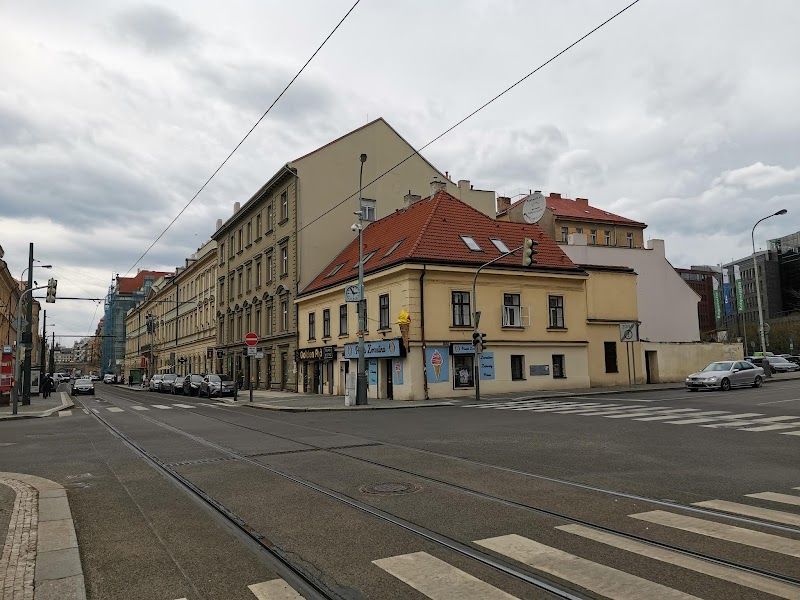
Local nightlife concentrates in Vinohrady and Karlín neighborhoods where Praguers actually go out. Beer costs half the tourist area prices, and English-speaking staff becomes less common but atmosphere more authentic.
Prague's club scene peaks in converted basements and industrial spaces. Electronic music dominates, with international DJs regularly performing at venues like Roxy and Cross Club. Entry fees remain low (EUR 6-12) compared to Western European standards.
Vienna: Sophisticated Evening Culture
Vienna's nightlife emphasizes cultural sophistication over party energy. Wine bars in historic cellars provide intimate settings for Austrian wine education, with knowledgeable sommeliers explaining Grüner Veltliner and Riesling characteristics.
The Prater area offers beer gardens and traditional Austrian entertainment, though the atmosphere feels more family-friendly than party-focused. Vienna's café culture extends into evening with some coffee houses serving wine and light dinner menus.
Vienna's club scene exists but lacks Prague's energy or Budapest's thermal bath parties. Most nightlife ends earlier than other European capitals, reflecting Vienna's more mature tourist demographic.
Budapest: Thermal Bath Parties and Ruin Pub Culture
Budapest creates unique nightlife through thermal bath parties and ruin pub culture found nowhere else in Central Europe. Széchenyi Baths hosts evening parties where guests soak in thermal pools while DJs play electronic music poolside.
Ruin pubs occupy abandoned buildings decorated with eclectic furniture and art installations. Szimpla Kert remains the most famous, but dozens of imitators create a whole district of alternative nightlife. Prices stay reasonable (EUR 2-4 per beer) while atmosphere stays uniquely Budapest.
Budapest's Danube riverside setting enables summer rooftop bars with river views impossible in Prague's medieval center or Vienna's more formal architecture.
Nightlife verdict: Prague for beer culture and club energy, Vienna for sophisticated wine bars and cultural evening, Budapest for unique thermal bath parties and ruin pub experiences.
Which City for Which Traveler
The topic-by-topic verdicts pull in different directions, so here is the shortcut by traveler type.
- Art and high culture: Vienna, by a wide margin. The Kunsthistorisches, the Klimt collection at the Belvedere, and an opera that runs most nights from September to June sit within walking distance of each other. Prague and Budapest have strong museums, but neither matches Vienna's concentration.
- Value: Budapest, with Prague close behind. Budapest undercuts Vienna on rooms and drinks: mid-range doubles run EUR 70-130 against Vienna's EUR 150-300, and a beer is EUR 2.50-4.50 versus EUR 4-6. It also stacks up free sights like the riverbank walk past Parliament and a browse through the Great Market Hall. Prague wins only on beer, at EUR 1.65-3.60 a half-liter.
- First trip to Central Europe: Prague. Castle, bridge, and old-town square in a single walk make it the easiest introduction. Vienna is the close second for anyone who prefers cultural depth to fairy-tale looks.
- Food: Vienna for the classics, Budapest for something different. Vienna does schnitzel and Tafelspitz at the highest level (Figlmüller for the outsized version, the Naschmarkt for Habsburg-era ingredients in one stretch of stalls). Budapest answers with paprika, langos, and cafes you can eat in mid-soak.
- Nightlife and the genuinely unusual: Budapest. Ruin pubs and thermal-bath parties exist nowhere else in the region, and the Danube gives it summer rooftops that Prague's enclosed center and Vienna's formal core cannot.
Vienna for depth, Prague for looks and cheap beer, Budapest for value overall and experiences you cannot get anywhere else.
The Prague vs Vienna vs Budapest choice ultimately depends on your travel priorities. Prague delivers the most complete medieval architecture experience at the lowest cost. Vienna provides imperial grandeur and cultural sophistication at premium prices. Budapest offers unique thermal bath culture and energetic nightlife at middle-ground pricing.
For first-time Central European visitors, Prague's fairy-tale architecture and budget-friendly prices create the most satisfying introduction. Repeat visitors often graduate to Vienna's cultural depth or Budapest's distinctive thermal culture. The ideal solution combines all three in a Prague Vienna Budapest itinerary that showcases Central Europe's imperial heritage, architectural diversity, and cultural richness in one comprehensive trip.