Prague
Gothic spires, CZK 50 beer, and a castle that takes an entire hilltop
About Prague
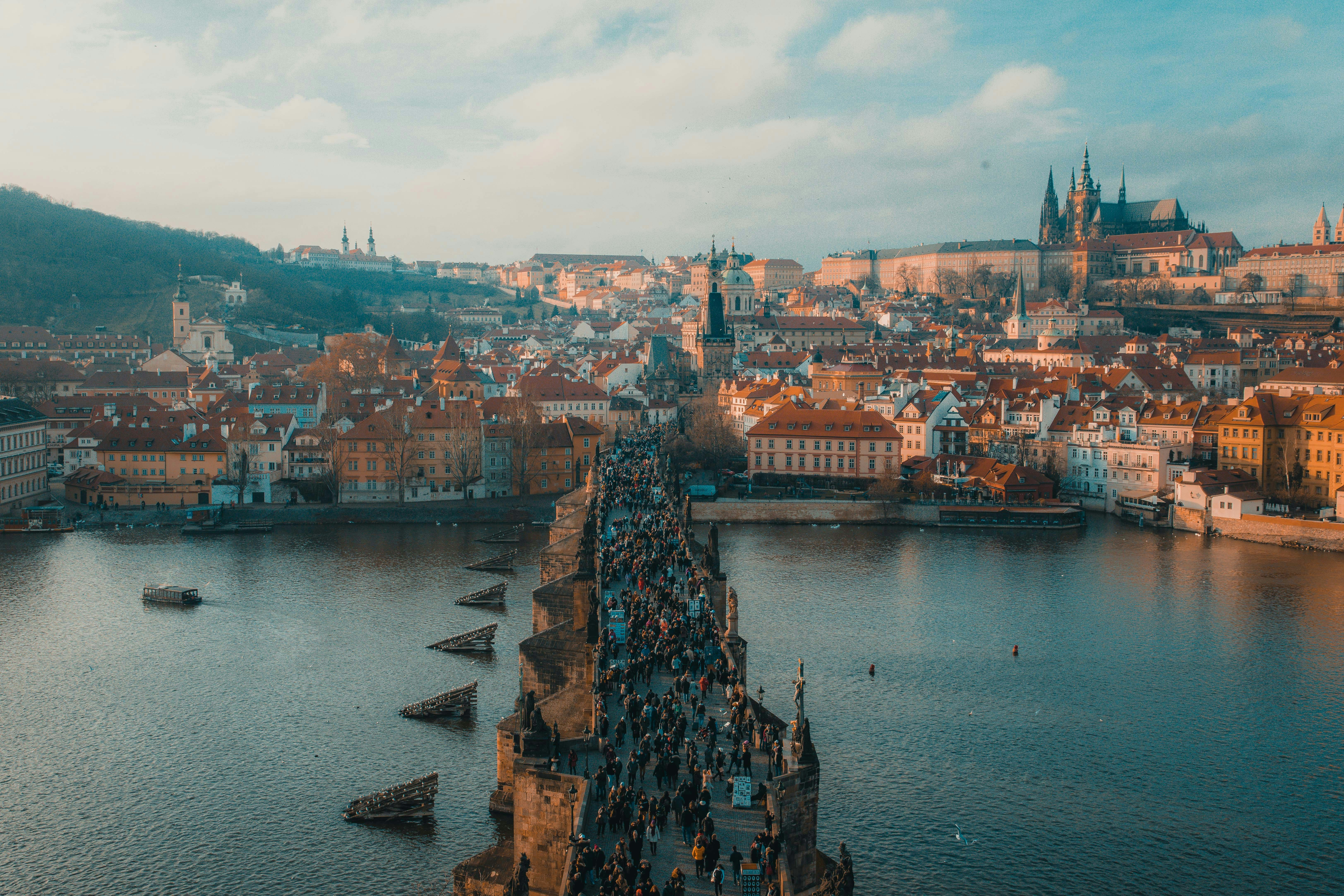
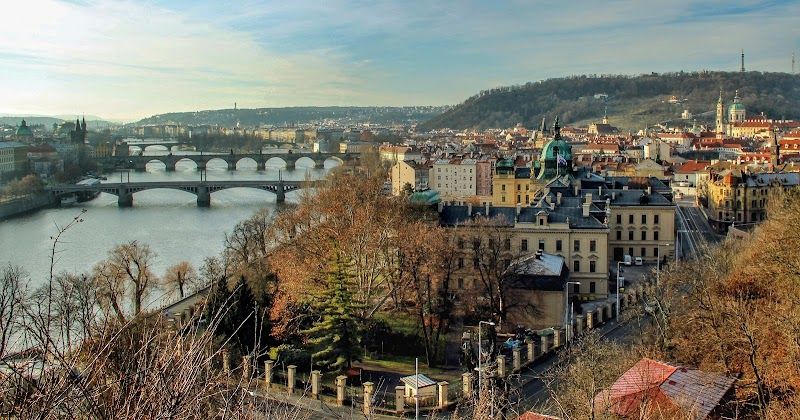
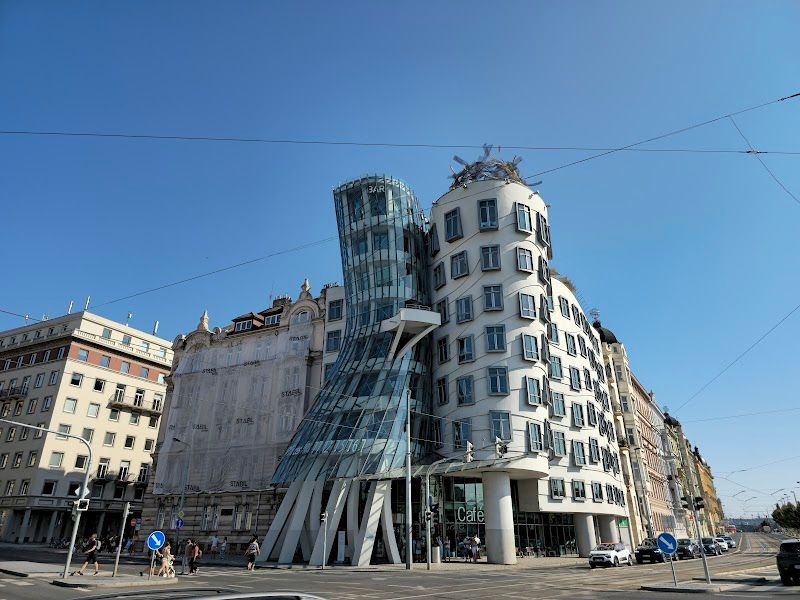
Prague is the city that survived the 20th century almost untouched. While most Central European capitals were bombed flat in WWII, Prague came through with its Gothic, Renaissance, Baroque, and Art Nouveau architecture intact. The result is a city centre that looks like a film set, and it is: Prague doubles for cities across Europe in movies precisely because it still has everything.
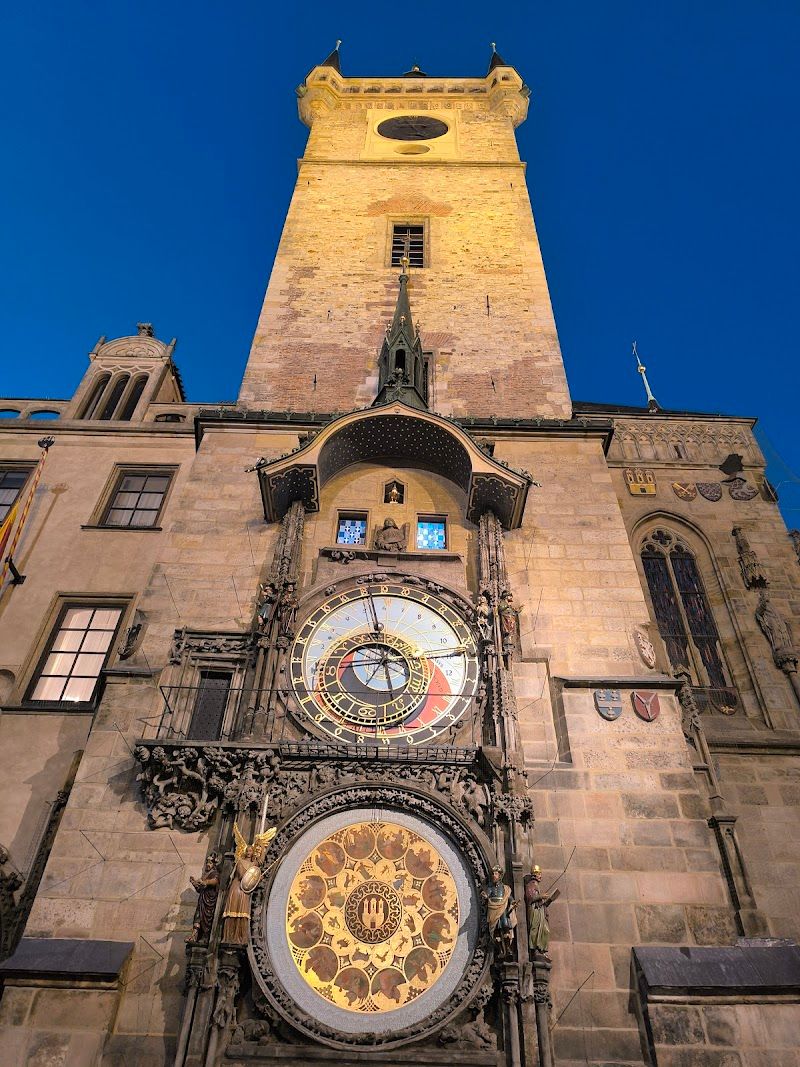
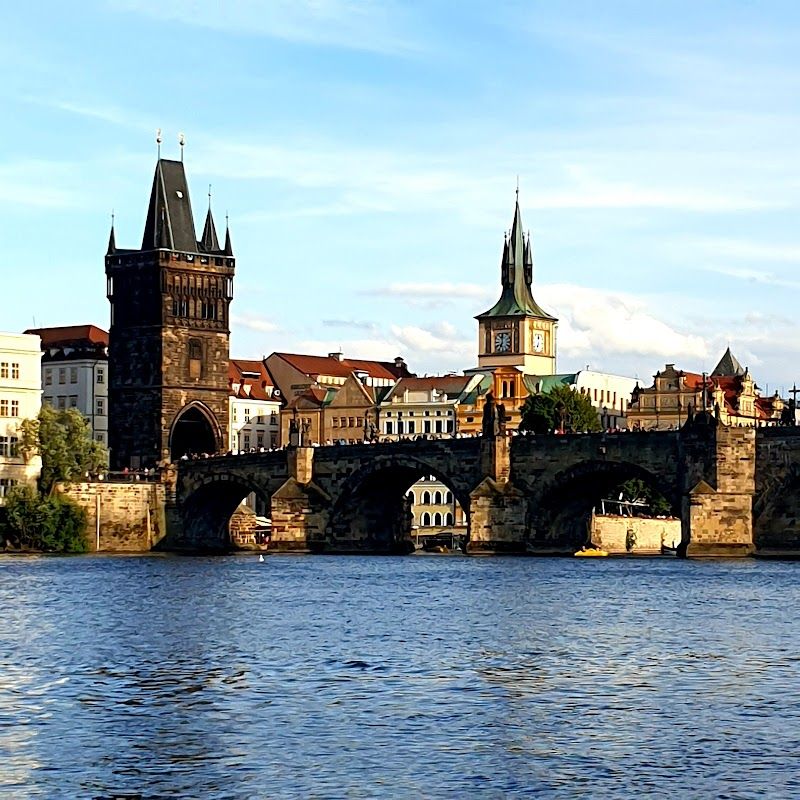
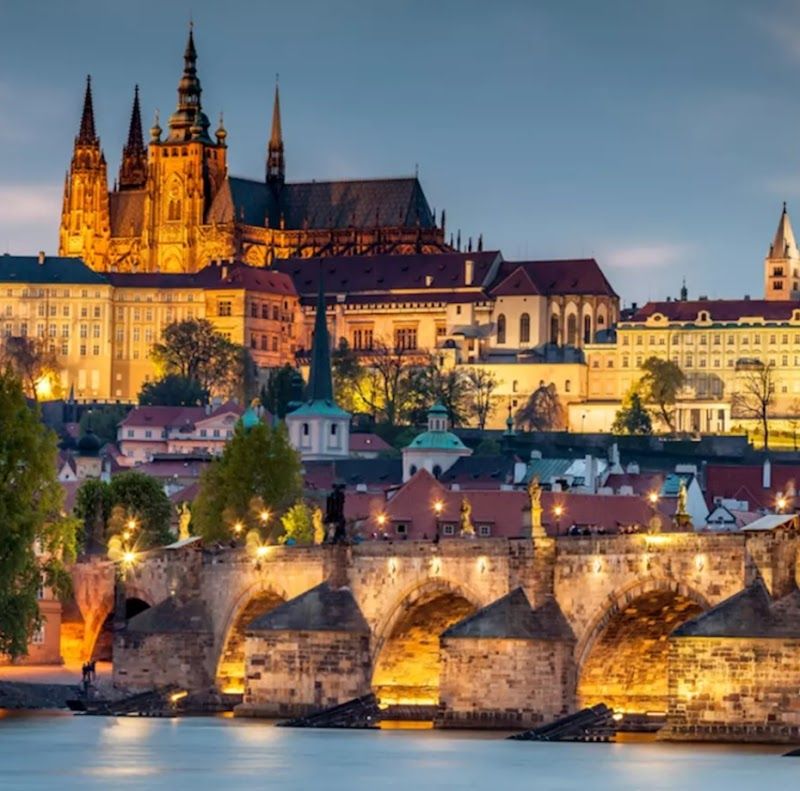
The Charles Bridge is the headline, and it earns it. Thirty Baroque statues line a 14th-century stone bridge connecting the Old Town to Mala Strana, with Prague Castle looming above. But the bridge is also a lesson in timing: at sunrise you might share it with a dozen people, by 10 AM there are thousands. This timing principle applies to most of Prague. The Old Town Square, the Astronomical Clock, the Castle, the Jewish Quarter, all of them reward early mornings or late afternoons.
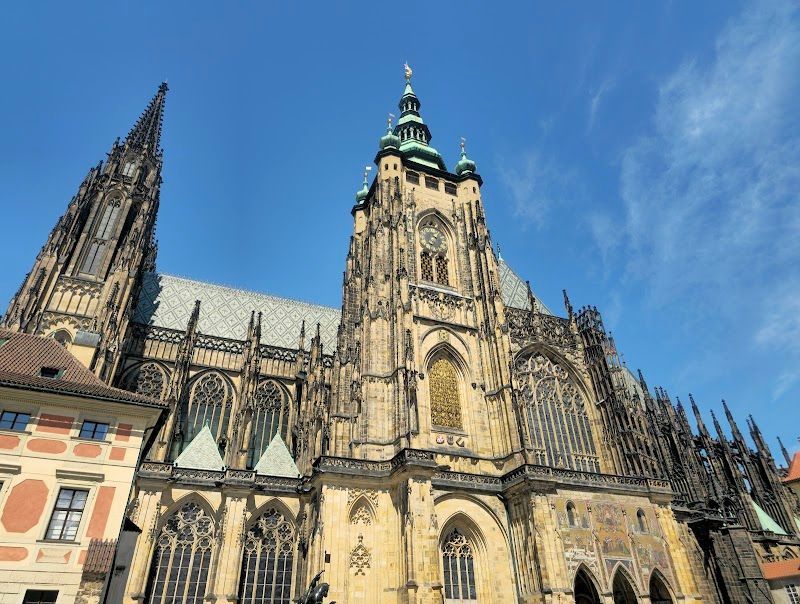
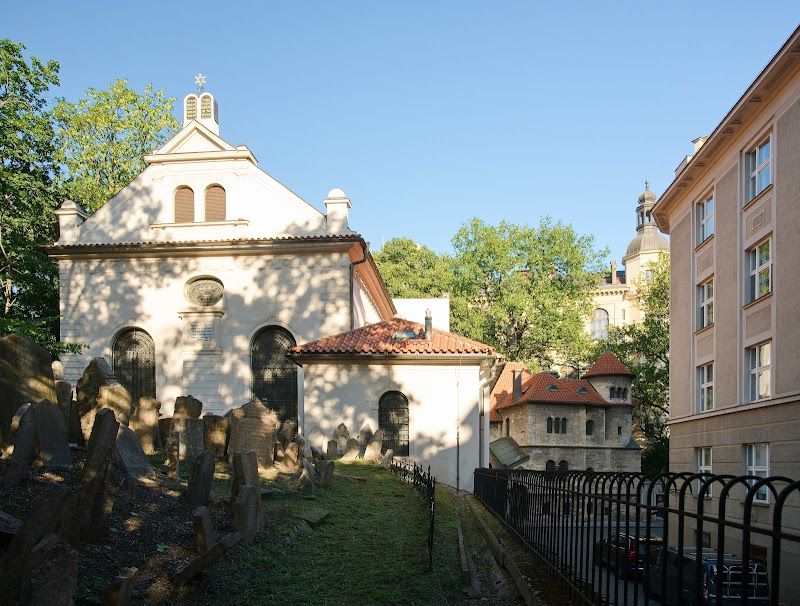
Prague Castle is not a single building but an entire complex: St. Vitus Cathedral (free to enter the nave, CZK 250 for the full circuit), the Old Royal Palace, Golden Lane, and gardens that take half a day to explore properly. The Jewish Quarter (Josefov) tells a darker story: six synagogues and the Old Jewish Cemetery preserved because the Nazis intended them as a "museum of an extinct race." The combined ticket (CZK 500) is the most emotionally heavy experience in Prague.
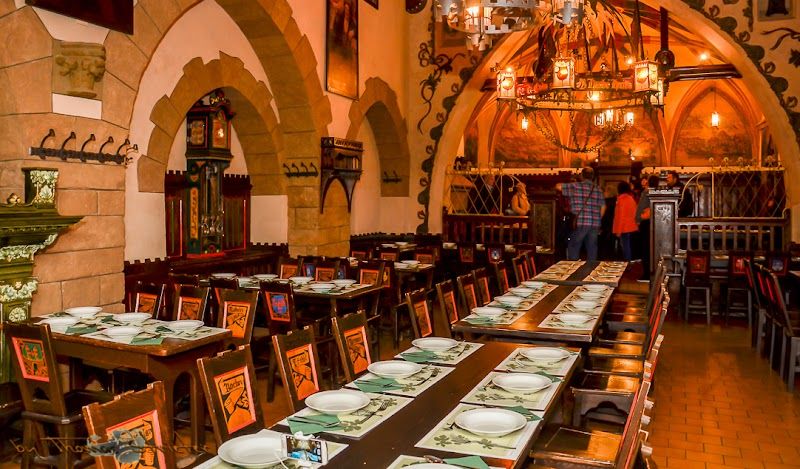
The food is heavier than you expect: svickova (marinated beef with cream sauce and dumplings), trdelnik (the chimney cake tourists love but locals never eat), and koleno (roasted pork knee that feeds two). The beer is extraordinary and extraordinarily cheap: CZK 50-70 for a half-litre of Pilsner Urquell, Staropramen, or Kozel at a proper beer hall. Prague has more Michelin-starred restaurants than you would expect, and the cocktail bar scene has exploded in the last five years.
Beyond the tourist core, neighbourhoods like Vinohrady (Art Nouveau facades, brunch culture, wine bars), Zizkov (the TV Tower, dive bars, the most pubs per capita in Prague), Holesovice (galleries, DOX Centre, converted industrial spaces), and Karlin (post-flood renewal, the best new restaurants) are where Prague feels like a living city rather than an open-air museum.
Pick your base
Stay in Prague
Real-time pricing across hotels, apartments, and ryokans. Book direct from the map.
Things to do in Prague
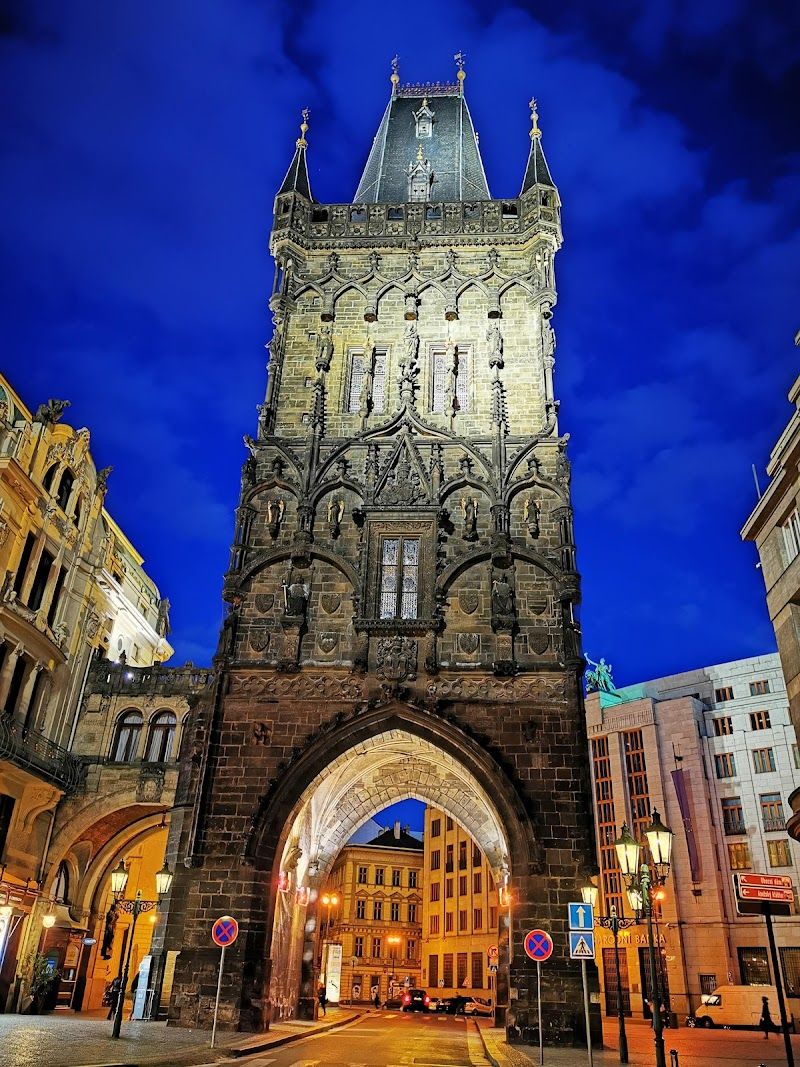
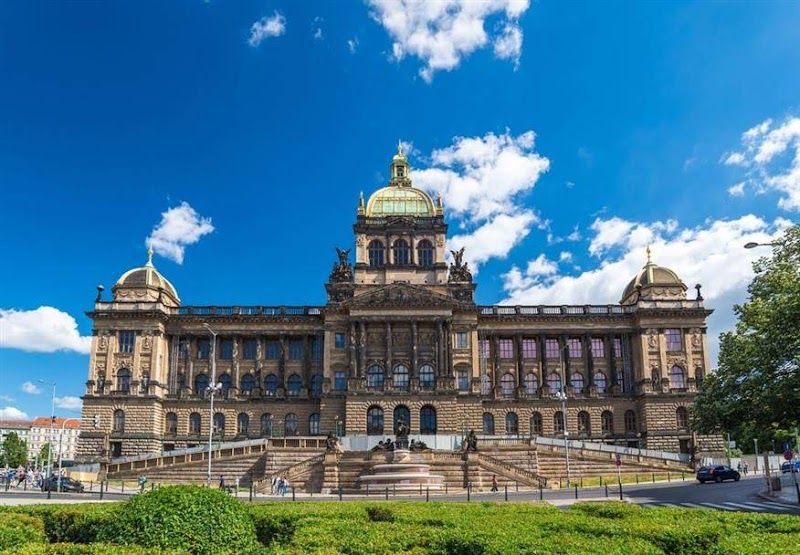
Experiences worth booking ahead
Vetted tours and tickets we'd send a friend to. The ones worth reserving before you arrive.
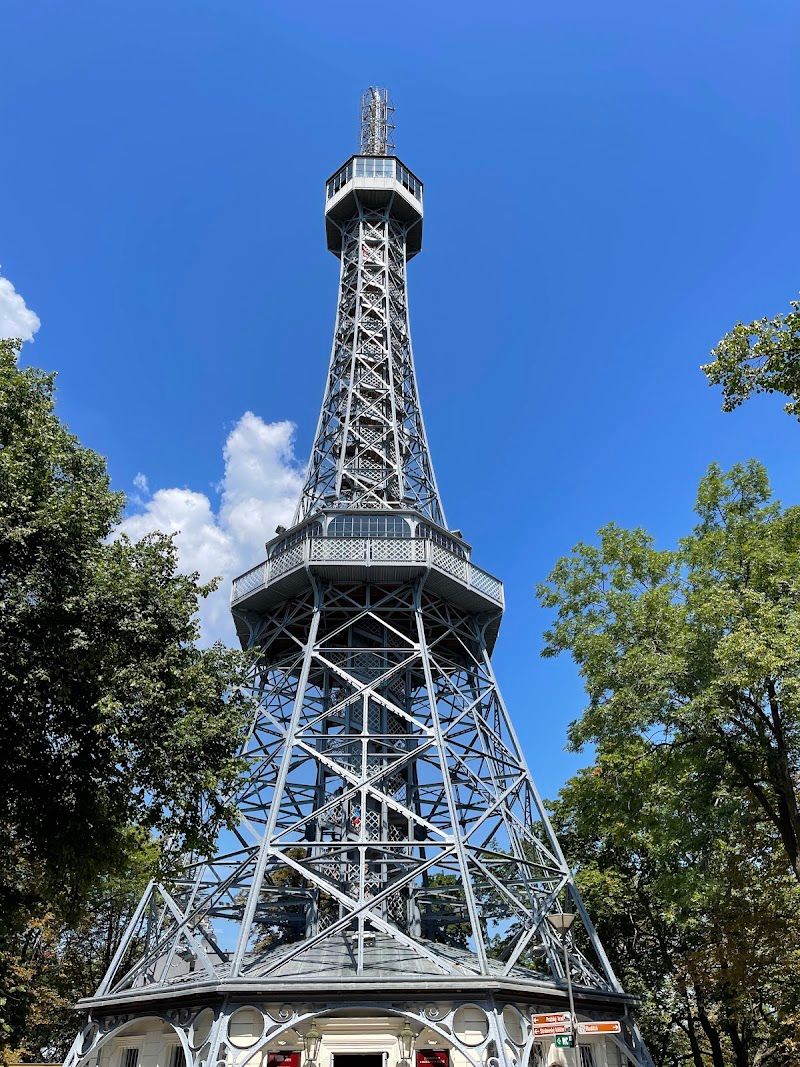
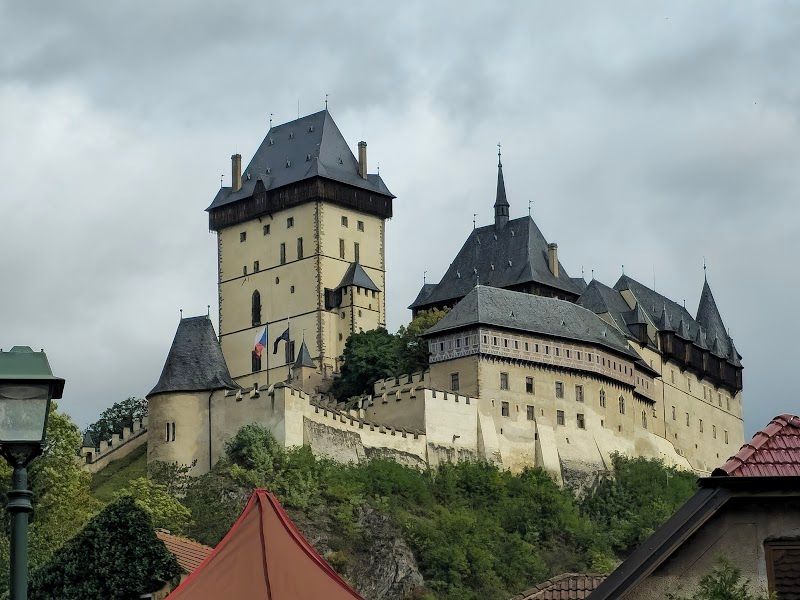
Travel guides



From the blog
Practical bits, answered
Most travelers find 4-5 days ideal to explore the main neighborhoods, museums, and dining scenes without feeling rushed. A long weekend works for a focused visit, while a week allows for day trips and deeper neighborhood exploration.
Le Marais offers the best balance of central location, walkability, dining, and nightlife. Saint-Germain-des-Pres suits those seeking a quieter, more literary atmosphere. For first-time visitors who want proximity to major landmarks, the 7th Arrondissement near the Eiffel Tower is convenient.
Generally very safe for tourists. Standard big-city precautions apply: watch for pickpockets in crowded metro stations and tourist areas, keep valuables secure, and stay aware of your surroundings at night. Avoid leaving bags unattended at cafe terraces.
April through June and September through October offer the best weather, fewer crowds than peak summer, and pleasant temperatures for walking. July and August are hot and busy but have the longest days. Winter is cold but offers lower prices and shorter museum queues.
The metro is fast, cheap, and covers the entire city - stations are never more than 500 meters apart. Buy a Navigo Easy card and load t+ tickets. Walking is the best way to discover neighborhoods. Avoid taxis during rush hour; ride-sharing apps work well late at night.
English is widely spoken in tourist areas, hotels, and restaurants. However, starting interactions with "Bonjour" goes a long way - Parisians appreciate the effort. Learn a few basics: "merci", "s'il vous plait", "l'addition" (the bill). Younger staff are typically more comfortable in English.
Let DAIZ plan your Prague days
Tell us how long you've got and what you're into. We'll build a day-by-day plan, with the bookable bits ready to lock in.