Reddit has become one of the more reliable sources for Prague travel advice, mostly because locals and frequent visitors call out bad tips in real time. If you search for a prague itinerary 3 days reddit thread, you'll find thousands of upvotes pointing toward Charles Bridge at sunrise, the castle, Vinohrady for dinner, and a beer at Lokál. Most of that is correct. But Reddit also has consistent blind spots: it underweights Jewish Quarter visits, overcomplicates transport, and almost never mentions timing in enough detail. This article uses the crowd-sourced consensus as a starting point, then corrects where it goes wrong.
Is 3 days in Prague enough? For first-timers covering the main sights without rushing, yes. You won't exhaust the city, but you'll leave feeling like you understood it rather than just photographed it.
What Reddit Gets Right About Prague
The r/travel and r/prague communities have spent years stress-testing common advice, and a few things consistently survive scrutiny.
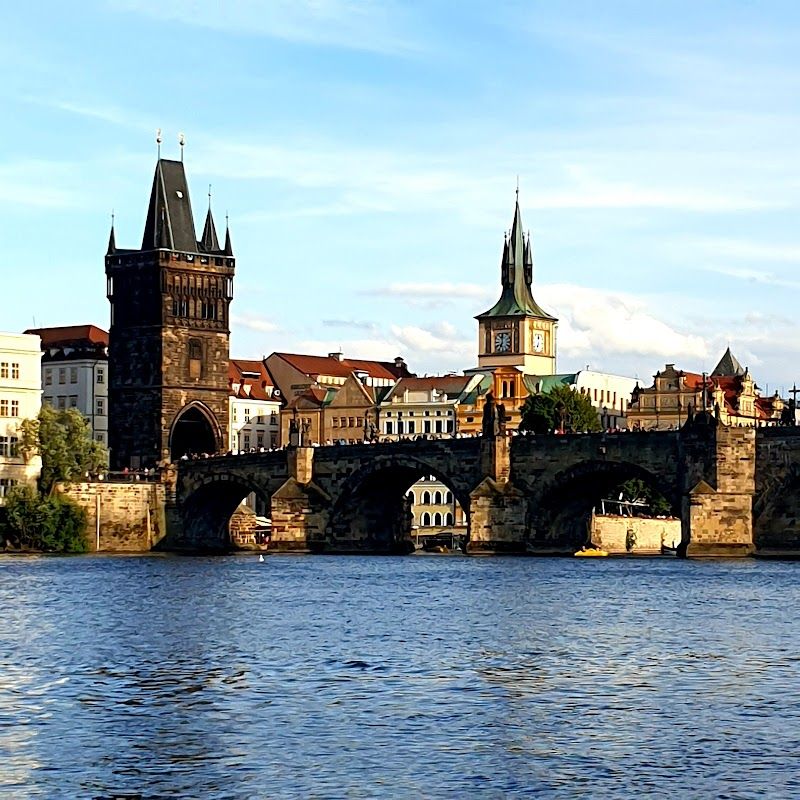
Charles Bridge at sunrise is not a cliché, it's a rule. The bridge is free and open 24 hours. At 6:30 AM in summer, you'll have it to near-yourself. By 10 AM, you're shoulder-to-shoulder with tour groups. The Charles Bridge situation has not improved and will not improve. Go early or accept the crowds.
The 72-hour transport pass is the right call. At CZK 330, it covers metro, trams, and buses for your entire trip. Individual tickets at CZK 32 each add up fast if you're moving between neighborhoods. Prague's tram network is genuinely good and most of the city is walkable from tram stops.
Eating outside Staré Město saves real money. A traditional goulash with bread runs CZK 180-320 in the right places. In the Old Town Square radius, that same dish costs double and is half as good. Reddit is correct to push people toward Vinohrady, Žižkov, and Karlín for meals.
The Prague Card is worth doing the math on. At CZK 1,850 for 72 hours, it covers 50+ attractions plus transport. If you're hitting Prague Castle (CZK 250), the Jewish Quarter synagogue circuit (CZK 350), the National Museum (CZK 280), and a few smaller museums, the math works in your favor.
What Reddit Gets Wrong
Here's where the crowd-sourced consensus breaks down.
The Josefov Underestimation Problem
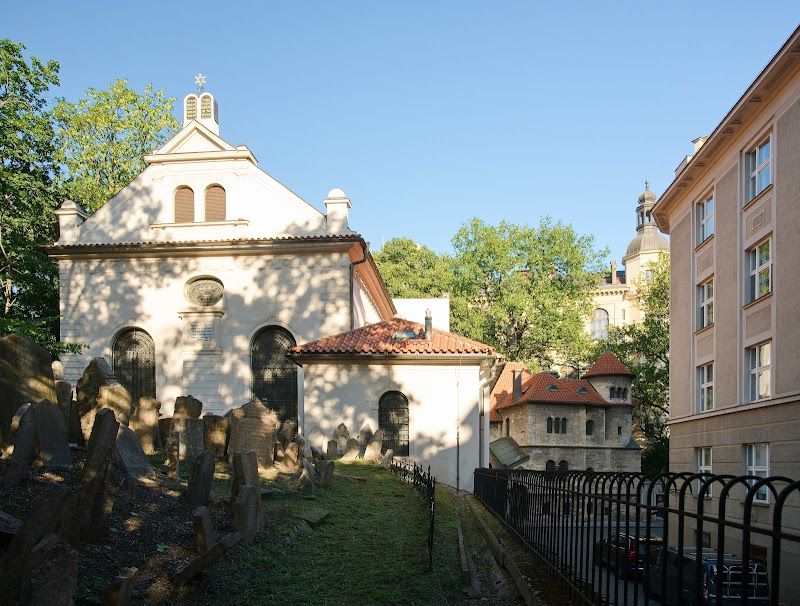
A surprising number of Reddit threads treat Josefov as optional. It isn't. The Jewish Quarter Walking Tour Prague and the synagogue circuit are the most emotionally significant things you can do in the city. The Spanish Synagogue alone, with its Moorish interior and 19th-century grandeur, is worth the CZK 350 entrance fee. The Old Jewish Cemetery, where graves are stacked 12 layers deep due to space constraints, puts the entire neighbourhood in context. Skipping it because it's touristy is a mistake.
Overstating How Long the Castle Takes
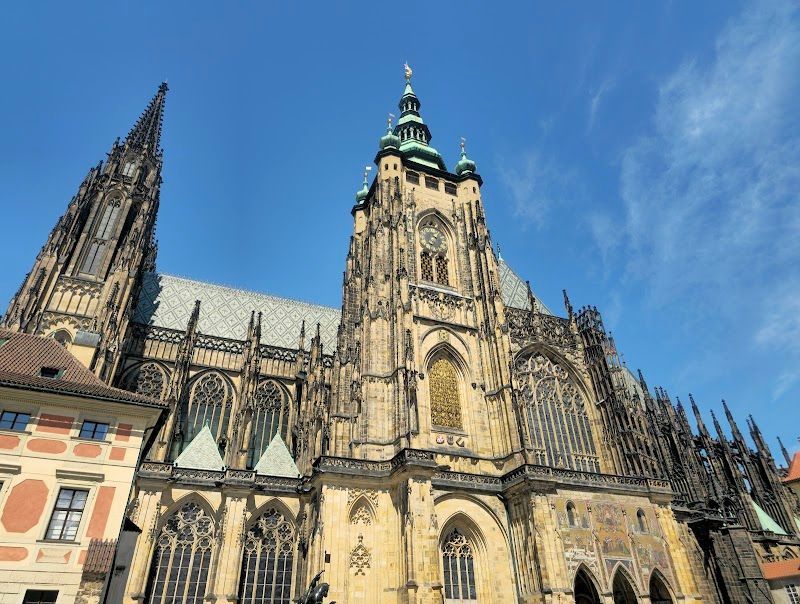
Reddit threads routinely block out a full day for Prague Castle. In practice, a focused visit to the castle complex, including St. Vitus Cathedral and the Old Royal Palace, takes 2-3 hours. The basic entry ticket is CZK 250. You do not need a full day. Pair the castle with Malá Strana in the afternoon and you've made excellent use of your time.
Ignoring Žižkov and Karlín Entirely
Most 3-day Reddit itineraries don't get east of Nové Město. That's a shame. The Žižkov Television Tower is genuinely one of the more arresting structures in Central Europe, and Žižkov itself has a pub density and working-class energy that central Prague has long since priced out. Karlín is Prague's most coherently rebuilt neighbourhood and has excellent coffee and restaurants around Karlínské náměstí.
The 3-Day Prague Itinerary That Actually Works
Day 1: Old Town, Josefov, and a Real Czech Dinner
Start at Old Town Square and the Astronomical Clock before 9 AM. The clock itself runs hourly shows from 9 AM to 11 PM, and viewing is free. Climbing the Old Town Hall tower costs CZK 150 and gives you a clear view of the square layout before it fills up. Spend an hour here.
From there, walk north into Josefov. Buy tickets for the synagogue circuit (CZK 350) and allow two hours minimum. The Maisel Synagogue, Pinkas Synagogue (with its haunting inscribed names of Holocaust victims), the Old Jewish Cemetery, the Ceremonial Hall, and the Spanish Synagogue are all included. This is not a rush job.
Lunch at Café Imperial on Na Příkopě. The Art Nouveau ceramic tiling alone justifies the stop. A mid-range lunch here runs CZK 400-800 with a drink. It's in the tourist zone price-wise, but the room earns it.
Afternoon: walk to Klementinum for one of the best Baroque library interiors in Europe. Then down to the river and across to Malá Strana, ending at Café Savoy on Vítězná for afternoon coffee. The Savoy's Habsburg-era interior and serious pastry selection make it the correct choice for this slot.
Dinner in Vinohrady. Tram 22 from Malá Strana or a short metro ride on line A to Náměstí Míru. The neighbourhood has good Czech and international restaurants at honest prices, and a Pilsner (0.5L) runs CZK 55-80 rather than the CZK 90-120 you'd pay near Old Town Square.
For a full breakdown of where to eat by area, see our neighbourhood food guide.
Day 2: Castle District, Malá Strana, and Petřín Hill
Wake up early again. Walk Charles Bridge by 7 AM - this is your window. Thirty Baroque statues, a 14th-century stone surface, Prague Castle above. At this hour it's genuinely atmospheric rather than an obstacle course.
Cross into Malá Strana, the quarter between the bridge and the castle hill. The Church of St. Nicholas on Malostranské náměstí is one of the finest Baroque interiors in Central Europe. Entry is around CZK 100.
Climb to Hradčany and spend the mid-morning at Prague Castle. The CZK 250 basic ticket covers St. Vitus Cathedral (the stained glass and the Wenceslas Chapel are the two things not to rush past) and the Old Royal Palace. Budget two hours. Then walk through the castle gardens toward Loreta, a pilgrimage church complex that most visitors skip but shouldn't. It takes 45 minutes and offers a quieter counterpoint to the cathedral crowds.
Afternoon: take the funicular up Petřín Hill. The Petřín Lookout Tower costs CZK 150. The view over the city's red rooftops from here is better than the castle views because you're looking at the castle rather than from it. Descend on foot through the orchards and back into Malá Strana.
Dinner at Lokál Dlouhááá on Dlouhá street in Staré Město. This is the Reddit recommendation that holds up without qualification. Unfiltered Pilsner Urquell, proper svíčková (beef in cream sauce with bread dumplings), reasonable prices. A full meal with two beers lands around CZK 500-600. Arrive before 7 PM or wait for a table.
Day 3: Nové Město, Žižkov, and a Slower Pace
Day three is where most itineraries run out of ideas. Don't let it happen.
Start at Café Slavia on Smetanovo nábřeží, a literary café overlooking the Vltava that has been operating since 1884. Coffee runs CZK 80-120. Sit by the window.
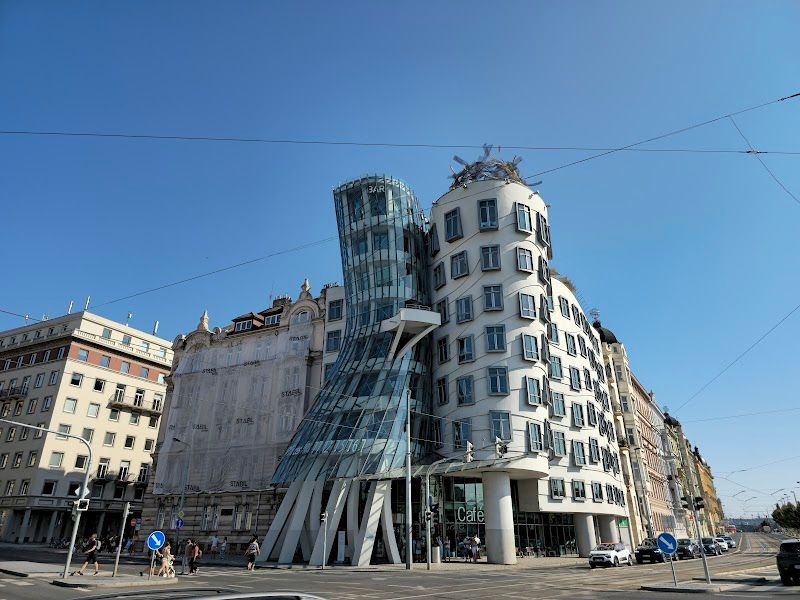
Walk south along the river to the Dancing House on Rašínovo nábřeží. Frank Gehry and Vlado Milunič's deconstructivist building from 1996 is a useful anchor for understanding how Prague has handled modernity, which is: carefully, occasionally brilliantly. There's a rooftop bar. Continue to Wenceslas Square, which is free to walk and contains the National Museum at its top end (CZK 280, recently renovated, genuinely worth a hour).
For more on how Prague's architectural layers fit together, the Prague architecture guide covers Gothic through Cubist in one read.
Afternoon: tram or metro to Žižkov. The Television Tower is CZK 250-300 and you get the city from an angle no castle viewpoint provides, because you're looking west across the entire historic centre. Then walk down into Žižkov's pub streets. A half-litre of Czech lager in this neighbourhood runs CZK 45-60.
If you have energy, continue into Karlín. The area around Karlínské náměstí has excellent coffee shops and the cultural venue Kasárna Karlín in a converted barracks complex often has evening events.
Prague 3-Day Budget Breakdown
| Item | Low (CZK) | Mid (CZK) |
|---|---|---|
| 72-hour transport pass | 330 | 330 |
| Prague Castle (basic ticket) | 250 | 250 |
| Jewish Quarter synagogue circuit | 350 | 350 |
| National Museum | 280 | 280 |
| Petřín Tower | 150 | 150 |
| Meals (3 days, 3 meals/day) | 3,600 | 6,300 |
| Beer and coffee | 800 | 1,500 |
| Misc (Klementinum, church entries) | 200 | 300 |
| Total | ~5,960 | ~9,460 |
Prague remains one of the best-value cities in Central Europe for travellers coming from Western Europe or North America. For more detail on where the money goes, our budget travel guide breaks costs down by category.
Practical Notes That Reddit Buries in Comment Threads
The airport: The Airport Express bus to the main train station costs CZK 60 and takes 35-45 minutes. A licensed taxi runs CZK 600-900. Avoid anyone approaching you in the arrivals hall.
Beer pricing: A 0.5L Pilsner ranges from CZK 55 in a Žižkov pub to CZK 120 in a tourist-facing bar on Old Town Square. Geography is the only variable. Our beer guide has the specifics.
The Astronomical Clock: The hourly show is genuinely underwhelming as a spectacle but watching it from the square is still worth doing once. The appeal is the 15th-century mechanism still functioning, not the performance.
Sunday openings: Most of Prague's museums and attractions are open Sundays. Monday is the problem, with several major museums closed. Plan accordingly.
Language: Czech is difficult and locals know it. Basic greetings help ("Dobrý den" for hello, "díky" for thanks) but English is widely spoken in central Prague.
Day trips: If you have a fourth day, Karlštejn Castle and Kutná Hora are both under 90 minutes from the city. See the full day trips guide for transport and booking details.
The Honest Verdict on 3 Days
Three days in Prague is not a compromise. It's close to the optimal length for a first visit. The city centre is compact, the transport is functional, and the concentration of genuinely significant architecture and history within walking distance is among the highest of any European capital. You will not see everything. You will, if you follow a structured plan rather than improvising, leave with a coherent sense of what Prague actually is.
The Reddit advice, on balance, is better than most things you'll read in a printed guidebook from 2022. The timing tips are accurate. The restaurant recommendations in the comments (as opposed to the top-level posts) are often local and reliable. The main failure mode is over-indexing on vibes and under-specifying logistics. This itinerary tries to correct that.
For more on planning your full trip, the DAIZ Prague destination page has neighbourhood guides, activity listings, and practical planning tools.