April is when Seville stops being a city and starts being a performance. The orange blossom hits you at street level, the temperature sits at a manageable 20-25°C, and the entire calendar fills with two of the most theatrical events in Europe: Semana Santa and Feria de Abril. If you're planning Seville in April with kids, you are either going to have the trip of their childhood or a logistical nightmare, depending entirely on preparation. This guide is about the former.
The short version: April is genuinely one of the best months to bring children to Seville. The heat hasn't turned punishing yet, the parks are green, and the big festivals, handled correctly, are memorable rather than overwhelming. But the city fills up fast, prices spike, and if you're in town during Feria week without a plan, you will spend a lot of time confused and on the wrong side of a fence.
What Seville's April Weather Actually Means for Families
Expect daytime highs of 20-26°C through most of April, with nights dropping to around 12-15°C. Occasional rain in early April is possible, but most days are clear. This is the window between Seville's pleasant spring and its brutal summer, and it matters enormously when you're travelling with children.
By June, the city regularly hits 40°C and the entire afternoon shuts down. In April, you don't face that. You can walk Parque de María Luisa at 3 PM without anyone melting. You can cross the Plaza de España after lunch and actually enjoy it. That flexibility is the core argument for April over any summer month when travelling with young children.
That said, pack a light layer for evenings, sunscreen for midday, and comfortable walking shoes for everyone. The old city is almost entirely paved stone, and a tired five-year-old on cobblestones at 6 PM is nobody's idea of a good time.
The Festival Calendar: Know What You're Getting Into
Two events dominate April and you need to understand both before you book anything.
Semana Santa (Holy Week) falls in the week before Easter, which in 2026 runs from April 5-12. It is not a children's festival in the modern sense - it is a deeply serious Catholic procession where enormous floats carrying religious figures are carried through narrow streets by hundreds of penitentes wearing pointed hoods, accompanied by brass bands playing funeral marches. It is genuinely unlike anything else in Europe. Older children (10+) tend to find it fascinating. Younger children may find the crowds, the noise, and the 2-AM processions difficult. Hotels during Semana Santa charge two to three times normal rates and book out months in advance.
Feria de Abril follows about two weeks after Easter, running approximately April 22-27 in 2026 (confirm exact dates closer to travel as they shift annually). This is a different animal entirely. The Real de la Feria, a fairground in the Los Remedios district, fills with casetas, horses, flamenco dresses, and families eating and dancing until dawn. For children, the rides, lights, and spectacle of thousands of people in traditional dress is genuinely magical - but most casetas are private, you need an invitation to enter them, and the public casetas get crowded fast. More on navigating this below.
If you want to avoid the chaos, book around both events. Early April (April 1-4) or late April (post-Feria, from April 28) are quieter and cheaper while keeping the good weather.
Seville with Kids in April: The Monuments That Are Actually Worth It
Not everything in Seville's monument list is child-friendly. Here's an honest breakdown.
The Alcázar: Book in Advance, Go Early
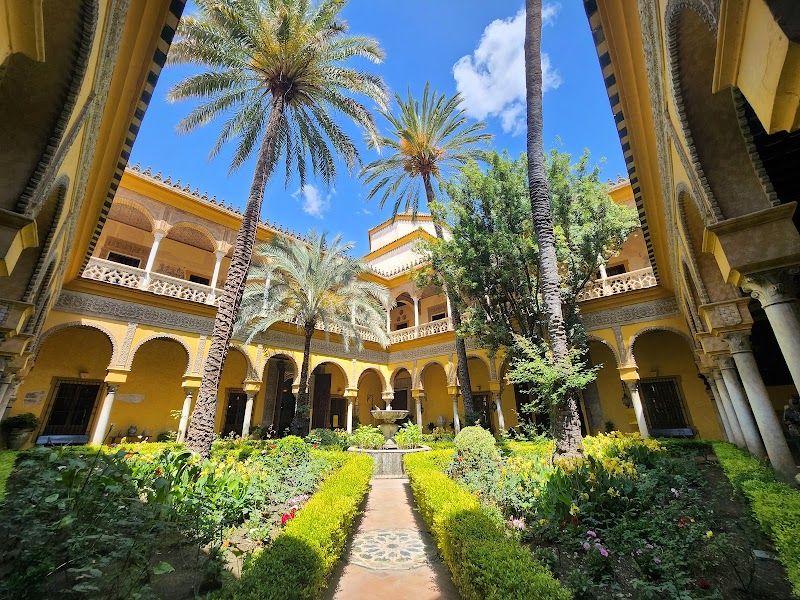
The Real Alcázar is the single best monument in Seville for children. Entry is EUR 13.50 for adults (free for children under 16), and the gardens alone justify the visit. Kids can run between the fountains, spot the turtles in the ponds, and generally have more freedom than most formal attractions allow. The palace rooms are genuinely spectacular - Game of Thrones was filmed here, which is a surprisingly effective hook for children over eight.
Book online at least two weeks ahead. April is peak season and walk-up entry is unreliable. Morning slots (9 AM or 10 AM) are cooler and less crowded. Budget two hours minimum.
The Cathedral: Selective Engagement
At EUR 12 per adult, the Seville Cathedral and Giralda Tower is worth doing, but strategy matters with children. The cathedral interior is large, dark, and solemn - younger children lose interest quickly. The real payoff is the Giralda tower, which you climb via a series of ramps rather than stairs (designed so the bishop could ride a horse to the top, which is a fact that reliably impresses children). The view from the top over the Santa Cruz roofline is excellent. Focus your energy here rather than spending an hour examining every side chapel.
Plaza de España: Free, Photogenic, and Genuinely Fun
Plaza de España is free to enter and one of the most child-friendly sites in the city. The semicircular square in María Luisa was built for the 1929 Ibero-American Exposition and features a canal where you can rent rowboats (around EUR 6 per person for 35 minutes - bring cash), tiled alcoves representing every Spanish province, and enough open space for children to move around freely. Spend an hour here in the morning, then continue into Parque de María Luisa next door.
Metropol Parasol: Worth the Elevator Fee
Located in the Centro, the Metropol Parasol (Las Setas) charges EUR 5 for the elevator to the rooftop walkway. The structure looks strange enough to hold children's attention just on its own terms, and the walkway gives a good elevated view over the city without requiring the stamina of a bell tower climb. The archaeological ruins in the basement are free and genuinely interesting - Roman mosaics discovered during construction, displayed in situ.
Navigating Seville Feria with Kids
Feria with children requires different tactics than Feria as an adult. The event runs from midnight Monday to Sunday, which means the main energy happens long after any sensible child's bedtime. But the afternoons are family-oriented and far more accessible.
Go on Tuesday, Wednesday, or Thursday afternoon, between 6 PM and 10 PM. This is when families with children are most present, the horse parades are still happening, and the atmosphere is festive without being overwhelming. Weekends and the opening night are heavier and harder to navigate with a pushchair or a tired six-year-old.
The rides and amusements in the Feria are clustered in the eastern section of the Real de la Feria. Expect to pay around EUR 2-5 per ride. The light display at night, when the entire fairground is illuminated, is worth staying for even with younger children - the Portada (entrance gate) is redesigned each year and photographed constantly for good reason.
Dress code matters even for kids. Traditional Sevillano families dress their children in trajes de flamenca and trajes cortos (the short riding jackets). You are not expected to do the same as a visitor, but turning up in sportswear to the nicer casetas will get you politely ignored. Smart-casual is fine.
Food at the Feria is unremarkable and overpriced. Eat beforehand at a proper restaurant in Triana or El Arenal, then have a churro or two at the fairground. Our Seville food guide covers where to eat before you head out to the fairground.
Where to Eat in Seville with Kids
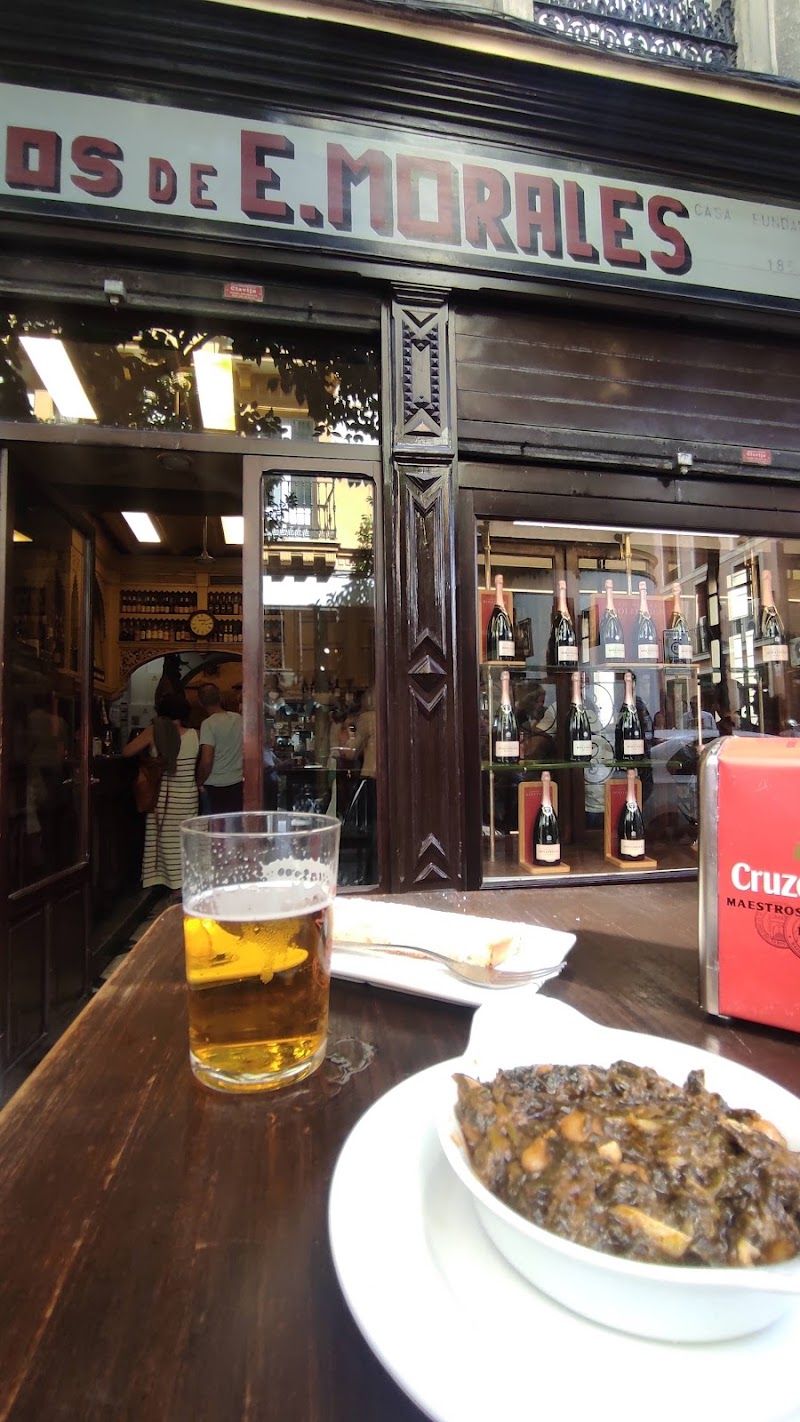
Seville is an easier food city for families than Barcelona or Madrid. Meals happen later than northern Europe (lunch from 2 PM, dinner from 9 PM), but restaurants are genuinely welcoming to children, and the tapas format means picky eaters can usually find something on the table that works.
| Meal | Venue | Area | Cost |
|---|---|---|---|
| Breakfast | Any neighbourhood café | Throughout | EUR 2.50-5 per person |
| Lunch tapas | Bar Las Teresas, Calle Santa Teresa | Santa Cruz | EUR 3-8 per tapa |
| Market lunch | Mercado de Triana | Triana | EUR 8-15 per person |
| Dinner | Taberna Coloniales | El Arenal | EUR 25-40 per person |
| Lunch menú del día | Any local restaurant | Throughout | EUR 12-18 per person |
For lunch, the Mercado de Triana is one of the most practical options for families. It's a covered market with food stalls where you can eat standing or sitting, pick different things for different tastes, and not feel like you're holding up a table for ninety minutes. Cross the Triana Bridge (free) from El Arenal and you're there in ten minutes.
The menú del día, available at most sit-down restaurants from 1:30-3:30 PM, gives you a starter, main, dessert, bread, and a drink for EUR 12-18 per person. This is the most economical way to eat a proper meal in Seville, and the portions are large enough that children's dishes are rarely necessary.
For a full breakdown of where and what to eat, the DAIZ Seville food guide covers the detail.
A Workable Two-Day Outline for Families
This isn't a rigid hour-by-hour plan, but a framework that accounts for how children actually behave on holiday.
Day 1: Santa Cruz and the Alcázar
Start at the Alcázar at 9 AM before crowds arrive. Two hours covers the palace and gardens comfortably. From there, walk into Santa Cruz for a slow wander through the lanes - the Jardines de Murillo are at the edge of the barrio and give children somewhere to sit or run. Lunch around 2 PM at a tapas bar near Calle Mateos Gago. Afternoon: Cathedral and Giralda Tower, focusing on the ramp climb. Evening: walk down to the Torre del Oro and riverside for the sunset view over the Guadalquivir. Entry to the Torre del Oro is EUR 3 and takes about 30 minutes.
Day 2: María Luisa, Triana, and Las Setas
Start at Plaza de España at 9:30 AM when it's cool and quieter. Rowboats, tile-spotting, and a walk through Parque de María Luisa to follow. Cross to Triana for a market lunch. The Triana neighbourhood walk is free, and the ceramic shops along Calle Alfarería are more interesting to children than most museums. Evening: head to Metropol Parasol for the rooftop view at dusk (EUR 5 entry), then dinner in the Centro.
For a fuller framework, see our 2-3 day Seville itinerary.
Practical Notes for Families in April
Getting around: The city centre is walkable for most of the Alcázar-Cathedral-Plaza de España circuit. For longer trips (to Triana, to the Feria), TUSSAM buses cost EUR 1.40 per journey. A weekly transit pass is EUR 15.20 and makes financial sense if you're staying five or more days. Pushchairs are manageable on buses but the old town's cobblestones are genuinely difficult on smaller wheels.
Booking ahead: In April, book the Alcázar and Cathedral at least two weeks in advance. Accommodation during Semana Santa needs three to four months of lead time. Outside festival weeks, one to two weeks is usually enough.
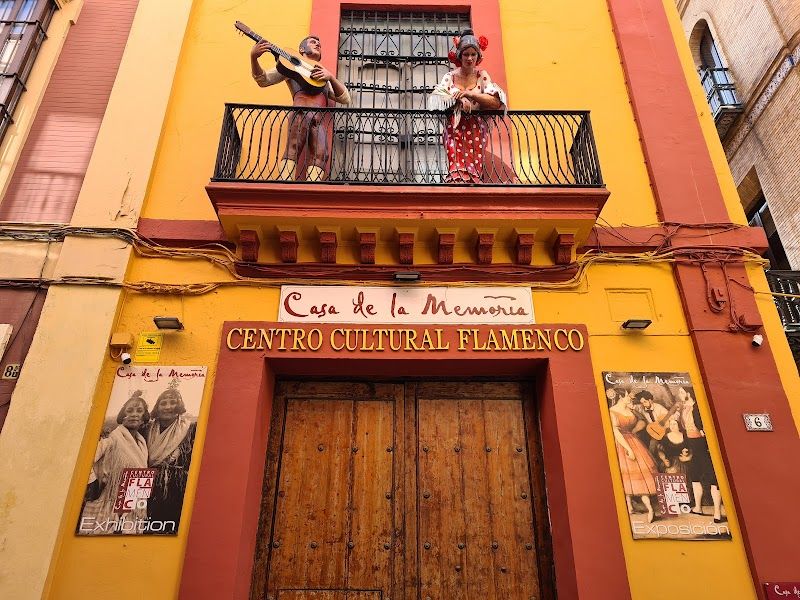
Flamenco for children: The Casa de la Memoria runs shows in a 16th-century patio and is widely regarded as one of the most authentic small-venue shows in the city. Tickets are EUR 18-22 per person. The shows typically start at 7:30 PM and run 75 minutes, which is manageable for children aged eight and above. Younger children may struggle with the length and the intensity, but the format is more contained and less tourist-performance than larger tablaos.
Budget reality check: A family of four in Seville in April, staying in a mid-range hotel (EUR 85-150 per night) and eating a mix of tapas bars and menús del día, should budget around EUR 200-250 per day including attraction entry, transport, and food. During Semana Santa or Feria, hotel costs alone can push that figure significantly higher.
For everything else you need before you arrive, the first-time visitor guide to Seville covers the logistics that don't fit neatly into a festival calendar.