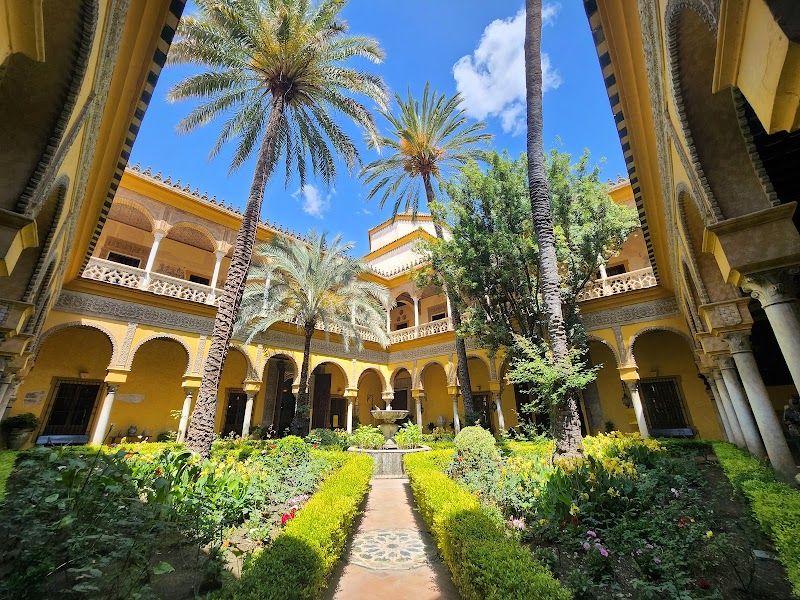
Two days in Seville means making hard choices. You cannot see everything, and you should not try. The city rewards focus over frantic monument-hopping, and anyone who tells you to squeeze the Alcázar, Cathedral, and Plaza de España into one morning clearly has not stood in the EUR 13.50 Alcázar queue at 10 AM in July.
This Seville 2-day itinerary assumes you want to see the major sites without melting, eat real tapas instead of tourist versions, and experience flamenco where locals go. It also assumes you understand that Seville operates on Andalusian time, where lunch starts at 2 PM and dinner begins when other European cities are going to bed.
Day 1: Cathedral District and Santa Cruz
Morning: Start With the Seville Cathedral (9 AM - 11 AM)
Begin your 48 hours in Seville at the Seville Cathedral because morning is the only time you will survive the climb up the Giralda Tower. Buy tickets online to skip the queue, which forms at the door by 9:30 AM. The EUR 12 admission includes both the cathedral and tower access.
The cathedral is genuinely the largest Gothic church in the world, not marketing hyperbole. Columbus's tomb sits in the center, carried by four kings who represent the Spanish kingdoms that funded his voyages. The tomb weighs several tons and has been there since 1899, which says something about Spanish commitment to dramatic gestures.
Climb the Giralda Tower via the ramps, not stairs. The Moors built it as a minaret in the 12th century, and the ramps allowed horses to reach the top. The view from 70 meters up shows why Seville controlled river trade for centuries - the Guadalquivir curves through flat farmland in every direction.
Mid-Morning: Explore Santa Cruz Properly (11 AM - 1 PM)
Exit the cathedral and walk into Santa Cruz, but ignore the tourist map routes. Instead, head down Calle Mateus Gago toward Plaza Santa Cruz, then turn into any narrow street that looks promising. The neighborhood is small enough that you cannot get seriously lost, and the most atmospheric corners are the ones without street signs in three languages.
Stop at Jardines de Murillo on Calle Santa Teresa for 10 minutes of shade and orange trees. The gardens connect to the Alcázar wall and provide the best view of the palace's exterior defensive towers. Local parents bring children here in the evenings, and the playground equipment proves this is a neighborhood, not a museum.
Key Streets in Santa Cruz:
- Calle Agua: The most photographed street, but for good reason
- Plaza de los Venerables: Small square with outdoor cafe tables
- Calle Pimienta: Connects to Plaza de Santa Cruz without crowds
- Calle Lope de Rueda: Lined with orange trees and ceramic tile work
Lunch: Traditional Tapas at El Rinconcillo (1 PM - 3 PM)
Walk 10 minutes north to El Rinconcillo on Calle Gerona, which opened in 1670 and serves the same jamón ibérico and spinach with chickpeas that it has served for 350 years. The bar writes your bill in chalk directly on the wooden bar, and locals stand three deep during peak lunch hours.
Order spinach with chickpeas (EUR 4), jamón ibérico (EUR 8), and tortilla española (EUR 3.5). Drink manzanilla sherry (EUR 2.5), which pairs better with jamón than any wine. The restaurant does not take reservations for the bar area, which is where you want to eat.
Afternoon: Real Alcázar During Siesta Hours (3 PM - 5 PM)
Return to the Real Alcázar with advance tickets purchased online. The EUR 13.50 admission grants access to the palace complex and gardens, and afternoon entry means smaller crowds since most tour groups visit in the morning.
The Alcázar is not one building but several palaces built over 700 years. The Mudéjar Palace, built by Pedro I in the 1360s, contains the most elaborate Islamic tilework and carved plaster ceilings outside Granada's Alhambra. The Catholic Kings' apartments upstairs display tapestries and paintings that Spanish royalty actually used until the 1970s.
Spend equal time in the gardens, which cover 7 hectares and include peacocks, orange groves, and the pavilion that HBO used for the Water Gardens in Game of Thrones. The Galería del Grutesco provides shade and Renaissance tile work, while the English Garden section offers grass lawns where you can sit without anyone stopping you.
Evening: Flamenco at Casa de la Memoria (6 PM - 7 PM)
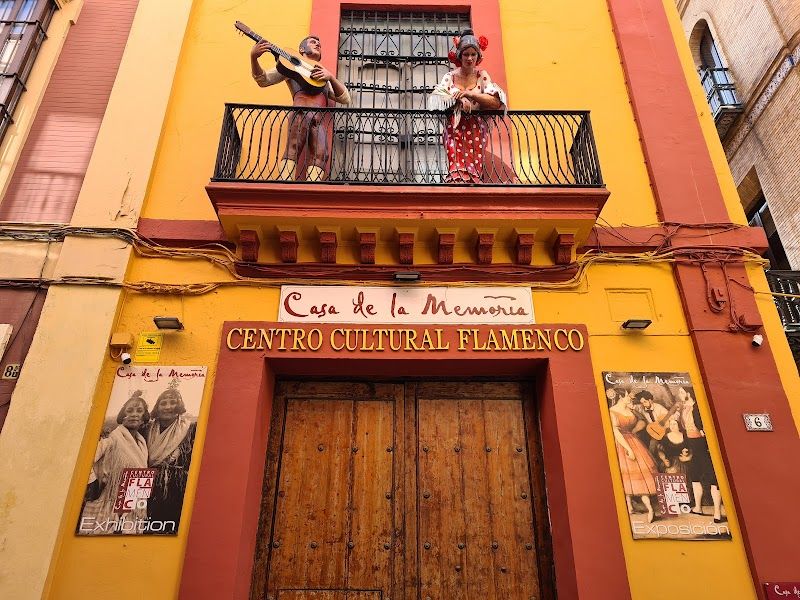
Book the 6 PM show at Casa de la Memoria on Calle Cuna. The EUR 18-22 tickets include a one-hour authentic flamenco performance in a 15th-century courtyard that seats 120 people. This venue attracts local flamenco enthusiasts, not just tourists, and the performers include established artists from Jerez and Seville.
The intimate setting means the dancer performs within arm's reach of the front row, and you can see the concentration required for proper footwork. The guitarist and singer provide accompaniment that sounds nothing like the sanitized flamenco in hotel dinner shows.
Dinner: Neighborhood Tapas in El Arenal (8 PM - 10 PM)
Walk to Casa Morales on Calle García de Vinuesa, a wine bar that has operated since 1850. The interior features original wooden barrels, marble-topped tables, and locals who have been drinking here longer than you have been alive.
Order montadito de pringá (EUR 3.5), which is slow-cooked pork and chorizo on crusty bread, and queso manchego (EUR 6) with membrillo quince paste. Drink fino sherry from Sanlúcar (EUR 2.5) and watch the barman pour from barrels that tower above his head.
Day 2: Triana, Plaza de España, and Modern Seville
Morning: Cross to Triana District (9 AM - 12 PM)
Walk across the Isabel II Bridge to Triana, the neighborhood that locals consider the authentic soul of Seville. The district sits on the west bank of the Guadalquivir and maintains its own identity separate from the historic center.
Start at Mercado de Triana on Plaza del Altozano, a renovated 19th-century market that operates Tuesday through Saturday until 3 PM. The stalls sell fresh seafood from Cádiz, jamón from Jabugo, and vegetables from the Guadalquivir valley. Bar Las Golondrinas inside the market serves excellent tortilla de camarones (EUR 4) made with tiny shrimp from Sanlúcar de Barrameda.
Walk down Calle Betis along the river for the best views of the cathedral and Giralda Tower from across the water. The street contains ceramic workshops that still produce the azulejo tiles used throughout Andalusia, and several shops allow you to watch artisans hand-painting traditional designs.
Essential Triana Streets:
- Calle San Jacinto: Main commercial street with local shops
- Calle Pureza: Lined with traditional houses and small bars
- Calle Pagés del Corro: Local restaurant strip away from tourists
- Plaza del Altozano: Central square with market and metro station
Late Morning: Plaza de España Architecture (12 PM - 1 PM)
Take the metro from Plaza del Altozano to Puerta Jerez (EUR 1.35) and walk 10 minutes south to Plaza de España. The semicircular complex was built for the 1929 Ibero-American Exposition and demonstrates what happens when Spanish architects receive unlimited budgets and instructions to "make it bigger than anything else."
The plaza measures 200 meters in diameter and features hand-painted ceramic alcoves representing each Spanish province. Find the Seville alcove and the ceramic map that shows the Guadalquivir river's importance to the city's history. The central fountain operates from 10 AM to 6 PM, and the surrounding benches provide necessary shade.
Rent a rowboat on the canal for EUR 8 per half-hour if you want the classic postcard photo, but understand that you will look exactly like every other tourist who has visited since 1929.
Lunch: Modern Tapas at Eslava (1 PM - 3 PM)
Walk 15 minutes north to Eslava on Calle Eslava, where chef Kiko García serves updated versions of Andalusian classics. The restaurant opened in 2004 and receives reservations from local food professionals, which indicates serious cooking beyond the tourist-friendly location.
Order egg with foie and Pedro Ximénez reduction (EUR 12), cod with pisto and black olive powder (EUR 14), and oxtail croquettes (EUR 8). The portions are larger than traditional tapas, and two people need 4-5 dishes plus bread. Drink Barbadillo manzanilla (EUR 3) or local Tempranillo (EUR 4 per glass).
Reservations are essential for dinner service, but lunch accepts walk-ins if you arrive before 2:30 PM.
Afternoon: Las Setas and Centro District (3 PM - 5 PM)
Walk to Metropol Parasol on Plaza de la Encarnación, known locally as Las Setas (The Mushrooms). The wooden structure opened in 2011 and provides the city's only modern architectural landmark worth visiting.
Pay EUR 5 for elevator access to the viewing platform 28 meters above street level. The walkway offers 360-degree views of Seville's rooftops and allows you to see the city's layout: the medieval center, the Guadalquivir curve, and the modern suburbs that extend toward Córdoba.
The ground level contains the Antiquarium, displaying Roman and Moorish ruins discovered during construction. The EUR 2 admission includes audio guides, and the 30-minute visit provides context for Seville's 2,000 years of continuous habitation.
Walk through the Centro district toward Alameda de Hércules, Seville's bohemian quarter. The tree-lined promenade attracts university students, artists, and locals who cannot afford rent in Santa Cruz. Evening brings outdoor terraces, craft beer bars, and the most diverse crowd in the city.
Late Afternoon: Authentic Flamenco Preparation (5 PM - 7 PM)
If you want to experience flamenco the way locals do, skip the tourist tablaos and head to La Carbonería on Calle Levíes. This bar hosts free flamenco performances Thursday through Sunday starting at 10 PM, performed by students and semi-professional artists who treat the stage as practice space.
Arrive early to claim a table near the small stage area. The atmosphere resembles a university music venue more than a polished tourist show, and the audience includes flamenco students who know when to shout encouragement during guitar solos.
Order salmorejo cordobés (EUR 4), the cold tomato soup that tastes nothing like gazpacho, and berenjenas con miel (EUR 5), fried eggplant with local honey. Drink Cruzcampo beer (EUR 2.5) from the tap, not bottles.
Dinner: Local Neighborhood in El Arenal (7 PM - 9 PM)
For your final meal, walk to Taberna Coloniales on Calle Cristo de Burgos. This small tapas bar serves traditional recipes without tourist markup or English menus. The owner, Antonio, worked in restaurant kitchens for 20 years before opening his own place in 2018.
The grilled sardines (EUR 6) come from Cádiz and arrive whole, requiring you to remove bones with your fingers like a local. The albondigas en salsa (EUR 7) are meatballs in tomato sauce that Antonio's grandmother taught him to make. Finish with torrijas (EUR 4), Spanish-style French toast served with cinnamon and honey.
The bar serves wine from unmarked bottles that Antonio buys directly from small Jerez producers. Ask for "tinto de la casa" (EUR 2) and expect something that tastes considerably better than its EUR 2 price suggests.
Practical Information for Your Seville Weekend
Transportation and Timing
Getting Around Seville in 2 Days:
- Walking covers most central attractions within 20 minutes
- Metro connects Triana to city center (EUR 1.35 per trip)
- Buses run frequently but walking is usually faster
- Taxis cost EUR 6-10 for cross-city trips
Best Times to Visit Major Sites:
- Cathedral: 9 AM opening to avoid crowds
- Alcázar: 3 PM for smaller tour groups
- Plaza de España: Early morning or late afternoon for photography
- Las Setas: Sunset (around 8 PM in summer) for best city views
Weather and Seasonal Considerations
Seville's climate dictates your itinerary timing more than any guidebook. Summer temperatures regularly exceed 40°C between June and September, making afternoon sightseeing genuinely dangerous. Plan major outdoor attractions for early morning (before 11 AM) or late afternoon (after 6 PM).
Winter visits (December-February) allow full-day sightseeing but require reservations at popular restaurants, as this is peak tourism season. Spring (March-May) and fall (September-November) provide ideal weather but higher accommodation prices.
Monthly Temperature Averages:
- December-February: 8-16°C ( walking)
- March-May: 12-24°C (ideal weather)
- June-August: 20-36°C (plan around heat)
- September-November: 14-26°C (comfortable temperatures)
Budget Breakdown for 48 Hours
Essential Attraction Costs:
- Seville Cathedral: EUR 12
- Real Alcázar: EUR 13.50
- Las Setas viewing platform: EUR 5
- Flamenco at Casa de la Memoria: EUR 18-22
- Total Major Sites: EUR 48.50-52.50
Daily Food Budget:
- Budget approach (local bars and markets): EUR 25-35 per day
- Mid-range dining (mix of tapas and restaurants): EUR 45-65 per day
- Higher-end experiences (Eslava-level restaurants): EUR 70-90 per day
Transportation:
- Walking covers most attractions: Free
- Metro day pass: EUR 4.50
- Taxi airport to center: EUR 22-30
Accommodation Strategy
Stay in Santa Cruz if you want to walk to major monuments within 5 minutes, but expect EUR 120-220 per night for decent hotels and tourist restaurant prices outside your door. El Arenal offers better restaurant options and lower accommodation costs (EUR 85-150 per night) while maintaining walking distance to the cathedral.
Avoid staying near the train station (Santa Justa) unless you plan day trips to Córdoba or Granada. The area requires 30-minute commutes to central attractions and offers nothing of interest within walking distance.
What to Skip in 48 Hours
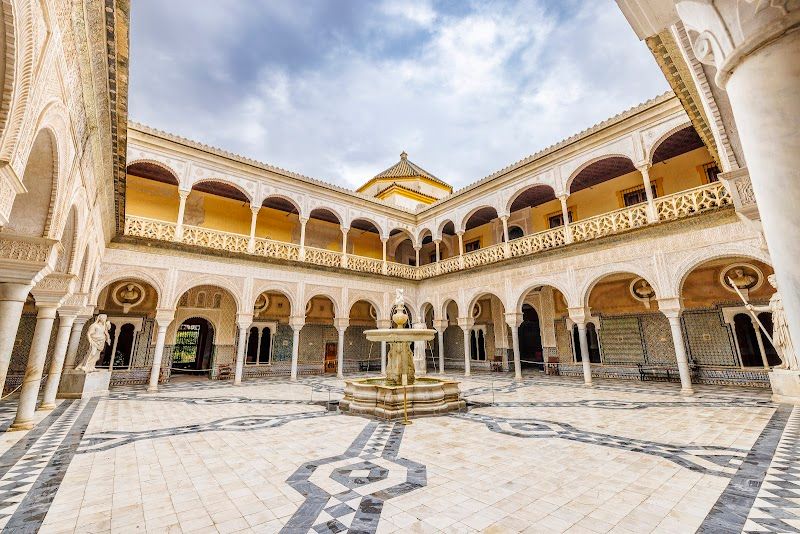
With limited time, eliminate attractions that require significant travel or provide minimal reward. Casa de Pilatos (EUR 10) offers beautiful architecture but adds nothing you will not see better at the Alcázar. The Archaeological Museum (EUR 1.50) contains interesting Roman artifacts but requires 2 hours that could be spent eating or exploring neighborhoods.
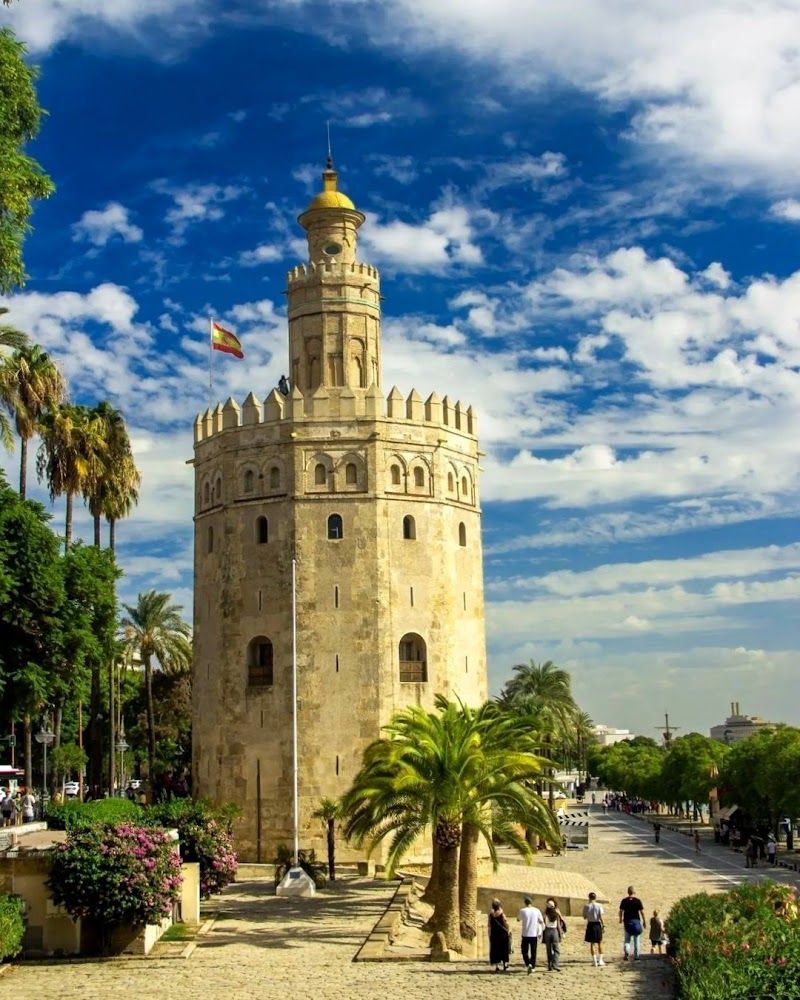
Torre del Oro (EUR 3) provides decent river views but Las Setas offers superior city panoramas. Most guided walking tours cover ground you can explore independently while moving at your own pace.
Essential Spanish Phrases for Seville
Seville restaurants and bars outside the tourist center operate in Spanish, and staff appreciate basic attempts at communication:
- "Una mesa para dos, por favor" (A table for two, please)
- "¿Qué tapas recomiendan?" (What tapas do you recommend?)
- "La cuenta, por favor" (The check, please)
- "¿Dónde está el baño?" (Where is the bathroom?)
- "No hablo español muy bien" (I don't speak Spanish very well)
Learn to recognize "jamón ibérico" (premium ham), "fino" (dry sherry), and "menú del día" (daily set menu, usually EUR 12-18 for multiple courses).
Making the Most of Your Weekend in Seville
Two days in Seville forces you to choose between breadth and depth. This itinerary prioritizes the experiences that define the city: Islamic and Christian architecture that demonstrates 800 years of cultural fusion, tapas culture that extends far beyond tourist-friendly portions, and flamenco that ranges from tourist performance to authentic art form.
The city rewards visitors who understand that Seville operates on Andalusian rhythms, not Northern European efficiency. Lunch begins at 2 PM because that is when locals eat, not because restaurants want to inconvenience tourists. Flamenco performances start at 10 PM because the art form requires darkness and intimate atmosphere, not because venues want to sell more drinks.
Your 48 hours in Seville should balance must-see monuments with spontaneous discoveries. The Cathedral and Alcázar deserve their reputation as essential stops, but the conversation you have with Antonio at Taberna Coloniales over unmarked wine might prove more memorable than any architectural masterpiece.
For additional planning resources, consult our comprehensive 2-3 day Seville itinerary for expanded recommendations, or review our first-time visitor guide for practical arrival and departure information. The local food guide provides additional restaurant recommendations beyond this itinerary's selections.
Seville in 2026 remains what it has always been: a city that takes its time seriously. Your weekend should follow the same principle.