Berlin
History carved into concrete, techno bleeding through warehouse walls, and the best doner kebab outside Istanbul

About Berlin
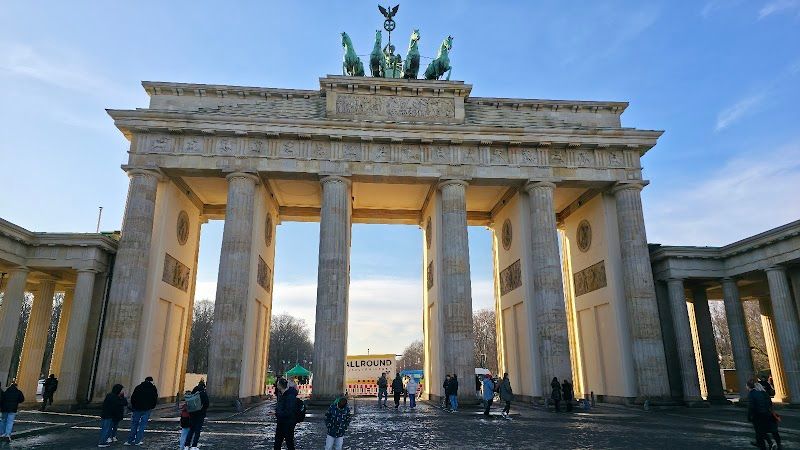
Berlin is a city that refuses to be finished. The Wall came down, the cranes went up, and three decades later the place is still reinventing itself one neighborhood at a time. That restlessness is the point. You can stand at the Brandenburg Gate where Cold War guards once stared each other down, then walk twenty minutes to a Kreuzberg courtyard where someone is running a natural wine bar out of a former squat.
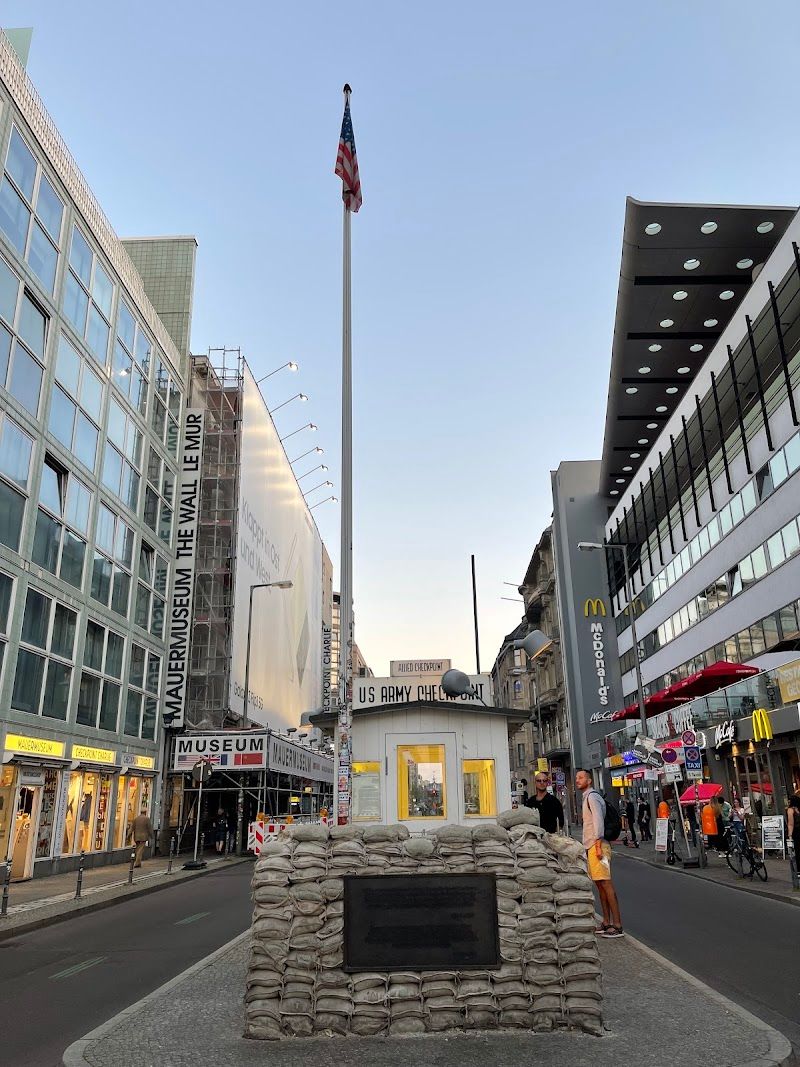
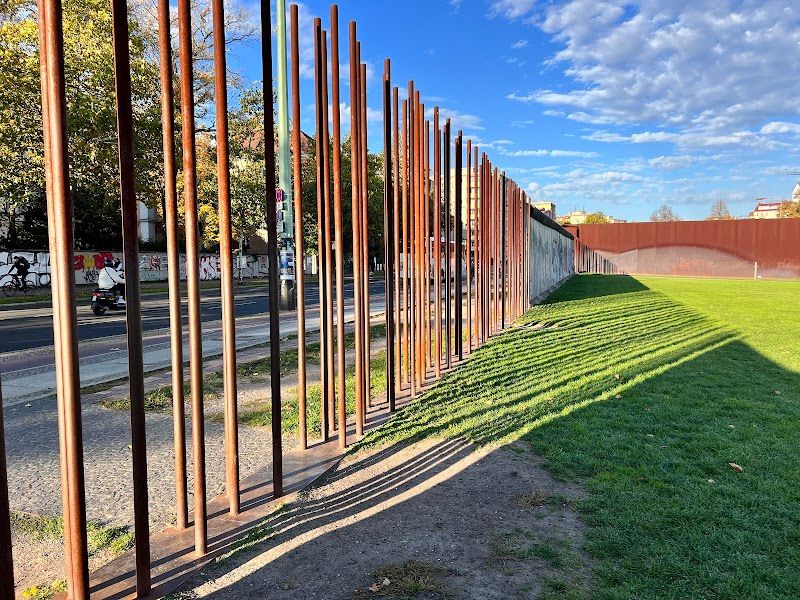
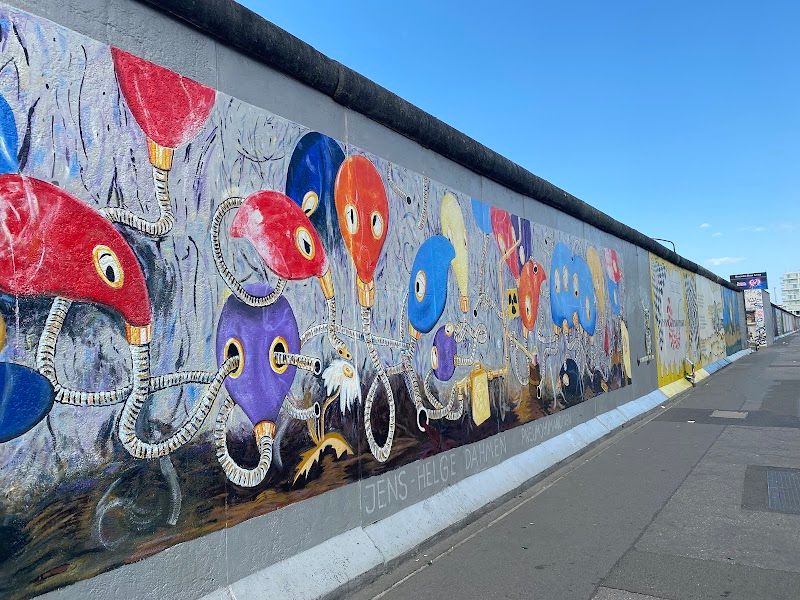
The history here is not behind glass. The East Side Gallery stretches a kilometer of Wall covered in murals that peel and get repainted. Stolpersteine, small brass stones in the sidewalk, mark where Holocaust victims lived before deportation. The Reichstag dome lets you look down on parliament in session, a transparency metaphor the architects meant literally. Checkpoint Charlie is touristy outside, but the Mauermuseum upstairs is worth an hour.
But Berlin is not a memorial. It is a city of 3.7 million people who eat doner kebabs at 3 AM, argue about which Spati has the best beer selection, and treat Sunday as a day so sacred that everything closes by law. The food scene runs on immigration: Turkish breakfast spreads in Neukolln, Vietnamese pho in Lichtenberg, Japanese ramen in Charlottenburg, and currywurst everywhere. Markthalle Neun in Kreuzberg does Street Food Thursday better than most cities do their entire food culture.
Berlin is also absurdly cheap by capital-city standards. A flat white costs EUR3. A kebab is EUR5. Club entry is EUR10-20 if you get past the bouncer. The U-Bahn runs 24 hours on weekends and a day pass costs EUR8.80. You could spend a week here and spend less than a long weekend in London. Pack comfortable shoes. The city sprawls. The best things happen after midnight. And nobody cares what you look like.
Pick your base
Stay in Berlin
Real-time pricing across hotels, apartments, and ryokans. Book direct from the map.
Things to do in Berlin
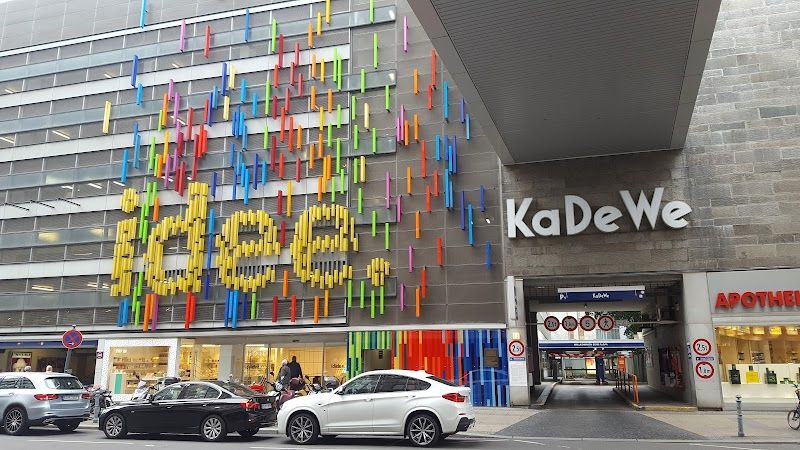
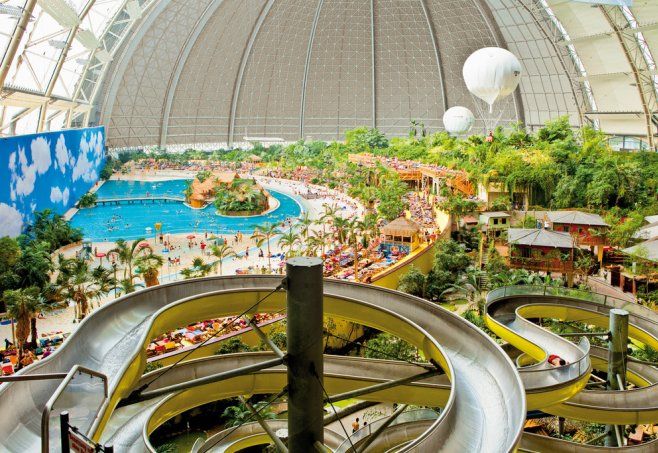
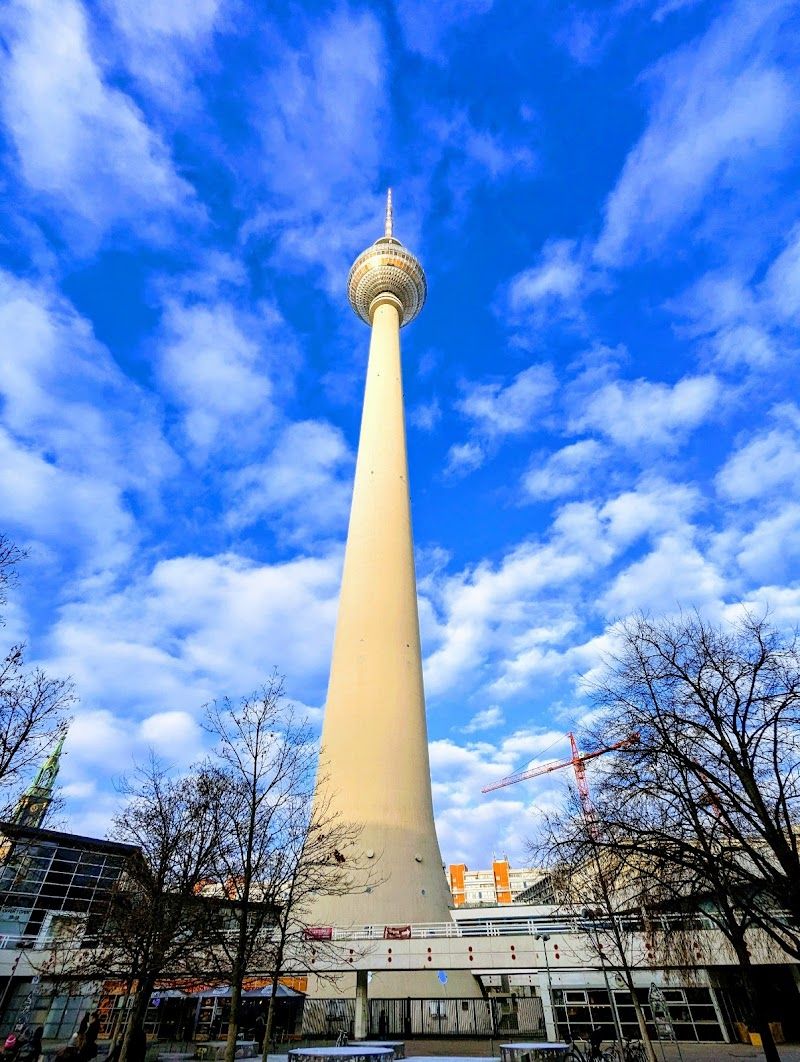
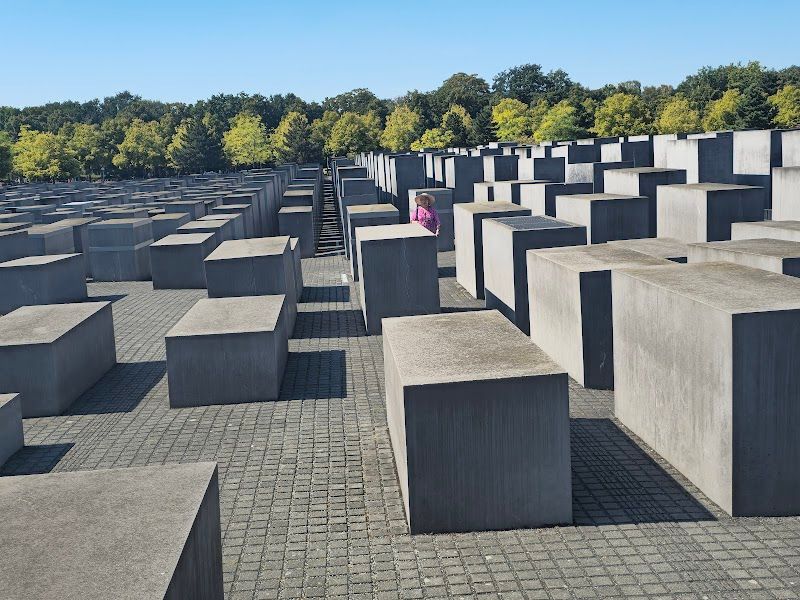
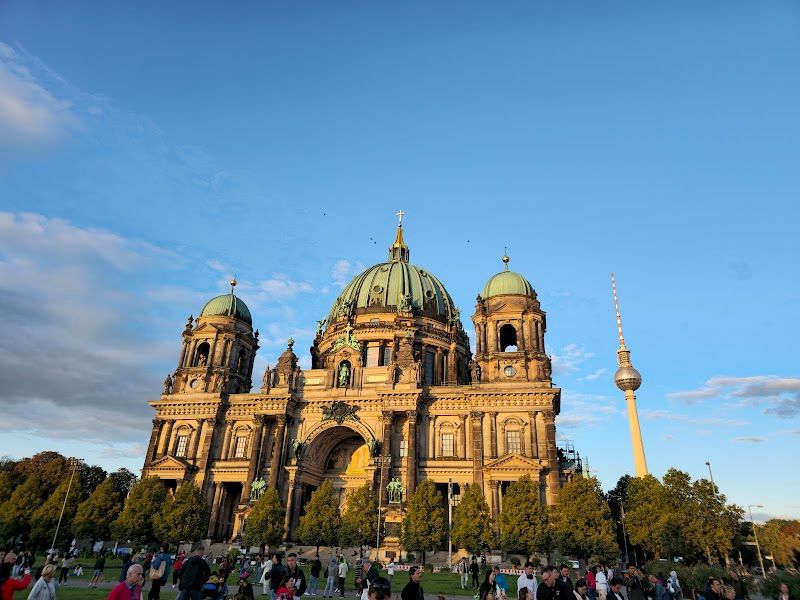
Experiences worth booking ahead
Vetted tours and tickets we'd send a friend to. The ones worth reserving before you arrive.
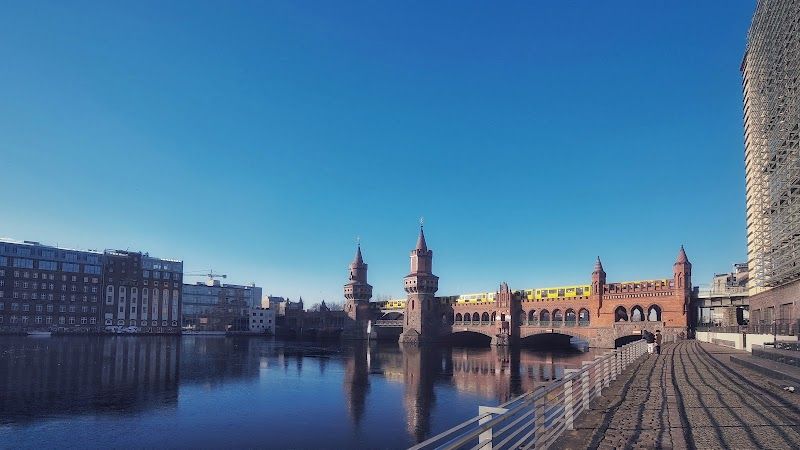
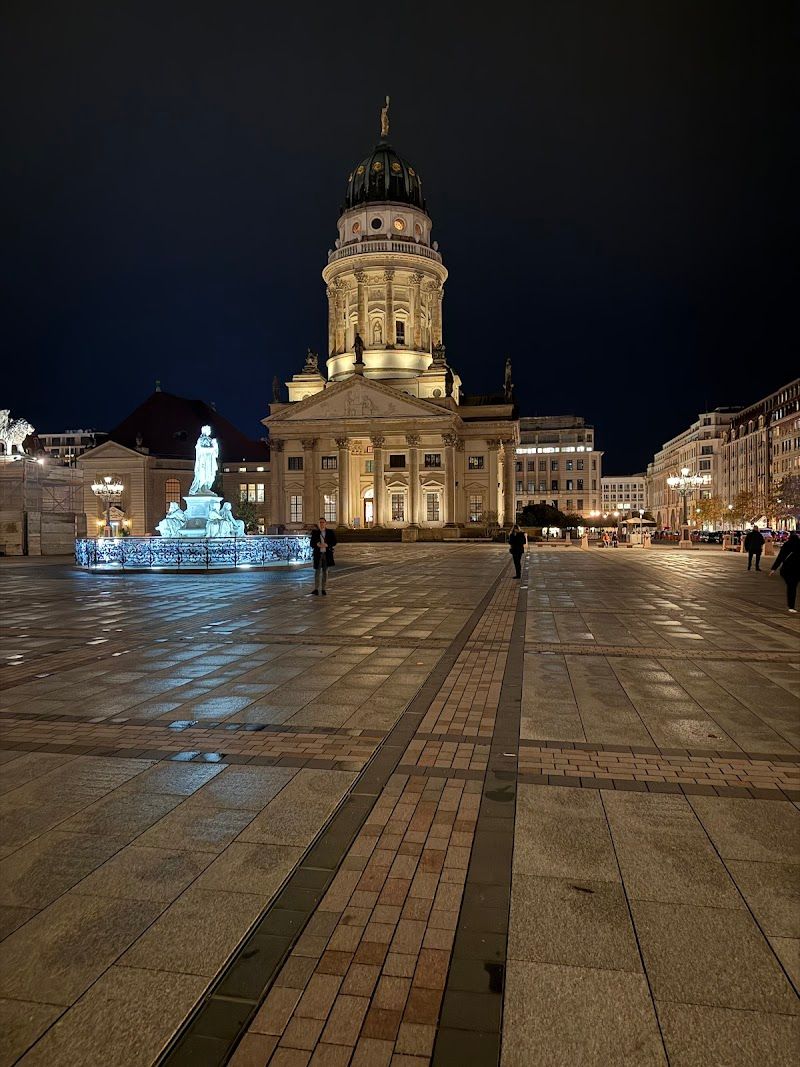
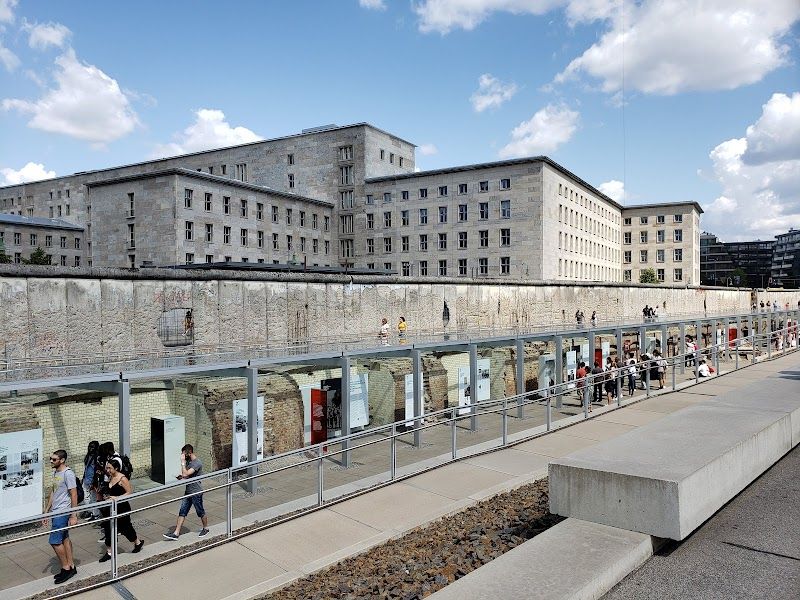
Travel guides


From the blog
Practical bits, answered
Berlin has largely moved past being a cash-heavy city. Most restaurants, bars, cafes, and shops now accept cards and contactless payments including Apple Pay and Google Pay, and card payment is the norm rather than the exception. That said, some traditional corner shops (Spatis), smaller food market vendors, and older neighbourhood establishments still prefer cash, so carrying EUR 20-30 as backup makes sense for these situations and small purchases like a currywurst (EUR 3.50-6) or a bakery breakfast (EUR 4-7). For ATMs, Sparkasse and Deutsche Bank machines are your most reliable fee-free options. Postbank was absorbed into Deutsche Bank's retail network and many former Postbank branches have closed or been rebranded, so do not count on finding a standalone Postbank ATM. Avoid independent ATMs in tourist areas, which typically charge EUR 5-9 per withdrawal. BVG public transport ticket machines have accepted chip-and-pin and contactless cards for years, so buying a single ticket (EUR 3.50) or a day pass (EUR 9.90) at any U-Bahn or S-Bahn station is straightforward with a card. Street food vendors and some late-night bars and clubs remain cash-only, and a few clubs famously do not accept cards at the door, so check before you go.
Almost everything is closed on Sundays by law. No supermarkets, no shops, no regular pharmacies. For emergencies, Berlin's rotating Notdienstapotheke system means at least one pharmacy is always open nearby - call 0800 00 22833 or search "Apothekennotdienst Berlin" to find the nearest one. Stock up on Saturday. The exception for travelers: major train stations like Hauptbahnhof, Ostbahnhof, and Südkreuz have shops open on Sundays, so you are not completely stranded if you forget something. Spatis (corner kiosks) can legally open on Sundays, but hours and stock vary widely by neighborhood and owner - they are useful but not a guaranteed backup everywhere. Restaurants and cafes are largely unaffected, and Sunday brunch is genuinely popular in Prenzlauer Berg and Neukölln, with many venues running full kitchens well into the afternoon.
Get an AB zone day pass (EUR 8.80) for unlimited rides. The U-Bahn runs 24 hours on Friday and Saturday nights across all lines, though frequencies drop on some lines in the early morning hours. Berlin uses an honor system with no barriers, but plainclothes inspectors check tickets regularly. BVG's standard on-the-spot elevated fare is EUR 60 per incident, and that is before any broader legal exposure - not a gamble worth taking.
Berlin clubs have strict door policies, especially Berghain. Go in small groups (2-3 max), dress dark and understated, do not take photos in the queue, speak quietly, and do not ask what music is playing. Arrive after 1 AM. Rejection is common and not personal.
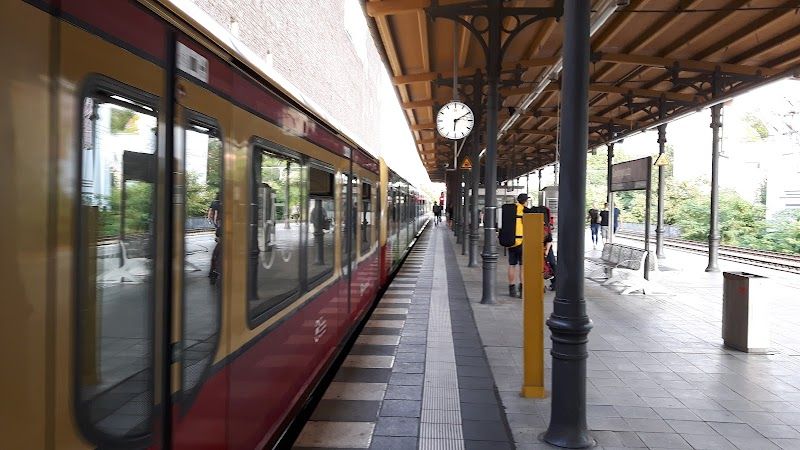
Berlin is roughly nine times the size of Paris city proper, and it shows. Some neighboring districts are walkable between each other - Mitte to Prenzlauer Berg, Kreuzberg to Neukölln, Mitte to Friedrichshain - but do not assume you can cover multiple non-adjacent areas on foot. Plan your day by zone. Mitte has the Brandenburg Gate, Museum Island, and the Reichstag, but it is heavily touristic and most locals skip it for daily life. Kreuzberg is as much about cultural tension and a diverse immigrant community as it is about bars and food. Prenzlauer Berg remains good for weekend brunch and parks. Charlottenburg has Schloss Charlottenburg and a slower, older-money pace. The combined Altes Schloss and Neuer Fluegel ticket runs EUR 17, though pricing can vary by season and which areas are included, so check the SPSG website before visiting. Do not overlook Neukölln and Friedrichshain, which have become major destinations in their own right. A single BVG ticket covering zones A and B costs EUR 3.50 and is valid for two hours in one direction. A day pass is EUR 9.90. The Ringbahn (S41/S42) circles the city in roughly 60 to 65 minutes under normal conditions, though delays happen. Use it to move between areas without backtracking through the center.
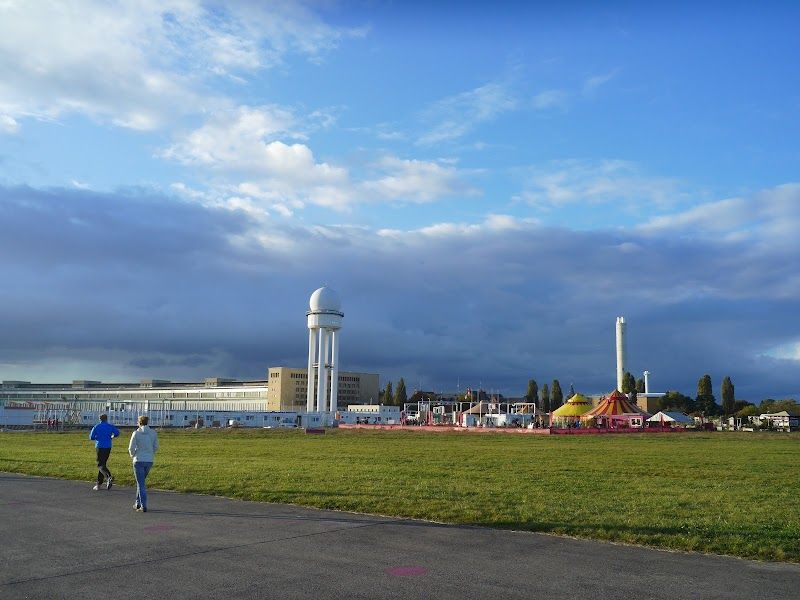
Four to five days is the sweet spot. Day 1 for the history corridor (Brandenburg Gate, Holocaust Memorial, Reichstag). Day 2 for Kreuzberg and Neukolln food and street culture. Day 3 for Museum Island and Prenzlauer Berg. Day 4 for Charlottenburg, Schoneberg, or a Potsdam day trip. A fifth day gives you breathing room for the East Side Gallery, Tempelhofer Feld, and whatever you stumbled across at 2 AM.
By capital-city standards, remarkably so. A döner kebab costs EUR 4.5-7, a flat white EUR 2.5-4.5, a pint of beer EUR 4.5-7, and a sit-down dinner at a mid-range restaurant EUR 25-40 for three courses with a drink. Hotels range from EUR 65-95 for a budget option to EUR 90-150 for a mid-range three-star. Hostels run EUR 18-35. Club entry is EUR 10-20. You can eat, drink, and sightsee for EUR 50-70/day if you stick to street food, free landmarks like Brandenburg Gate and the East Side Gallery, and the occasional paid museum.
Berlin is generally safe for travelers. Violent crime rates are low compared to other major European capitals. Pickpockets operate in busy transit hubs and tourist areas, so keep an eye on your belongings at Alexanderplatz, Hauptbahnhof, and on crowded U-Bahn carriages. Bike theft is common throughout the city, so always use a U-lock and consider a secondary cable lock for the wheel. Some parks have historically had visible drug activity, though conditions change - check current local advisories or recent traveler reports before visiting areas like Gorlitzer Park or Hasenheide after dark. During daylight hours, most neighborhoods are perfectly comfortable to walk around.
Not really. Berlin is the most English-friendly city in Germany by far. Most restaurant menus are bilingual, museum signage is in English, and younger Berliners switch to English automatically. That said, a few words (Danke, Entschuldigung, Zahlen bitte) go a long way, especially in less touristy neighborhoods like Wedding or Lichtenberg.
The FEX (Airport Express) train runs to Hauptbahnhof in 30 minutes and costs EUR 3.80 with an ABC zone ticket. Note that the standard AB ticket (EUR 3.50) does not cover the airport - you specifically need the ABC ticket at EUR 3.80, which extends coverage to the C zone where BER is located. The S-Bahn S9 takes around 50 minutes to Alexanderplatz and requires the same ABC ticket at EUR 3.80, so both train options cost the same fare. Taxis cost EUR 45-60 to central Berlin and take 40-50 minutes depending on traffic. The airport is located southeast of the city, so factor in transit time when planning your arrival.
Let DAIZ plan your Berlin days
Tell us how long you've got and what you're into. We'll build a day-by-day plan, with the bookable bits ready to lock in.