Berlin with kids is not about ticking boxes at Brandenburg Gate and calling it done. The city works for families because it never forgot how to be a playground. Former airports become cycling fields, abandoned lots turn into adventure parks, and museums let children touch the exhibits instead of staring through glass.
This berlin itinerary with kids covers seven days of actual family time, tested by parents who live here and know which subway elevators work, where to find clean bathrooms, and why the playground at Viktoriapark beats the tourist spots every time. Each day balances education with energy-burning, indoor backup plans with outdoor adventures.
Day 1: Mitte Introduction - History Made Tangible
Start your berlin family itinerary in Mitte, where the heavy history comes with interactive elements that work for children. The DDR Museum at EUR 12.5 per adult (kids under 6 free) lets children sit in a Trabant car, explore an East German apartment, and try on pioneer uniforms. The hands-on approach means even 5-year-olds stay engaged.
Walk to the Brandenburg Gate afterward, but skip the crowds and head straight to Pariser Platz's northeast corner. The Akademie der Künste has a small playground that most tourists miss, and the cafe serves decent coffee while children burn energy.
Lunch logistics: The tourist restaurants around Brandenburg Gate are overpriced and underwhelming. Walk 10 minutes south to Potsdamer Platz's ground floor food court at the Sony Center. Children can choose between pizza, Asian noodles, or German comfort food while parents grab coffee. Expect EUR 8-15 per meal.
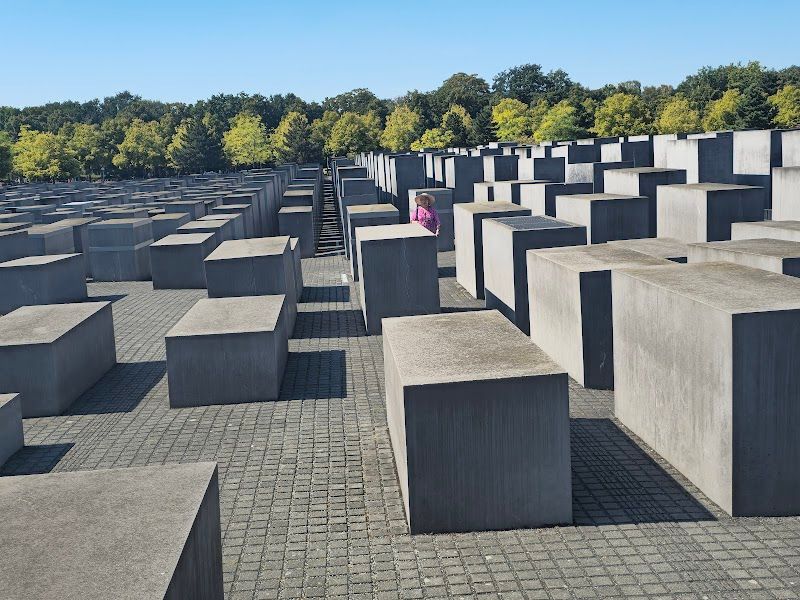
Afternoon focus shifts to the Holocaust Memorial. The memorial itself is free and powerful, but the underground information center requires careful consideration for families. Children under 10 often find the content overwhelming. The memorial's concrete blocks, however, create natural pathways that children instinctively understand as a place for quiet walking.
Transit note: All Mitte attractions connect via the U6 line. A BVG Day Pass AB at EUR 8.8 covers the family's transport needs, and children under 6 ride free.
Day 2: Kreuzberg Adventure - Playgrounds and Street Food
Kreuzberg transforms the berlin playground guide experience from standard swings to urban adventure courses. Start at Viktoriapark, where the 19th-century monument sits atop Berlin's highest natural point, and the playground below features climbing structures that challenge 8-year-olds and tire out teenagers.
The park's waterfall runs from April through October, creating natural wading pools that Berlin children have used for generations. Bring water shoes and spare clothes. The surrounding Turkish bakeries sell fresh simit (Turkish bagels) for EUR 1.5 each, mid-morning fuel.
Mustafa's Gemüse Kebap requires strategy with children. The queue typically runs 20-30 minutes, but the payoff is EUR 4.5 döner that even picky eaters approve. Order ahead using their app to skip waiting with cranky kids.
Afternoon exploration centers on Görlitzer Park, Kreuzberg's controversial but family-friendly green space. The playground equipment spans ages 2-14, with separate areas for toddlers and climbing challenges for older children. The surrounding neighborhood offers authentic Berlin living without tourist polish.
Safety note: Görlitzer Park has reputation issues, but daytime visits with families are completely normal. The playground area stays busy with local parents, creating natural community supervision.
Day 3: Museum Island Strategy - Culture Without Tears
Museum Island demands tactical planning for berlin with children. The Museum Island Day Pass at EUR 24 covers all five museums, but attempting more than two with kids guarantees meltdowns.
Start with the Neues Museum and Nefertiti (EUR 14 adult entry). Book timed slots in advance - the 10am entry gives you the building before tour groups arrive. Children connect with ancient Egypt through the museum's interactive stations, particularly the mummy preparation displays.
The Altes Museum works better for older children (10+) interested in Greek and Roman artifacts. The building's rotunda impresses adults while kids enjoy the echo effects.
Skip the Pergamon Museum until reconstruction completes in 2027. Current limited displays don't justify the EUR 14 entry fee or advance booking hassle.
Lunch break at Zur Letzten Instanz, Berlin's oldest restaurant (operating since 1621), serves traditional German food in child-friendly portions. The Königsberger Klopse (meatballs in caper sauce) appeals to most children, priced around EUR 12-16 per plate.
Afternoon transition to the nearby Großer Tiergarten, where the English Garden section includes adventure playgrounds, duck ponds, and enough open space for running energy off museum floors.
Day 4: Friedrichshain Exploration - East Side Energy
Friedrichshain represents Berlin's creative energy in family-friendly form. The East Side Gallery stretches 1.3 kilometers of preserved Berlin Wall, now covered in murals that children can touch and examine up close.
Create a scavenger hunt for famous sections: Dmitri Vrubel's "Fraternal Kiss," Birgit Kinder's Trabant breaking through the wall, or Kani Alavi's "Es gilt viele Mauern abzubauen." Children engage more when hunting specific images rather than wandering aimlessly.
Treptower Park provides afternoon adventure with Soviet War Memorial exploration and Spree River access. The memorial's scale impresses children, while the surrounding park offers multiple playgrounds, riverside walking paths, and boat rental options (approximately EUR 15-20 per hour for pedal boats).
Evening food exploration happens at Markthalle Neun, Thursday through Sunday. The food court setup lets families sample various cuisines while children move freely between stalls. Budget EUR 8-12 per person for quality street food.
Transit tip: The U1 line connects all Friedrichshain attractions efficiently, with elevator access at most stations for stroller navigation.
Day 5: Charlottenburg Palace and Parks - Royal Treatment
Charlottenburg offers Berlin's most child-friendly royal experience. Charlottenburg Palace at EUR 17 for adults (children under 18 free) includes audio guides designed for families, with shorter explanations and treasure hunt elements.
The palace tour works best as a morning activity when children are fresh. The Golden Gallery and Porcelain Cabinet provide photo opportunities, while the crown jewels display captures imaginations without overwhelming attention spans.
Schlossgarten Charlottenburg transforms afternoon energy into exploration. The baroque gardens include maze-like pathways, a lake with rental boats, and hidden pavilions picnic breaks. The Belvedere tea house serves child-friendly snacks and provides bathroom access.
The neighborhood's café culture accommodates families well. Café Einstein Stammhaus (Kurfürstendamm 58) offers high chairs, changing facilities, and patience with children who need to move between courses.
Shopping strategy: The nearby KaDeWe department store includes Europe's largest food court on the 6th floor, rainy day backup plans or special treat meals. Budget EUR 15-25 per person for quality prepared foods.
Day 6: Prenzlauer Berg Family Life - Local Integration
Prenzlauer Berg functions as Berlin's family headquarters, where playgrounds outnumber bars and cafes stock high chairs as standard equipment. This district perfects the family friendly berlin experience through thoughtful urban planning.
Mauerpark Sunday flea market creates family entertainment from 10am-6pm. Children hunt for treasures while parents browse vintage finds. The park's amphitheater hosts Sunday karaoke sessions where brave kids can perform for surprisingly supportive crowds.
The playground equipment at Mauerpark spans ages 2-16, with climbing towers, zip lines, and sand play areas. The surrounding food trucks serve family-friendly options including fresh waffles (EUR 3-5), bratwurst (EUR 4-6), and international street food.
Berlin Wall Memorial provides historical context through outdoor exhibits and preserved wall sections. The visitor center offers child-friendly explanations of division and reunification, with interactive displays that engage without traumatizing.
Afternoon cafe culture happens at Father Carpenter Coffee Brewers (Münzstraße 21), where children receive coloring materials and parents get properly extracted coffee. The industrial space accommodates strollers and loud conversations.
Day 7: Tempelhof and Neukölln - Future Berlin
Tempelhofer Feld represents Berlin's most successful urban transformation. The former airport runways now serve as Europe's largest urban park, where children learn to cycle, families fly kites, and teenagers practice skateboarding.
Rent family bikes at the entrance (approximately EUR 12-18 per bike per day) and explore the 300-hectare space. The former terminal building offers bathrooms, food concessions, and historical exhibits about the airport's Cold War significance.
Children grasp the scale immediately - planes once landed where they now run freely. The contrast between past and present creates natural conversation about change, history, and urban planning.
Neukölln's Britzer Garten provides afternoon nature exploration with themed gardens, adventure playgrounds, and seasonal events. Entry costs around EUR 3 for adults, EUR 2 for children, making it Berlin's best value family attraction.
The garden's miniature railway operates weekends and holidays (approximately EUR 2 per ride), while the rose garden and lake areas offer peaceful walking for tired parents.
Practical Planning for Berlin Kid Activities
Transport mastery: The BVG 7-Day Pass AB at EUR 36 covers most family transport needs. Children under 6 ride free, ages 6-14 receive reduced rates. Download the BVG app for real-time departures and elevator locations.
Elevator locations matter with strollers. U-Bahn stations with reliable elevator access include Potsdamer Platz, Brandenburger Tor, Friedrichstraße, and Alexanderplatz. S-Bahn stations generally offer better accessibility than older U-Bahn stops.
Weather backup plans: Berlin's indoor options save rainy days. The DDR Museum, Pergamon Museum, and KaDeWe food court provide hours of climate-controlled entertainment.
The Kindercafe Traumzauberbaum (Choriner Straße 20) offers indoor playground facilities, organic food, and parent networking opportunities during challenging weather days.
Food strategies: German restaurants accommodate children better than reputation suggests. Most offer Kinderteller (children's menus) with schnitzel, pasta, or sausages priced EUR 6-10. High chairs appear standard in family neighborhoods like Prenzlauer Berg and Friedrichshain.
Street food provides reliable options: döner kebab (EUR 4.5-7), currywurst (EUR 3.5-6), and fresh pretzels from bakeries (EUR 1-2) work for most children's tastes.
Budget Breakdown for Families
Daily family expenses (2 adults, 2 children under 12):
- Transport: EUR 17.6 (two adult day passes)
- Meals: EUR 45-80 (mix of restaurants and street food)
- Attractions: EUR 15-50 (varies by chosen activities)
- Incidentals: EUR 10-20 (snacks, drinks, souvenirs)
Weekly totals: EUR 600-1,000 depending on accommodation choices and dining preferences. Mid-range hotel families budget toward the higher end, while apartment rentals with kitchen access reduce food costs significantly.
Money-saving strategies: Many Berlin attractions offer family tickets or children-free policies. The Museum Island Day Pass at EUR 24 covers multiple venues, while parks like Tiergarten and Tempelhofer Feld provide free entertainment for entire afternoons.
Supermarket picnics reduce costs dramatically. Edeka, REWE, and Bio Company stores stock international foods, organic options, and prepared meals suitable for park dining.
Transportation with Children
Berlin's public transport accommodates families through thoughtful design and cultural acceptance. Strollers board buses and trains without apology, children's excited conversations don't draw disapproving looks, and strangers offer assistance rather than irritation.
Stroller navigation: Buses feature low floors and wheelchair spaces strollers. U-Bahn and S-Bahn cars include designated areas marked with wheelchair symbols - these spaces accommodate strollers during non-peak hours.
Safety considerations: Berlin's public transport maintains excellent safety records. Children learn independence early here, with 8-year-olds commonly riding buses alone. Tourist families should maintain closer supervision but can relax compared to many major cities.
The Berlin WelcomeCard offers transport plus attraction discounts, but calculate carefully against individual tickets. Families staying in central locations often walk between attractions, making day passes more economical than weekly options.
Seasonal Considerations for Your Berlin Itinerary with Kids
Summer advantages (June-August): Long daylight hours extend playground time, outdoor restaurants welcome families, and festivals provide free entertainment. Temperatures rarely exceed 25°C, making walking comfortable.
Winter adaptations (December-February): Indoor attractions become priorities, Christmas markets offer family entertainment, and ice skating appears in multiple locations. Pack seriously warm clothing - Berlin winters bite.
Spring and fall sweet spots: April-May and September-October provide ideal weather, fewer crowds, and seasonal activities like apple picking in surrounding Brandenburg.
Berlin with kids rewards families who embrace the city's restless energy rather than fighting it. Children absorb history through interactive experiences, exhaust themselves in playgrounds, and sample international cuisines in neighborhoods that welcome noise and chaos.
The berlin itinerary with kids succeeds when parents remember that Berlin never finished growing up either. The city's constant reinvention matches childhood's natural curiosity, creating connections between past and present that textbooks cannot provide.
For more detailed neighborhood exploration, check our comprehensive guides to Berlin with kids and first-time Berlin visits. Both resources expand on family-specific logistics and provide backup options when original plans meet reality.