Reichstag Building
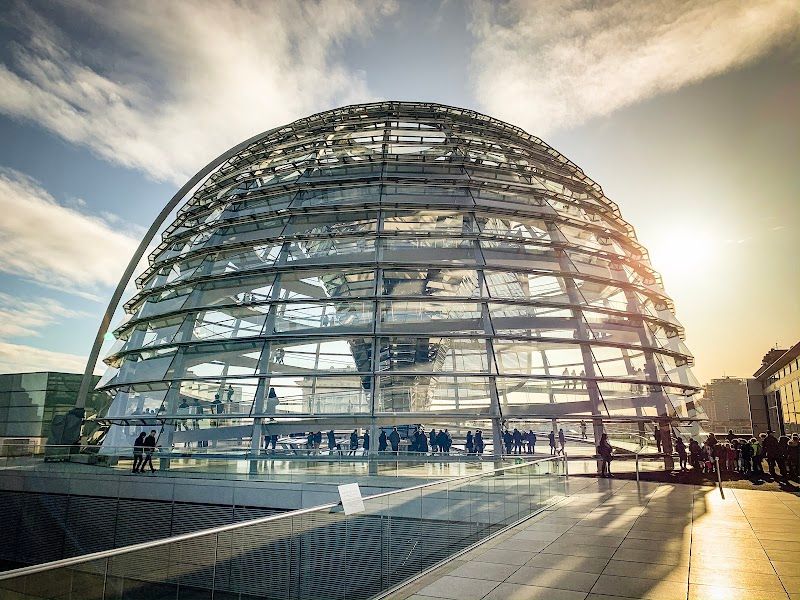
The seat of the German parliament, rebuilt after reunification with a glass dome designed by Norman Foster that lets visitors look down on the plenary chamber in session.
About Reichstag Building
The seat of the German parliament, rebuilt after reunification with a glass dome designed by Norman Foster that lets visitors look down on the plenary chamber in session. The transparency metaphor was deliberate: Foster wanted citizens to literally be able to watch their elected representatives work below them. The dome's spiral ramp leads you upward past mirrors that reflect daylight into the chamber, with an audio guide narrating Berlin's skyline, the building's destruction in 1933 and 1945, and its reconstruction.
The Reichstag's history is written in its walls. The building opened in 1894, was gutted by fire in 1933 (an event the Nazis used to consolidate power), was bombarded by Soviet artillery in 1945, and sat unused during the division. After reunification, the German parliament voted to return from Bonn to Berlin, and Foster wrapped the old stonework in glass and steel. During the renovation, workers discovered graffiti carved into the walls by Soviet soldiers in 1945, Russian names and messages preserved behind the new interior (visible on guided tours).
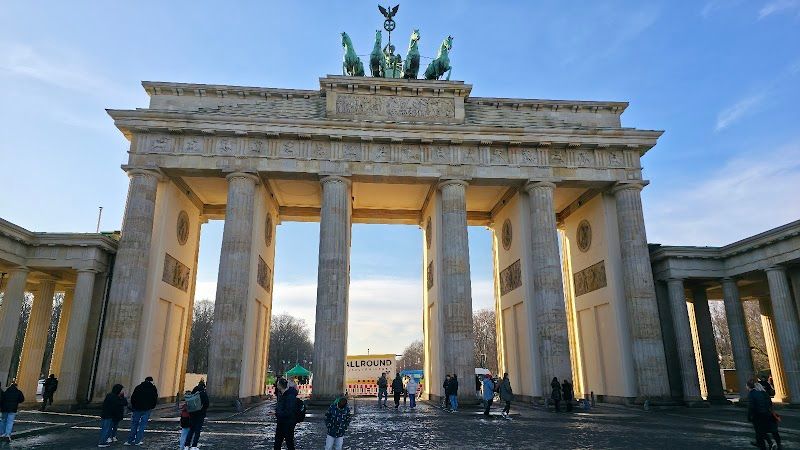
The rooftop terrace and dome are free but require advance booking at bundestag.de, with slots opening 2-3 weeks ahead. Sunset visits are the most popular for good reason: the Tiergarten glows green below and the Brandenburg Gate is visible to the east. Bring ID or a passport. The rooftop restaurant Kafer offers dome access through a dinner reservation, bypassing the separate booking system if the dome slots are full.
Skip the Queue
Live availability and skip-the-line options from our booking partners.
Booking powered by our partners. DAIZ may earn a commission.