Berlin costs less than Amsterdam, and that changes everything. You can eat dinner in Berlin for what Amsterdam charges for lunch. You can stay in central Berlin hotels for what Amsterdam hostels cost. The question is not whether both cities are worth visiting, because they are. The question is which one fits your travel budget and style better.
The verdict upfront: Berlin wins on cost, history, and nightlife. Amsterdam wins on walkability, canals, and concentrated sightseeing. If you are choosing between them for a first European trip, Berlin gives you more city for less money.
Berlin vs Amsterdam Cost: The Numbers That Matter
The berlin vs amsterdam cost comparison is straightforward: Amsterdam will cost you 40-60% more across accommodation, food, and drinks. These are not small differences that disappear over a short trip - they compound daily.
Accommodation costs break down like this:
| Category | Berlin (EUR per night) | Amsterdam (approx.) |
|---|---|---|
| Hostel dorm | EUR 18-35 | EUR 35-55 |
| Budget hotel | EUR 65-95 | EUR 110-160 |
| Mid-range hotel | EUR 90-150 | EUR 150-250 |
| Superior hotel | EUR 130-220 | EUR 200-350 |
| Luxury hotel | EUR 200-450 | EUR 350-650 |
In Berlin, you can find decent boutique hotels in Mitte for EUR 120-180 per night. The same quality in Amsterdam's canal ring costs EUR 200-300. Budget chains like Ibis Budget charge EUR 65-85 in Berlin but EUR 110-140 in Amsterdam.
Food and drink costs show the same pattern:
| Item | Berlin | Amsterdam (approx.) |
|---|---|---|
| Street food lunch | EUR 4.5-7 | EUR 8-12 |
| Mid-range dinner | EUR 25-40 | EUR 40-65 |
| Upscale dinner | EUR 65-120 | EUR 90-180 |
| Beer at bar | EUR 4.5-7 | EUR 6-9 |
| Wine glass | EUR 6-12 | EUR 8-15 |
| Coffee | EUR 2.5-4.5 | EUR 3.5-6 |
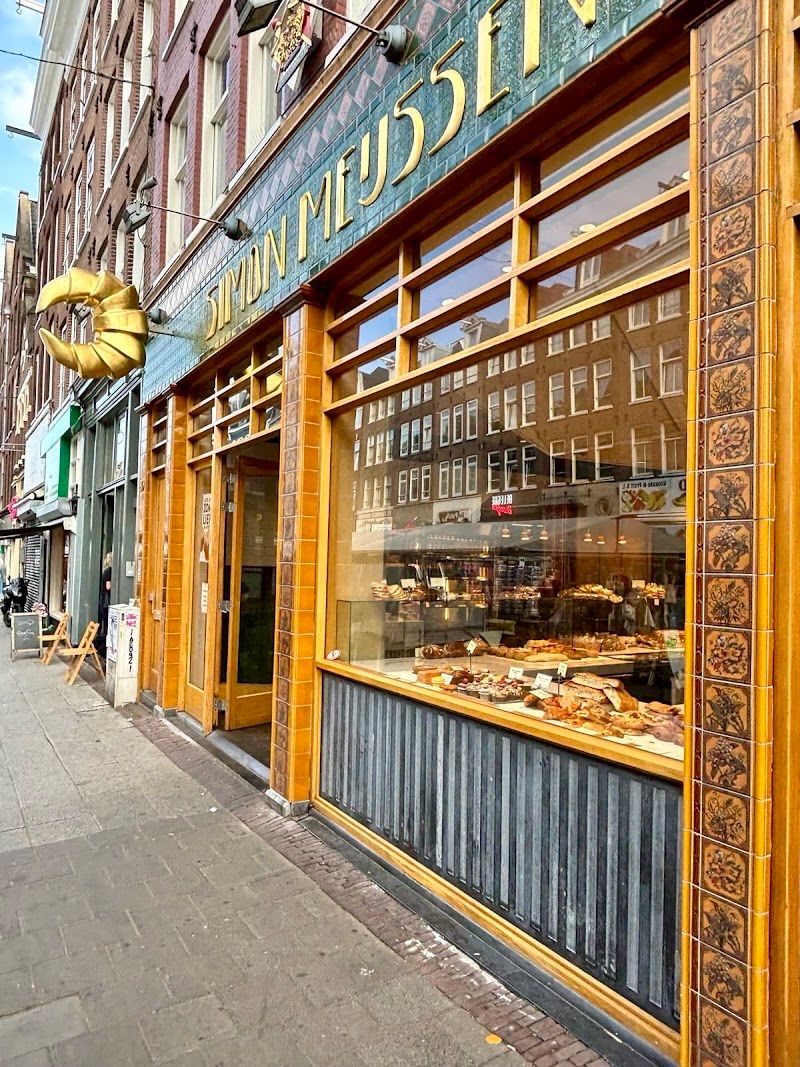
| Bakery breakfast | EUR 4-7 | EUR 6-10 |
Berlin's famous currywurst costs EUR 3.5-6 from street stands. A comparable snack in Amsterdam runs EUR 6-9. The difference matters when you are buying lunch daily for a week.
Berlin's public transport costs EUR 8.8 for a day pass covering zones A-B, which gets you everywhere tourists need to go. The 7-day pass costs EUR 36. Amsterdam's GVB day pass runs approximately EUR 15-18, with weekly passes around EUR 35-40. But Amsterdam requires more transport planning - trams stop running around midnight except weekends, while Berlin's U-Bahn runs 24 hours Friday-Saturday.
Real trip cost example: A 5-day trip for two people staying in mid-range hotels, eating one restaurant meal daily, and using public transport costs approximately EUR 1,200-1,500 in Berlin versus EUR 1,800-2,300 in Amsterdam.
The cost winner: Berlin, and it is not close. You can visit Berlin for a week on what Amsterdam costs for four days.
History and Culture: Two Different Stories
Berlin and Amsterdam tell completely different stories about Europe, and both matter for understanding the continent.
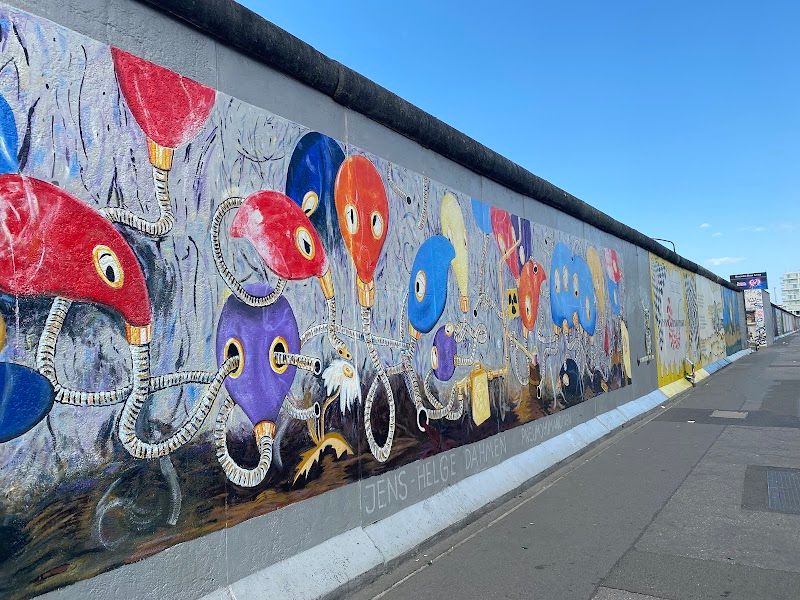
Berlin wears its history on the street level. The East Side Gallery stretches 1.3 kilometers of original Wall covered in murals that artists still repaint and modify. Dmitri Vrubel's "My God, Help Me to Survive This Deadly Love" shows Brezhnev and Honecker kissing. Birgit Kinder's Trabant breaking through the Wall has been photographed millions of times, but seeing it in person still surprises.
Stolpersteine (brass stones in sidewalks) mark where Holocaust victims lived before deportation. Artist Gunter Demnig has installed over 75,000 across Europe, with 7,000 in Berlin alone. Walking through Mitte, you encounter them every few blocks - small brass squares that say "Here lived Max Müller, born 1887, deported 1942, murdered in Auschwitz."
The Topography of Terror sits on Niederkirchnerstraße, the former Gestapo headquarters site. The outdoor exhibition uses photos and documents to explain how ordinary Germans participated in Nazi crimes. Admission costs nothing, and the documentation is more powerful than any museum display.
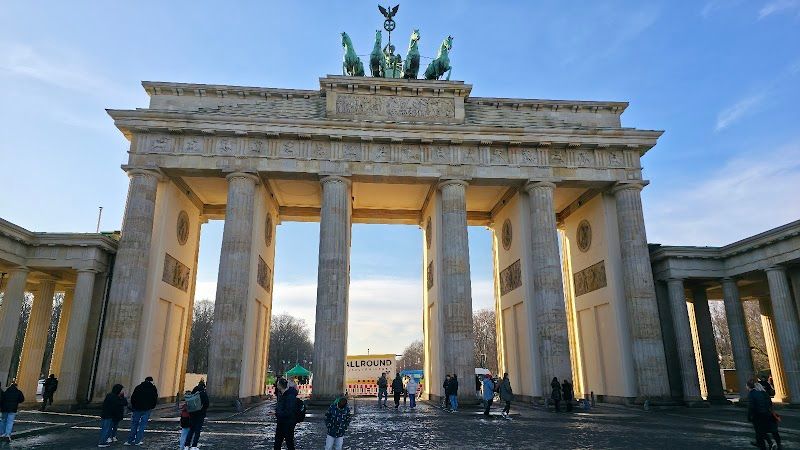
Berlin makes you confront 20th century history whether you planned to or not. The Brandenburg Gate has bullet holes you can still see from 1945. The Reichstag Building dome lets you look down on parliament in session - a transparency metaphor the architects meant literally after reunification.
Amsterdam's history runs deeper but feels gentler. The canal ring dates to the 17th century Golden Age when Dutch merchants built the most beautiful trading city in Europe. Herengracht, Prinsengracht, and Keizersgracht form concentric rings around the old city center. These canals were not accidents - city planners designed them to show off merchant wealth while providing practical transportation.
The Anne Frank House on Prinsengracht tells one family's story with devastating precision. The narrow house where eight people hid for two years recreates their daily life. Anne's original diary sits behind glass. The museum handles 1.2 million visitors annually, so book tickets weeks ahead.
Amsterdam's Rijksmuseum houses Rembrandt's "The Night Watch" and Vermeer's "The Milkmaid" in a building that looks like a palace. The museum reopened in 2013 after a 10-year renovation that cost EUR 375 million. Walking through feels like touring a private collector's mansion.
The history winner: Depends what you want. Berlin for modern European history that shaped the world we live in. Amsterdam for earlier European history that created the modern idea of a prosperous merchant city.
Berlin vs Amsterdam Nightlife: Different Energies
Berlin amsterdam nightlife operates on completely different principles, and the differences go deeper than just closing times.
Berlin clubs do not close because they legally do not have to. Berghain opens Friday night and runs until Monday morning. The club occupies a former power plant, and the main dance floor sits in a concrete cathedral with 18-meter ceilings. Getting past the door requires luck and the right attitude - dress down, speak German if you can, and do not look like a tourist.
Watergate sits directly on the Spree river with floor-to-ceiling windows overlooking the water. International DJs play every weekend, and the terrace opens in summer. About Blank operates in a former East German factory complex with multiple floors and outdoor areas. The club books experimental electronic acts alongside established names.
Berlin's nightlife grew from squat culture in the 1990s when empty East Berlin buildings housed illegal parties. That DIY energy still drives the scene. Clubs like Salon zur Wilden Renate operate in apartment buildings where each room has different music. Kreuzberg bars like Roses stay open until dawn because Berlin has no mandatory closing times.
The city's bar scene spans from wine bars in Prenzlauer Berg to techno bars in Friedrichshain. Zur Letzten Instanz has served beer since 1621. Prater Garten claims to be Berlin's oldest beer garden, operating since 1837.
Amsterdam nightlife centers on brown cafés (traditional pubs) and canal-side bars. Brown cafés get their name from decades of tobacco smoke staining the walls brown. Café Hoppe on Spui dates to 1670 and still serves jenever (Dutch gin) the traditional way - you lean over the bar and take the first sip without using your hands.
The city has good clubs like Paradiso (a converted church) and Melkweg (a former dairy), but they close at 5am on weekends. The Red Light District attracts tourists but locals drink in neighborhoods like Jordaan and De Pijp. Coffee shops serve cannabis legally, which changes the entire bar scene dynamic - people drink less alcohol when they have other options.
Amsterdam's canal-side terraces open in summer, and the entire city moves outside. Brown cafés serve local beers like Hertog Jan and Grolsch alongside international selections.
The nightlife winner: Berlin for electronic music culture and late nights that blur into the next day. Amsterdam for a more civilized drinking culture that respects work schedules.
Getting Around: Size and Walkability
Amsterdam fits in Berlin's pocket, and this size difference affects every aspect of visiting.
Amsterdam covers 219 square kilometers. Berlin spreads across 892 square kilometers - more than four times larger. You can walk across Amsterdam's historic center in 45 minutes. Walking from Berlin's Brandenburg Gate to the East Side Gallery takes 90 minutes and crosses three neighborhoods.
Amsterdam's major museums sit within 20 minutes of each other. The Rijksmuseum, Van Gogh Museum, and Stedelijk Museum form the Museum Quarter on Museumplein. The Anne Frank House is a 15-minute walk from Central Station. The Red Light District connects directly to the main shopping area around Dam Square.
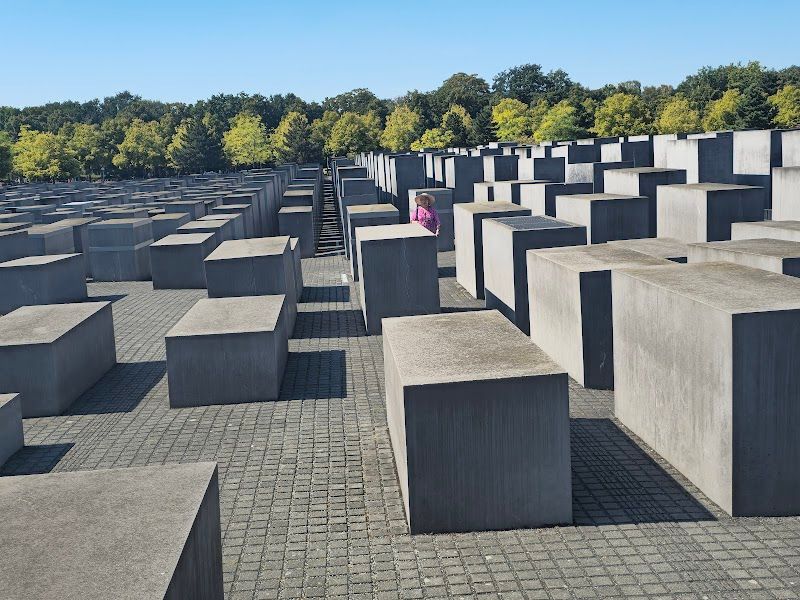
Berlin requires planning and public transport. Mitte holds major historical sites like the Brandenburg Gate and Holocaust Memorial. The best restaurants concentrate in Kreuzberg around Bergmannstraße and Graefekiez. The coolest bars operate in Friedrichshain near Boxhagener Platz. The prettiest residential streets run through Prenzlauer Berg around Kollwitzplatz.
Amsterdam works perfectly for bicycles - the city has 400 kilometers of bike paths and bikes outnumber residents. Bike rental costs approximately EUR 10-15 per day. Berlin has bike paths too, but the distances make cycling less practical for tourists trying to see multiple neighborhoods.
Transport practicalities: Berlin's BVG system includes U-Bahn (subway), S-Bahn (regional trains), buses, and trams. The network runs 24 hours on weekends with night buses covering routes when trains stop. A single ticket costs EUR 3.5 and works for two hours in one direction. The 7-day pass costs EUR 36 and covers zones A-B, which includes all tourist areas.
Amsterdam's GVB system runs trams, buses, and metros. Trams form the backbone - line 2 connects Central Station to the Museum Quarter. The system stops around midnight except weekends when some lines run until 2am. Single tickets cost approximately EUR 3.50, but buying individual tickets gets expensive quickly.
The walkability winner: Amsterdam, easily. You can see Amsterdam's main attractions without public transport. You cannot see Berlin properly without using the U-Bahn constantly.
Museums and Culture: Quality vs Quantity
Berlin has more museums than you can visit in two weeks, while Amsterdam concentrates its cultural firepower in fewer institutions.
Berlin's Museum Island contains five UNESCO World Heritage museums on a single island in the Spree river. The Pergamon Museum houses the Ishtar Gate of Babylon and the Market Gate of Miletus - entire ancient buildings reconstructed inside the museum. The Neues Museum displays the Nefertiti bust alongside Egyptian and prehistoric collections. The Altes Museum focuses on Greek and Roman antiquities.
The DDR Museum lets you experience East German daily life. You can sit in a Trabant, flip through East German TV channels, and search an apartment that the Stasi might have bugged. Interactive exhibits explain how surveillance worked and what products East Germans could buy.
Berlin's Jewish Museum, designed by Daniel Libeskind, uses architecture to tell the story of German Jewish life. The building's zigzag shape and void spaces create emotional responses before you read any exhibits. The German Historical Museum covers 2,000 years of German history in chronological order.
Amsterdam concentrates its cultural power in fewer institutions. The Rijksmuseum contains the world's best Dutch Golden Age collection. Rembrandt's "The Night Watch" occupies its own room. The museum owns 8,000 objects from the 17th century when Amsterdam was Europe's richest city.
The Van Gogh Museum houses the world's largest Van Gogh collection - 200 paintings and 500 drawings. The museum traces his artistic development from early dark works to the bright colors of his final years. "The Potato Eaters" and "Sunflowers" draw crowds, but lesser-known works show his evolution as an artist.
The Stedelijk Museum covers modern and contemporary art from 1870 to today. The collection includes Mondrian, Malevich, and Warhol alongside contemporary Dutch artists.
Museum costs comparison: Berlin's Museum Island day pass costs EUR 24 for five museums. Individual museum tickets cost EUR 12-14. Amsterdam's Rijksmuseum costs approximately EUR 22.50, Van Gogh Museum EUR 22, and Stedelijk EUR 20. Visiting all three costs EUR 64.50 versus Berlin's EUR 24 for five museums.
The museum winner: Berlin for breadth, value, and variety. Amsterdam for focused excellence in specific areas.
Food Scenes: Different Strengths and Traditions
Berlin and Amsterdam approach food completely differently, reflecting their histories and immigrant populations.
Berlin built its modern food reputation on street food and immigrant communities. Mustafa's Gemüse Kebap in Kreuzberg draws hour-long lines for EUR 4.5 döner kebabs loaded with vegetables, roasted chicken, and secret sauce. The döner was invented in Berlin in the 1970s by Turkish immigrants, and the city now has over 1,500 döner shops.
Markthalle Neun in Friedrichshain operates as a 19th-century market hall Monday-Saturday, then transforms into Street Food Thursday with 20+ vendors. Kimchi Princess serves Korean-German fusion. Hackescher Hof sells artisanal sausages. The market draws locals, not just tourists.
Berlin's Vietnamese community, centered around Dong Xuan Center in Lichtenberg, runs restaurants serving pho for EUR 6-8. The community started with Vietnamese guest workers in East Germany and expanded after reunification. Monsieur Vuong in Mitte brought Vietnamese food to tourists, but locals eat at Com Nieu or Madame Ngo.
The city's fine dining scene exploded after reunification when international chefs discovered cheap rents and creative freedom. Tim Raue combines Asian techniques with German ingredients. Facil serves modern European cuisine in a glass pavilion. But you eat better for less money at Turkish restaurants in Kreuzberg or Vietnamese places in Lichtenberg.
Amsterdam's food scene centers on traditional Dutch cooking and international influences from former colonies. Brown cafés serve stamppot (mashed potatoes mixed with vegetables like sauerkraut or carrots) and erwtensoep (thick split pea soup). Café de Reiger has served traditional Dutch food since 1892.
The city's Indonesian restaurants reflect colonial history when Indonesia was the Dutch East Indies. Restaurant Blauw serves rijsttafel (rice table) - dozens of small dishes representing different Indonesian regions. Tempo Doeloe focuses on spicy Javanese food.
Amsterdam has excellent cheese shops where you can taste aged Gouda and learn about Dutch cheese-making. Henri Willig runs multiple locations explaining how different aging processes affect flavor. The Albert Cuyp Market sells cheese, stroopwafels, and other Dutch specialties.
Traditional dishes to try: In Berlin, sauerbraten (marinated roast beef), eisbein (pork knuckle), and apfelstrudel. In Amsterdam, bitterballen (fried meatballs), stroopwafels (syrup waffles), and Dutch cheese varieties.
The food winner: Berlin for variety, value, and immigrant influences that created new dishes. Amsterdam for traditional European pub culture and colonial food influences.
Weather and When to Visit
Both cities suffer from Northern European weather patterns, but Amsterdam's maritime climate creates milder winters and cooler summers.
Berlin winters drop below freezing regularly from December-February. January averages -1°C to 3°C. Snow falls frequently but rarely accumulates for long periods. The city's continental climate creates bigger temperature swings - summer days reach 25-30°C while winter nights drop to -10°C.
Amsterdam winters hover around 3-7°C from December-February. The North Sea moderates temperatures, preventing extreme cold but creating constant dampness. Snow falls occasionally but melts quickly.
Berlin summers get properly hot with July-August temperatures reaching 25-30°C regularly. Heat waves can push temperatures above 35°C. The city has numerous parks and lakes for cooling off. Tiergarten provides shade, while Müggelsee offers swimming 30 minutes from the center.
Amsterdam summers peak around 22-25°C. The maritime climate prevents extreme heat but creates more consistent cloud cover. Canal tours become more pleasant in summer when you can sit on outdoor decks.
Both cities are rainiest in October and November. Berlin averages 45mm rainfall in October, Amsterdam 85mm. Spring arrives earlier in Amsterdam (March-April) compared to Berlin (April-May).
Best times to visit: May-September for both cities when temperatures stay comfortable and daylight extends until 9pm. Berlin's Christmas markets in December are better than Amsterdam's - the Gendarmenmarkt Christmas Market operates in one of Europe's most beautiful squares. Amsterdam's tulip season (April-May) in Keukenhof Gardens beats anything Berlin offers in spring.
Which City Should You Visit First?
The choice between Berlin vs Amsterdam depends on your travel priorities, budget, and available time.
Choose Berlin if:
- You are budget-conscious and want maximum value
- You want to understand modern European and world history
- You prefer nightlife that does not stop at reasonable hours
- You like exploring different neighborhoods with distinct personalities
- You want a city that rewards longer stays (5+ days)
- You appreciate raw urban energy over polished beauty
- You want excellent street food and immigrant cuisines
Choose Amsterdam if:
- You have limited time (2-3 days maximum)
- You prefer walking and cycling to public transport
- You want classic European canal beauty and architecture
- You like concentrated sightseeing with museums nearby
- Budget is less important than convenience and compactness
- You want a more relaxed pace and café culture
- You prefer traditional European pub atmosphere
For first-time visitors to Europe on typical budgets, Berlin makes more financial sense. The city gives you more experiences for significantly less money, and the history lessons matter for understanding modern Europe. Berlin rewards travelers who enjoy exploring urban neighborhoods and discovering places that locals frequent.
Amsterdam works better as a shorter city break rather than a week-long exploration. The city's compact size makes it weekend trips, but you can see the major attractions in 3-4 days.
Planning Your Berlin vs Amsterdam Trip
If you are planning a first-time Berlin visit, budget 5-7 days minimum. The city rewards longer stays because neighborhoods feel completely different from each other. Kreuzberg has Turkish markets and punk bars. Prenzlauer Berg offers café culture and renovated apartments. Friedrichshain combines East German history with modern nightlife.
Amsterdam works perfectly for 3-4 days. You can see the major museums, walk the canal ring, experience brown café culture, and take a day trip to nearby attractions without feeling rushed.
Combined trip strategy: Fly into Amsterdam (often cheaper international flights from North America), spend 3 days there, then take the 6-hour train to Berlin for 5-6 days. The train runs every two hours and costs EUR 35-80 depending on booking time. This combination gives you Dutch efficiency and German value in one European trip.
Budget planning: A 3-day Amsterdam trip costs approximately EUR 600-900 per person including mid-range accommodation, restaurant meals, museum entries, and transport. A 5-day Berlin trip costs EUR 400-650 per person for the same quality level.
Airport access: Amsterdam Schiphol connects to the city center via train in 20 minutes for approximately EUR 5. Berlin Brandenburg Airport requires the Airport Express (EUR 3.8) or taxi (EUR 45-60) to reach central areas.
The final verdict: Berlin wins for most travelers because it costs significantly less while offering more diversity, history, and cultural experiences. Amsterdam is undeniably beautiful but expensive. Unless money is no object or you only have a long weekend, Berlin should come first on your European city list.
Both cities deserve visits eventually - they represent different sides of European culture and history. But if you are choosing between them for a first major European trip, Berlin gives you more city, more history, and more authentic experiences for significantly less money. That value proposition is difficult to argue against, especially when you can always visit Amsterdam later when your travel budget has recovered.