Planning Amsterdam requires understanding its neighborhoods, not just its monuments. This amsterdam neighborhoods map breaks down the city's distinct districts, helping you choose where to stay, eat, and explore based on what matters to you. Amsterdam's layout follows concentric rings built outward from the old city center, with each neighborhood developing its own character over centuries.
The city divides into roughly ten main districts, each offering different experiences. The historic center draws tourists but locals spread across neighborhoods like the Jordaan for weekend markets, De Pijp for dinner, and Noord for late-night culture. Understanding this amsterdam districts map helps you plan like a resident rather than a first-time visitor.
The Historic Center: Centrum and Canal Ring
Centrum: Tourist Central With Hidden Corners
Centrum serves as Amsterdam's commercial heart, where every visitor passes through but few should linger. Dam Square anchors the district with the Royal Palace (EUR 12.5 admission) and the National Monument, while Red Light District occupies the southeastern section.
The area excels for transit connections - Centraal Station handles trains to Schiphol Airport (EUR 5.4) and connects to every tram line. Shopping concentrates along pedestrian-only Kalverstraat and Nieuwendijk, though prices run high for mediocre quality.
Where Centrum works: First-day orientation, late-night food (many restaurants stay open past midnight), and last-minute shopping. The Bloemenmarkt floating flower market occupies the southern edge.
Where it doesn't: Extended stays feel overwhelming, restaurant quality varies wildly, and street performers create constant noise.
Canal Ring: The UNESCO Postcard
The Canal Ring (Grachtengordel) represents Amsterdam at its most photogenic. These concentric canals - Herengracht, Prinsengracht, and Keizersgracht - were dug during the Dutch Golden Age and designated UNESCO World Heritage in 2010.
This amsterdam area map section holds the city's most expensive real estate and finest examples of 17th-century architecture. The famous narrow houses with their tilted facades line each canal, creating the postcard image of Amsterdam.
Navigation tip: The canals follow a logical pattern. Herengracht (Gentlemen's Canal) runs outermost, Prinsengracht (Prince's Canal) sits in the middle, and Keizersgracht (Emperor's Canal) forms the inner ring.
De Negen Straatjes (Nine Streets) cuts across the three main canals between Raadhuisstraat and Leidsestraat, offering independent boutiques, vintage shops, and cafes in historic buildings.
West Amsterdam: Where Locals Actually Live
Jordaan: Amsterdam's Most Livable Neighborhood
The Jordaan transformed from a 17th-century working-class district into Amsterdam's most desirable neighborhood. Narrow streets follow no logical grid - they twist around former factories and workers' housing, creating an intimate maze wandering.
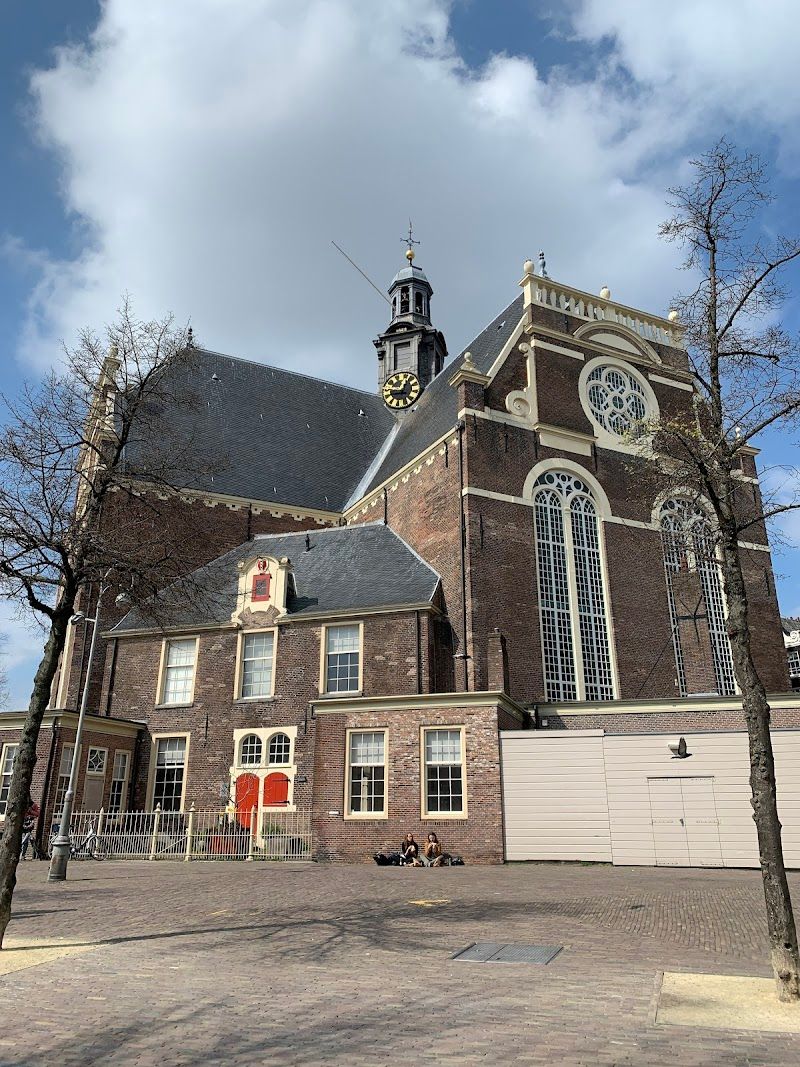
Saturday brings the Noordemarkt organic market to Noorderkerk square, while Monday features antiques and second-hand goods. Anne Frank House (EUR 16, booking essential) sits on Prinsengracht 263, though the surrounding streets offer better glimpses of neighborhood life.
Essential Jordaan stops:
- Winkel 43 for appeltaart (apple pie) with whipped cream
- Café 't Smalle for jenever (Dutch gin) in a 1786 tasting house
- Moeders for Dutch comfort food in a living room setting
The neighborhood rewards slow exploration rather than sightseeing sprints. Most streets lack through traffic, making cycling pleasant and walking safe.
Oud-West: The Foodie Alternative
Oud-West sits west of Vondelpark, offering better restaurants and lower prices than central Amsterdam. The neighborhood centers on Kinkerstraat, a long shopping street with Turkish bakeries, Surinamese takeaways, and Dutch butcher shops.
Ten Katemarkt operates Monday, Wednesday, Friday, and Saturday along Ten Katestraat, selling produce, clothing, and prepared foods. Prices run 30-40% below tourist markets.
Lot Sixty One Coffee Roasters established the neighborhood's coffee reputation, while Restaurant Blauw serves Indonesian rijsttafel (rice table) dinners.
Why locals choose Oud-West: Restaurants stay open past 10pm, grocery shopping costs less, and the residential streets remain quiet after dark.
Westerpark & Haarlemmerbuurt: Creative Quarter
Westerpark & Haarlemmerbuurt occupy the area northwest of Centraal Station, easily walkable but feeling removed from tourist crowds. Haarlemmerstraat and Haarlemmerdijk form one continuous shopping street with independent boutiques, vinyl record stores, and neighborhood restaurants.
Westerpark itself centers on a former gasworks converted into cultural space. The park hosts outdoor concerts and food festivals during summer, while maintaining lawns and playgrounds year-round.
Café Restaurant Amsterdam occupies a converted water treatment plant, offering modern European cuisine with industrial architecture.
South Amsterdam: Museums and Markets
Museum Quarter: Culture Concentrated
The Museum Quarter places three museums within five minutes' walk. Rijksmuseum (EUR 22.5) houses Dutch masters including Rembrandt's Night Watch, while Van Gogh Museum (EUR 22, advance booking required) holds the world's largest collection of the artist's work.
Vondelpark provides 120 acres of green space with lakes, sculptures, and an open-air theater. Summer weekends bring picnickers, street performers, and informal football games.
The neighborhood's restaurant scene centers on fine dining rather than casual meals. Paradiso and Melkweg provide Amsterdam's best concert venues in former church and dairy buildings.
Museum planning: The I amsterdam City Card (EUR 65 for 24 hours, EUR 85 for 48 hours) includes admission to major museums plus public transport, paying for itself with two museum visits.
De Pijp: Market Culture and Indonesian Food
De Pijp earned its nickname "Latin Quarter of Amsterdam" from the narrow streets and dense housing built for workers in the late 1800s. Today it serves as Amsterdam's dining destination, with restaurant density higher than any other neighborhood.
Albert Cuyp Market stretches 260 stalls along Albert Cuypstraat Monday through Saturday, selling produce, cheese, clothing, and prepared foods. Prices stay reasonable because locals shop here daily.
The neighborhood's Indonesian restaurants reflect colonial history - Katsu serves modern Indonesian small plates while traditional warung restaurants offer nasi gudeg and rendang.
De Pijp navigation: Marie Heinekenplein serves as the main nightlife square, while Ferdinand Bolstraat handles shopping and services. Sarphatipark provides green space in the neighborhood's center.
East Amsterdam: Space to Breathe
Nieuwmarkt & Plantage: Quiet Old Center
Nieuwmarkt & Plantage occupy the eastern side of Amsterdam's historic center, offering canals and 17th-century architecture without central Amsterdam's crowds. Nieuwmarkt square hosts a Saturday organic market and antique market on Saturdays.
Plantage developed as a wealthy residential area in the 1600s, with wide streets and larger houses than the cramped city center. Artis Zoo (EUR 26.5) operates here since 1838, while several museums occupy 19th-century buildings.
Bimhuis presents jazz and experimental music in a striking modern building overlooking the IJ river.
Oost: Local Life East of Center
Oost rewards visitors who venture beyond the canal ring. The Tropenmuseum, housed in a 1926 colonial institute building, displays artifacts from Dutch colonial history with contemporary critical perspective.
Park Frankendael contains Amsterdam's only vineyard plus formal gardens and a restaurant, De Kas, built inside greenhouse structures.
Oosterpark hosts the largest King's Day celebration outside central Amsterdam, with live music and orange-clad crowds on April 27.
Café Kuijper exemplifies the neighborhood's brown cafe culture - dark wood, old tiles, and local regulars nursing afternoon beers.
Noord: The New Amsterdam
Noord: Former Shipyard Turned Cultural Hub
Noord occupies the land across the IJ river from Amsterdam's historic center, reachable by free ferry from behind Centraal Station. The area transformed from industrial shipbuilding to cultural experimentation, with artists and restaurants occupying converted warehouses.
NDSM Wharf hosts Europe's largest flea market on weekends, with vintage clothing, old furniture, and unusual finds spread across the former shipyard. The industrial setting creates atmosphere impossible to replicate in tourist markets.
REM Eiland offers dinner in a former offshore broadcast platform, while A'DAM Lookout (EUR 15.5) provides 360-degree city views from a renovated office tower.
Getting to Noord: Free GVB ferries run every 5-10 minutes from Centraal Station's north exit. The crossing takes 3 minutes and operates 24/7.
Amsterdam Zone Map: Transportation and Getting Around
Amsterdam's public transport divides into concentric zones, with most attractions falling within Zone 1 (the city center). GVB operates trams, buses, and metro lines using a unified fare system:
GVB Pricing (2026):
- Single journey (1 hour): EUR 3.4
- 1-day pass: EUR 8.5
- 7-day pass: EUR 36
Trams provide the most convenient transport for visitors - they reach every neighborhood covered in this amsterdam neighborhood guide. Metro lines serve outer districts but require transfers to reach most tourist destinations.
Cycling rules the city: Amsterdam has more bikes than residents. Rental shops charge EUR 10-15 per day, with deposit required. Bike lanes follow red asphalt and have right-of-way over pedestrians.
Choosing Your Amsterdam Neighborhood
This amsterdam neighborhoods map helps match your travel style to the right district:
For first-time visitors: Stay in Canal Ring or Museum Quarter for easy access to major sights, accepting higher prices for convenience.
For food lovers: Base in De Pijp or Oud-West for restaurant variety and market culture.
For local experience: Choose Jordaan for weekend markets and brown cafes, or Noord for creative culture and river views.
For families: Museum Quarter provides parks and family-friendly museums, while Oost offers more space and lower costs.
For nightlife: De Pijp for dinner and drinks, Canal Ring for cocktail bars, Noord for late-night clubs.
Each neighborhood connects to others within 20 minutes by tram or bike, making Amsterdam's compact size its greatest advantage. The city rewards neighborhood hopping - start with morning coffee in one district, lunch in another, and evening drinks in a third.
Understanding Amsterdam's neighborhood character helps you experience the city as residents do: moving fluidly between districts based on what each offers best. The canal ring provides the postcard views, but real Amsterdam life happens in the neighborhoods surrounding it.
For deeper neighborhood exploration, check out our Best of the Jordaan walking guide or comprehensive food guide by district. First-time visitors should start with our 3-day Amsterdam itinerary to understand how the neighborhoods connect.