Amsterdam
Canals, bikes, Vermeer, and brown cafes that haven't changed since your grandparents were born

About Amsterdam
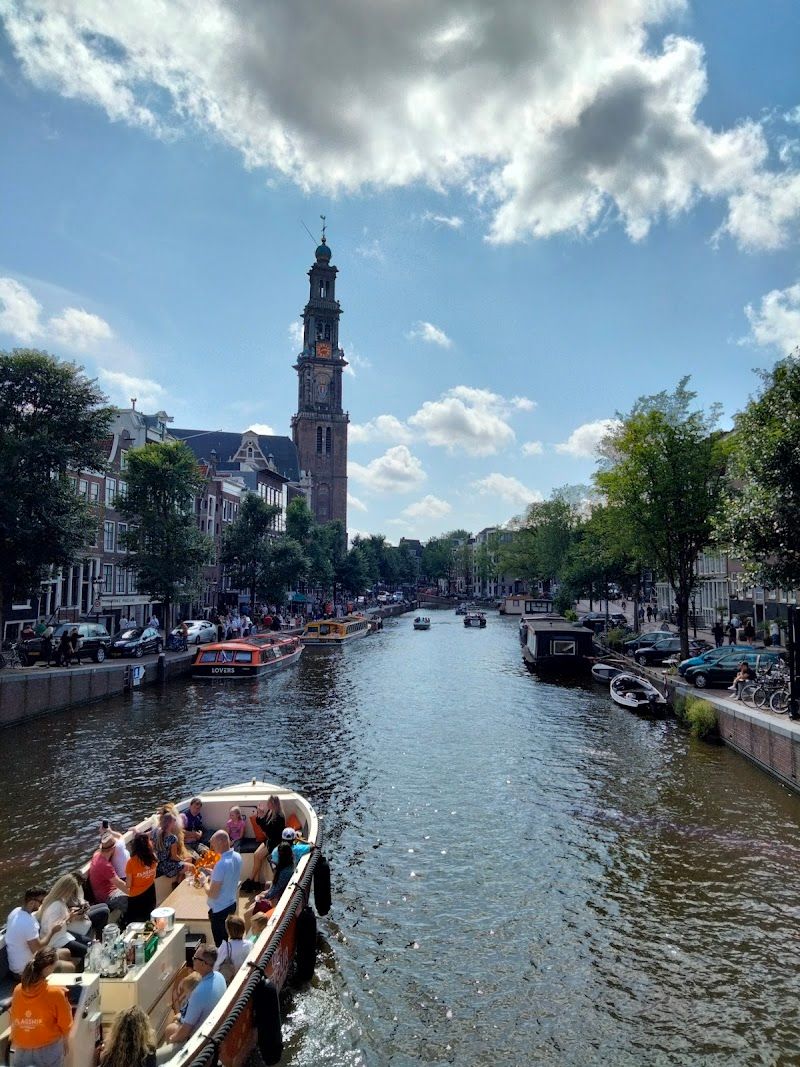
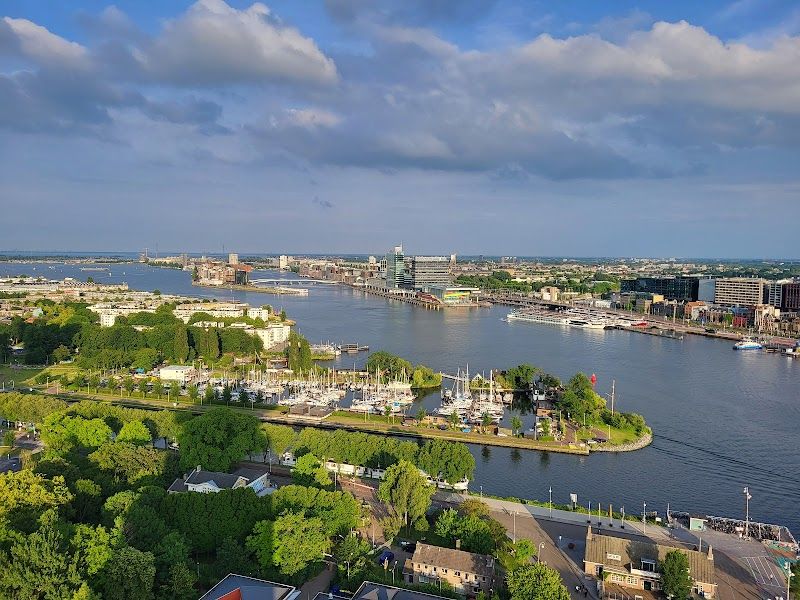
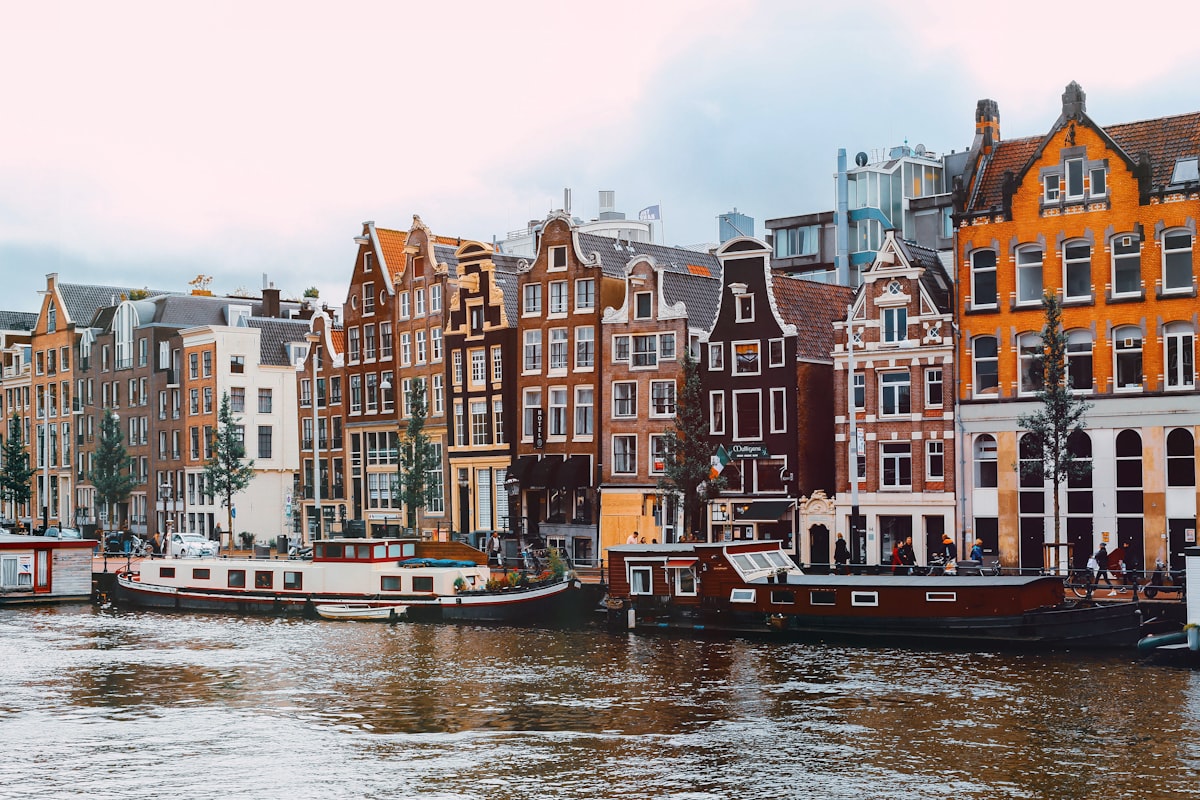
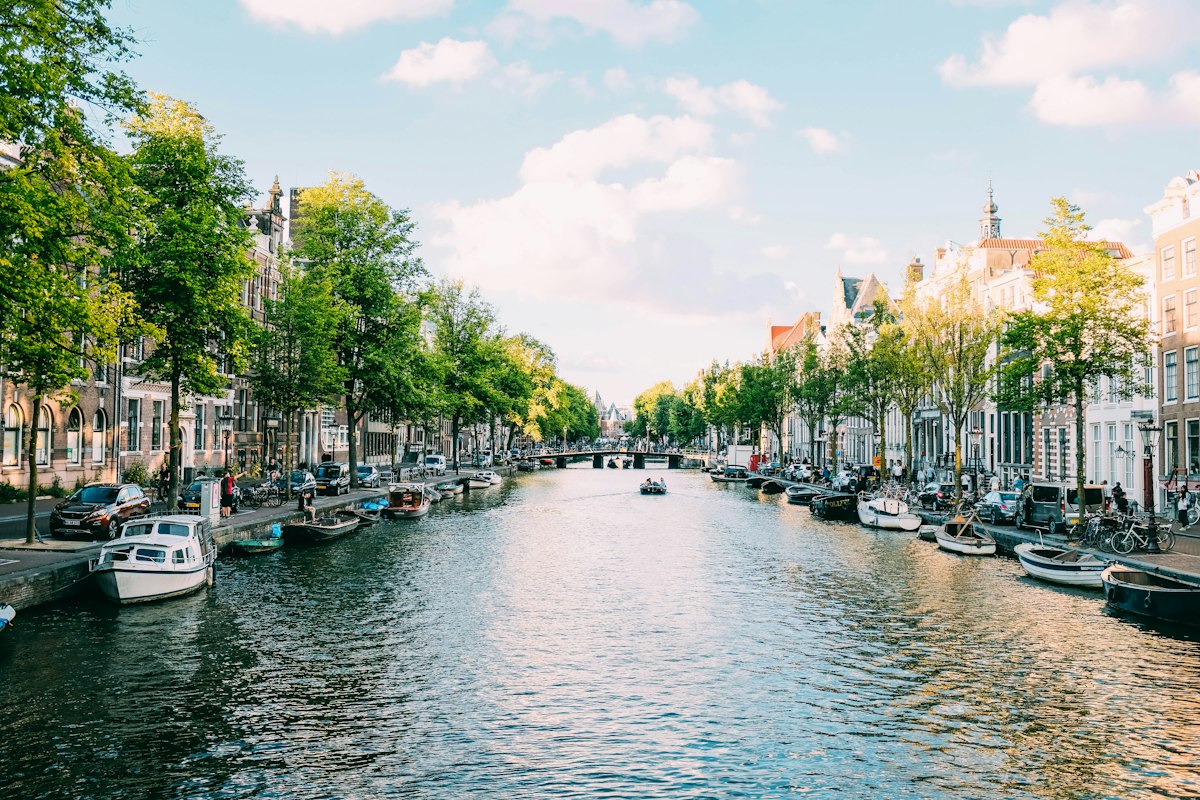
Amsterdam is a city built on water, bikes, and the quiet confidence that comes from turning a swamp into one of Europe's most livable capitals. The canal ring, a UNESCO World Heritage Site since 2010, still looks like a Vermeer painting on a good day: light hitting the gabled facades, houseboats bobbing at the edges, someone cycling past with a crate of tulips strapped to the rack.
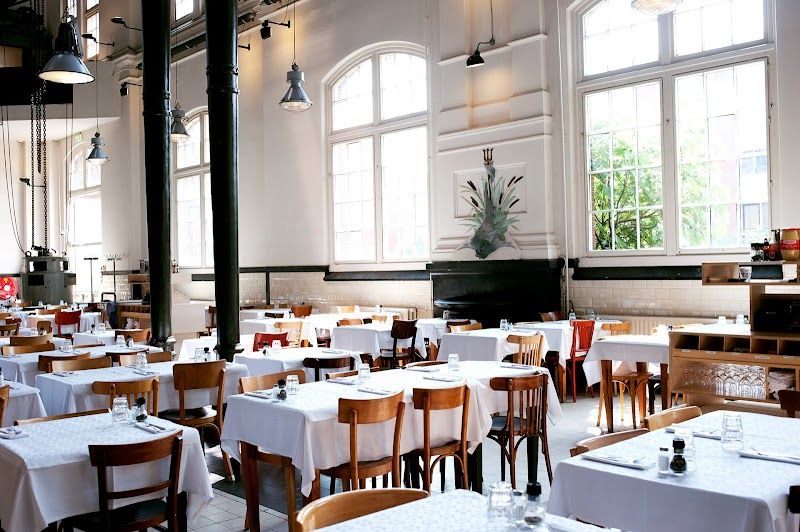
But this is not a museum city. The Jordaan, once a working-class district, is now where you'll find Saturday markets, independent galleries, and brown cafes (bruine kroegen) where the wood paneling has been absorbing smoke and conversation for three hundred years. Cross the IJ to Noord and the landscape shifts: repurposed shipyards, rooftop bars, and Europe's largest open-air flea market at NDSM Wharf.
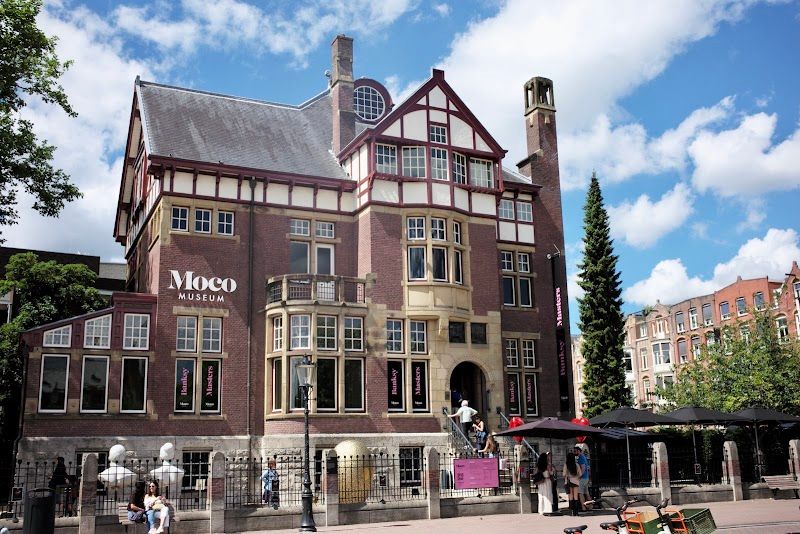
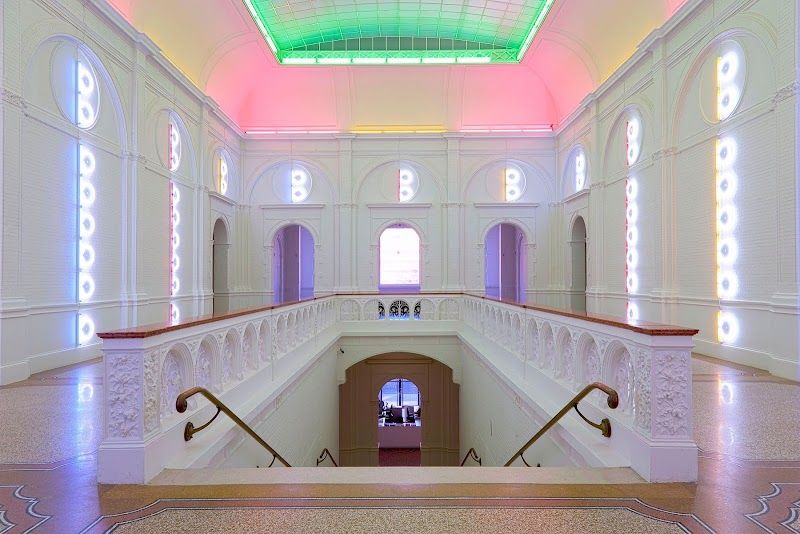
The cultural weight punches above the city's compact size. The Van Gogh Museum holds the world's largest collection of his work. The Rijksmuseum's Gallery of Honour leads to Rembrandt's Night Watch. The Stedelijk delivers contemporary art in a building locals call "the bathtub." And all three sit within a five-minute walk of each other on Museumplein.
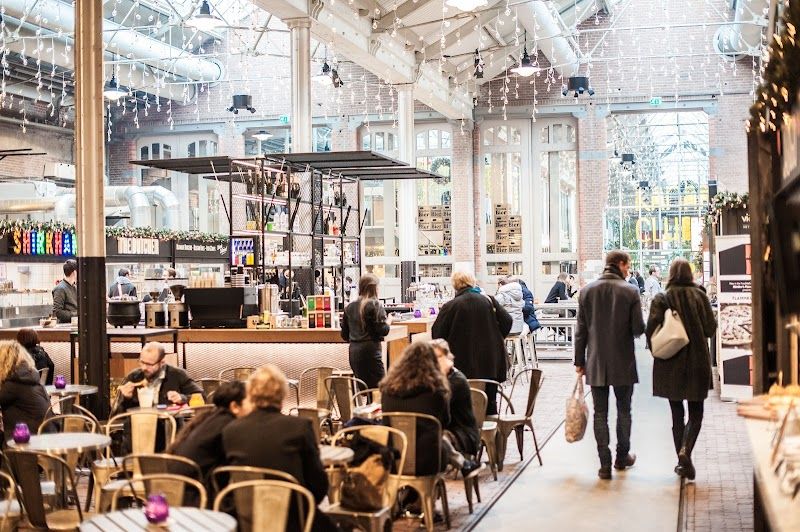
Amsterdam runs on pragmatism and tolerance, two qualities that explain everything from the bike infrastructure (more bikes than people, 767 km of dedicated lanes) to the coffeeshop culture to the fact that you can have a Surinamese roti, an Indonesian rijsttafel, and a fresh herring from a market stall all in the same afternoon. Pack layers. It will rain. You won't care.
Pick your base
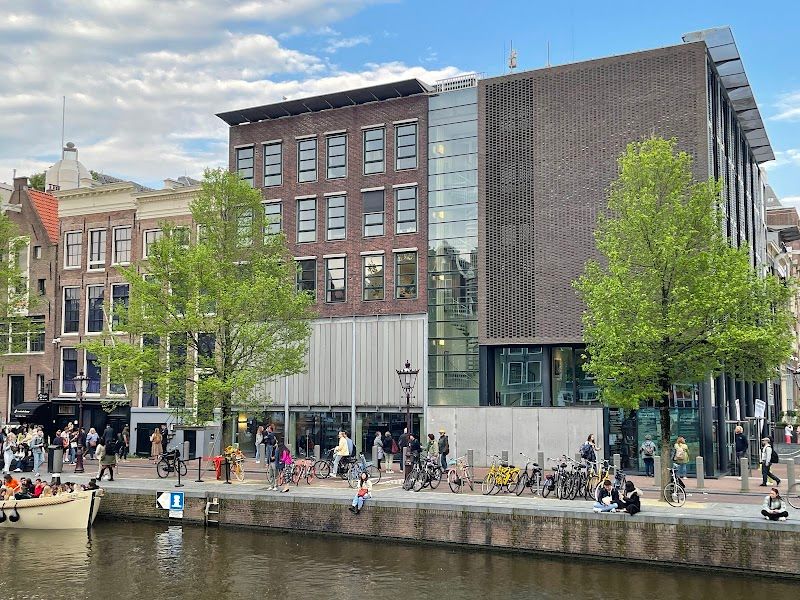
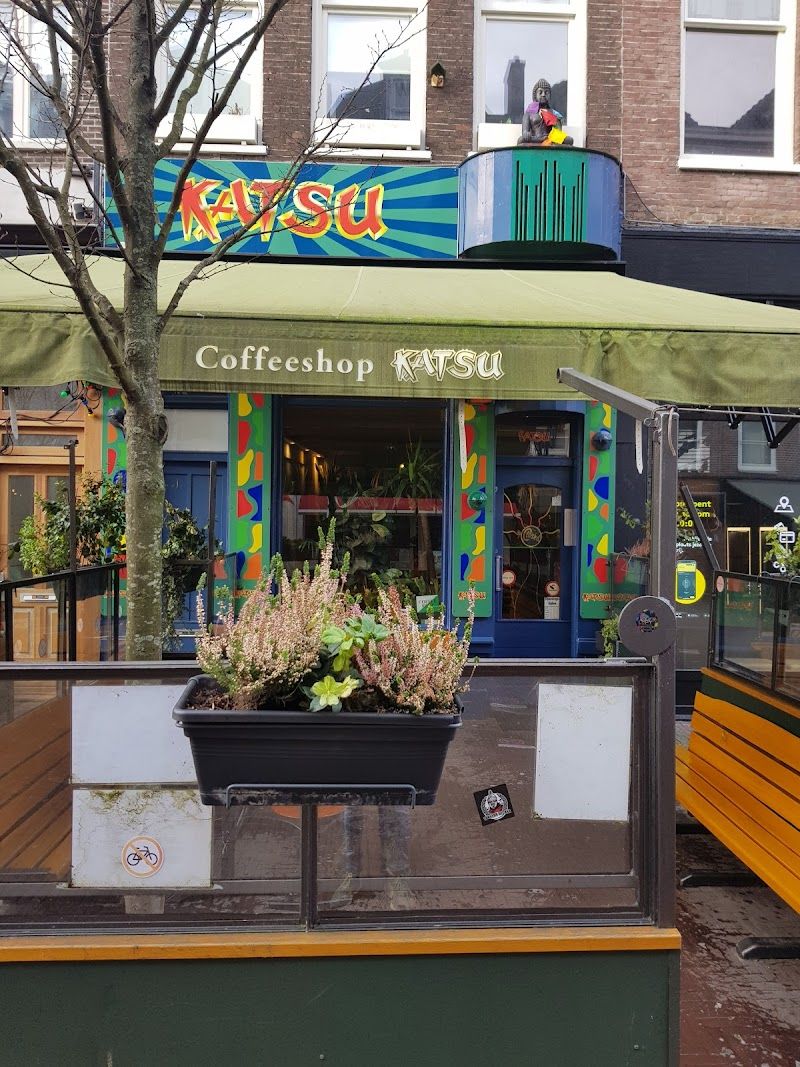


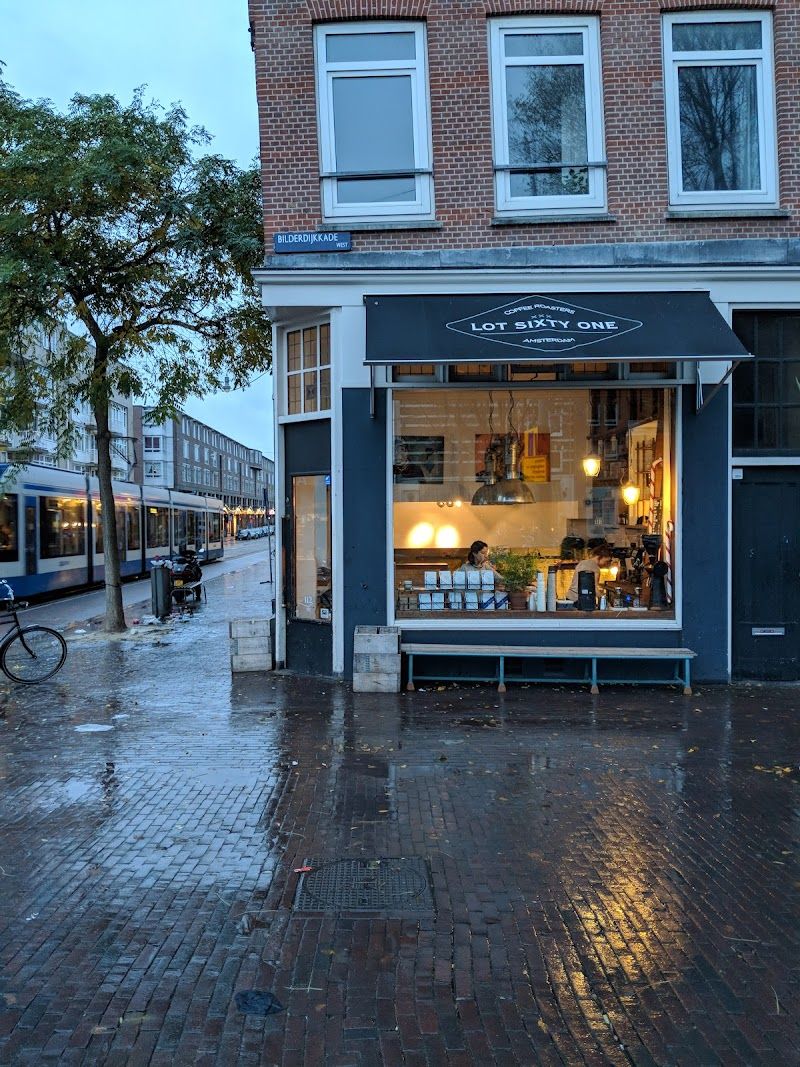
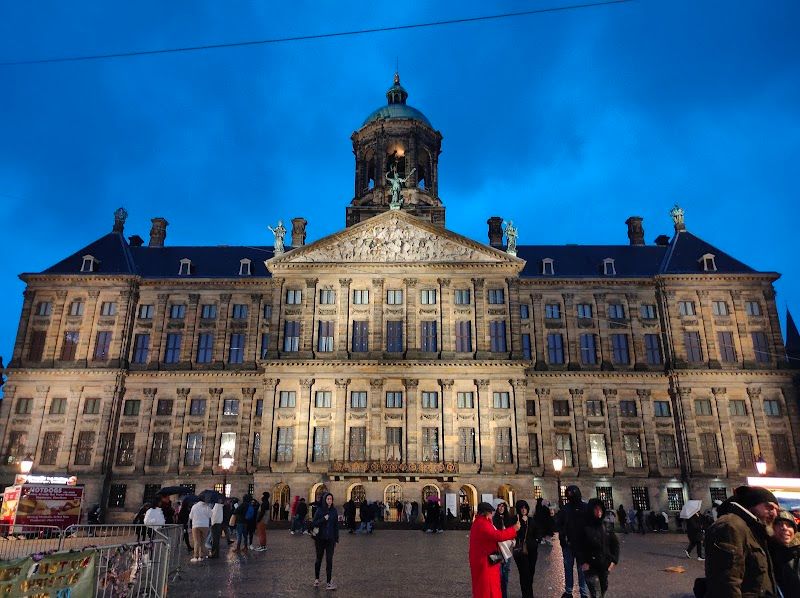
Stay in Amsterdam
Real-time pricing across hotels, apartments, and ryokans. Book direct from the map.
Things to do in Amsterdam
Experiences worth booking ahead
Vetted tours and tickets we'd send a friend to. The ones worth reserving before you arrive.
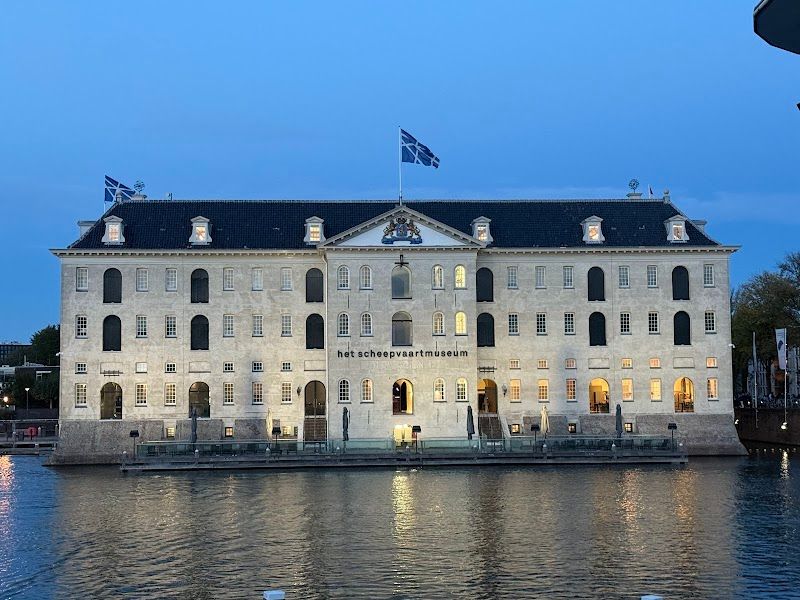
Travel guides
From the blog
Practical bits, answered
Stay in the bike lane (the red asphalt), signal left turns with your hand, never stop in the bike lane, and lock with two locks minimum. Rent from MacBike (around EUR 24-28/day for a standard bike depending on location and season, verify directly as pricing shifts) or use Donkey Republic via their app, where per-minute and hourly rates can add up quickly - check current prices in-app before assuming any daily total, as rates have increased in recent years. Standard city bike rentals typically run EUR 18-25/day across shops, though e-bikes push well above that range. Ask specifically for a regular bike unless you want to pay the premium.
Van Gogh Museum (EUR 22) and Anne Frank House (EUR 16) sell out weeks ahead. Book the moment slots open. Anne Frank House releases tickets on a rolling 8-week basis at 10:00 AM CET and they disappear in minutes. The House also releases a limited number of same-day tickets each morning, worth checking if you missed the advance window. Note that both museums have adjusted pricing in recent years, so confirm current rates directly before booking. Rijksmuseum at EUR 22.50 is easier to book but still reserve online to skip the entrance queue.
Get a GVB 1-day pass (EUR 8.50) for unlimited trams, buses, and metro. Trams are the most practical way to get around the center. The metro network runs several lines across the city, including the Noord-Zuidlijn, which cuts straight through the center - verify current line numbering with GVB as routes have been renumbered in recent years. The free IJ-veer passenger ferry to Noord runs from behind Centraal Station and takes about 5 minutes - the main routes run very frequently including overnight, though schedules vary by route.
A 'coffee shop' means cannabis. A 'cafe' means coffee. A 'brown cafe' (bruine kroeg) means old-school pub. Getting these confused is practically a rite of passage for first-timers.
Dress in layers and bring a rain jacket. Amsterdam can serve you four seasons in a single afternoon. This is not Southern Europe. The wind off the canals adds a chill even in summer.
Three to four days hits the sweet spot. Day 1 for the museums (Van Gogh at EUR 22 plus Rijksmuseum at EUR 22.50), Day 2 for the canals and Jordaan, Day 3 for Noord and De Pijp. A fourth day lets you add a day trip to Haarlem (roughly 15 to 20 minutes by train from Amsterdam Centraal) or Zaanse Schans windmills. If you plan to cover multiple museums in a short stay, the I amsterdam City Card (EUR 65 for 24 hours, EUR 85 for 48 hours) bundles museum entry with unlimited public transport and can save you money depending on your itinerary.
Mid-range by European standards. A meal out runs EUR25-40, coffee is EUR2.5-4.5, museum entry varies widely from EUR15-26.5 (Rijksmuseum EUR22.5, Van Gogh Museum EUR22, Heineken Experience EUR25). Hotels average EUR150-250/night. Save money with GVB day passes (EUR8.5), market lunches (Dutch cheese EUR3-6, stroopwafels EUR2-4), and free ferries to Noord.
Generally safe for tourists, though a few specific risks are worth knowing before you arrive. Bike theft is common, so always use two locks and secure your bike to a fixed object. Pickpockets operate in the busiest tourist zones, particularly around Centraal Station and Dam Square, so keep bags zipped and close. The bigger physical risk for many visitors is simply walking into bike lanes by mistake, as cyclists have right of way and move fast. Scams do exist as they do across European tourist cities, though which types are currently most active in Amsterdam is hard to pin down with certainty. Standard advice applies: be cautious of strangers approaching you with unsolicited gifts, requests, or found items. Tap water in Amsterdam is safe to drink, so you can skip paying EUR 1.5-3 for bottled water by refilling a reusable bottle.
Do the math before buying. The 24-hour card costs EUR 65 and the 48-hour card costs EUR 85. Both include unlimited GVB transport (worth EUR 8.50 per day on its own) plus entry to major museums like the Rijksmuseum (EUR 22.50), Van Gogh Museum (EUR 22), and Stedelijk Museum (EUR 20). If you're only visiting 2-3 museums, individual tickets plus a separate GVB day pass often cost less. The card pays off if you're hitting 4 or more museums in 2 days.
The direct train from Schiphol to Amsterdam Centraal takes about 15 minutes and costs EUR 5.4. If you buy a single-use paper ticket at the station, expect to pay more. Trains run frequently throughout the day, though you should check current NS timetables for exact schedules and overnight service. The Connexxion Bus 397 Airport Express is a solid alternative at EUR 6.5, running directly to the city center. Taxis cost EUR 45-60 and take 30-45 minutes, longer during rush hour.
Let DAIZ plan your Amsterdam days
Tell us how long you've got and what you're into. We'll build a day-by-day plan, with the bookable bits ready to lock in.