The first thing you need to know about what food Amsterdam is known for: the touristy stroopwafel stands in Dam Square aren't the full story. Yes, Amsterdam has stroopwafel, but if you want to understand what this city actually eats, you need to look beyond the Instagram-worthy waffle stacks and dig into centuries of Dutch pragmatism, colonial influence, and brown cafe culture.
Amsterdam's food identity is built on three pillars: traditional Dutch comfort food designed to fuel workers through cold winters, Indonesian cuisine brought back from the colonial period, and the brown cafe (bruine kroeg) culture where locals gather over beer and simple, satisfying snacks. The result is a food scene that prioritizes substance over flash, where the best meals often happen in wood-paneled rooms that smell like centuries of cigarettes and conversation.
Traditional Dutch Food Amsterdam Locals Actually Eat
Bitterballen: The King of Amsterdam Bar Snacks
Bitterballen are what Amsterdam food is truly known for among locals, not stroopwafel. These deep-fried balls of ragout covered in breadcrumbs are the official snack of every brown cafe in the city. The filling is typically beef or veal in a thick roux sauce, seasoned with herbs and cooled until firm enough to shape.
You'll find the best bitterballen at Café 't Smalle in the Jordaan, where they serve them piping hot with mustard for EUR 8 for six pieces. The key to proper bitterballen is the contrast: crispy exterior that gives way to molten, savory filling that burns your tongue if you're impatient. Locals eat them with small wooden picks and never, ever cut them with a knife.
The Wednesday bitterbal special at most cafes drops the price to around EUR 6 for six, making it Amsterdam's best midweek drinking food. Order them with a Heineken or Amstel (EUR 4-7 depending on location) and you're eating like a local.
Stamppot: Amsterdam's Ultimate Winter Comfort Food
Stamppot represents everything practical about Dutch cuisine. This mashed potato dish mixed with vegetables and served with smoked sausage (rookworst) was designed to use winter root vegetables and keep workers warm during Amsterdam's damp winters.
The classic version is stamppot with sauerkraut and rookworst, but you'll also find versions with kale (boerenkool), carrots and onions (hutspot), or endive. Moeders in the Jordaan serves excellent stamppot (EUR 16-18) in a restaurant decorated with photos of customers' mothers, which tells you everything about the dish's homestyle appeal.
What makes Amsterdam stamppot different from other European comfort foods is the addition of gravy made from meat drippings and the Dutch insistence on serving it with pickled vegetables on the side. It's not refined, but it works.
Erwtensoep: Split Pea Soup That's Actually a Meal
Erwtensoep (split pea soup) in Amsterdam isn't soup - it's a meal thick enough to stand a spoon in. The traditional version includes split peas, pork shoulder, smoked sausage, and vegetables slow-cooked until it reaches the consistency of porridge.
The test of good erwtensoep is whether you can stand a wooden spoon upright in it for ten seconds. If the spoon falls over, it's too thin. You'll find authentic versions at traditional restaurants in Oud-West, where locals order it on cold days with dark rye bread and butter.
Most restaurants serve erwtensoep from October through March for EUR 12-15, often as a lunch special with bread and aged Dutch cheese.
Amsterdam Food Specialties: The Indonesian Connection
Rijsttafel: The Colonial Legacy on Your Plate
Indonesian food is what Amsterdam is genuinely known for in European culinary circles, thanks to centuries of Dutch colonial presence in Indonesia. The rijsttafel (rice table) is the crown jewel of this cuisine - a spread of 15-30 small dishes served with rice that showcases the complexity of Indonesian flavors.
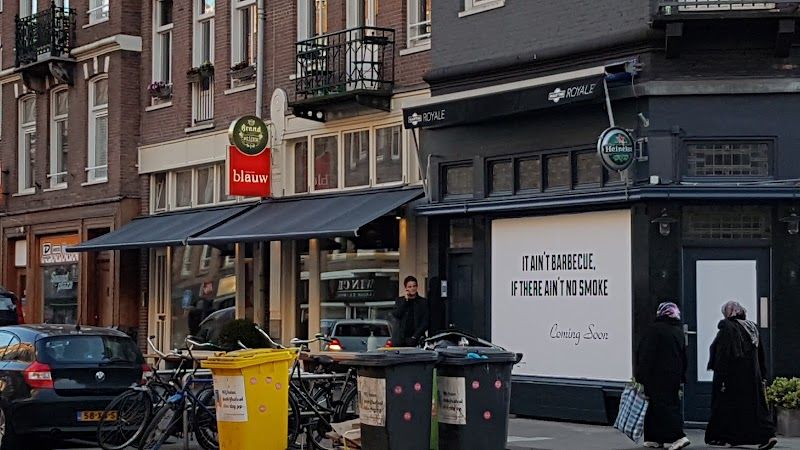
Restaurant Blauw in Oud-West serves the most authentic rijsttafel (EUR 32-45 per person) with dishes like rendang (slow-cooked beef in coconut and spices), gado-gado (vegetable salad with peanut sauce), and sambal goreng (spicy bean sprouts). The key to rijsttafel is variety - each dish represents a different flavor profile, from sweet to fiery hot.
Amsterdam has more Indonesian restaurants per capita than any other European city. The Javanese and Surinamese communities brought techniques that complement Dutch ingredients, creating fusion dishes you won't find in Indonesia itself.
Satay and Peanut Sauce
Satay (grilled meat skewers with peanut sauce) became so integrated into Amsterdam food culture that many locals consider it Dutch. You'll find satay stands at Albert Cuyp Market in De Pijp selling chicken or pork satay for EUR 4-6 per portion.
The Amsterdam version of peanut sauce tends to be thicker and sweeter than Indonesian versions, adapted to Dutch tastes over generations. Street vendors serve it with white bread instead of rice, creating a uniquely Amsterdam fast food.
Amsterdam Local Cuisine: Cheese Culture and Market Traditions
Dutch Cheese Beyond the Tourist Shops
Amsterdam food is deeply connected to Dutch cheese production, but not the wax-covered wheels sold to tourists. Local cheese shops in the Jordaan and at Albert Cuyp Market offer aged Gouda, Edam variations, and Amsterdam-specific cheeses like aged cheese with herbs.
Reypenaer Cheese Tasting (approximately EUR 15-20 per person) near Bloemenmarkt offers proper cheese education with wine pairings. You'll taste 6-8 varieties of aged Dutch cheese, learning the difference between 6-month and 36-month aged Gouda.
The key insight about Amsterdam cheese culture: locals eat it for breakfast on dark bread with butter, not as an appetizer with wine. Visit any neighborhood bakery and watch residents buy their daily bread with a slice of aged cheese for EUR 3-4.
Herring: The Controversial Amsterdam Classic
Raw herring with onions and pickles divides visitors, but it's what Amsterdam food culture is genuinely built on. The Dutch developed a special curing technique in the 15th century that made herring a protein source for long sea voyages.
Proper Amsterdam herring comes from stands like Stubbe's Haring near Centraal Station, where they serve it whole for EUR 3-4 with chopped onions and pickles. The traditional method is to hold the fish by the tail, tilt your head back, and lower it into your mouth - but asking them to cut it into pieces isn't shameful.
The herring season runs from May through July when the fish are at their fattest. During Hollandse Nieuwe season, you'll see office workers queuing at herring stands during lunch breaks.
What to Eat in Amsterdam: Neighborhood Food Specialties
Jordaan: Brown Cafe Culture and Traditional Snacks
The Jordaan is where amsterdam food traditions survive in their most authentic form. Brown cafes like Café 't Smalle serve traditional Dutch snacks alongside local beer. The neighborhood's working-class history means food portions are generous and prices reasonable.
Beyond bitterballen, try kroketten (croquettes filled with ragout) for EUR 2-3 each, kaas soufflé (cheese soufflé) for EUR 4-5, or appelgebak (Dutch apple pie) at Winkel 43 for EUR 4.50. The apple pie here is different from American versions - less sweet, more cinnamon, served with unsweetened whipped cream.
De Pijp: Market Food and International Flavors
De Pijp centers around Albert Cuyp Market, where amsterdam food specialties mix with international vendors. Saturday is the best day for food shopping, when local vendors offer samples of Dutch cheese, fresh stroopwafel (EUR 2-4), and seasonal produce.
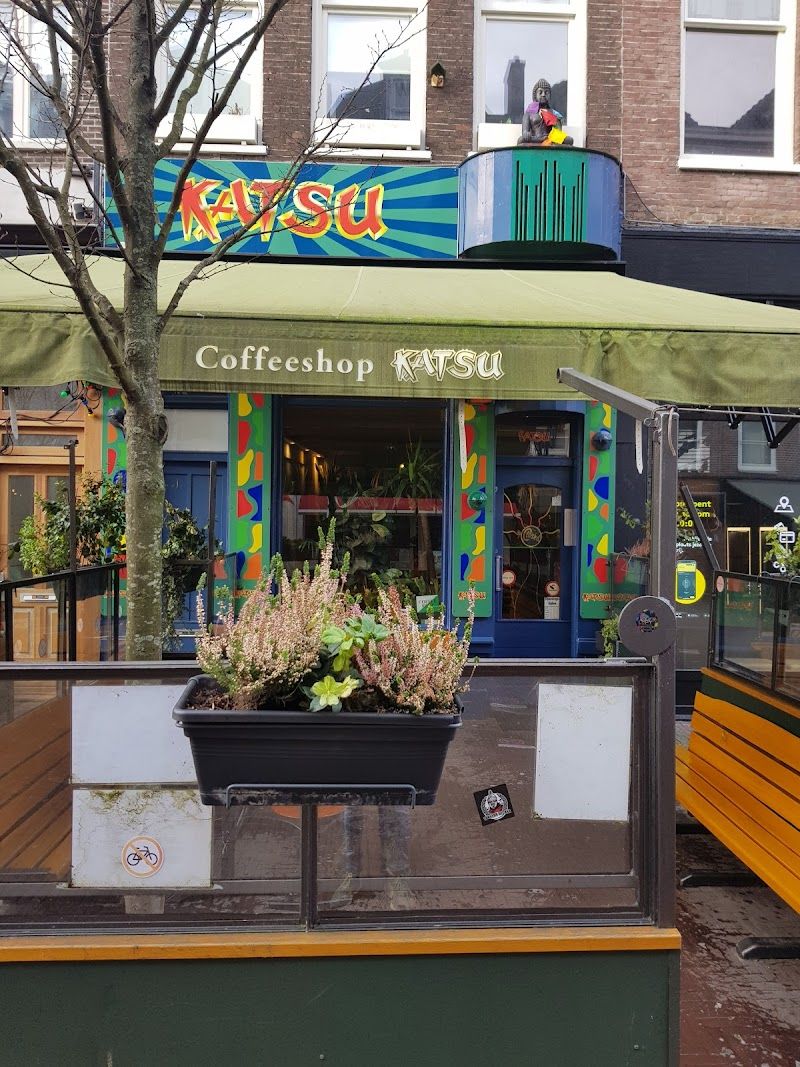
The neighborhood's multicultural character means you'll find Surinamese roti shops, Turkish döner stands, and Italian delis within a few blocks. Katsu serves modern European food with Asian influences, representing how Amsterdam cuisine continues evolving.
Centrum: Tourist Traps vs. Hidden Quality
Centrum contains both the worst tourist food and some genuinely excellent restaurants. The key is avoiding anything within 200 meters of Dam Square, where stroopwafel stands charge EUR 5-8 for what locals buy for EUR 2 elsewhere.
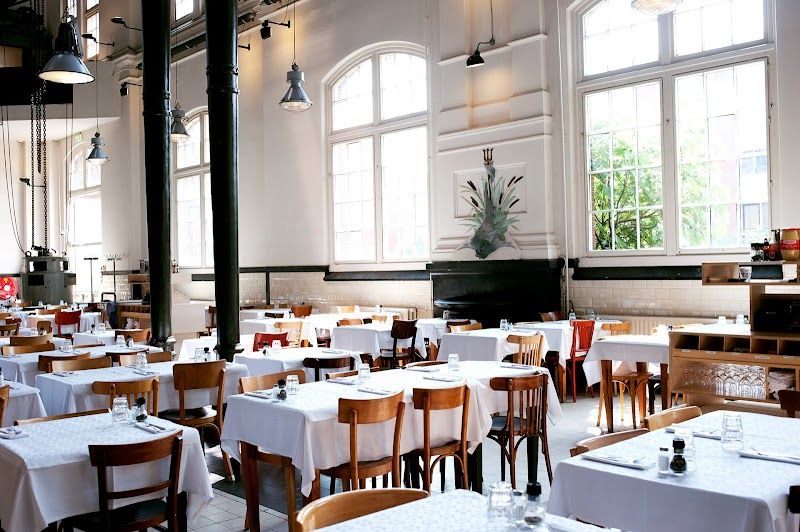
For authentic amsterdam food in Centrum, look for Grand Café Restaurant 1e Klas inside Centraal Station, where the Art Nouveau setting serves traditional Dutch dishes at reasonable prices. Their stamppot (EUR 16) and erwtensoep (EUR 12) match neighborhood standards at tourist-friendly prices.
Traditional Amsterdam Dishes: Breakfast and Sweets
Uitsmijter: The Practical Dutch Breakfast
Uitsmijter (literally "bouncer") is Amsterdam's answer to a hearty breakfast: fried eggs on bread with ham or cheese, served with salad. Most brown cafes serve uitsmijter for EUR 8-12, making it one of the city's best breakfast values.
The dish reflects Dutch pragmatism - protein, carbs, and vegetables in one plate. Order it at neighborhood cafes rather than hotels, where they often charge double for the same dish.
Stroopwafel: Beyond the Tourist Version
Real stroopwafel in Amsterdam comes warm from market stalls, not shrink-wrapped from souvenir shops. At Albert Cuyp Market or Ten Katemarkt, watch bakers press fresh waffles and fill them with caramel syrup for EUR 2-3.
The traditional way to eat stroopwafel is to place it over a hot coffee cup, letting steam soften the caramel. This isn't Instagram performance - it's how the waffle was designed to be eaten.
Dutch Pancakes vs. Poffertjes
Dutch pancakes (pannenkoeken) are thin, crepe-like pancakes served with both sweet and savory toppings. Pancake Bakery in the Jordaan serves over 70 varieties (EUR 8-16), from traditional apple and cinnamon to bacon and cheese combinations.
Poffertjes are smaller, fluffier pancakes served with powdered sugar and butter. Street vendors at Christmas markets sell them for EUR 4-6 per portion, but they're available year-round at traditional restaurants.
Amsterdam Restaurant Recommendations by Food Type
Best Traditional Dutch Restaurants
Moeders in the Jordaan serves the most authentic stamppot and erwtensoep in tourist-accessible locations. The kitsch decor (photos of customers' mothers covering every wall) might seem gimmicky, but the food is serious.
Café de Reiger in the Jordaan offers traditional Dutch cuisine with modern presentation. Their seasonal menu changes based on available ingredients, but stamppot and Dutch cheese plates remain constants.
Best Indonesian Restaurants
Restaurant Blauw operates multiple Amsterdam locations serving consistent rijsttafel. The Oud-West location offers the full experience with 18-dish rijsttafel for two people.
Kantjil & de Tijger near Spui serves Indonesian food adapted to Dutch tastes - less spicy than authentic versions but accessible to newcomers.
Best Brown Cafes for Food
Café 't Smalle combines the best brown cafe atmosphere with proper bar snacks. Their bitterballen and cheese plates pair perfectly with local beer.
Café Hoppe near Spui has operated since 1670 and serves traditional Dutch bar food in an atmosphere unchanged for decades.
Price Guide: What Amsterdam Food Actually Costs
Understanding amsterdam food pricing helps avoid tourist traps and find authentic local spots:
| Food Item | Tourist Area Price | Local Neighborhood Price |
|---|---|---|
| Stroopwafel | EUR 5-8 | EUR 2-4 |
| Bitterballen (6 pieces) | EUR 10-15 | EUR 6-8 |
| Stamppot with rookworst | EUR 18-25 | EUR 14-18 |
| Indonesian rijsttafel | EUR 40-60 | EUR 25-35 |
| Dutch cheese tasting | EUR 20-30 | EUR 12-18 |
| Apple pie slice | EUR 6-9 | EUR 3.50-5 |
The general rule: food prices drop by 30-40% once you leave Centrum. The same stroopwafel that costs EUR 6 near Dam Square costs EUR 2.50 at Albert Cuyp Market.
When and Where to Eat Like a Local
Lunch Culture
Amsterdammers eat lunch between 12:00-14:00, often simple meals like uitsmijter or soup with bread. Many offices close for lunch, so restaurants get busy quickly. Book ahead or arrive before 12:30 for popular spots.
Dinner Timing
Dinner service starts early by European standards - many restaurants open at 17:30 and locals eat between 18:00-20:00. This reflects Dutch work culture, where people finish work earlier than in Southern Europe.
Market Days
Saturday is the best day for food markets. Albert Cuyp Market, Ten Katemarkt, and Farmers Market at Nieuwmarkt all operate with full vendor participation on Saturdays.
Beyond the Basics: Modern Amsterdam Food Scene
While traditional amsterdam food specialties remain popular, the city's culinary scene continues evolving. International influences mix with Dutch ingredients to create dishes you won't find elsewhere.
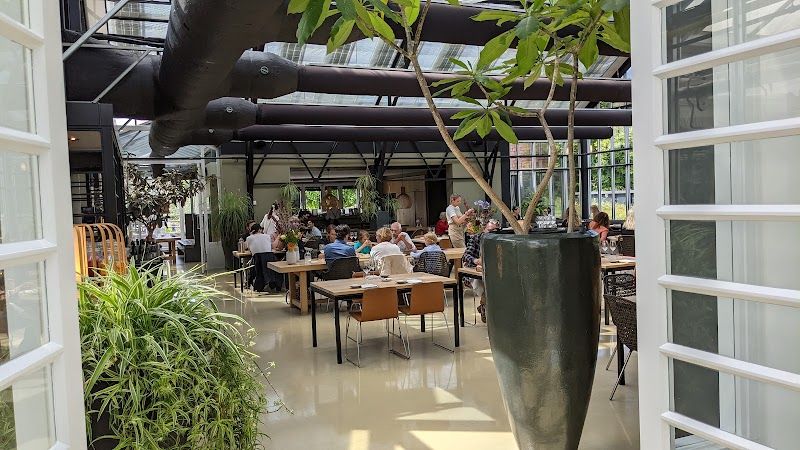
De Kas in Oost grows vegetables in greenhouses and serves them the same day. Their menu changes daily based on harvest, representing how Amsterdam chefs work with local ingredients.
Surinamese-Dutch fusion appears throughout the city, combining South American spices with European techniques. Roti shops in De Pijp serve curried vegetables wrapped in flatbread - fast food that reflects Amsterdam's multicultural population.
The key to understanding what food Amsterdam is known for isn't finding the most authentic traditional dish - it's recognizing how centuries of trade, immigration, and practical Dutch cooking created a food culture unlike anywhere else in Europe. Whether you're ordering bitterballen at a brown cafe or rijsttafel at an Indonesian restaurant, you're eating history.
For visitors wanting to experience Amsterdam's food culture comprehensively, start with our complete neighborhood food guide or plan your eating schedule around our 5-day Amsterdam experience itinerary.