Amsterdam food specialties go far deeper than the stroopwafels hawked at tourist traps around Dam Square. The city's culinary landscape reflects 400 years of global trade, Indonesian colonial history, and a practical Dutch approach to feeding yourself well without fuss. Walk through De Pijp at dinner time and you'll smell Indonesian spices, see locals queuing at herring stands, and find restaurants serving stamppot made the way their grandmothers did.
This is not a city that puts food on pedestals. Amsterdam food culture is about sustenance that makes sense: filling, flavorful, and often surprisingly international. The real amsterdam food specialties tell the story of a port city that brought the world's flavors home and made them Dutch.
Traditional Amsterdam Food: The Dutch Foundation
Herring: The Ultimate Local Test
Raw herring from a street cart is Amsterdam's most authentic food experience. Locals eat it one of two ways: either holding the fish by the tail and lowering it into their mouth, or chopped with onions and pickles on a small paper plate. The herring season runs from May to July when the fish is at its fattest, but vendors serve it year-round.
Frits Haringhandel at Koningsplein has operated since 1957 and serves herring the traditional way. A whole herring costs EUR 2.5, or EUR 3.5 with accompaniments. The cart opens at 10am Tuesday through Saturday. New Yorkers accustomed to lox will find Dutch herring saltier and more substantial.
Verdict: If you can handle sashimi, you can handle herring. It's not a novelty - it's what Amsterdammers actually eat for lunch.
Stamppot: Winter Comfort Done Right
Stamppot represents Dutch cooking at its most practical: mashed potatoes mixed with vegetables and served with smoked sausage (rookworst). The most common versions use sauerkraut (zuurkoolstamppot), kale (boerenkoolstamppot), or carrots and onions (hutspot). Moeders in the Jordaan serves authentic versions for EUR 16-18.
The dish originated as peasant food but remains popular because it works: filling, nutritious, and warming during Amsterdam's gray winters. Restaurant De Reiger on Nieuwe Leliestraat makes excellent boerenkoolstamppot from October through March when kale is in season.
Dutch Cheese: Beyond the Tourist Shops
Amsterdam sits at the center of Dutch cheese country, but the plastic-wrapped wheels at souvenir shops don't represent what locals eat. Real Dutch cheese comes from weekly markets where vendors offer tastings and sell by weight.
The Albert Cuyp Market has three serious cheese vendors. Van Tricht Kaas (stall 78) specializes in aged Gouda and Edam, with 18-month aged Gouda at EUR 24 per kilo and 4-year aged at EUR 32. They'll vacuum-pack purchases for travel.
The difference between tourist cheese and local cheese is aging. Young Gouda tastes mild and slightly sweet. Aged Gouda develops crystalline texture and sharp, nutty flavors. Locals buy aged cheese for evening snacks with drinks.
Amsterdam's Indonesian Heritage: The Colonial Kitchen
Rijsttafel: The Indonesian Feast
Amsterdam has Europe's best Indonesian food, a direct result of Dutch colonial history in Indonesia. The rijsttafel (rice table) tradition developed in colonial Java but became thoroughly Dutch. A proper rijsttafel includes 12-20 small dishes served with white rice: rendang beef, gado-gado salad, satay, sambal, and various curries.
Restaurant Blauw in Oud-West serves the city's most respected rijsttafel for EUR 29.5 per person (minimum two people). The restaurant sources spices directly from Indonesia and employs Indonesian cooks. Reservations essential on weekends.
Kantjil & de Tijger on Spuistraat offers a more casual approach with individual Indonesian dishes from EUR 14-22. Their rendang uses beef slow-cooked in coconut milk and spices for four hours.
Satay and Indonesian Snacks
Beyond full rijsttafel dinners, Indonesian snacks appear throughout Amsterdam. Satay (grilled skewered meat with peanut sauce) costs EUR 4-6 for four skewers from Indonesian takeaways. Toko Dun Yong on Albert Cuypstraat sells excellent satay plus Indonesian groceries.
Kroepoek (prawn crackers) and lumpia (spring rolls) are standard Dutch-Indonesian crossover foods. Many Amsterdam cafes serve kroepoek as bar snacks alongside Dutch cheese.
Dutch Specialties Amsterdam Locals Order
Bitterballen: The Ultimate Dutch Pub Food
Every amsterdam food specialties list includes bitterballen, but most explanations get them wrong. These aren't "Dutch meatballs" - they're crispy balls filled with beef ragout, served with mustard for dipping. The filling should be creamy and rich, not dense like a meatball.
Café 't Smalle in the Jordaan serves exemplary bitterballen for EUR 7.5 per portion (6 pieces). The 17th-century brown cafe gets the ragout consistency perfect: it flows slightly when you bite through the crispy exterior.
Timing matters with bitterballen. Order them fresh from the kitchen, not reheated. Quality establishments make the ragout daily and coat the balls to order.
Erwtensoep: Green Pea Soup Done Properly
Dutch split pea soup (erwtensoep or snert) appears on Amsterdam menus from October through March. The traditional version is thick enough to stand a spoon upright, loaded with smoked sausage, pork, and vegetables. Café Hoppe on Spui serves traditional erwtensoep for EUR 8.5.
The soup requires slow cooking - authentic versions simmer for hours. Many restaurants now serve watered-down versions that miss the point entirely. Look for soup thick enough to be a meal, not an appetizer.
Dutch Apple Pie: The Local Way
Dutch apple pie (appeltaart) differs significantly from American versions. The Dutch style uses a thick, sweet crust that forms walls around the filling. The apples are mixed with cinnamon, raisins, and sometimes almond paste. Winkel 43 near the Anne Frank House serves Amsterdam's most famous appeltaart for EUR 4.5 per slice.
Locals eat appeltaart with coffee in the afternoon, not as dessert after dinner. The slice comes with a dollop of whipped cream (slagroom) that you're meant to mix with each bite.
Amsterdam Local Dishes by Neighborhood
Jordaan: Traditional Dutch Cooking
The Jordaan neighborhood maintains Amsterdam's strongest connection to traditional Dutch cooking. Brown cafes like Café Chris (established 1624) serve stamppot, erwtensoep, and other Dutch classics in settings that have changed little in centuries.
Cafe Restaurant Amsterdam in the Jordaan offers an updated take on Dutch cuisine with dishes like duck leg with red cabbage stamppot (EUR 24) and North Sea fish with mustard sauce (EUR 22). The restaurant occupies a 17th-century house overlooking Prinsengracht.
De Pijp: International Amsterdam
De Pijp represents Amsterdam's international food scene. The Albert Cuyp Market runs through the neighborhood's center, surrounded by restaurants representing every cuisine. This is where locals go for Vietnamese pho, Turkish kebabs, and Moroccan tagines.
Bazar on Albert Cuypstraat serves Middle Eastern and North African dishes in a former church. The mixed mezze platter (EUR 16.5) includes hummus, baba ganoush, falafel, and flatbread. The setting - dining under church windows - makes the experience distinctly Amsterdam.
Nieuwmarkt: Where Food Meets History
The Nieuwmarkt area hosts Amsterdam's Saturday farmers market, where local producers sell seasonal vegetables, artisanal cheeses, and fresh bread. The market surrounds the 15th-century Waag building, creating a medieval backdrop for contemporary food culture.
In de Waag restaurant occupies the historic building's ground floor and serves modern Dutch cuisine with ingredients sourced from the Saturday market. The three-course menu costs EUR 45 and changes seasonally.
What to Eat Amsterdam: A Practical Guide
Breakfast: The Dutch Morning
Traditional Dutch breakfast consists of bread with butter and toppings: cheese, ham, or sweet options like hagelslag (chocolate sprinkles). Most Amsterdam cafes serve uitsmijter - fried eggs on bread with ham and cheese - for EUR 8-12.
Bread & Coffee on Warmoesstraat bakes sourdough daily and serves it with Dutch cheese and cured meats. The Amsterdam breakfast platter (EUR 14) includes local cheese, ham, boiled egg, and homemade jam.
Lunch: Street Food and Cafes
Amsterdam lunch culture revolves around quick, filling meals. Broodje (sandwich) options include broodje kroket (croquette sandwich, EUR 4-5) and broodje gezond (healthy sandwich with cheese, lettuce, tomato, cucumber, EUR 5-6).
VLAAI & CO on Utrechtsestraat specializes in vlaaien - fruit tarts from Dutch Limburg province. The apricot vlaai (EUR 3.8) makes an excellent afternoon snack with coffee.
Dinner: Modern Dutch Meets Global
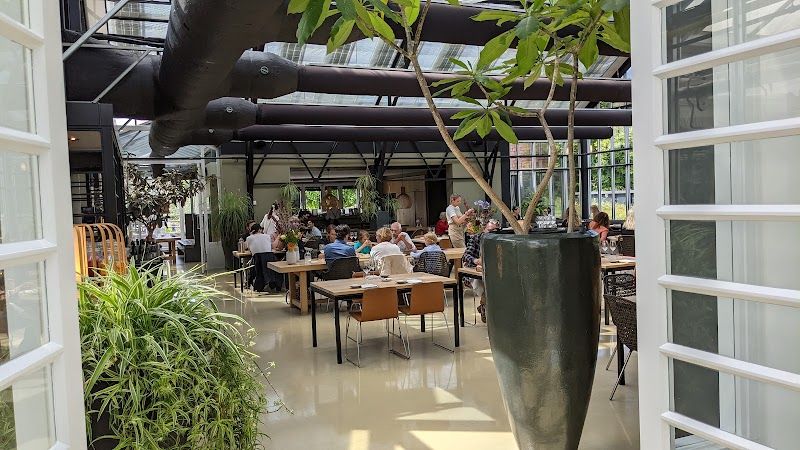
Contemporary Amsterdam restaurants blend Dutch ingredients with international techniques. De Kas grows vegetables in greenhouse dining rooms and serves dishes like roasted beetroot with goat cheese (EUR 18) and line-caught fish with seasonal vegetables (EUR 26).
The restaurant occupies actual greenhouses in Oost, where diners eat surrounded by growing plants. Reservations required; the greenhouse setting books weeks ahead.
Dutch Specialties Amsterdam Markets and Vendors
Stroopwafel: When and Where to Get Them
Fresh stroopwafels bear little resemblance to the packaged versions sold in souvenir shops. Proper stroopwafels are made to order on round waffle irons, filled with warm caramel syrup, and served immediately. The waffle should be slightly soft and the caramel still warm.
Original Stroopwafel Bakery has carts at Albert Cuyp Market and Nieuwmarkt. Fresh stroopwafels cost EUR 2-4 depending on size and toppings. The classic version needs no additions - the contrast between crispy waffle and warm caramel provides sufficient complexity.
Skip stroopwafels from tourist areas. The vendors around Dam Square serve mass-produced versions that miss the point entirely.
Cheese Markets and Specialists
Amsterdam's weekly markets offer the city's best cheese selection. Saturday's Noordermarkt in the Jordaan features De Kaaskamer's market stall, where you can taste before buying. Their 18-month aged Gouda (EUR 26/kg) develops the crystalline texture and complex flavors that make Dutch cheese worth seeking out.
Reypenaer Cheese Tasting on Singel offers guided tastings (EUR 16.5 per person) that explain Dutch cheese aging and production. The hour-long session includes six cheese varieties with wine pairings.
Amsterdam Food Culture: Understanding the Context
Amsterdam food culture prioritizes substance over style. Restaurants succeed by serving good food without pretension rather than chasing trends. This practical approach extends to pricing - excellent meals cost less than equivalent food in Paris or London.
The city's colonial history created an unusual situation: authentic Indonesian cuisine prepared by Indonesian immigrants for Dutch palates. The result is Indonesian food that's often more accessible to Western tastes while maintaining authentic preparation methods.
Dutch directness applies to food service. Servers tell you exactly what they think about dishes and won't pretend inferior ingredients are special. This honesty makes restaurant recommendations more reliable than in cities where servers automatically praise everything.
Amsterdam's compact size means quality food vendors develop neighborhood reputations. The herring cart at Koningsplein survives because locals return regularly, not because of tourist foot traffic. Following local food patterns - herring for lunch, Indonesian for dinner, cheese and drinks in brown cafes - provides insight into how Amsterdammers actually eat.
Planning a longer stay? Our 5 Days: The Complete Amsterdam Experience guide includes detailed food recommendations for each neighborhood, while Where to Eat in Amsterdam: A Neighborhood Food Guide breaks down the best restaurants by area. For families traveling with children, Amsterdam with Kids: Family-Friendly Guide covers kid-friendly restaurants and food experiences throughout the city.
The real amsterdam food specialties reflect a city comfortable with its own tastes. You'll eat better by following local preferences than chasing international restaurant guides. Start with herring, order rijsttafel for dinner, and end with aged cheese and jenever in a brown cafe. That's how Amsterdam eats.