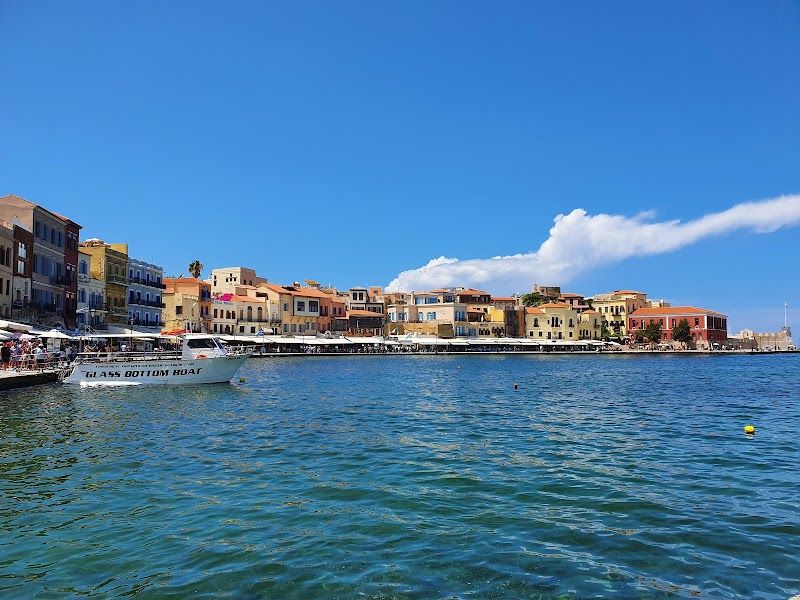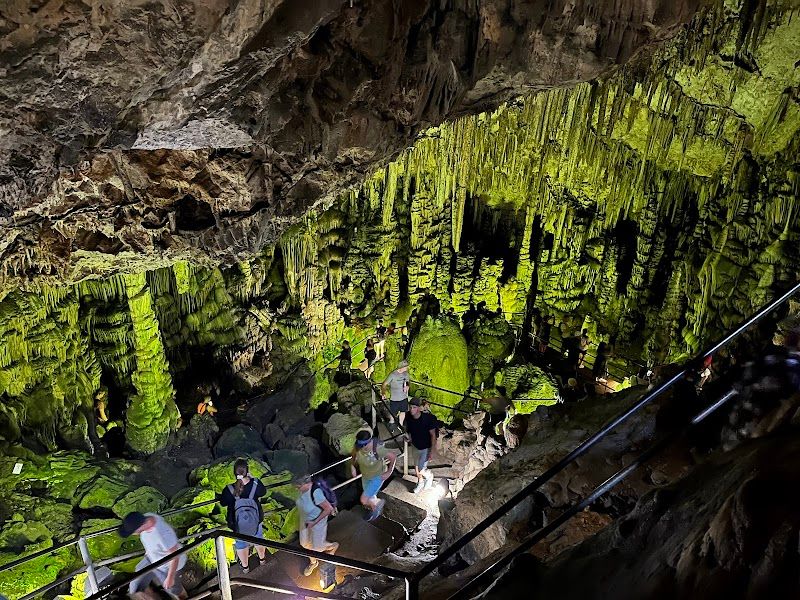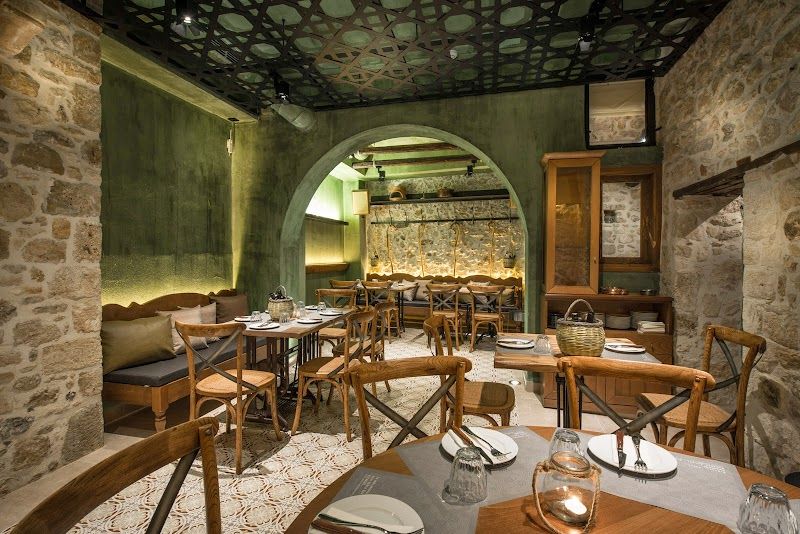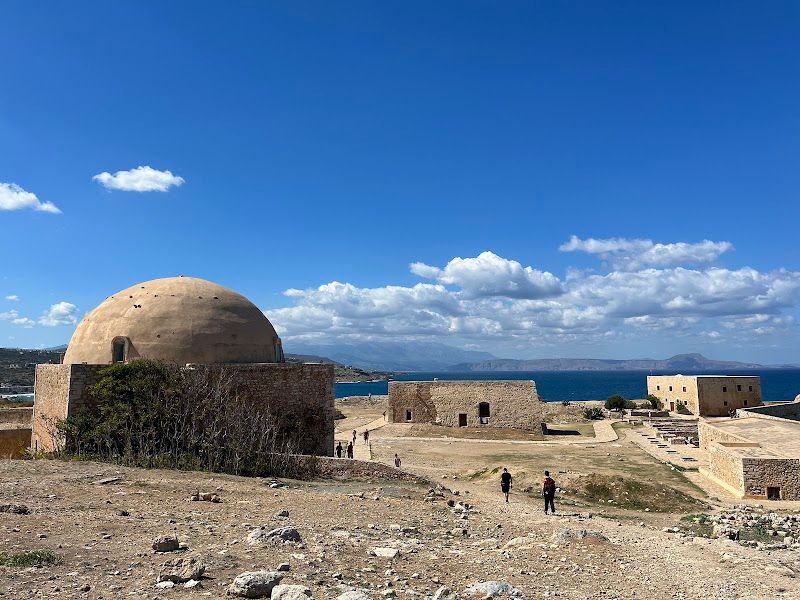
Your Crete budget per day depends on whether you're eating gyros at village squares or dining at waterfront restaurants in Chania's Venetian harbour. Budget travelers can manage on EUR 45-65 daily, mid-range visitors should plan EUR 90-140, and luxury seekers will spend EUR 180-250 per day. These figures reflect real 2026 prices across accommodation, meals, transport, and activities on Greece's most independent island.
Unlike Santorini or Mykonos, Crete doesn't prey on tourists with inflated prices. The island produces its own wine, olive oil, cheese, and meat, keeping restaurant costs reasonable. Beaches like Elafonissi and Balos Lagoon charge nothing for entry, though sunbeds cost extra. The main expense trap is car rental during peak summer, when daily rates hit EUR 95.
Daily Budget Breakdown for Crete
Budget Travel (EUR 45-65 per day)
- Accommodation: EUR 20-35 (dorm bed or basic pension)
- Food: EUR 15-25 (gyros, taverna lunch, supermarket dinner)
- Transport: EUR 5-10 (local buses, occasional taxi)
- Activities: EUR 5-15 (free beaches, one paid attraction)
Mid-Range Travel (EUR 90-140 per day)
- Accommodation: EUR 45-80 (3-star hotel or good Airbnb)
- Food: EUR 25-40 (taverna meals, café breaks)
- Transport: EUR 15-25 (car rental or bus + taxis)
- Activities: EUR 10-25 (museums, organized beaches, tours)
Luxury Travel (EUR 180-250 per day)
- Accommodation: EUR 100-200 (boutique hotel or villa)
- Food: EUR 40-70 (fine dining, wine, multiple courses)
- Transport: EUR 25-40 (premium car rental, private transfers)
- Activities: EUR 25-50 (guided tours, boat trips, experiences)
Crete Accommodation Costs by Season
Accommodation represents your largest daily expense, with dramatic seasonal swings. Budget pensions or Airbnb rooms cost EUR 40-75 nightly, including breakfast at family-run places in Rethymno old town or village locations. Mid-range hotels (3-4 stars) run EUR 90-160, concentrated around coastal resorts in Hersonissos and central Chania. Premium hotels and villas demand EUR 200-450, particularly the Elounda five-stars like Daios Cove and Blue Palace.
July and August push all categories toward their upper price limits. The sweet spot for value runs May-June and September-October, when temperatures remain warm but accommodation costs drop 30-40%. Book directly with hotels to avoid online travel agency markups, especially for suite upgrades.
Chania's old town offers the island's most atmospheric accommodation, from converted Venetian mansions to harbour-view boutiques. Expect EUR 20-30 premiums over equivalent properties in Heraklion. Rural agritourism estates in central Crete provide the best value, often including homemade breakfast and wine tastings.
Food and Restaurant Prices in Crete
Crete's food scene rewards every budget level, from EUR 3-5 gyros pitas (the island's reliable lunch option) to elaborate taverna dinners. Your daily Crete travel budget should allocate EUR 15-25 for budget eating, EUR 25-40 for comfortable taverna meals, or EUR 40-70 for wine-focused dining.
Street Food and Quick Meals Gyros remains the cheapest substantial meal, served with pork or chicken, tzatziki, and fries stuffed inside the pita. Village squares often have the best versions for EUR 3-4. Dakos (Cretan barley rusk salad with tomato and mizithra cheese) costs EUR 5-8 and appears on every menu - order it as your introduction to local ingredients.
Traditional Tavernas Taverna lunch runs EUR 15-25 per person, typically including a salad, main course, water, and house wine. Service charges are built into prices, though EUR 1-2 per person tips are standard. Dinner increases to EUR 25-40, especially when you order mezedes (small plates) to start. Most tavernas end meals with complimentary raki and watermelon - refusing the first shot is considered rude.
Drinks and Coffee Culture Espresso costs EUR 2-3.50, while Greek coffee (served with grounds settling in the cup) runs EUR 2.50-3. Summer brings frappe or freddo coffee at EUR 3-5, the sweet iced drinks that fuel afternoon beach sessions. Local Cretan wine ranges EUR 12-25 per bottle in tavernas, with Vidiano whites and Liatiko reds representing the island's flagship grapes.
| Meal Type | Price Range | What's Included |
|---|---|---|
| Gyros pita | EUR 3-5 | Meat, tzatziki, fries, pita |
| Taverna lunch | EUR 15-25 | Salad, main, water, house wine |
| Taverna dinner | EUR 25-40 | Mezedes, main, dessert, wine |
| Coffee/espresso | EUR 2-3.5 | Single shot, Greek or Italian style |
Transportation Costs Around Crete
Your Crete budget per day varies significantly based on transportation choices. Public buses offer the cheapest option, while car rental provides freedom at peak-season premiums.
Bus Travel Between Cities
KTEL buses connect major destinations with reliable service and fixed pricing. Heraklion to Chania costs EUR 15.10 (2h 45m journey), Heraklion to Rethymno runs EUR 8-9.50 (1h 30m), and Heraklion to Agios Nikolaos is EUR 7.40-8.50 (1h 15m). Departures run roughly hourly throughout the day, with tickets available at stations or on board.
Local city buses cost just EUR 1.20 in Heraklion for routes covering the city center, port, and airport. Buy tickets on board and validate them immediately - Greek transport police actively check.
Car Rental Pricing
Car rental represents the biggest transport expense, especially during high season. Small economy cars cost EUR 55-95 daily in July-August, dropping to EUR 25-40 during shoulder seasons (April, May, October). Weekly rentals offer better daily rates than short-term bookings.
Independent local agencies (Rental Center Crete, Auto Club) consistently undercut international chains. Book 4+ weeks ahead for the best rates, particularly for summer travel. All rental companies require full licenses - EU/UK motorcycle licenses are mandatory for scooters, which cost EUR 20-35 daily.
Airport and Local Transport
Heraklion airport taxis charge EUR 15-20 for the 5km journey to city center using fixed tariff rates. This beats the alternative bus-plus-walking combination for groups of 2-3 people.
Major Attractions and Activity Costs
Crete's attractions split between free natural sites and reasonably priced cultural locations. Budget EUR 10-25 daily for activities, depending on your interests.
Archaeological Sites and Museums
Knossos Palace entry costs EUR 20 (reduced EUR 10 for EU students and seniors), with online booking recommended to skip 60+ minute summer queues. The combined Knossos + Heraklion Archaeological Museum ticket runs EUR 25, saving EUR 15 versus separate purchases. Plan 2-3 hours for each site.
Heraklion Archaeological Museum charges EUR 20 (reduced EUR 12) to see the Snake Goddess figurine and Phaistos Disc. The museum closes Tuesdays in winter months.
Smaller attractions like Chania's Archaeological Museum (EUR 4-6) and Maritime Museum (EUR 6) offer affordable cultural stops. The Fortezza of Rethymno charges just EUR 4 for self-guided exploration of the Venetian fortress.
Beaches and Natural Attractions
Most Cretan beaches charge nothing for access, but organized sections rent sunbeds and umbrellas for EUR 8-15 per pair. Elafonissi Beach offers free areas alongside paid sections (EUR 8-15), while Balos Lagoon charges EUR 15-30 for equipment due to remote location logistics.
Samaria Gorge National Park entry costs EUR 10 for the famous 16km hike, with free admission for under-18s and EU seniors. The trek takes 5-7 hours, finishing at Agia Roumeli where ferries return to civilization.
Island Excursions and Boat Trips
Spinalonga fortress island requires boat transport plus entry fees. Boats from Plaka cost EUR 12 round-trip (shortest 10-minute crossing), Elounda charges EUR 14, and Agios Nikolaos runs EUR 16-25 for the scenic 60-90 minute journey. Spinalonga island entrance adds EUR 20 (reduced EUR 10) on top of boat fares.
Day trips to Santorini cost EUR 120-180 for full packages including bus transfers, ferry, and island transport. The alternative DIY ferry from Heraklion runs EUR 60-85 each way (2h 30m crossing).
How Much Does a Week in Crete Cost
A week-long Crete travel budget ranges from EUR 315-455 for budget travelers to EUR 1,260-1,750 for luxury seekers. Mid-range travelers should plan EUR 630-980 for seven days, covering comfortable accommodation, regular taverna meals, car rental or buses, and major attractions.
Budget Week (EUR 315-455)
- Accommodation: EUR 140-245 (7 nights in dorms/pensions)
- Food: EUR 105-175 (mix of gyros, tavernas, supermarkets)
- Transport: EUR 35-70 (buses plus occasional taxis)
- Activities: EUR 35-105 (free beaches, 2-3 paid attractions)
Mid-Range Week (EUR 630-980)
- Accommodation: EUR 315-560 (3-4 star hotels or good Airbnb)
- Food: EUR 175-280 (taverna meals, café breaks)
- Transport: EUR 105-175 (car rental 3-4 days plus buses)
- Activities: EUR 70-175 (museums, organized tours, boat trips)
Luxury Week (EUR 1,260-1,750)
- Accommodation: EUR 700-1,400 (boutique hotels, villas)
- Food: EUR 280-490 (fine dining, wine tastings)
- Transport: EUR 175-280 (full-week car rental, transfers)
- Activities: EUR 175-350 (private tours, experiences, premium beaches)
Car rental for a full week drops daily costs significantly - budget EUR 175-280 for small economy cars during low season, increasing to EUR 385-665 during July-August peaks.
Money-Saving Tips for Crete Travel
Time your visit strategically. May-June and September-October offer warm weather with 30-40% lower accommodation costs than peak summer. Restaurants maintain consistent pricing year-round, while attraction fees never change seasonally.
Choose accommodation wisely. Rethymno's old town and inland villages provide better value than coastal resort strips. Family-run pensions often include breakfast and local recommendations worth more than their room rate suggests.
Eat like locals do. Village tavernas away from beaches serve identical food at 20-30% lower prices. Lunch portions at many restaurants can easily feed two people - Greek taverna generosity is legendary. Take advantage of complimentary raki and desserts rather than ordering expensive after-dinner drinks.
Master the bus system. KTEL buses reach every major destination and beach, often with more convenient schedules than driving plus parking hassles. The comprehensive 5-7 day itinerary shows how buses access all essential Crete experiences.
Book directly when possible. Hotels offer room upgrades and flexible cancellation when you avoid booking platforms. Car rental companies provide better rates for advance bookings, particularly 4+ weeks ahead.
Prioritize free attractions. Crete's beaches, mountain villages, and coastal walks cost nothing beyond transport. The island's natural beauty and traditional culture shine brightest away from paid attractions.
Regional Price Variations Across Crete
Chania and western Crete command premium prices due to tourism infrastructure and scenic beauty. Expect 15-20% higher costs for accommodation and restaurants compared to other regions. The tradeoff brings you closer to Balos, Elafonissi, and the island's most dramatic landscapes.
Heraklion offers the best value for cultural attractions, with the archaeological museum and Knossos Palace providing essential Minoan history. The city lacks charm but provides practical budget options for food and accommodation.
Agios Nikolaos and eastern Crete split the difference between western premium pricing and central practicality. Family-friendly beaches and the Spinalonga excursion justify moderate price premiums over inland areas.
Central mountain villages provide the deepest value, particularly for traditional tavernas and agritourism accommodation. Your Crete budget per day drops significantly when you base yourself inland and make day trips to coastal attractions.
The key to managing your how much a trip to Crete costs lies in balancing your priorities. Beach lovers should splurge on western locations, history enthusiasts can save money while staying near Heraklion, and culture seekers find the best value in traditional mountain communities. Plan your daily budget around your primary interests rather than trying to see everything at once.