Greece

Crete

Europe's first civilization, pink sand beaches, the best food in Greece, and free raki at the end of every meal
Crete, Greece
Best Time
May-June and September-October
Ideal Trip
4-7 days
Language
Greek, English widely spoken in tourist areas
Currency
EUR
Budget
EUR 30-71/day
The place

About Crete

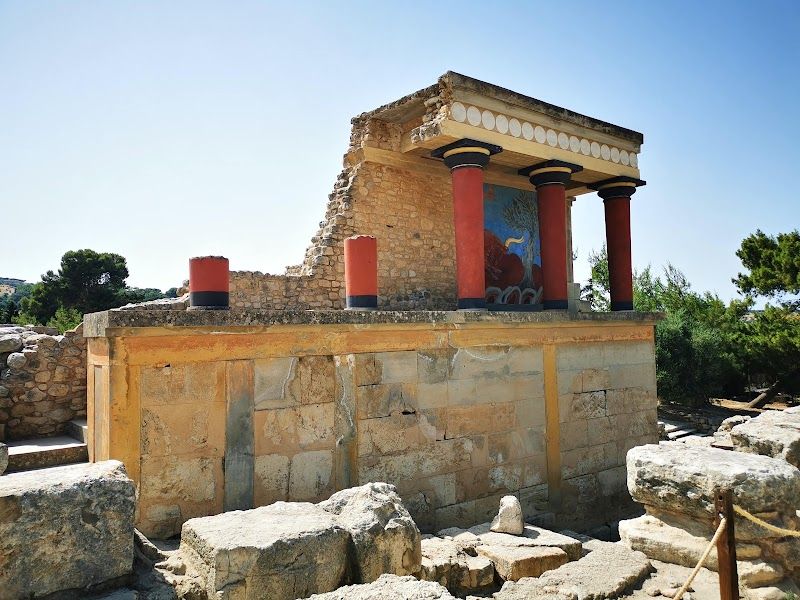
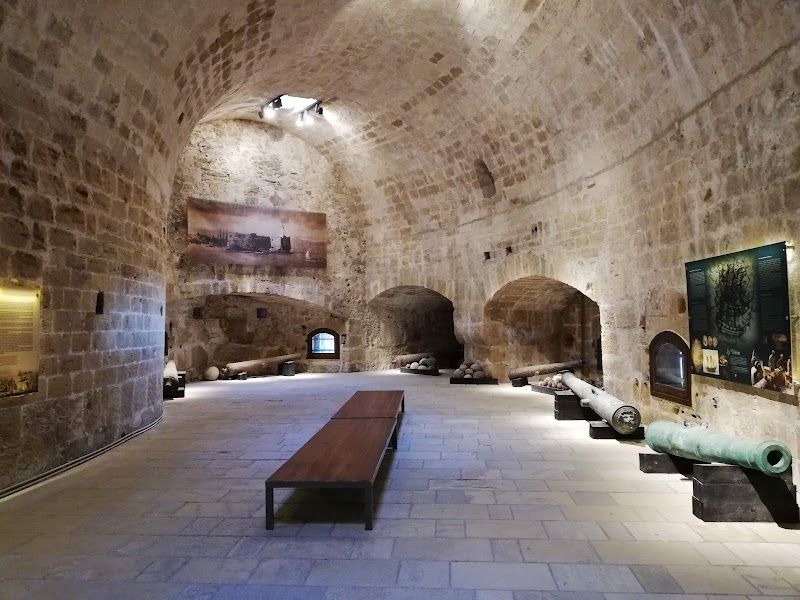
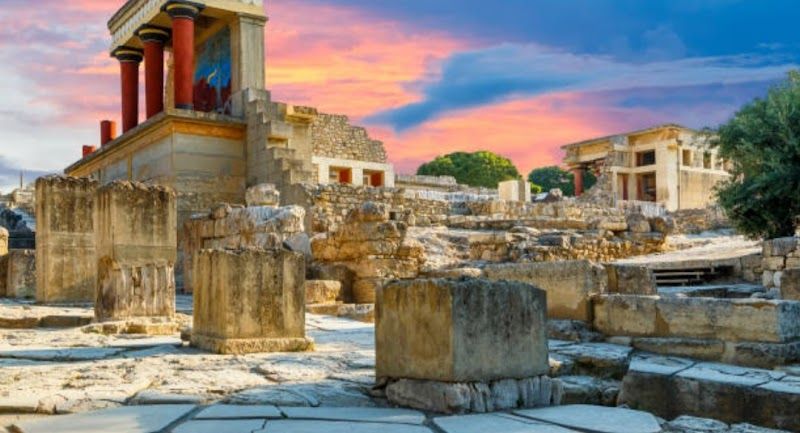
Crete is the largest Greek island and the one that behaves least like an island. It has its own mountain range (the White Mountains, 2,453m), its own cuisine (distinct from mainland Greek food), its own dialect, and an attitude toward Athens that ranges from polite indifference to cheerful defiance. The Minoans built Europe's first civilization here 4,000 years ago, and the Palace of Knossos (EUR 15, 20 min from Heraklion) is the archaeological evidence: a labyrinth of rooms, corridors, and frescoes that may have inspired the myth of the Minotaur.

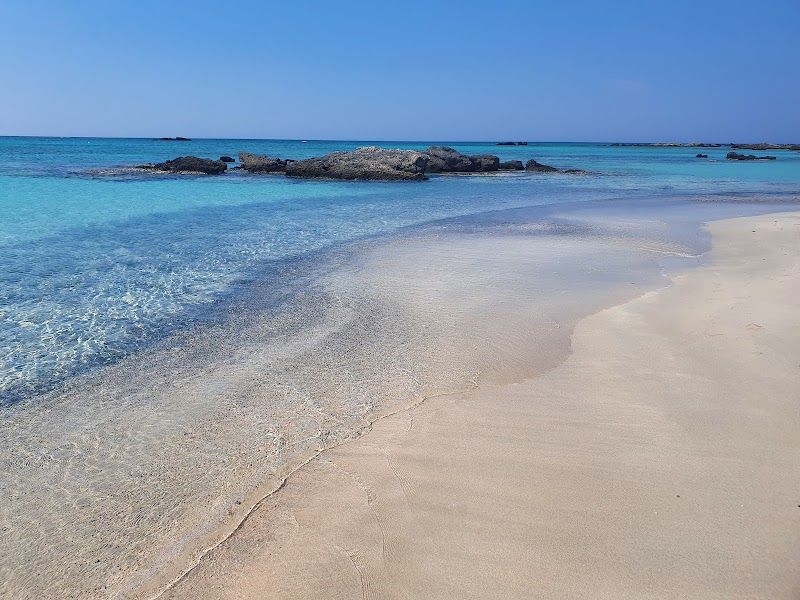
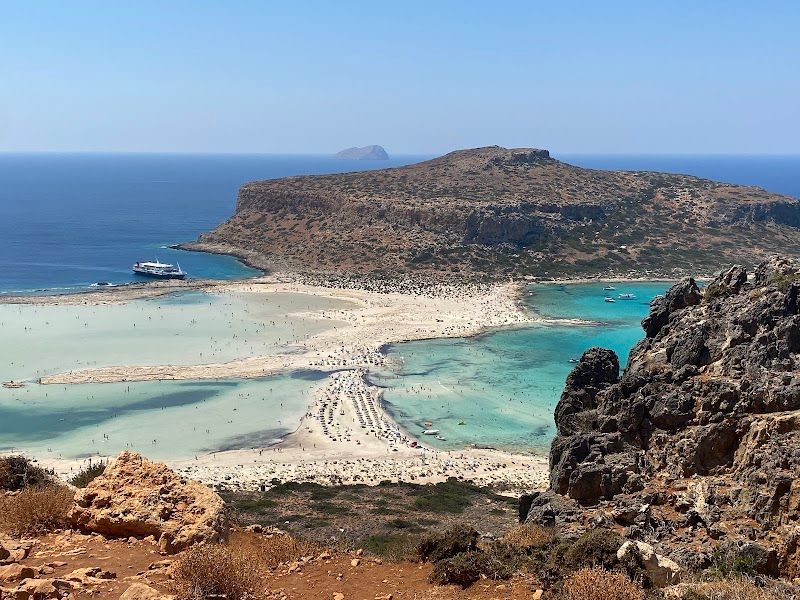
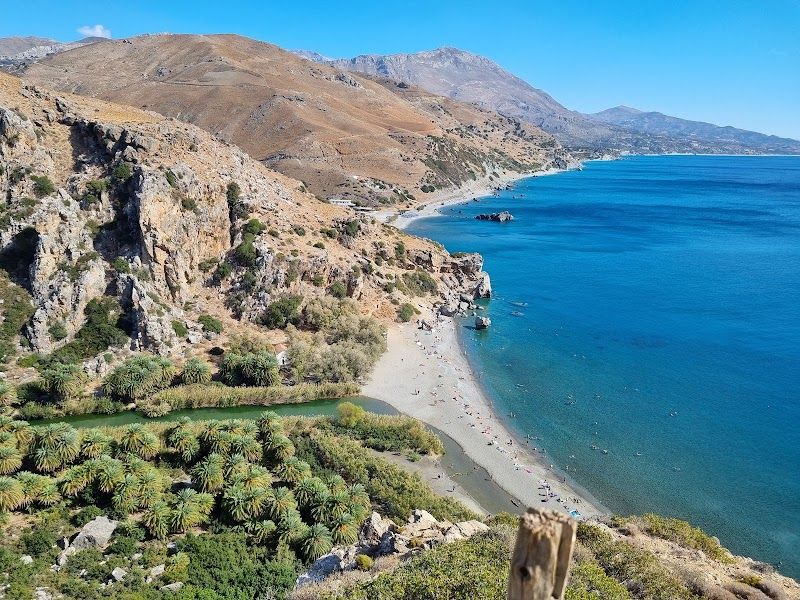
The beaches are the other reason. Elafonisi on the southwest coast has pink sand from crushed seashells and water so shallow and warm that you wade 50 metres before it reaches your waist. Balos lagoon in the northwest requires a 20-minute scramble down a rocky path (or a boat from Kissamos, EUR 25 return) and rewards you with turquoise water that looks photoshopped but is not. Vai on the east coast has Europe's largest natural palm forest backing onto a sandy cove. These beaches compete with any in the Mediterranean, and unlike Santorini, they are actual swimming beaches with actual sand.

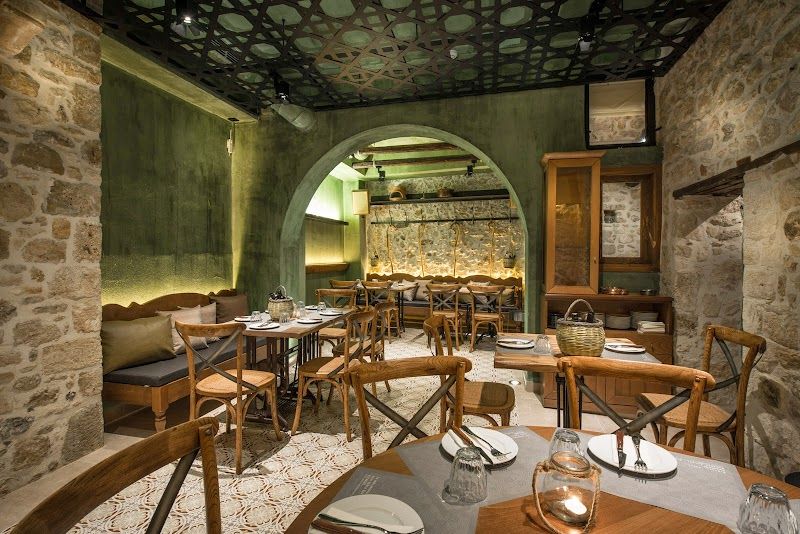
The food is the best in Greece and the Cretans know it. Dakos (barley rusk topped with crushed tomato, mizithra cheese, olives, and olive oil, EUR 6-8) is the island's signature dish and the snack that replaces bread at every table. Kalitsounia (small cheese or herb pies, EUR 1.50-2 each) are sold at bakeries across the island. Lamb and goat are cooked slowly in wood ovens, the olive oil is heavier and fruitier than anywhere on the mainland, and the tsikoudia (Cretan raki) arrives free at the end of every meal whether you ask for it or not. A full taverna dinner with wine costs EUR 15-25 per person, which makes Crete one of the best food destinations in Europe for the price.

Where to stay

Pick your base

Explore all regions
Where to book

Stay in Crete

Real-time pricing across hotels, apartments, and ryokans. Book direct from the map.

What to do

Things to do in Crete

View all activities
Hand-picked

Experiences worth booking ahead

Vetted tours and tickets we'd send a friend to. The ones worth reserving before you arrive.
All experiences
Read first

Travel guides

All guides
More on Crete

From the blog

View all
Good to know

Practical bits, answered

Yes. Crete is 260 km long and the bus network is slow and infrequent outside the north coast highway. Car rental costs EUR 25-45/day and is essential for beaches (Elafonisi is 75 min from Chania by car), mountain villages, the south coast, and the Lasithi Plateau. The national highway connects Heraklion, Rethymno, and Chania on the north coast (1.5-2.5 hours end to end). South coast roads are narrow and winding - allow double what Google Maps suggests. Book ahead in July-August.

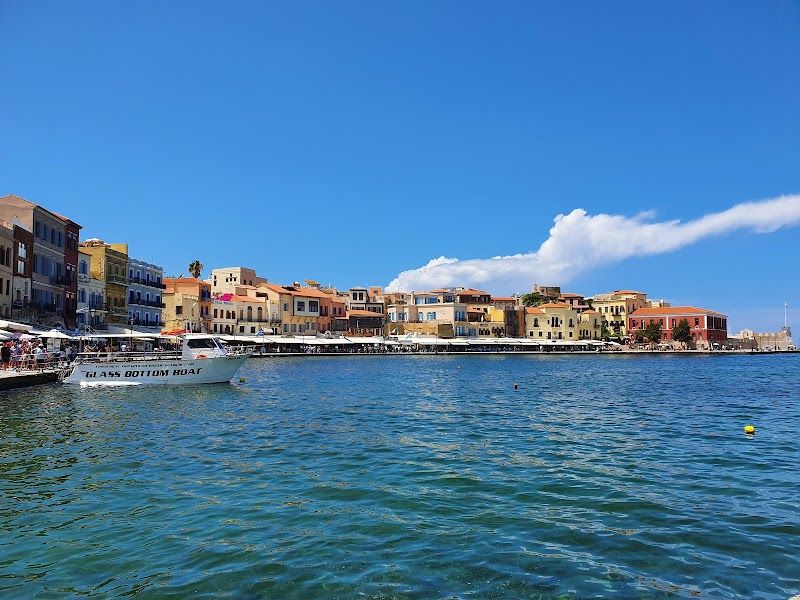
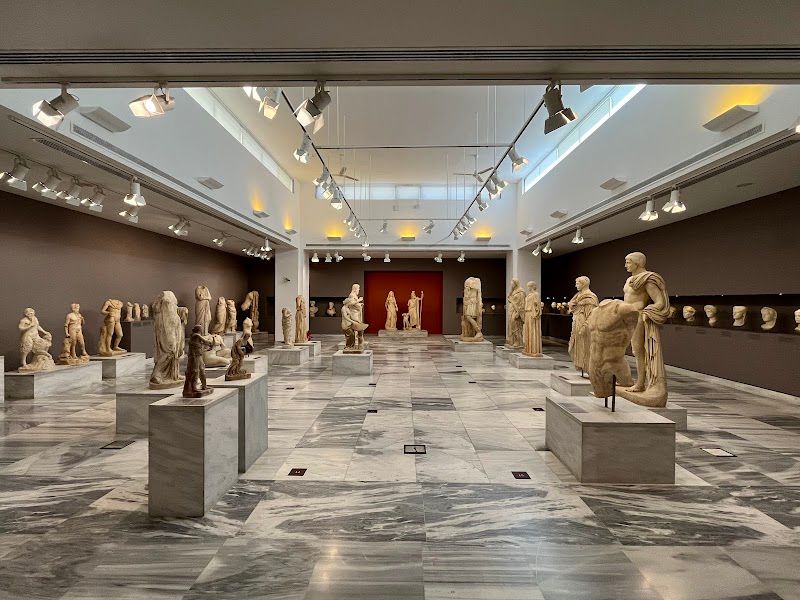
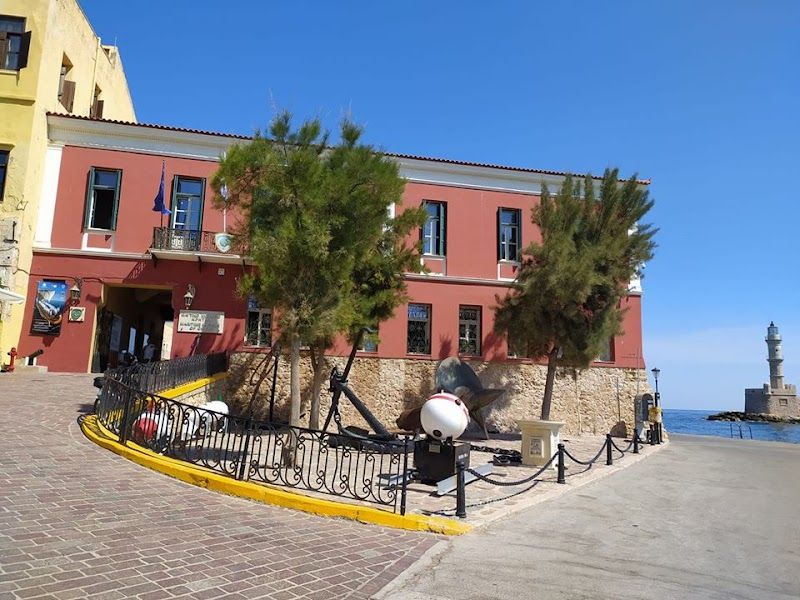
Chania for beauty and beaches, Heraklion for archaeology and convenience. Chania has the Venetian Harbour, the best Old Town in Crete, and is closer to Elafonisi (75 min), Balos (90 min), and Samaria Gorge (1 hour to the start). Heraklion has Knossos (20 min), the Archaeological Museum, and the airport. For a 5+ day trip, do both: 2-3 nights in Chania, 1-2 in Rethymno, 1-2 in Heraklion. Rethymno splits the difference nicely.

Crete is significantly cheaper than Santorini and Mykonos. Taverna dinner with wine: EUR 15-25 pp (vs EUR 40-80 on Santorini). Coffee: EUR 2-3 (vs EUR 4-5). Beach lounger: EUR 8-12 (vs EUR 15-25). Hotel: EUR 60-120/night for mid-range (vs EUR 150-300 on Santorini). Knossos entry EUR 15 is the most expensive ticket. The free raki at the end of every meal is not a promotion - it is cultural law. Budget EUR 50-80/day for a comfortable Crete trip excluding accommodation.

Samaria Gorge is a 16 km one-way hike through one of Europe's longest gorges, from Omalos (1,250m elevation) down to Agia Roumeli on the south coast. Entry EUR 5. Open May-October only. Takes 5-7 hours depending on fitness. The gorge narrows to 3 metres at the "Iron Gates" section. At the end, you take a ferry from Agia Roumeli to Hora Sfakion (EUR 12), then a bus back to Chania. Start early (before 8 AM) to avoid the midday heat in the gorge. Bring 2+ litres of water, proper hiking shoes, and sun protection. Not suitable for young children or those with knee problems.

Ready for Crete?

Let DAIZ plan your Crete days

Tell us how long you've got and what you're into. We'll build a day-by-day plan, with the bookable bits ready to lock in.

Plan my Crete tripFree · no signup to start
Plan your Crete trip