Crete
Rethymno & Central
The second Venetian city, smaller and more local than Chania: the massive fortress, the best-preserved Renaissance streets in Crete, and the gateway to the palm-lined south coast.
About Rethymno & Central
Rethymno is the second Venetian city on Crete, smaller and more local than Chania. The Fortezza (EUR 4) is the massive Venetian fortress on the headland with views over the city and sea. The Old Town below has the best-preserved Renaissance streets in Crete: the Rimondi Fountain from 1626, a minaret from the Ottoman period (you can't enter it but it defines the skyline), and narrow lanes where the buildings are crumbling beautifully. South of Rethymno: Preveli Beach (the palm-lined river meets the sea, access by boat from Plakias EUR 10 or a steep path from the monastery above) and the Arkadi Monastery (EUR 3, the symbol of Cretan resistance - during the 1866 siege, the defenders blew up the powder magazine rather than surrender, and the event is the most important in modern Cretan history). Rethymno is where to stay if you want a base that is beautiful, walkable, and less crowded than Chania.
Things to Do
Top experiences in Rethymno & Central
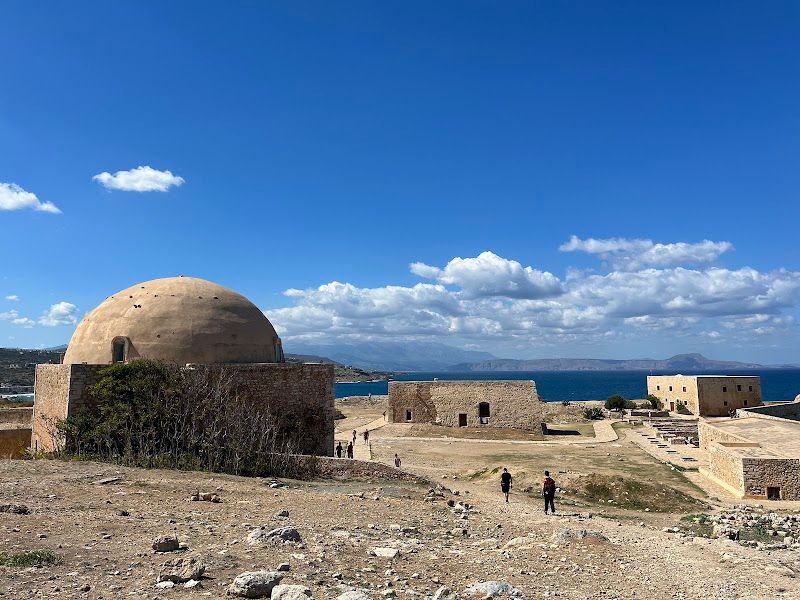
Fortezza of Rethymno
Massive star-shaped fortress dominating Rethymno's skyline, built by Venetians in 1573 after devastating pirate attacks. Within the walls stands a rare Ottoman mosque with its dome still intact, converted from a Venetian church. The grounds host summer cultural events and offer sweeping coastal views.
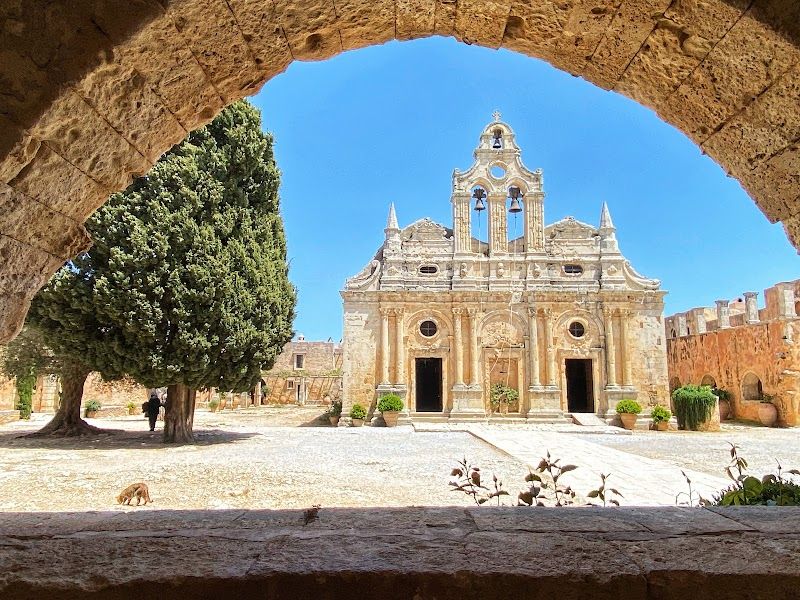
Arkadi Monastery
Working 16th-century monastery that became a symbol of Cretan resistance after 943 Greeks chose martyrdom over Ottoman surrender in 1866. The gunpowder magazine explosion site is preserved as a memorial, while the ornate Venetian baroque church remains active. Beautiful arcaded courtyard with ancient cypress trees.
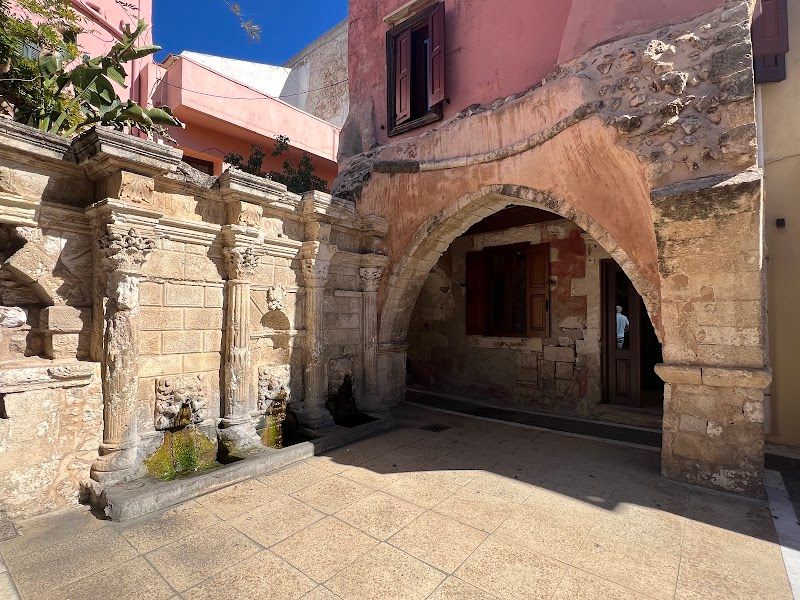
Rimondi Fountain
Ornate Venetian fountain built in 1626 with three lion-head spouts still flowing with mountain spring water. The fountain served as the main water source for Rethymno's old town for centuries. Corinthian columns and Latin inscriptions commemorate Governor Rimondi who commissioned it.
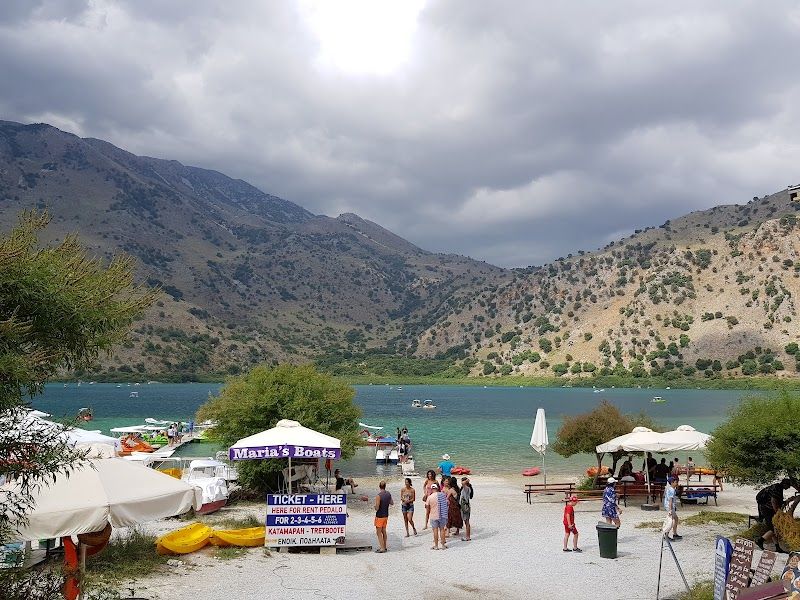
Lake Kournas
Crete's only natural freshwater lake, set in a mountain basin surrounded by eucalyptus trees and the White Mountains. The shallow lake has paddleboat rentals (EUR 8/hour), lakeside tavernas, and a walking path around the perimeter. Terrapins and eels inhabit the waters, visible from the pedal boats.
Kourtaliótiko Farángi
Kourtaliótiko Farángi — a popular park garden in Rethymno & Central.
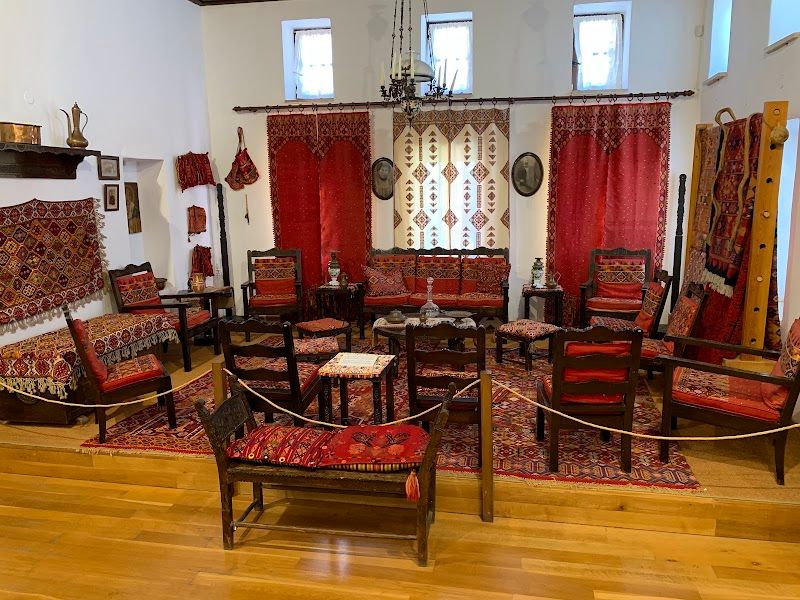
Historical and Folklore Museum of Rethymno
Compact museum in a restored Venetian mansion showcasing traditional Cretan life from Ottoman times through WWII. Exceptional textile collection includes intricate embroidery, woven fabrics, and traditional costumes. The recreated traditional kitchen and ceramic workshops provide intimate glimpses of daily life.
Where to Eat
Restaurants and cafes in Rethymno & Central
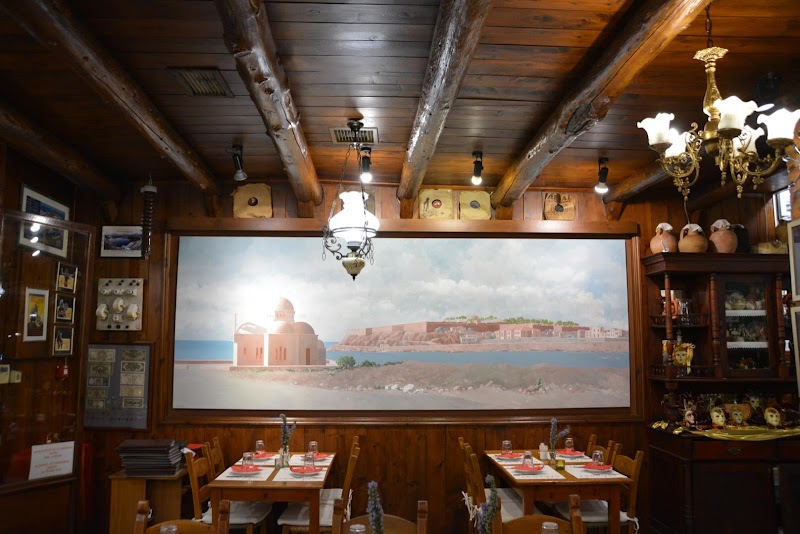
Othonas taverna
RestaurantA proper neighbourhood spot on a quiet backstreet where locals outnumber tourists by a comfortable margin. The lamb from the wood oven is worth planning your evening around, and a full dinner with a carafe of house wine lands around EUR 18 per person. Pull up a chair early, around 7pm, before the tables fill up.
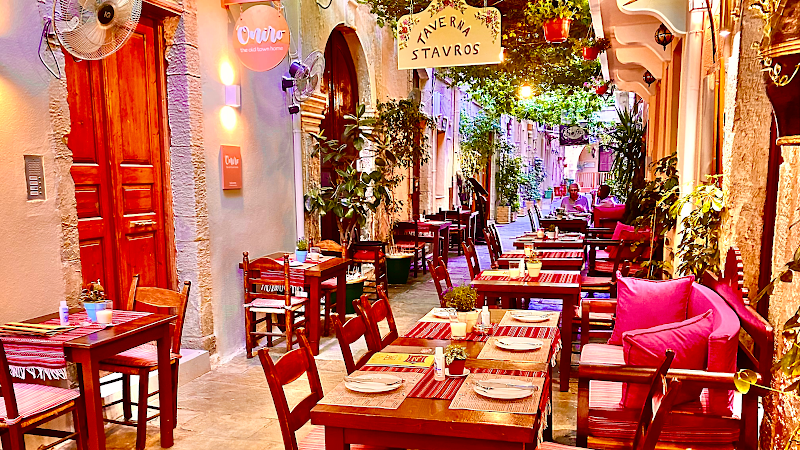
Taverna Stavros
RestaurantStraightforward, generous, and completely unpretentious, Stavros feeds you like family without making a fuss about it. The portions are large enough that ordering the mixed mezedes plate around EUR 14 and sharing it is genuinely the move. It draws a good mix of working locals at lunch and relaxed visitors by dinner.
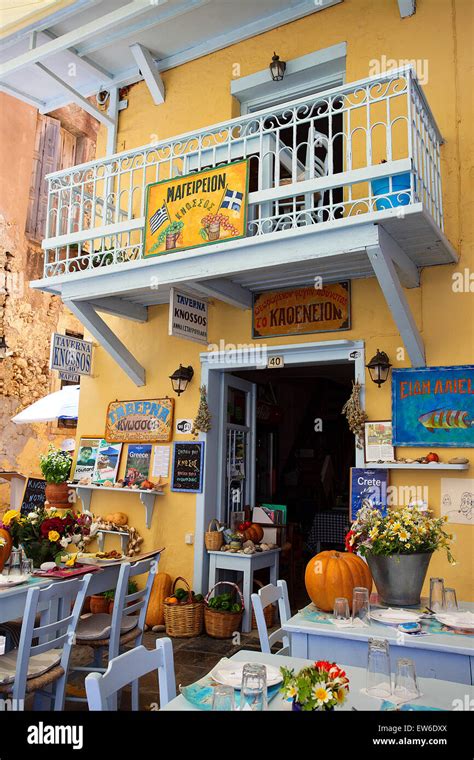
Taverna Knossos
RestaurantDown near the harbour on Nearchou, Knossos is a reliable spot where the seafood mezedes and the slow-cooked lamb both compete for your attention. A dakos to start, the lamb for the main, and a shared dessert keeps the bill around EUR 22 per person including wine. The waterfront setting means the atmosphere does some of the work, but the kitchen holds its own.
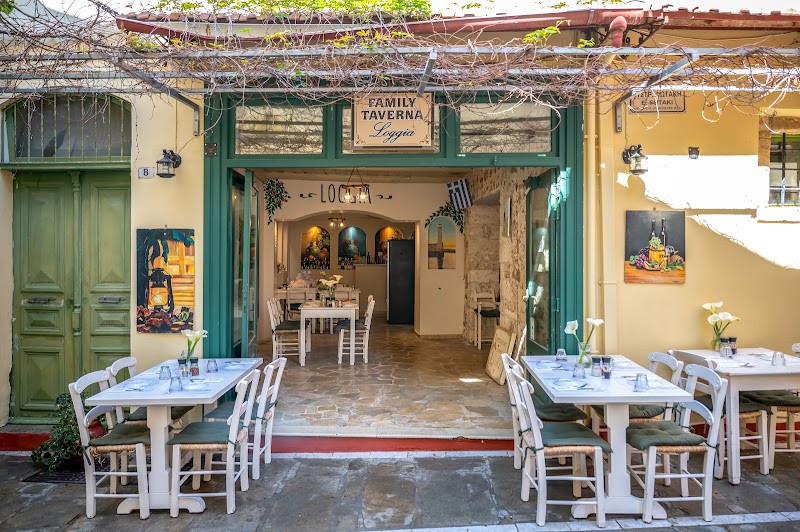
Loggia Taverna
RestaurantSitting near the old Venetian loggia, this place earns its following through consistency rather than spectacle. The grilled meats are done simply and well, and a full meal with a glass or two of local wine runs about EUR 20 per person. The outdoor tables in the evening have a good quiet energy once the day-trippers clear out.
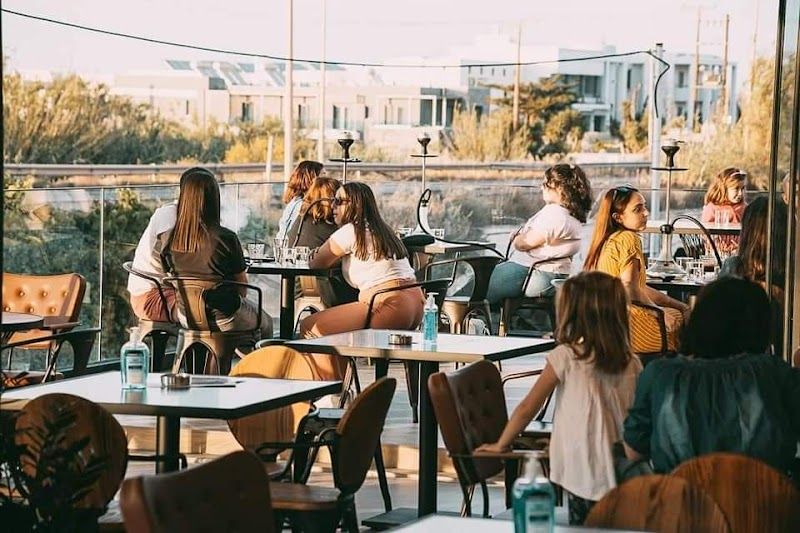
Cafe Faneromeni
CafeCafe on a quiet square in Rethymno overlooking the Faneromeni church and monastery. Serves breakfast, coffee, and light meals throughout the day with tables under plane trees. Popular with students and locals working on laptops during the day.
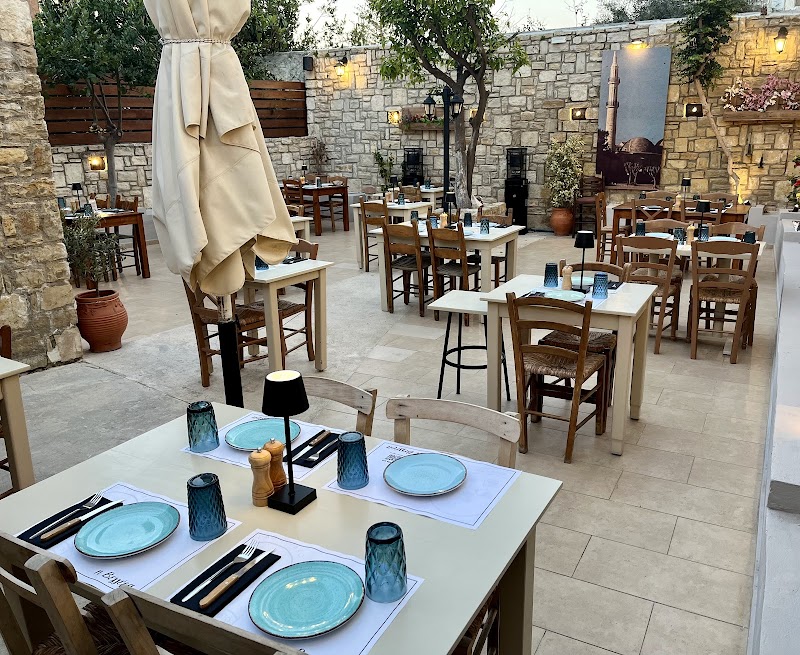
Taverna "I Vengera"
RestaurantOne of those rare places where a 4.9 rating actually makes sense the moment the food arrives. The dakos here is made with proper barley rusk, not the soft tourist version, and it costs around EUR 7. The courtyard out back feels like you wandered into someone's family dinner.
Getting Here
Getting There
Bus to Heraklion (1.5 hr) and Chania (1 hr) every 30-60 min on the highway.
On Foot
Old Town is very walkable. Car needed for Preveli, Arkadi, and mountain villages.
Insider Tips
Fortezza at sunset
The Fortezza (EUR 4) is best visited 1-2 hours before sunset. The fortress walls face west and the light turns the stone golden. The interior is largely empty ruins but the rampart walk has 360-degree views. Allow 1 hour.
Rethymno as a base
Rethymno is equidistant between Chania (1 hour) and Heraklion (1.5 hours) on the highway, making it a good central base for day trips in both directions. Hotels are EUR 20-40 cheaper than Chania for equivalent quality.
Nearby Neighborhoods
Continue exploring
Chania & West
The most photogenic city in Crete: the Venetian Harbour, the Ottoman-Venetian Old Town, and the gateway to the pink sand beaches and the longest gorge in Europe.
Heraklion & Knossos
The capital, the largest city, and the archaeological centre: the Minoan palace that may have inspired the Minotaur myth, the museum with the frescoes, and the functional city that serves as the gateway.
Agios Nikolaos & East
The resort coast and the quieter side: the lakeside town, the former leper colony island, Europe's largest natural palm forest, and the mountain plateau where Zeus was born.
Related Articles
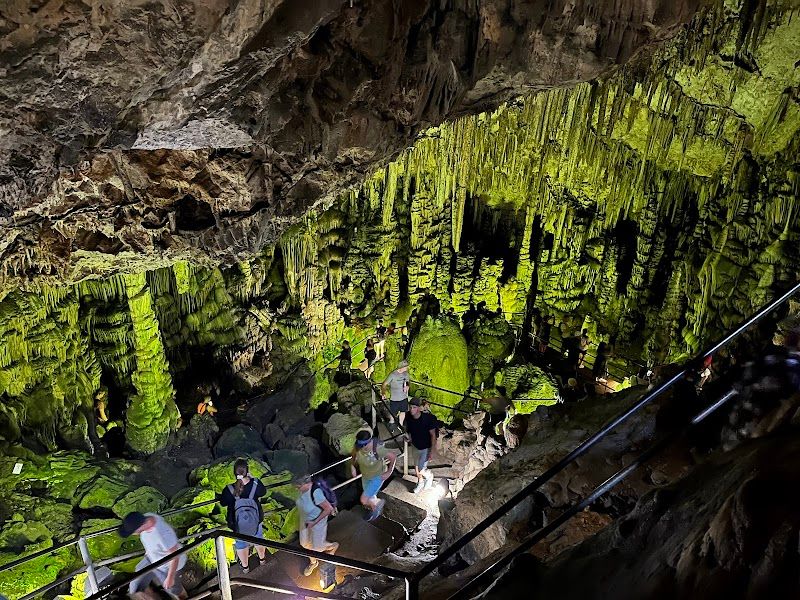
Complete Crete Itinerary: How to Plan Your Perfect Trip in 2026
Plan your perfect Crete itinerary with insider tips on routes, timing, and must-see spots from Balos lagoon to Knossos palace. Real prices, honest advice, practical logistics.
How Much Does Crete Cost Per Day in 2026
Your Crete budget per day ranges from EUR 45-65 for backpackers to EUR 180-250 for luxury travelers. Food costs EUR 15-40, beaches are mostly free, and buses beat car rental.
Plan a trip featuring Rethymno & Central
Get a personalized Crete itinerary with Rethymno & Central built in.
Start Planning