Planning a Crete itinerary feels overwhelming until you understand one simple fact: Crete behaves more like a small country than a Greek island. At 260 kilometers long, it has four distinct regions, its own mountain range reaching 2,453 meters, and enough archaeological sites to fill a month. The key to a successful Crete trip planning strategy is choosing your battles wisely and understanding the island's geography.
Most visitors try to see everything and end up rushing between destinations without experiencing any of them properly. The smart approach is to pick two or three regions as your base and explore them thoroughly. This Crete itinerary guide will show you exactly how to structure your time, whether you have five days or three weeks.
Understanding Crete's Regions for Route Planning
Your Crete route planning starts with understanding the island's four main regions, each with distinct personalities and attractions. The west, centered around Chania, offers the most dramatic landscapes and the island's most beautiful city. Rethymno and central Crete provide the perfect blend of Venetian architecture and traditional mountain villages. Heraklion serves as the cultural and transport hub, home to the Palace of Knossos and the island's best museum. The east remains the most relaxed region, with gentler beaches and fewer crowds.
The Western Region: Drama and Beauty
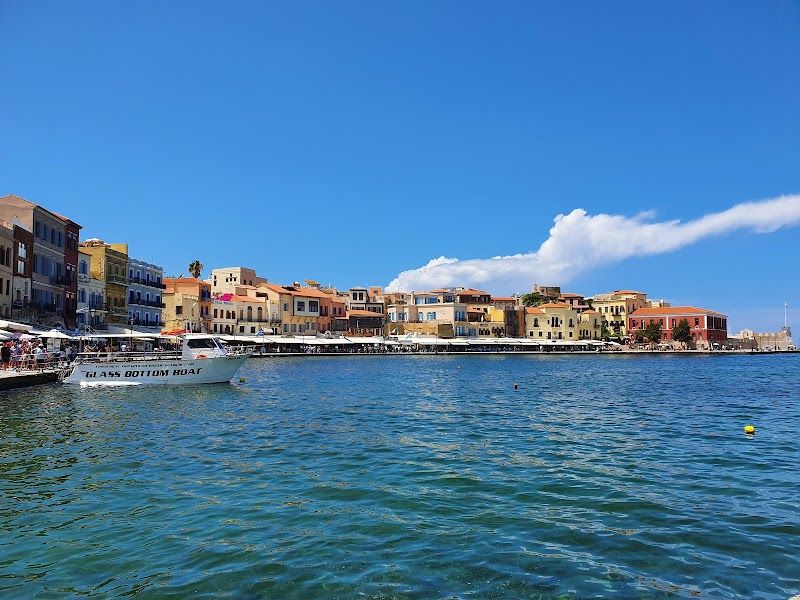
Chania is Crete's most photogenic city, with its Venetian harbor and Ottoman-era architecture creating a perfect backdrop for your trip. But the real draw is the landscape: Balos lagoon with its impossible turquoise water, Elafonisi Beach with pink sand from crushed seashells, and the Samaria Gorge, Europe's longest gorge walk. The west requires more effort to reach its best spots, but rewards you with landscapes that don't exist anywhere else in the Mediterranean.
Central Crete: Mountains and Monasteries
Rethymno serves as your gateway to central Crete's mountain villages and the island's spiritual heart. The Arkadi Monastery sits in olive grove isolation, while traditional villages like Anogia maintain customs that predate tourism. This region offers the most authentic glimpse of Cretan culture, with tavernas serving lamb from their own flocks and raki distilled from family vineyards.
Eastern Crete: Relaxed and Accessible
Agios Nikolaos anchors the east with its lakeside charm and easy access to Spinalonga, the former leper colony turned into one of Greece's most visited islands. The beaches here suit families better than the dramatic coastlines of the west, with Vai Beach offering the novelty of Europe's only wild palm forest.
Crete Travel Schedule: Timing Your Visit
Your Crete vacation planning must account for the island's distinct seasons, which affect everything from accommodation prices to ferry schedules. May through October represents the main season, with July and August bringing intense heat, maximum crowds, and peak prices. Car rental jumps from EUR 25-40 per day in low season to EUR 55-95 in high season, making shoulder seasons financially attractive.
Peak Season (July-August)
Peak summer brings average temperatures of 28-32°C, perfect beach weather, and miserable conditions for hiking. The Samaria Gorge becomes a crowded march rather than a nature experience, while beaches like Elafonisi require arrival before 11 AM to find space. Hotel prices peak at EUR 90-160 for mid-range properties, and popular restaurants in Chania's old town require reservations days in advance.
Shoulder Seasons (May-June, September-October)
These months offer the perfect balance for most travelers. Temperatures range from 22-28°C, ideal for combining beach time with cultural visits. Most attractions and restaurants operate full schedules, but without summer's crushing crowds. The sea remains swimmable through October, making September particularly appealing for those seeking warm weather without peak-season chaos.
Off-Season (November-April)
Winter in Crete suits travelers interested in culture over beaches. Many mountain villages become inaccessible after heavy rains, and ferry connections to other islands reduce dramatically. However, this season offers authentic experiences: tavernas serve locals rather than tourists, archaeological sites become contemplative rather than crowded, and hotel prices drop to EUR 40-75 for decent accommodations.
Essential Crete Itinerary Templates
5-7 Days: First-Timer's Crete Route
A week gives you enough time to sample all four regions without feeling rushed. Base yourself in two locations: Chania (3-4 nights) and Heraklion (2-3 nights).
Days 1-3: Chania and Western Highlights
Arrive in Chania and spend your first afternoon exploring the Venetian Harbor. The harbor area looks tourist-heavy, but locals still use the fish market and the side streets contain genuine neighborhoods. Start your morning at Bougatsa Iordanis for the city's best bougatsa - custard wrapped in phyllo pastry for EUR 3-5.
Day two requires an early start for Balos lagoon. The organized tour (EUR 75-110) handles the logistics, but independent travelers face a rough 8-kilometer dirt road that destroys rental cars. The reward - a lagoon so shallow and warm you can wade 100 meters before the water reaches your chest - justifies the effort.
Day three targets Elafonisi Beach, an easier 60-kilometer drive southwest of Chania. The pink sand comes from tiny crushed seashells mixing with white sand, creating a color that photographs can't capture accurately. Sunbeds cost EUR 8-15 per pair, but the free beach sections offer equally views.
Days 4-5: Heraklion and Minoan Culture
The drive from Chania to Heraklion takes 2 hours and 45 minutes via the efficient KTEL bus (EUR 15.10) or 2.5 hours by car along the north coast highway. Heraklion lacks Chania's beauty but compensates with superior museums and restaurants.
Day four belongs to Knossos Palace, Europe's oldest city and possible inspiration for the Minotaur myth. The combined ticket with the Heraklion Archaeological Museum (EUR 25) saves EUR 15 and provides context for the palace's frescoes and artifacts. Plan 2-3 hours at each site - Knossos in the morning before crowds arrive, the museum during the hot afternoon hours.
Optional Day 6-7: Eastern Extension
If you have extra time, the bus to Agios Nikolaos (EUR 7.40-8.50, 1 hour 15 minutes) opens access to Spinalonga, the former leper colony. The boat from Plaka offers the cheapest crossing (EUR 12 round-trip), while the longer journey from Agios Nikolaos (EUR 16-25) provides better coastal views.
For detailed planning of this timeframe, check our 5-7 Days in Crete guide, which includes specific hotel recommendations and restaurant reservations.
10-14 Days: Comprehensive Crete Island Exploration
Two weeks allows you to experience Crete's full personality without constant movement between hotels. Use three bases: Chania (4-5 nights), Rethymno (3-4 nights), and Agios Nikolaos (3-4 nights).
Chania Base: Western Adventures
Extend your western exploration beyond the standard highlights. The Samaria Gorge requires a full day - the 16-kilometer hike takes 5-7 hours, ending at Agia Roumeli where boats ferry you back to Chora Sfakion. Entry costs EUR 10, but the experience of walking through Europe's longest gorge justifies the effort and early morning start.
Falassarna Beach offers the west's best sunset views, with tavernas serving grilled fish directly on the sand. Unlike the lagoons, Falassarna provides proper waves for body surfing and enough space for beach games.
Use Chania as your base for exploring traditional mountain villages. Vamos offers authentic agritourism experiences, with cooking classes (EUR 60-95) taught by local grandmothers. These sessions include village transfers, preparation of 4-5 traditional dishes, and lunch with unlimited raki.
Rethymno Base: Central Highlands and Coast
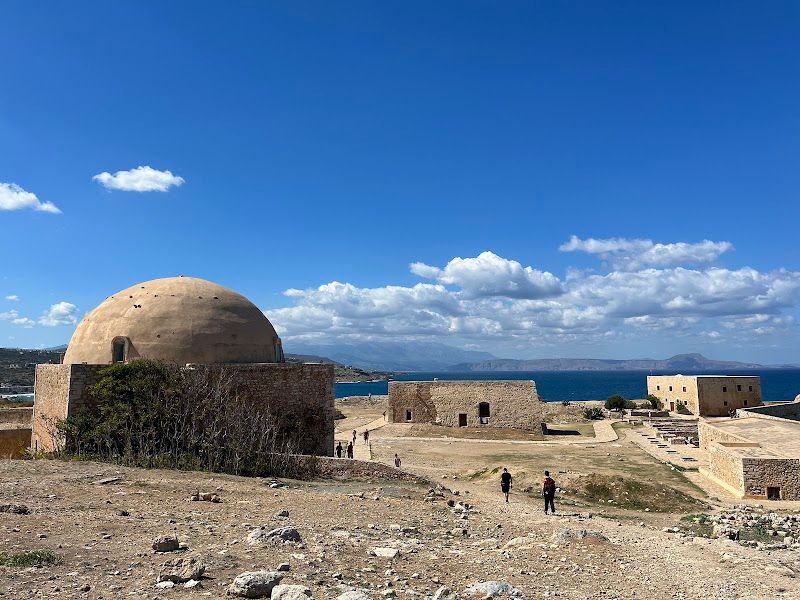
Rethymno's old town deserves two nights minimum. The Fortezza (EUR 4) provides sunset views over the Aegean, while the streets below contain the Mediterranean's best-preserved Ottoman quarter. Unlike Chania's tourist-focused waterfront, Rethymno's harbor still functions as a working port.
From Rethymno, day trips reach Arkadi Monastery, where monks chose martyrdom over surrender during the 1866 revolt against Ottoman rule. The monastery sits in olive grove isolation, maintaining the spiritual atmosphere that mass tourism often destroys.
The south coast beaches accessible from Rethymno - Preveli with its river mouth palm forest and Plakias with its crescent bay - offer more dramatic landscapes than the package-tour beaches of the north coast.
Eastern Base: Relaxed Exploration
Agios Nikolaos serves as your eastern base, providing easy access to Crete's gentlest region. The artificial lake (Voulismeni) in the town center creates an almost Alpine atmosphere, while the surrounding hills contain traditional villages largely ignored by mass tourism.
Spinalonga requires a full morning. The boat from Elounda (EUR 14 round-trip) provides the most scenic approach, passing the Spinalonga peninsula before reaching the island fortress. The entry fee (EUR 20) includes a basic audio guide explaining the leper colony's operation from 1903 to 1957.
Vai Beach and its accompanying palm forest represent Europe's only naturally occurring Phoenix theophrasti grove. The beach itself suits families, with shallow, calm water protected by the headlands.
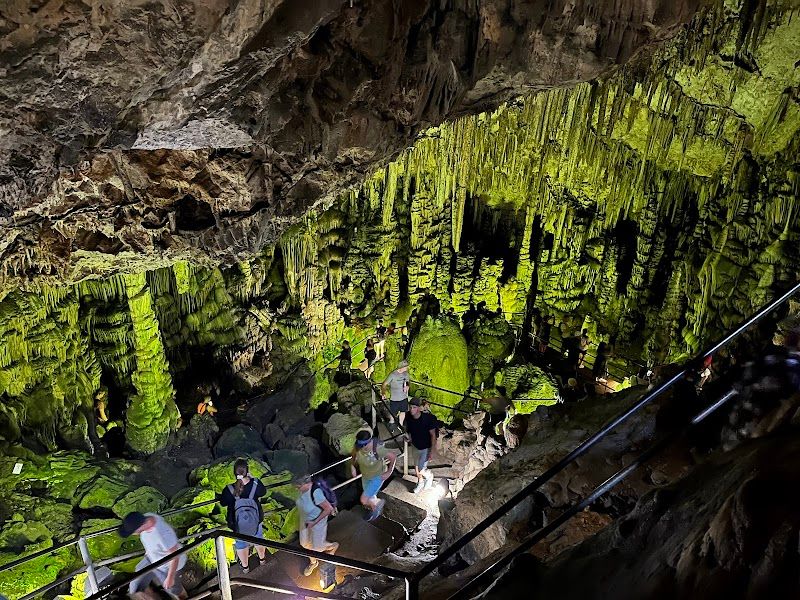
The Dictaean Cave, mythical birthplace of Zeus, requires a 15-minute uphill walk from the parking area. The cave system extends deep into the Dikti mountains, with stalactite formations and underground pools creating an otherworldly atmosphere.
3+ Weeks: Deep Dive Crete Experience
Three weeks or more allows you to experience Crete as residents rather than tourists. Add mountain bases like Anogia or coastal villages like Loutro to your accommodation rotation. This timeframe supports slow travel: morning coffee in village squares, afternoon conversations with shepherds, evening meals that stretch past midnight.
Extended stays justify exploring Crete's interior mountains, where villages like Kritsa maintain traditional crafts and customs. The Botanical Park near Chania showcases the island's endemic plants, while cooking classes in mountain villages teach techniques passed down through generations.
Longer itineraries also support island-hopping to Santorini or Mykonos. The ferry from Heraklion to Santorini (EUR 60-85, 2.5 hours) creates easy day trip possibilities, while overnight stays allow you to experience the Cyclades' different pace and architecture.
Transportation and Logistics for Your Crete Route
Getting Around: Car vs. Bus vs. Tours
Crete's size makes transportation choices crucial to your itinerary success. Rental cars provide maximum flexibility but come with hidden costs and challenges. Insurance coverage varies dramatically between companies, and many rural roads challenge small economy vehicles. Budget EUR 25-40 per day in low season, EUR 55-95 in peak summer, plus fuel costs of approximately EUR 1.60-1.80 per liter.
The KTEL bus network efficiently connects major towns but limits access to remote beaches and mountain villages. The Heraklion-Chania route (EUR 15.10, 2 hours 45 minutes) runs hourly, while smaller routes like Chania to Balos operate seasonally or require multiple transfers.
Organized tours solve logistics for complex destinations like Balos lagoon or Samaria Gorge. The 4x4 Balos tour (EUR 75-110) includes jeep transport over roads that damage regular cars, plus boat access to the lagoon itself. These tours cost more than independent travel but eliminate rental car risks and navigation challenges.
Accommodation Strategy by Region
Chania offers the widest range of accommodations, from Ottoman-era boutique hotels (EUR 90-160) to family pensions in the old town (EUR 40-75). Book directly with smaller properties to avoid OTA markups and secure better rooms.
Rethymno's old town accommodations provide atmospheric settings but limited parking. Many properties occupy restored Venetian buildings with thick stone walls that block WiFi signals - confirm connectivity needs when booking.
Heraklion prioritizes function over charm. The city serves as a transport hub rather than a destination, making hotel location more important than ambiance. Properties near the port provide easy ferry access for day trips to Santorini.
Money and Pricing Reality
Crete uses the Euro, and pricing varies dramatically by season and location. Tourist areas inflate prices: a gyros pita costs EUR 3-5 in residential neighborhoods but EUR 6-8 near major attractions. Traditional tavernas offer better value than waterfront restaurants, with complete meals (salad, main, wine) ranging from EUR 15-25 for lunch to EUR 25-40 for dinner.
Most tavernas include service charges, making 5-10% tips sufficient. Many meals end with complimentary raki and seasonal fruit - accepting these offerings shows respect for local customs.
Cultural Experiences and Local Insights
Your Crete itinerary should include experiences beyond sightseeing. The island's culture differs significantly from mainland Greece, with its own dialect, cuisine, and traditions shaped by centuries of independence.
Food Culture Beyond Tourist Restaurants
Crete's cuisine deserves dedicated attention in your travel schedule. Dakos (barley rusk salad, EUR 5-8) appears on every menu but varies significantly in quality. The best versions use estate-produced olive oil and sun-dried tomatoes from the restaurant's own gardens.
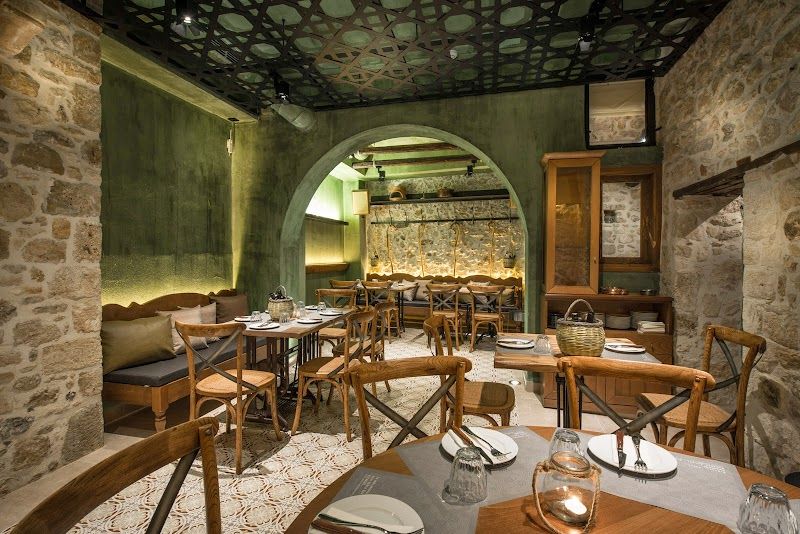
For authentic dining experiences, seek out tavernas serving Cretan specialties like antikristo (slow-roasted lamb), marathopita (wild fennel pie), and bougatsa (custard pastry). Our detailed food guide explains where to find the island's best traditional dishes.
Raki (tsikoudia) accompanies most meals, served complimentary at meal's end. This clear spirit, distilled from grape pomace, reaches 35-40% alcohol and requires respect. Refusing the first offering can offend, but hosts understand if you sip rather than drain the glass.
Traditional Crafts and Shopping
Chania's leather quarter (Stivanadika street) produces handmade sandals using techniques unchanged for centuries. Custom sandals (EUR 30-70) require measurements and 2-3 days for completion, making them impractical for short visits. However, the workshops offer insights into traditional craftsmanship rarely visible in modern tourism.
Cretan olive oil represents one of the Mediterranean's finest products. Estate-bottled extra virgin oil (EUR 15-25 for 750ml) from Koroneiki olives provides a taste unavailable outside Crete. The central market in Chania offers the best selection and competitive prices.
Practical Planning Tips
Weather Considerations for Activity Planning
Crete's weather patterns affect activity choices throughout the year. Summer temperatures often exceed 35°C inland, making afternoon archaeological visits miserable. Plan cultural sites for early morning (8-10 AM) and late afternoon (5-7 PM), reserving midday hours for beaches or air-conditioned museums.
Winter brings unpredictable weather that can close mountain roads and cancel ferry services. The Samaria Gorge typically closes November through April due to flooding risks, while some beach tavernas shut down completely.
Spring offers ideal conditions for hiking and outdoor activities, with wildflowers covering the countryside and temperatures all-day exploration. However, some high-altitude sites may remain inaccessible due to snow.
Health and Safety Considerations
Crete presents few serious health risks, but common sense prevents problems. Beach surfaces become scorching hot in summer - beach shoes provide essential protection. Mountain hiking requires proper footwear and water supplies, as rescue services face challenges accessing remote areas.
Sun protection matters more than many northern European visitors realize. The Mediterranean sun reflects strongly off white buildings and sea surfaces, creating burn risks even on partially cloudy days.
Final Budgeting Guidelines
Daily budget expectations vary dramatically by travel style and season. Budget travelers can manage on EUR 50-70 per day using public transport, pensions, and traditional tavernas. Mid-range travelers should budget EUR 100-150 per day for rental cars, decent hotels, and restaurant meals. Luxury travelers face EUR 200+ daily costs, particularly in Elounda's 5-star resorts.
These figures include accommodation, meals, transport, and attraction entries but exclude international flights and shopping. Our comprehensive budget guide provides detailed breakdowns by spending category.
For first-time visitors seeking practical advice beyond itinerary planning, our first-time guide covers essential preparation topics like customs, cultural expectations, and communication basics.
Crete rewards thoughtful planning with experiences unavailable elsewhere in Europe. Whether you choose a focused week or an extended month, understanding the island's geography, seasons, and culture ensures your itinerary delivers memories rather than just destinations.