Madrid
Dinner at 10 PM, Velazquez at the Prado, and a city that exists for the people who live here

About Madrid
Madrid is the city that eats dinner at 10 PM, starts drinking at midnight, and somehow functions perfectly the next morning. The schedule makes no sense until you've been here 48 hours, and then every other city's timetable feels rushed and slightly sad.
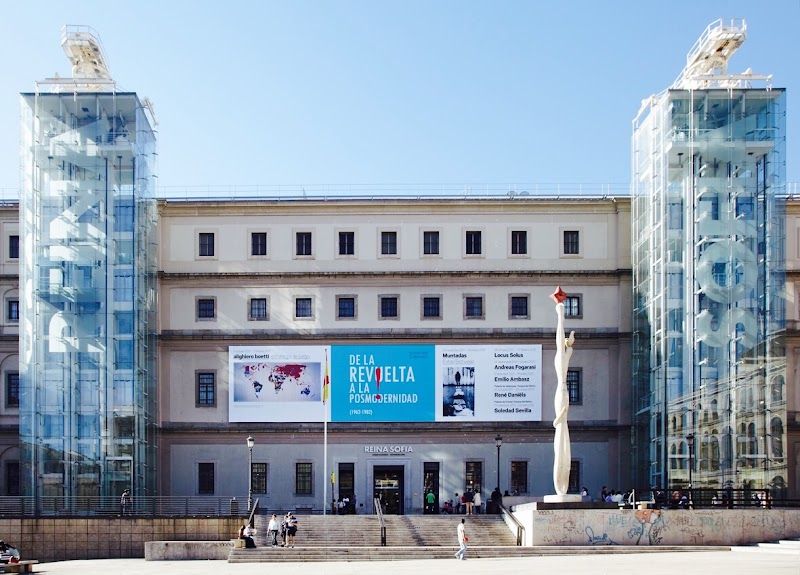
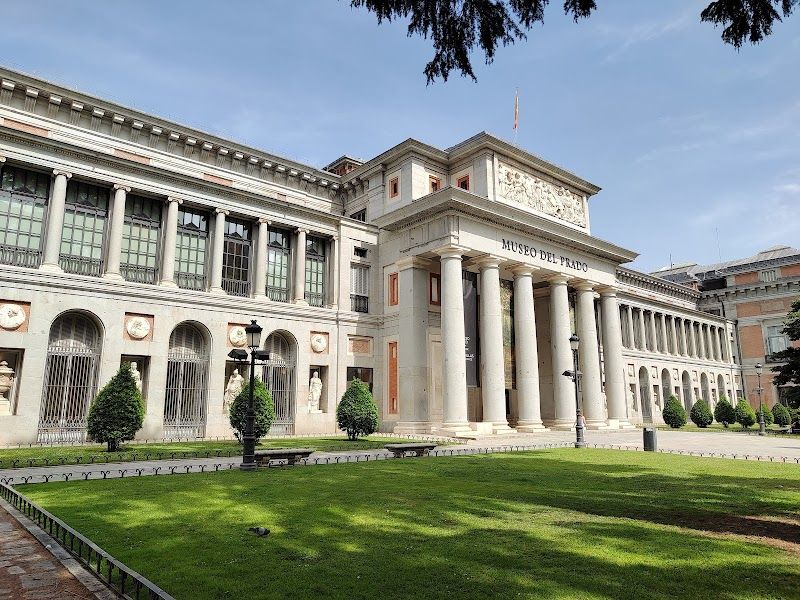
The art is staggering. The Prado has Velazquez, Goya, and Bosch in a building that could swallow the Uffizi whole. The Reina Sofia has Guernica, which is bigger and more devastating than any photo prepares you for. The Thyssen fills the gap between the two with everything from medieval altarpieces to Hopper. All three sit within a 15-minute walk of each other on the Paseo del Arte, and a combined ticket costs EUR32 for what would take a week to see properly.
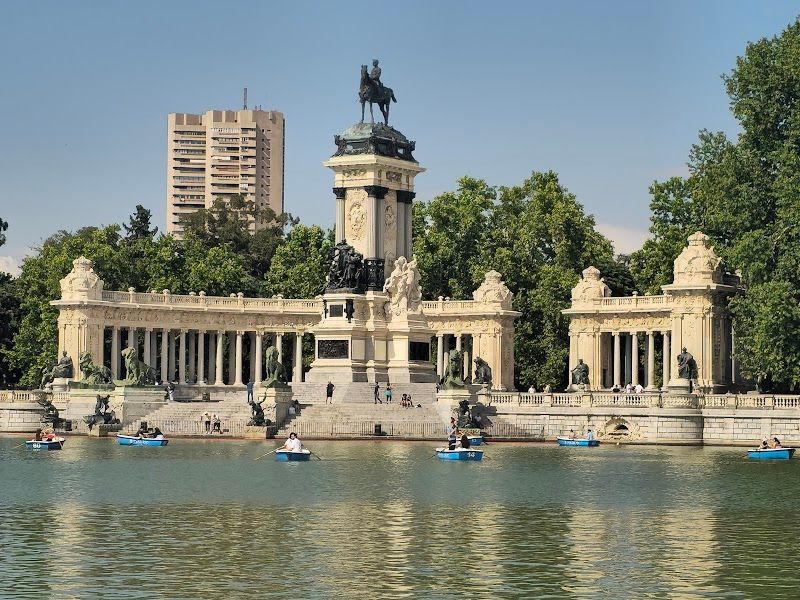
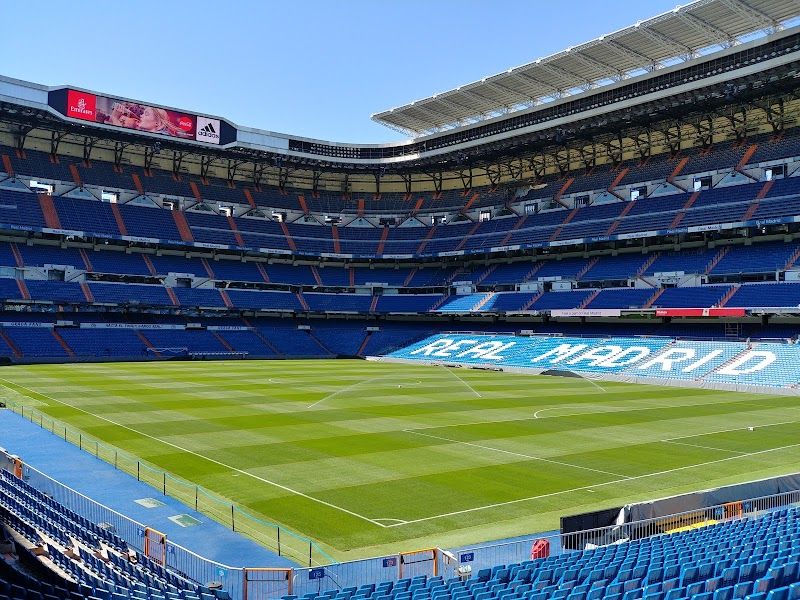
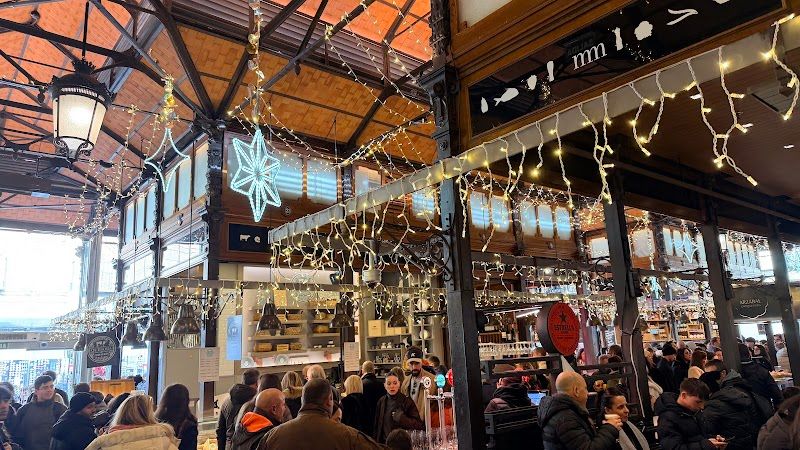
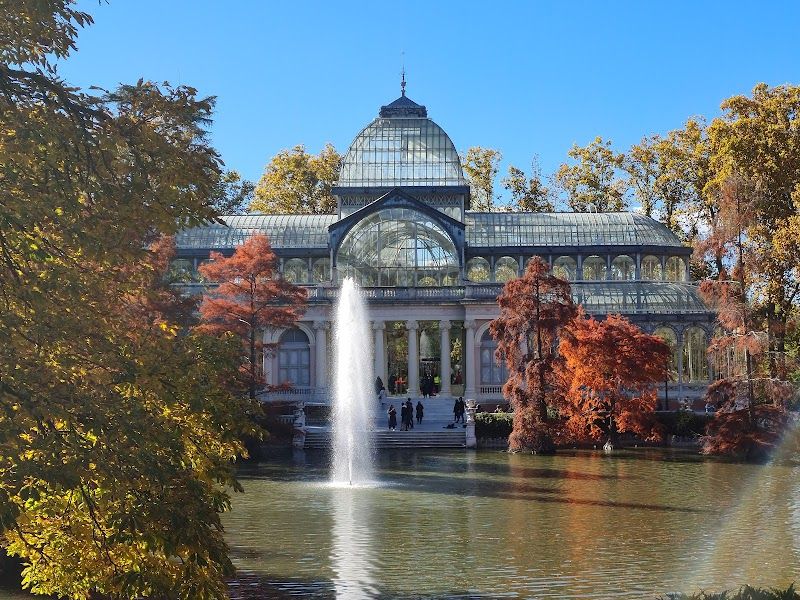
But Madrid isn't a museum city. It's a city built around plazas where people sit for hours with a EUR2.50 cana and a plate of croquetas, arguing about football and politics with equal passion. The Retiro is a park so beautiful it used to be reserved for royalty. La Latina on Sundays turns into the biggest tapas crawl in Spain. Malasana has the vinyl shops and vermut bars that keep Madrid's counterculture alive. And Lavapies is where the city's immigrant communities have built a food scene that ranges from Senegalese to Bangladeshi to Chinese, all for under EUR10.
Here's what makes Madrid different from Barcelona: nobody is performing for tourists. The city exists entirely for the people who live here. The restaurants serve Madrilenos first. The bars keep their own hours. The nightlife doesn't have a dress code because nobody cares. You're welcome, but you're joining their city, not visiting an attraction.
Pick your base
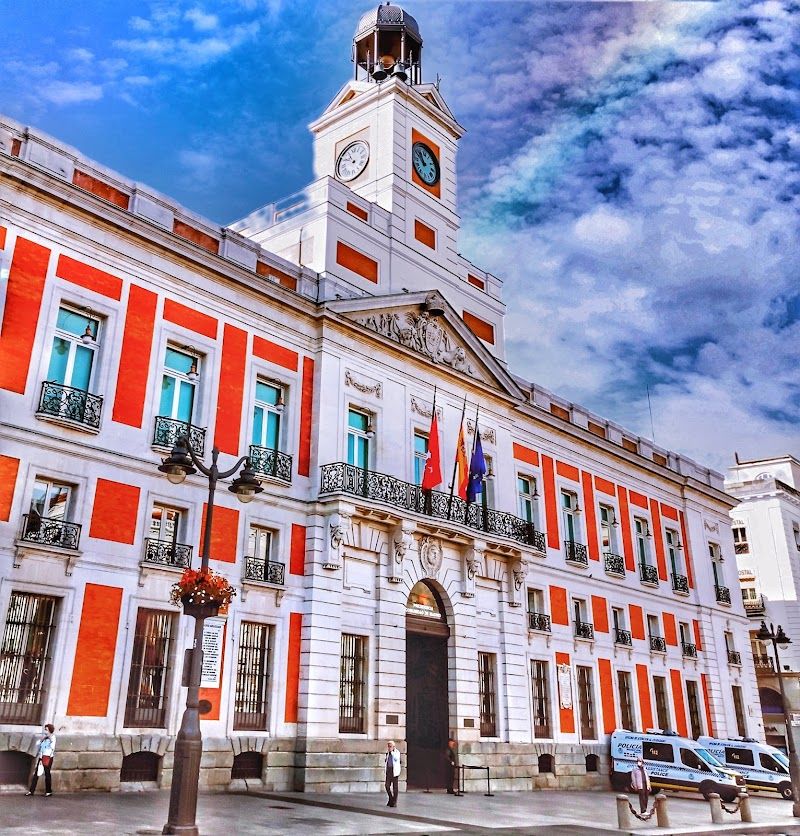
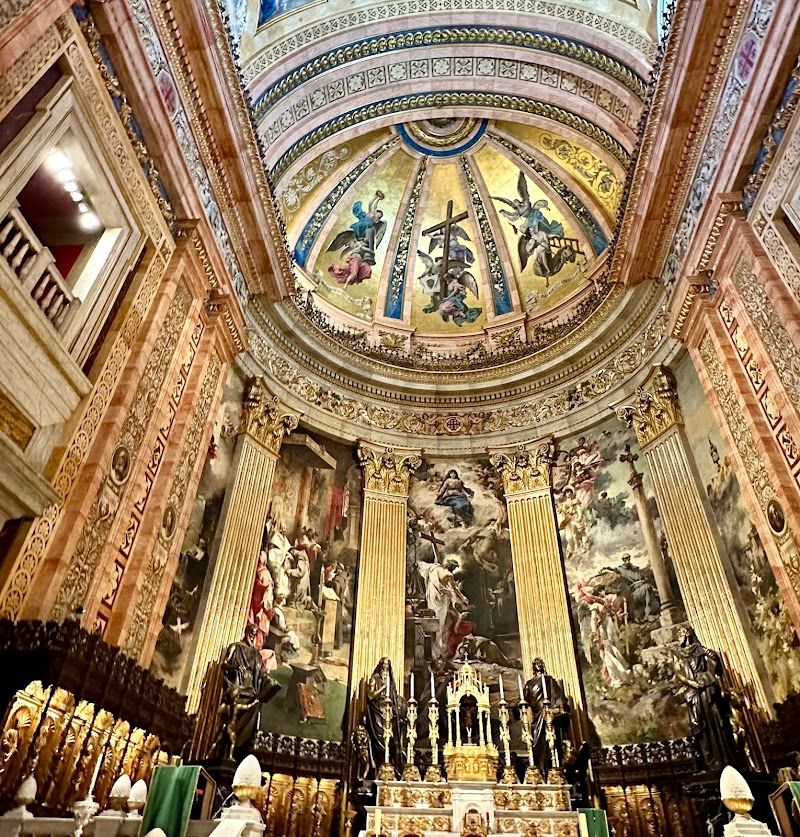
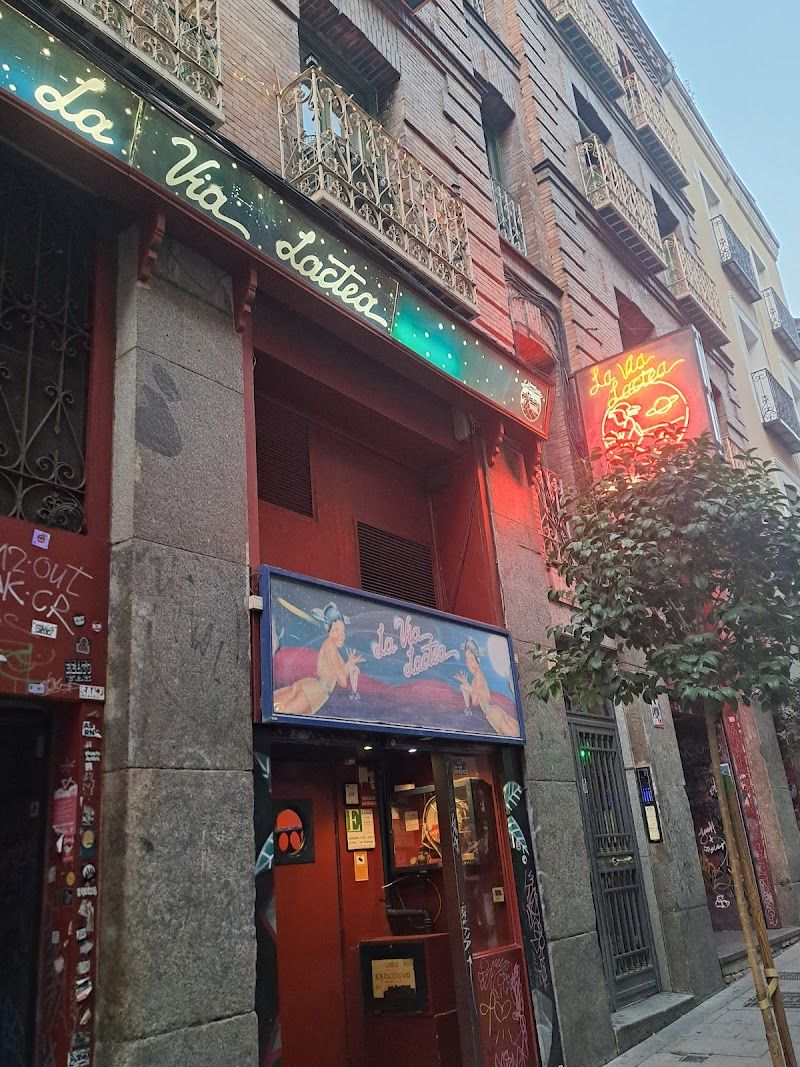
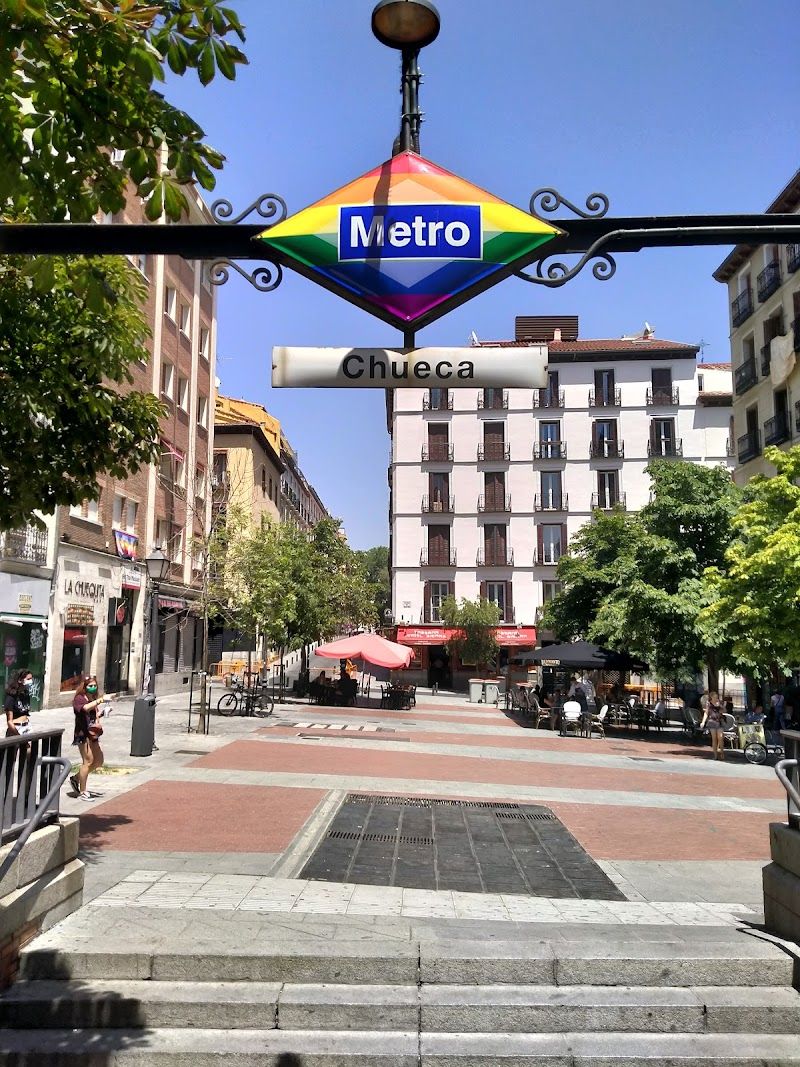
Stay in Madrid
Real-time pricing across hotels, apartments, and ryokans. Book direct from the map.
Things to do in Madrid
Experiences worth booking ahead
Vetted tours and tickets we'd send a friend to. The ones worth reserving before you arrive.
Travel guides


From the blog
Practical bits, answered
Lunch is 2-4 PM, dinner is 9-11 PM. Arriving at a restaurant at 7 PM means eating alone while the staff sets up. The menu del dia (three courses plus drink, EUR 12-18) is available at lunch only. Adapt to the schedule and everything clicks. Fight it and you'll eat at tourist traps charging double for mediocre food.
Madrid's metro is fast, clean, and covers the whole city. A single Zone A ticket costs EUR1.50, though fares vary based on journey length within the zone. Note that the old 10-trip Metrobús card was discontinued in January 2024, replaced by a rechargeable Tarjeta de Transporte Público with a one-time card fee of EUR2.50 - load it up and use it across metro, bus, and light rail. The 7-day Tourist Travel Pass runs EUR35.40 for unlimited Zone A travel. Taxis from the airport cost EUR30-40 on a fixed rate to the city center within the M-30 ring road. Uber works well too. The Airport Express bus (Line 203) to the city center costs EUR5, or take Metro Line 8 for EUR4.50 including the airport supplement.
English is less common than in Barcelona or Lisbon, especially outside tourist areas. 'Una caña por favor' (a draft beer, around EUR 2-3.5 depending on the neighborhood), 'la cuenta' (the bill), and 'perdona' (excuse me) will get you through 90% of situations. Madrilenos appreciate the effort even if your accent is terrible.
Card works almost everywhere now, but some traditional tapas bars and Rastro market vendors prefer cash. Carry EUR40-70 for small bars and markets. ATMs are everywhere and most don't charge fees if you decline the conversion offer.
July and August hit 35-40 degrees Celsius regularly. Madrid is a plateau city with no sea breeze. Schedule outdoor sightseeing for mornings, retreat to air-conditioned museums after 1 PM, and embrace the siesta. The city comes alive again after 8 PM when the temperature drops.
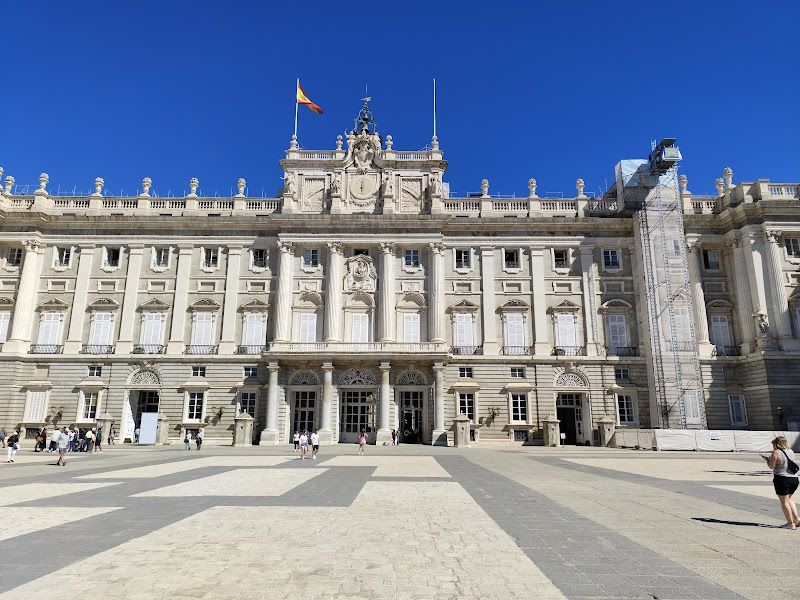
Three to four days covers the essentials comfortably. Day 1 for the Prado and Retiro Park. Day 2 for La Latina tapas crawl (ideally Sunday for the Rastro) and the Royal Palace. Day 3 for the Reina Sofia, Lavapies, and Malasana. A fourth day lets you add a Toledo day trip (30 minutes by fast train) or explore Chamberi and the Sorolla Museum. Madrid rewards staying longer because the best experiences happen at odd hours.
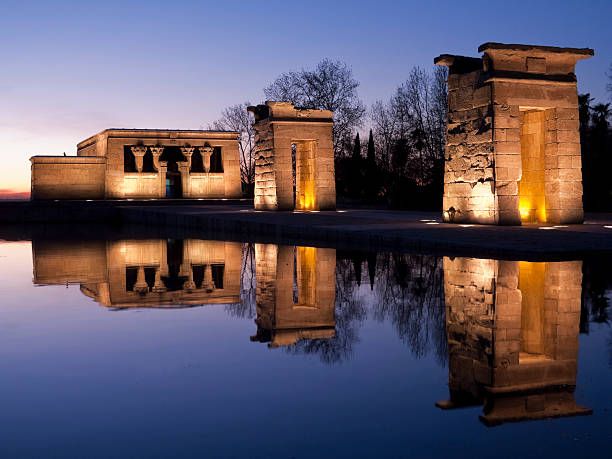
No. Madrid is one of the best-value capitals in Western Europe. A caña (small draft beer) costs EUR2-3.50. Tapas plates run EUR4-8. The menú del día at lunch is EUR12-18 for three courses with bread and a drink. Hotels average EUR80-140/night. Museum entry runs EUR12-15 for the big three - the Prado is EUR15, Reina Sofía is EUR12, and Thyssen is EUR13 - but all offer free hours throughout the week. The Paseo del Arte pass covers all three for EUR32, which saves you money if you plan to visit each one. Beyond the main museums, plenty of sights are free entirely: Retiro Park, Templo de Debod, and the Almudena Cathedral cost nothing. You can eat, drink, and sightsee well for EUR50-70 a day.
Very safe overall. Madrid has lower crime rates than Barcelona or most European capitals. Standard precautions apply: watch for pickpockets around Sol, Gran Via, and the metro during rush hour. Keep bags zipped and phones in front pockets in crowded areas. Walking at night is safe in all central neighborhoods. Taxi scams are rare because meters are standardized.
Different cities, different appeal. Barcelona has beaches, Gaudi, and a more international feel. Madrid has better museums (the Prado alone is worth the trip), better food value, more authentic nightlife, and a less tourist-oriented atmosphere. If you want architecture and coastline, go to Barcelona. If you want art, tapas, and a city that feels like it's not trying to impress you, go to Madrid. Ideally visit both.
Madrid-Barajas (MAD) is well connected. Metro Line 8 runs to Nuevos Ministerios in around 20-25 minutes (longer from T4) with an airport supplement of EUR 4.50 on top of the regular fare. The Airport Express bus (Line 203) runs 24 hours to Avenida de América interchange for EUR 5, where you can connect onward by metro or bus. A taxi to the center costs EUR 30-40 as a fixed rate within the M-30 ring road. The Cercanías C1 train also connects from T4 specifically to Chamartín and Atocha, though note it does not serve the other terminals.
Let DAIZ plan your Madrid days
Tell us how long you've got and what you're into. We'll build a day-by-day plan, with the bookable bits ready to lock in.