Madrid · Lavapies

Museo Reina Sofia

The Reina Sofia exists because of one painting: Picasso's Guernica.
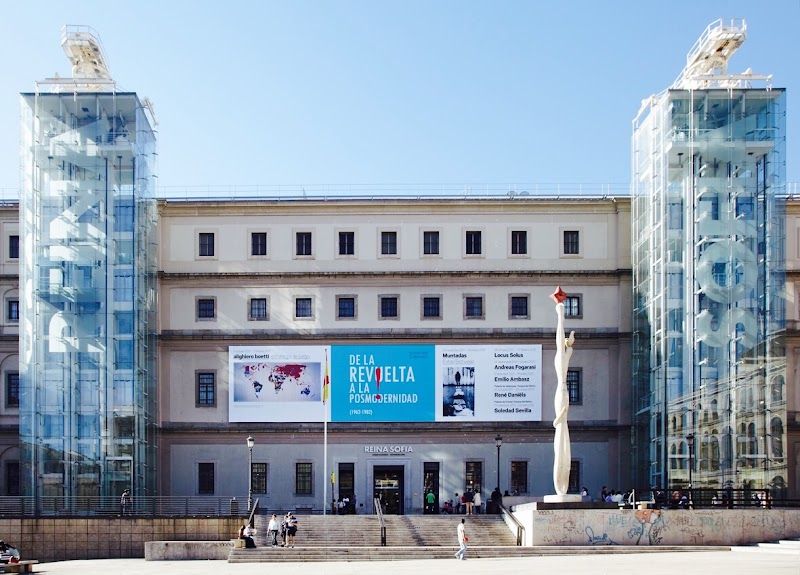
Museo Reina Sofia, Madrid · Lavapies
Category
Museum
Duration
2h 30m
Best Time
Any time
Entry
EUR 12
Rating
4.5 (68,543)
The place

About Museo Reina Sofia

The Reina Sofia exists because of one painting: Picasso's Guernica. It is bigger and more devastating than any photo prepares you for, filling an entire wall in Room 205 on the second floor. The painting documents the 1937 bombing of the Basque town of Guernica by Nazi and Italian fascist warplanes at Franco's request. Picasso painted it in five weeks in Paris. The room is kept deliberately quiet, with benches for sitting and absorbing. There is no audio guide commentary here, just the painting and your response to it.

Around Guernica, Room 205 and the adjacent galleries display the studies and sketches Picasso made while working on the painting, plus photographs by Dora Maar documenting its creation. Seeing the process makes the finished work even more powerful. The rest of the second floor covers Spanish art from the early 20th century: Dali (including The Great Masturbator and The Enigma of Desire), Miro's colourful abstractions, and Juan Gris's cubist works that predate Picasso's more famous versions.

The building itself is a former hospital, with the original 18th-century structure connected to a striking glass elevator tower designed by Jean Nouvel. The contemporary holdings in the Nouvel building (floor 0 and floor 1) include video installations, conceptual art, and temporary exhibitions that are often outstanding. The rooftop terrace in the Nouvel building has views over the Madrid rooftops.

Entry EUR12. Free Monday and Wednesday to Saturday 7-9 PM. Free all day Sunday 1:30-7 PM. The back entrance on Ronda de Atocha is less crowded than the main entrance on Calle Santa Isabel.

Get Ticketsvia GetYourGuide · prices may vary
Book ahead

Skip the Queue

Live availability and skip-the-line options from our booking partners.

Search on Viator →Search on GetYourGuide →

Booking powered by our partners. DAIZ may earn a commission.
The details

Practical bits

WalkingMinimal walking
The place

Getting there

Address
C. de Sta. Isabel, 52, Centro, 28012 Madrid, Spain
Neighborhood
Lavapies
Nearest Metro
Line 3 to LavapiesLine 1 to Atocha Renfe (eastern edge)Line 1 to Tirso de Molina (northern edge)
View on Google Maps →
Good to know

Tips, answered

Go directly to Room 205 (second floor) for Guernica first, then explore. The free evening hours are busy but manageable if you arrive right at opening. After the Reina Sofia, exit through the back onto Ronda de Atocha and walk downhill into Lavapies for the cheapest and most varied lunch in central Madrid. The gift shop has excellent Guernica prints and postcards.

Plan for about 2h 30m.

Museo Reina Sofia is in the Lavapies neighborhood of Madrid. The address is C. de Sta. Isabel, 52, Centro, 28012 Madrid, Spain. The area is well-served by metro.

This works well at any time of day, though mornings tend to be quieter. Weekdays are less crowded than weekends.

Closed on Tuesday. Check the official website for holiday closures and special hours.

Around the corner

Nearby in Lavapies

Explore all →
Cine Doré - Filmoteca Española
Cultural Site

Cine Doré - Filmoteca Española

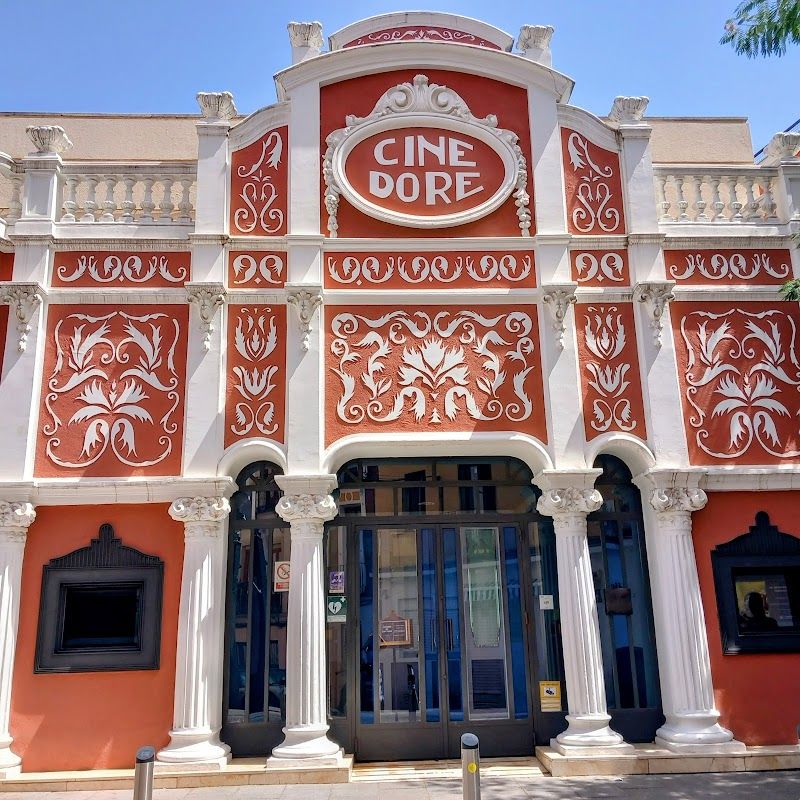
Cine Doré houses Spain's national film archive in a 1923 Art Deco building that is one of Madrid's most beautiful cinemas. You're not just watching films here, you're experiencing cinema history in original language screenings of classics, retrospectives, and international arthouse films that rarely play elsewhere in the city. The programming is exceptional, including complete Bergman cycles, restored silent films with live piano, and contemporary festival winners months before they hit commercial theaters. The experience starts in the lobby with its period tiles and curved staircase, then continues into screening rooms that feel authentically vintage without being uncomfortable. Between films, the outdoor terrace becomes Madrid's most civilized pre-show gathering spot, where film buffs discuss the evening's program over reasonably priced drinks. The atmosphere is serious about cinema but never pretentious, attracting everyone from film students to elderly cinephiles who've been regulars for decades. Most guides don't mention that single tickets cost around 4 EUR, making this very good value for the quality of programming and venue. The monthly pass at 20 EUR is the city's best cultural bargain if you're staying longer than a week. Skip the weekend evening screenings if you want seats, as popular retrospectives sell out. The terrace café serves decent wine and simple tapas, but eat dinner elsewhere.

2-3 hoursExplore
Matadero Madrid
Museum

Matadero Madrid

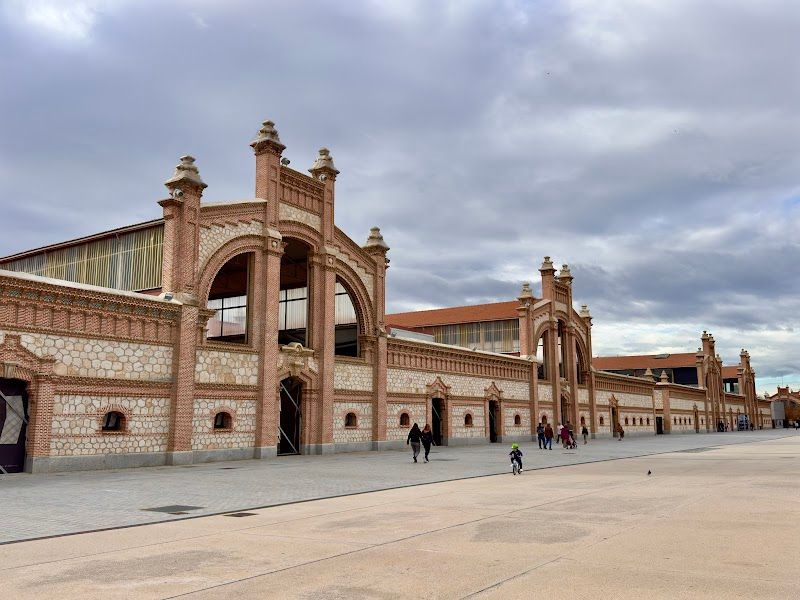
This former slaughterhouse complex in Arganzuela transforms industrial brutalism into Madrid's most adventurous arts venue. You'll wander between converted pavilions hosting everything from experimental theater to digital art installations, with each building maintaining its raw concrete and steel bones. The programming skews heavily contemporary, think video projections on meat hooks rather than traditional paintings on walls. Most exhibitions are free, though ticketed performances range from 8 to 25 EUR. The experience feels like exploring an art bunker where creativity colonized industry. You move through cavernous spaces where exposed pipes and weathered concrete frame cutting edge installations, often with soundscapes bleeding between rooms. The outdoor areas connect pavilions with sculptures and pop up food trucks, creating an almost festival atmosphere on busy nights. Summer brings outdoor screenings to the central courtyard, where you can watch arthouse films under Madrid's clear skies. Most cultural guides oversell this as essential viewing, but honestly, it's hit or miss depending on current programming. Check what's on before making the trip, some exhibitions are genuinely groundbreaking while others feel like art school projects. The Cineteca archive is fantastic for film buffs, but casual visitors often find it overwhelming. Skip weekday afternoons when it's nearly empty and loses its community energy.

2 hoursExplore
Mercado de San Fernando
Market

Mercado de San Fernando

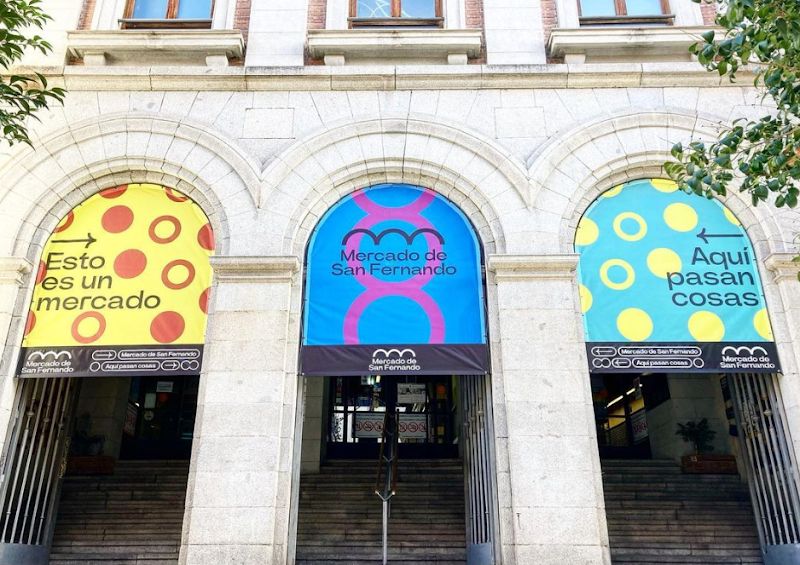
Mercado de San Fernando changes from a traditional neighborhood market during the day to a craft beer hub at night, making it Lavapiés' most adaptable food destination. You'll find elderly locals buying fresh fish alongside hipsters nursing IPAs, with vendors selling everything from Galician octopus to artisan empanadas. The Saturday morning organic cooperative brings small-scale farmers directly to consumers, offering seasonal produce at prices that beat La Paz or Antón Martín markets by 20-30%. The experience changes completely between morning and evening visits. Mornings feel authentically local: Spanish grandmothers debate vegetable quality while neighborhood cats weave between stalls. The covered pavilion fills with the smell of fresh bread and aged cheese. After 6pm, craft beer taps replace produce scales; DJs set up in corners, and the concrete floors get sticky with spilled Mahou. Film screenings happen monthly on a makeshift screen, drawing crowds who spill onto Embajadores street. Most food blogs overstate the evening scene, which can feel forced compared to the genuine morning market atmosphere. The craft beer selection is decent but overpriced at 4-6 EUR per pint. Your best bet is Saturday mornings before 11am when the organic cooperative offers good tomatoes, peppers, and leafy greens at wholesale prices. Skip the weekend evenings unless you enjoy shouting over house music to order mediocre tapas.

1-2 hoursExplore
Mercado de Antón Martín
Market

Mercado de Antón Martín

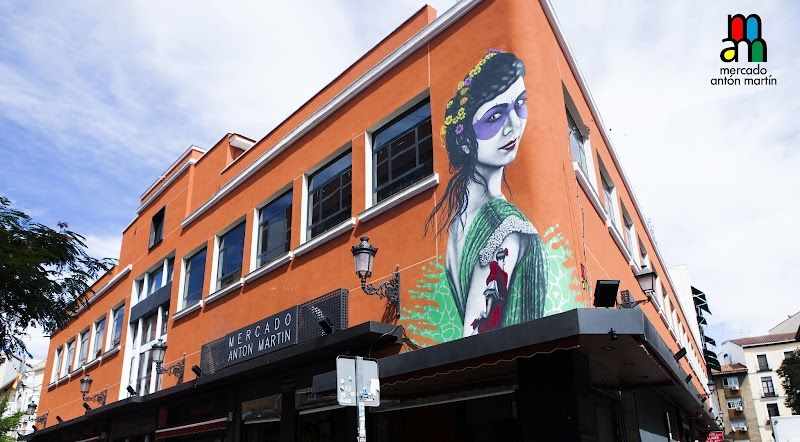
Mercado de Antón Martín feels like two markets in one: traditional Spanish vendors selling octopus and jamón alongside Venezuelan arepas and Japanese small plates. Built in 1941, it's been completely renovated with standing tables and communal seating that actually works. You'll find genuine Spanish seafood counters where locals grab lunch next to international stalls reflecting Lavapiés' multicultural reality. The flow is casual and social rather than touristy. Locals perch at standing tables with natural wine and oysters from La Coctelería while students grab €4 arepas or €8 ramen bowls. The atmosphere shifts throughout the day: quiet mornings with coffee and pastries, crowded lunch hours when office workers pack the seafood counters, and relaxed afternoons perfect for lingering over drinks. Most guides oversell this as a foodie destination when it's really just a solid neighborhood market with good variety. Skip the overpriced gourmet stalls near the entrance and head straight to the back where Spanish vendors offer better value. La Coctelería's natural wines start at €3 per glass, and the Japanese izakaya serves decent gyoza for €6, but don't expect Tokyo quality.

1-2 hoursExplore
More on Madrid

From the blog

View all →
Ready for Madrid?

Let DAIZ plan your Madrid days

Tell us how long you've got and what you're into. We'll build a day-by-day plan, with the bookable bits ready to lock in.

Plan my Madrid tripFree · no signup to start
Plan your Madrid trip