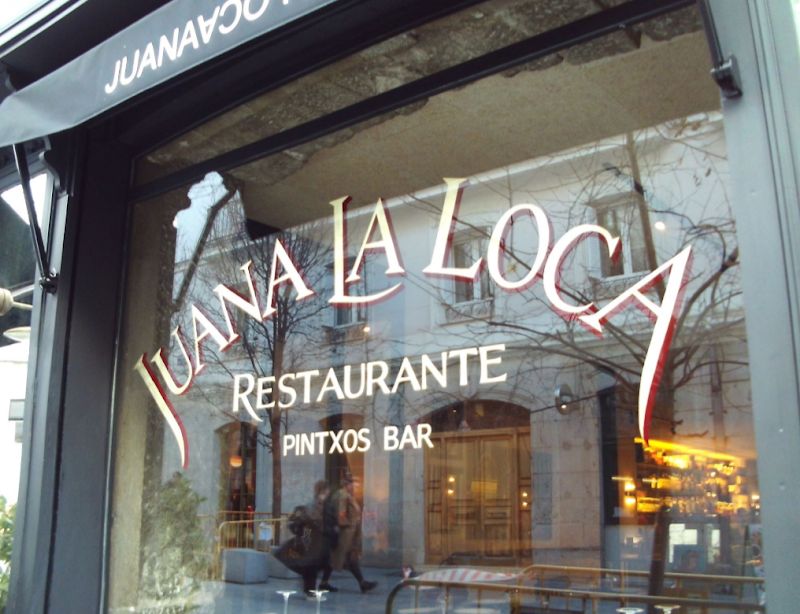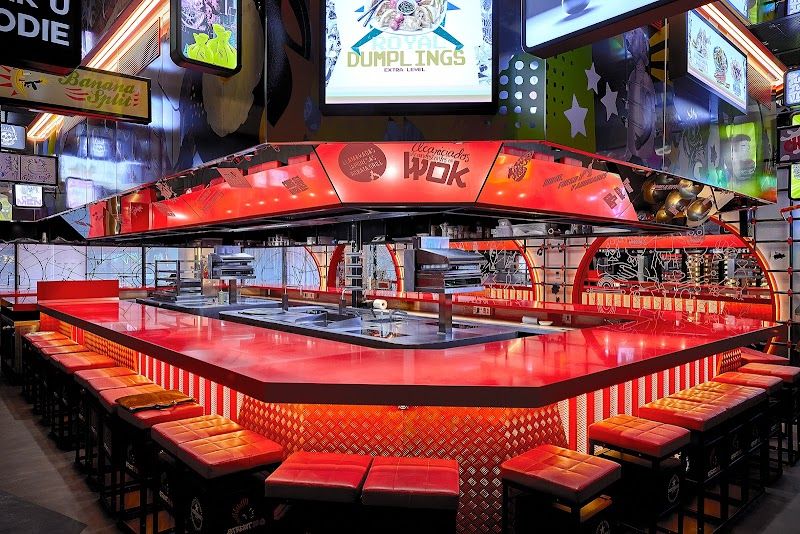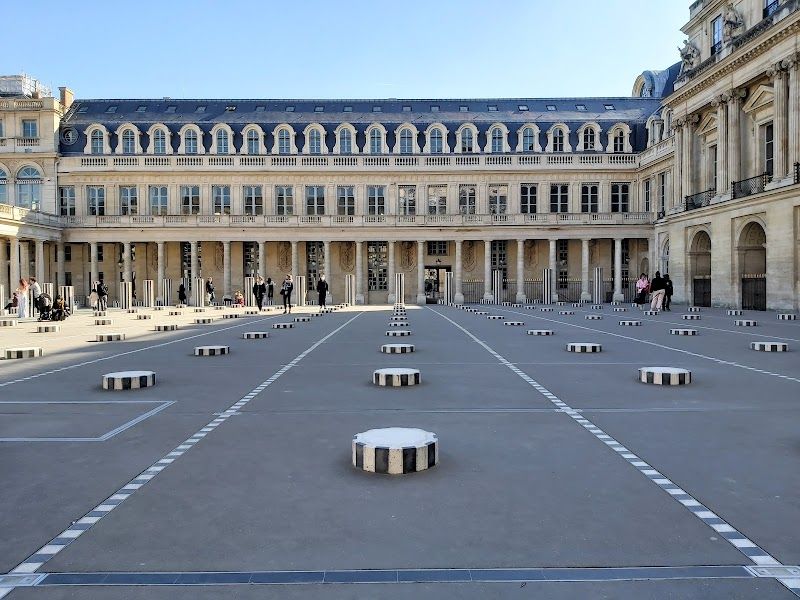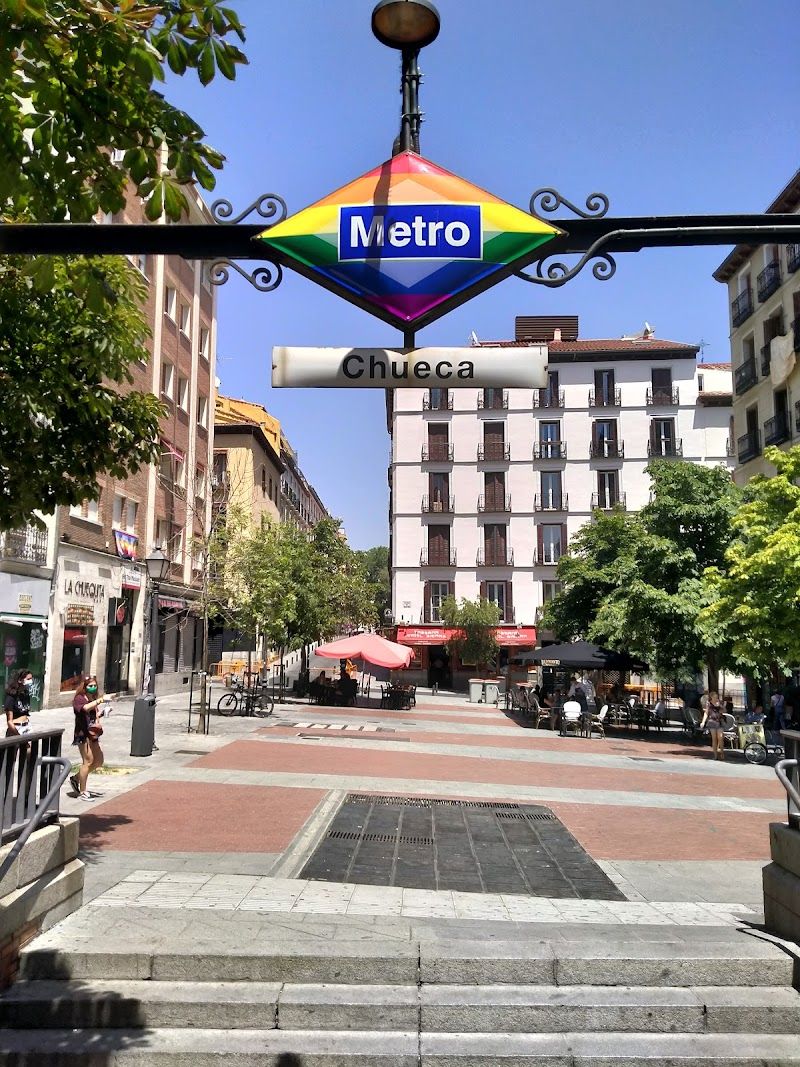
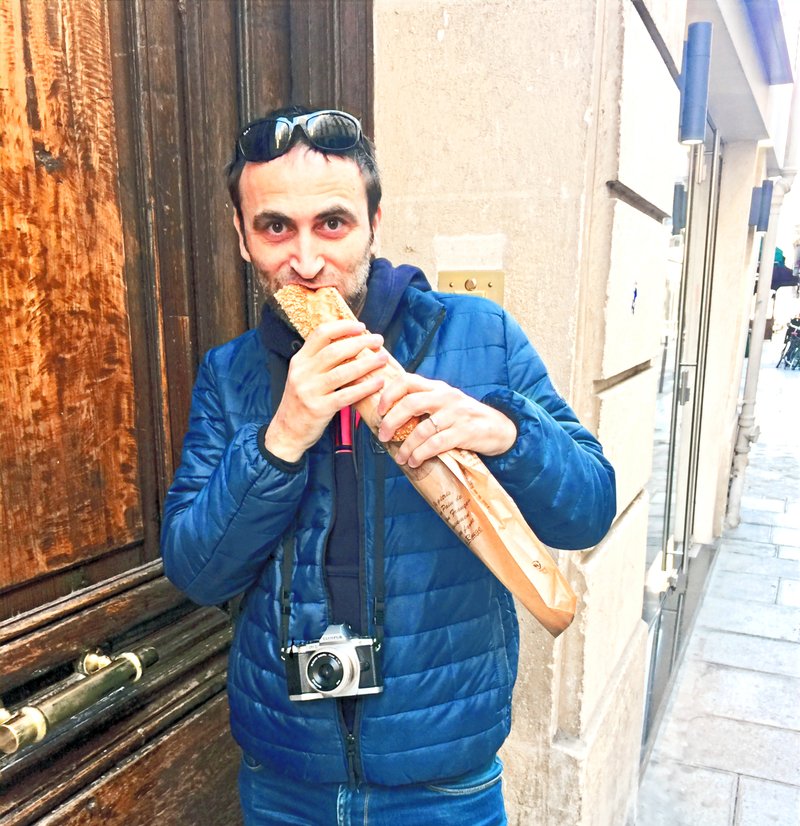
Madrid budget city break travel doesn't require sacrificing the experiences that make this city worth visiting. The Spanish capital rewards budget-conscious travelers who understand its rhythms - when museums open their doors for free, where locals eat their EUR 12 menú del día lunches, and which neighborhoods offer the best value for money.
The key to Madrid budget travel lies in timing and local knowledge. Museums offer free hours almost daily, the best food happens at neighborhood bars serving working-class crowds, and many of the city's most compelling experiences cost nothing at all. You can eat well, sleep comfortably, and see art without the premium prices of other European capitals.
When to Visit Madrid for Budget Travel
Spring (March-May) and fall (September-November) offer the best balance of weather and prices. Summer brings heat that sends locals fleeing to the coast, leaving restaurants and hotels scrambling to fill seats with discounted rates. Winter can be cold, but hotel prices drop significantly, and you'll have museums largely to yourself.
Avoid Easter week when prices spike across accommodation and dining. The same applies to Madrid's San Isidro festival in May, when the city celebrates its patron saint with bullfights, concerts, and inflated hotel rates.
Tuesday through Thursday typically offer the lowest hotel rates, while many restaurants close on Sundays and Mondays, limiting your dining options but also your spending opportunities.
Madrid Budget Hotels: Where to Sleep Without Overspending
Best Budget Neighborhoods for Madrid Budget Hotels
Sol & Centro puts you walking distance from major sights but at a premium. Hostel dorm beds range EUR 18-35, while budget hotels charge EUR 45-75 for doubles.
La Latina offers better value with the same central location. The neighborhood comes alive on Sunday afternoons during the Rastro flea market, and its narrow streets hide budget-friendly pensiones that locals recommend.
Malasaña attracts younger travelers with its indie bars and vintage shops. Mid-range hotels here cost EUR 80-140, but you're paying for atmosphere as much as location.
Lavapies represents Madrid's best accommodation value. This multicultural neighborhood south of Sol offers budget hotels from EUR 45-65 and a growing selection of boutique properties around EUR 120-220.
Budget Hotel Types and Pricing
Hostels dominate the budget accommodation scene. Dorm beds cost EUR 18-35 depending on season and location. Look for hostels near metro stations rather than in tourist zones for better rates.
Pensiones and hostales (not hostels) offer private rooms with shared bathrooms. These family-run establishments charge EUR 35-55 for doubles and provide insight into local life that chain hotels can't match.
Chain budget hotels like Room Mate and Petit Palace offer standardized comfort for EUR 80-120. They lack character but deliver reliable service and often include breakfast.
Apartment rentals make sense for stays over four nights. A one-bedroom in Lavapies or Malasaña costs around EUR 40-60 per night and includes kitchen access for additional savings.
Madrid Cheap Eats: Eating Well on a Budget
Madrid cheap eats revolve around understanding Spanish dining culture. Lunch happens between 2-4 PM, dinner starts at 9 PM, and the best values target locals, not tourists.
The Menú del Día Strategy
Menú del día represents Madrid's greatest food bargain. These set lunch menus cost EUR 12-18 and include starter, main course, dessert, and drink. Quality varies dramatically, so look for restaurants packed with office workers, not empty places targeting tourists.
Casa Labra near Sol serves excellent menú del día for EUR 15, including their famous cod croquettes. The zinc bar and tiled walls haven't changed since 1860, and neither have the prices relative to quality.
Where to Eat in Madrid: A Neighborhood Food Guide provides detailed neighborhood-by-neighborhood recommendations for finding the best menú del día options.
Tapas Bar Economics
Madrid tapas bars operate on volume, not markup. A small beer (caña) costs EUR 2-3.5, and many bars still provide free tapas with drinks. Casa Revuelta in La Latina epitomizes this tradition with their cod croquettes and EUR 2 beers.
Standing at the bar costs less than table service. Order "una caña y una tapa" and point to what looks good. Most tapas cost EUR 3-8, making a filling meal possible for under EUR 20.
Market Food Courts
Mercado de San Antón in Chueca offers upscale market dining with vendors serving everything from oysters to Korean food. Expect to pay EUR 15-25 for a meal, but the quality justifies the price.
Traditional markets like Mercado de San Miguel cater more to tourists with higher prices but offer excellent product quality. Budget EUR 25-35 for a full market experience.
Breakfast and Coffee Culture
Madrid breakfast culture centers on coffee bars serving café con leche (EUR 1.2-2.5) and pastries. Chocolatería San Ginés charges EUR 4 for their famous churros con chocolate, making it an affordable splurge.
Local bakeries offer croissants and coffee combinations for EUR 2.5-4. Avoid hotel breakfast (usually EUR 15-20) and start your day like Madrileños do.
Madrid Free Activities: The Best Things That Cost Nothing
Madrid free activities include some of Europe's most significant cultural experiences. The city's commitment to free museum access and abundant public spaces makes budget travel genuinely rewarding.
Free Museum Hours
The Art Walk Pass costs EUR 32 for three museums, but strategic planning makes it unnecessary. The Museo del Prado offers free admission Monday-Saturday 6-8 PM and Sunday 5-7 PM. Arrive 30 minutes early as queues form quickly.
Museo Reina Sofía provides free access Monday and Wednesday-Saturday 7-9 PM, plus Sunday 1:30-7 PM. Guernica alone justifies the visit, but allow time for the extensive contemporary collection.
Museo Thyssen-Bornemisza offers free Monday admission 12-4 PM for residents, but tourists pay EUR 13. The collection bridges the gap between the Prado's classical works and the Reina Sofía's modern pieces.
Always-Free Attractions
Retiro Park costs nothing and provides 125 hectares of green space. The Palacio de Cristal inside the park hosts free contemporary art exhibitions.
Templo de Debod offers sunset views over western Madrid without admission charges. This 2,200-year-old Egyptian temple was gifted to Spain and provides Instagram-worthy shots at golden hour.
Plaza Mayor and Puerta del Sol represent Madrid's historic heart. The Kilometer Zero marker at Sol costs nothing to see and marks the center of Spain's road network.
Free Walking Neighborhoods
Best of La Latina: A Walking Guide details a self-guided tour through Madrid's most atmospheric neighborhood. Sunday's Rastro flea market adds entertainment value without requiring purchases.
Chueca's grid of streets between Gran Vía and Malasaña rewards aimless wandering. The neighborhood's transformation from red-light district to LGBTQ+ hub created one of Madrid's most architecturally diverse areas.
Madrid Budget Itinerary: Three Days for Under EUR 100
This Madrid budget itinerary assumes EUR 25-30 daily accommodation, EUR 20-25 food budget, and EUR 10-15 for transport and incidentals.
Day 1: Central Madrid and Art
Morning: Free walking tour of Sol and Centro (tip EUR 5-10). Visit Plaza Mayor and Royal Palace exterior.
Lunch: Menú del día at Casa Labra (EUR 15)
Afternoon: Prado Museum during free hours (6-8 PM)
Dinner: Tapas crawl in La Latina (EUR 20-25)
Daily total: EUR 40-50
Day 2: Parks and Local Life
Morning: Retiro Park and Palacio de Cristal (free)
Lunch: Market food at Mercado de San Antón (EUR 18-22)
Afternoon: Reina Sofía Museum during free hours (7-9 PM)
Evening: Drinks in Malasaña (EUR 15-20)
Daily total: EUR 35-45
Day 3: Neighborhoods and Views
Morning: Explore Lavapies and Chueca neighborhoods (free)
Lunch: Menú del día in Chueca (EUR 14-16)
Afternoon: Templo de Debod for sunset views (free)
Evening: Final dinner in traditional taberna (EUR 25-30)
Daily total: EUR 40-50
Transportation Budget
A 10-trip Metro card costs EUR 12.2 and covers most tourist movement. Single tickets cost EUR 1.5 but become expensive quickly. The 7-day tourist pass (EUR 35.4) makes sense for stays over five days.
Walking between central attractions saves money and provides better neighborhood understanding. The distance from Sol to the Prado takes 15 minutes on foot and passes several worthwhile stops.
Madrid Travel Costs: Daily Budget Breakdowns
Ultra-Budget: EUR 35-45 per day
- Hostel dorm: EUR 18-25
- Breakfast: Coffee and pastry EUR 3
- Lunch: Menú del día EUR 12-15
- Dinner: Tapas at local bar EUR 12-18
- Transport: Walking plus occasional metro EUR 3-5
- Activities: Free museums and parks EUR 0-5 (tips)
Mid-Range Budget: EUR 60-80 per day
- Budget hotel or pension: EUR 25-40 (per person sharing)
- Breakfast: Café con leche and croissant EUR 4-6
- Lunch: Market food or restaurant EUR 18-25
- Dinner: Traditional restaurant EUR 25-35
- Transport: Metro 10-trip card EUR 6 (daily allocation)
- Activities: Museum admissions and paid attractions EUR 10-15
Comfortable Budget: EUR 100-130 per day
- Mid-range hotel: EUR 40-70 (per person sharing)
- All meals at restaurants: EUR 45-60
- Flexible transport including taxis: EUR 10-15
- Museum visits and cultural activities: EUR 15-25
- Evening drinks and entertainment: EUR 15-25
Saving Money on Madrid Museums and Culture
Beyond the big three art museums, Madrid offers numerous cultural experiences that don't strain budgets. Museo Naval provides free admission and tells Spain's maritime history through ship models and naval artifacts.
CaixaForum Madrid charges EUR 6 but offers temporary exhibitions in a building that's architectural art itself. The vertical garden covering the exterior wall costs nothing to admire.
Círculo de Bellas Artes rooftop charges EUR 4 for Madrid's best 360-degree views. Time your visit for sunset and the fee becomes insignificant compared to the experience.
Many municipal museums offer free or heavily discounted admission on specific days. The Museo de San Isidro covers Madrid's history from Roman settlement to modern capital without admission charges.
Practical Budget Tips for Madrid
Tap water is safe and restaurants provide it free upon request. Bottled water costs EUR 1-2 but isn't necessary.
Grocery shopping at Mercadona or DIA supermarkets keeps breakfast and snack costs minimal. A loaf of bread costs under EUR 1, and Spanish ham for bocadillos costs EUR 8-12 per kilogram.
Pharmacy products cost less than hotel gift shops. Basics like pain relievers, sunscreen, and toiletries are widely available at competitive prices.
Free WiFi covers most of central Madrid through municipal networks and café access. Data plans aren't essential for short visits.
ATM fees vary by bank and card type. Notify your bank of travel plans and use bank-affiliated ATMs to minimize charges.
Avoiding Tourist Traps and Overpriced Experiences
Restaurants around Sol and Plaza Mayor charge premium prices for mediocre food. Walk three blocks in any direction for better value and quality.
Flamenco shows targeting tourists cost EUR 25-40 plus drink minimums. Local bars in La Latina and Lavapies occasionally host authentic flamenco for the price of drinks.
Souvenir shops near major attractions inflate prices significantly. The same items cost half as much in neighborhoods like Malasaña or Chueca.
Airport transfers via taxi cost EUR 30-40, but Metro Line 8 reaches the city center for EUR 4.5 including the airport supplement.
Madrid rewards travelers who dig deeper than surface attractions. The city's budget-friendly side reveals itself to those willing to eat when locals eat, explore beyond the obvious neighborhoods, and appreciate experiences that don't require significant spending. A successful Madrid budget city break combines strategic planning with spontaneous exploration, creating memories that outlast any souvenir purchase.
For detailed neighborhood exploration and extended itinerary planning, consult our 3 Days in Madrid: First-Timer's Itinerary and First Time in Madrid: Everything You Need to Know guides.