Madrid eats differently than the rest of Spain, and it shows in every dish. The capital developed its own culinary identity over centuries, borrowing from across the country while creating specialties that exist nowhere else. These aren't tourist dishes - they're what Madrilenos order when they want comfort, tradition, or just a proper meal that justifies staying out until 2 AM.
Madrid food specialties reflect the city's working-class roots and aristocratic aspirations in equal measure. You'll find dishes that fed laborers alongside delicacies that graced royal tables, often served in the same neighborhood tavern that's been family-run for four generations.
The Essential Madrid Traditional Food Experiences
Cocido Madrileño: The Three-Course Chickpea Stew
Madrid cocido isn't just a dish - it's a ritual. This chickpea stew gets served in three distinct courses, or "vuelcos," starting with the broth, followed by vegetables, and finishing with meat. The process takes six hours of slow cooking, which explains why most restaurants only serve it for lunch and why you need to order it in advance at traditional spots.
Malacatín (Calle Ruda 5, La Latina) serves the best cocido in the city for EUR 28 per person. They've been perfecting their recipe since 1895, using the same clay pots and wood-fired stove. The chickpeas come from Pedrosillano, the cabbage from local farms, and the meat includes chorizo, morcilla, chicken, beef, and pork knuckle. Book ahead - they only make enough for 50 people daily.
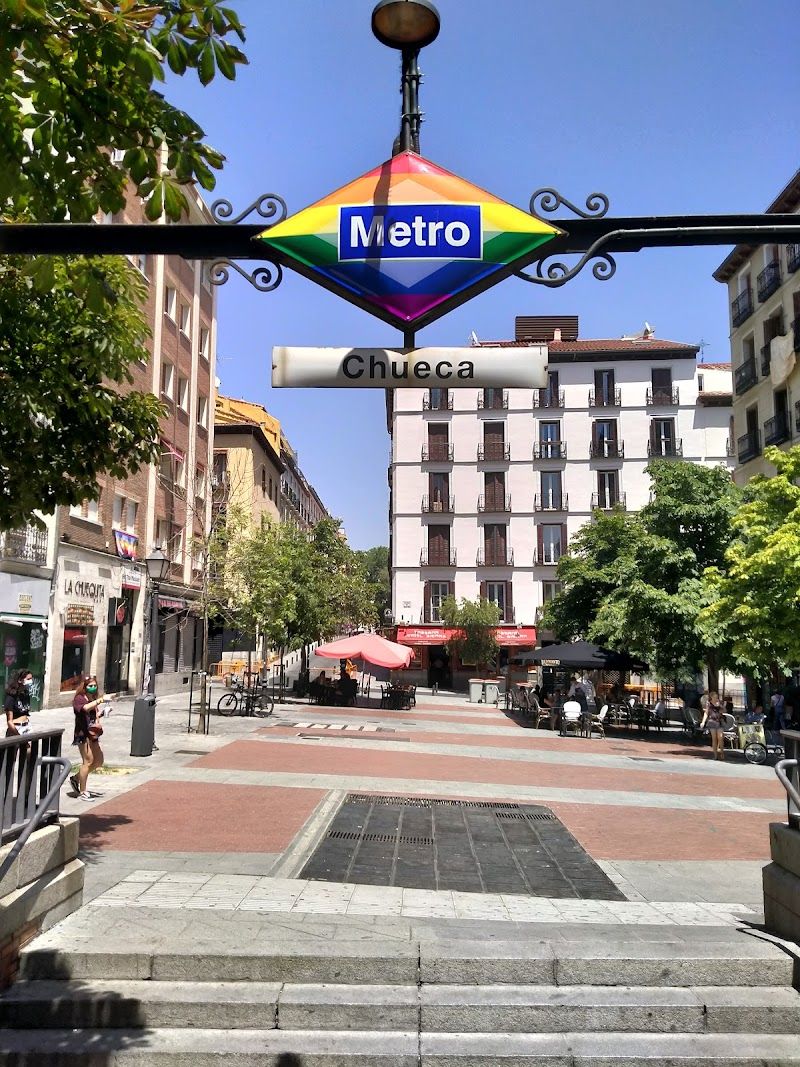
Casa Carola (Libertad 16, Chueca) offers a more accessible version for EUR 22, perfect if you can't plan a day ahead. Their cocido uses the traditional recipe but with slightly shorter cooking times, making it available most weekdays from 1 PM until they run out.
La Bola (Calle de la Bola 5, Sol) claims to be the oldest cocido restaurant in Madrid, operating since 1870. Their version costs EUR 35 and includes wine, but the portions are enormous - enough to feed two people if you're not particularly hungry.
Churros con Chocolate: More Than a Tourist Snack
Madrid churros taste different from the sugar-coated versions you'll find elsewhere in Spain. The city prefers them plain, thick, and crispy, designed specifically for dunking in hot chocolate that's closer to molten pudding than a drink. The chocolate contains no milk - just cocoa, water, and sugar heated until it reaches the consistency of liquid velvet.
Chocolatería San Ginés (Pasadizo San Ginés 5) has been serving churros con chocolate since 1894. Open 24 hours, it's where Madrilenos end their nights out, not start their mornings. Six churros with chocolate costs EUR 4.50, and the recipe hasn't changed in 130 years.
Chocolatería Valor (Gran Vía 28) offers a more refined version for EUR 5.20, using premium Venezuelan cocoa. Their churros are slightly thinner and less greasy, appealing to visitors who find the traditional version too heavy.
San Onofre (Mesonero Romanos 4, Sol) makes their churros to order, ensuring maximum crispiness. At EUR 3.80 for the full portion, it's the best value in the city center, though you'll need to time your visit carefully - they're only open until 10 PM.
Huevos Rotos: Broken Eggs Done Right
Huevos rotos translates to "broken eggs," but the dish represents Madrid's approach to comfort food - simple ingredients executed perfectly. Fried eggs get cracked over crispy potatoes, often topped with jamón ibérico, chorizo, or morcilla. The key lies in the potato technique: twice-fried for maximum crispiness outside while maintaining fluffiness inside.
Lucio (Cava Baja 35, La Latina) invented this dish in 1974 and still serves the definitive version. Their huevos rotos con jamón costs EUR 16, using eggs from free-range hens and jamón de bellota aged 36 months. The restaurant books up weeks in advance, but the bar serves the same dish for walk-ins.
Taberna Real (Plaza de Isabel II 2, Sol) offers excellent huevos rotos for EUR 12, with the advantage of being near Plaza Mayor and accepting reservations same-day. Their potato technique matches Lucio's, though the jamón is slightly lower grade.
Casa Lucio (Cava Baja 35, La Latina) - yes, there are two Lucios on the same street - serves a competing version for EUR 14. The rivalry between the two restaurants has lasted 30 years, giving visitors the chance to conduct their own taste test.
Traditional Madrid Meat and Seafood Specialties
Bocadillo de Calamares: The Unexpected Classic
Madrid's relationship with seafood seems unlikely for a landlocked city 300 kilometers from the coast, but the bocadillo de calamares proves geography wrong. This fried squid sandwich became a Madrid staple in the 1950s when improved transport made fresh seafood accessible. The squid gets battered and fried, then stuffed into crusty bread with nothing more than a squeeze of lemon.
Casa Revuelta (Latoneros 3, Sol) has been frying calamares since 1908. Their bocadillo costs EUR 3.50 and uses squid delivered fresh from Galician ports every morning. The batter recipe remains a family secret, passed down through four generations. Expect a queue during lunch hours - it moves quickly.
El Brillante (Glorieta del Emperador Carlos V 8, Atocha) serves the most famous bocadillo de calamares in Madrid, largely because it sits across from Atocha train station. At EUR 4.20, it's slightly more expensive but the squid is consistently tender and the bread fresh throughout the day.
La Campana (Botoneras 6, Sol) offers a gourmet version for EUR 6, using Roman-style calamares with lighter batter and artisanal bread. The higher price reflects better ingredients, though purists argue it misses the point of this working-class dish.
Callos a la Madrileña: Tripe for the Brave
Callos a la madrileña represents Madrid's nose-to-tail eating tradition. This tripe stew combines beef stomach lining with chorizo, morcilla, and a spicy tomato sauce. The dish requires eight hours of preparation to achieve the proper texture - tender enough to cut with a fork while maintaining some chewiness.
Taberna La Concha (Cava Baja 7, La Latina) serves exceptional callos for EUR 14, following a recipe from 1906. Their version includes beef feet for extra gelatin and uses pimentón de la Vera for authentic smoky flavor. The portion easily serves two people and comes with crusty bread for sopping up the sauce.
Casa Patas (Cañizares 10, Barrio de las Letras) offers callos as a tapa for EUR 8, first-time triers. Their preparation emphasizes the sauce over the tripe itself, making it more approachable for nervous diners. The restaurant also features flamenco shows, combining two Madrid traditions.
Rabo de Toro: Oxtail Madrid Style
Rabo de toro originated in Andalusia but Madrid developed its own preparation, braising oxtail in red wine with vegetables until the meat falls off the bone. The dish represents Madrid's ability to elevate simple ingredients through patient technique and quality wine.
Casa Lucio (mentioned earlier for huevos rotos) also serves outstanding rabo de toro for EUR 24. Their version uses Ribera del Duero wine and slow-cooks the oxtail for six hours. The sauce gets strained and reduced until it coats the back of a spoon, creating an intensely flavored gravy.
Taberna Los Gallos (Costanilla de San Pedro 9, Sol) offers a more affordable version at EUR 18, using similar techniques but slightly shorter cooking times. The meat remains tender and the sauce properly thick, making it excellent value for this labor-intensive dish.
Madrid Sweet Specialties and Desserts
Bartolillos: The Forgotten Pastry
Bartolillos represent Madrid's forgotten pastry tradition. These triangular fried pastries get filled with pastry cream and dusted with cinnamon sugar. Originally sold by street vendors, they nearly disappeared until a few traditional bakeries revived them in recent years.
El Riojano (Mayor 10, Sol) has been making bartolillos since 1855, using the same wooden molds and recipe. Three pieces cost EUR 4.50, and they're best eaten warm from the fryer. The bakery also supplies pastries to the Royal Palace, maintaining the highest quality standards.
Pastelería Mallorca (Serrano 6, Salamanca) offers a refined version for EUR 6, using Madagascar vanilla in the cream and organic flour. Their bartolillos are slightly larger and less sweet than the traditional version, appealing to modern tastes.
Rosquillas: Ring-Shaped Regional Pride
Rosquillas come in several varieties, each representing different Madrid neighborhoods. The tontas (plain) and listas (glazed) are the most common, while Santa Clara varieties include a layer of merengue. These ring-shaped cookies appear in every Madrid bakery but vary dramatically in quality.
Convento de las Carboneras (Plaza del Conde de Miranda 3, La Latina) sells rosquillas made by cloistered nuns, available through a wooden rotating drum to maintain their seclusion. Six rosquillas cost EUR 5, and the money supports the convent's charitable work. The cookies are notably less sweet than commercial versions.
La Duquesita (Fernando VI 2, Chueca) modernizes rosquillas with flavors like lemon and chocolate, while maintaining traditional shapes. Their mixed box of twelve costs EUR 12 and makes an excellent gift that travels well.
Torrijas: Spanish French Toast Perfected
Torrijas appear across Spain during Easter season, but Madrid's version differs in its use of wine instead of milk for soaking the bread. The result is more complex flavor and firmer texture, topped with cinnamon and honey.
Casa Mira (Carrera San Jerónimo 30, Sol) serves torrijas year-round for EUR 4 per portion. Their recipe uses day-old brioche bread, sweet wine from Málaga, and local honey from the Sierra de Guadarrama. The torrijas get fried in olive oil rather than butter, creating a distinctly Spanish flavor profile.
Regional Influences on Madrid Cuisine
Cochinillo Segoviano: Roast Suckling Pig
While cochinillo originates in Segovia, Madrid adopted this specialty and developed its own preparations. The suckling pig gets roasted in wood-fired ovens until the skin becomes crackling-crisp while the meat remains impossibly tender.
Posada de la Villa (Cava Baja 9, La Latina) roasts cochinillo in a 16th-century wood oven, following traditional Segovian technique. Half a pig serves four people for EUR 120, making it expensive but memorable. The restaurant's medieval setting adds atmosphere, though the cooking speaks for itself.
Botín (Cuchilleros 17, Sol) claims to be the world's oldest restaurant and has been roasting cochinillo since 1725. Their version costs EUR 35 per person (minimum two people) and includes the theatrical presentation of carving the pig with a plate edge, proving the meat's tenderness.
Judiones de La Granja: Giant White Beans
These massive white beans from Segovia province became a Madrid winter staple, typically served with chorizo and morcilla in a rich broth. The beans require overnight soaking and slow cooking to achieve the proper creamy texture without bursting.
El Schotis (Cava Baja 11, La Latina) serves exceptional judiones for EUR 16, using beans that are genuinely from La Granja and adding jamón ibérico for extra richness. The dish comes in a clay pot that retains heat throughout the meal.
Casa Ciriaco (Mayor 84, Sol) has been serving judiones since 1887, making them one of Madrid's oldest continuous food traditions. Their version costs EUR 14 and includes a glass of Ribera del Duero wine, making it exceptional value for such a substantial dish.
Where to Experience Authentic Madrid Food Culture
Exploring what to eat in Madrid requires understanding where locals dine versus where tourists gather. La Latina neighborhood contains the highest concentration of traditional restaurants, particularly along Cava Baja where family-run establishments have operated for generations.
Market dining offers another authentic experience. Mercado de San Antón in Chueca combines traditional market stalls with modern food vendors, allowing you to sample multiple Madrid specialties in one location. The upper floor restaurants use ingredients from the market below, ensuring freshness.
Timing matters significantly for Madrid dining. Lunch service runs from 1:30 PM to 4 PM, with most restaurants offering menú del día (set menus) for EUR 12-18. Dinner doesn't begin until 9 PM, reaching peak service around 10:30 PM. Attempting to dine outside these hours often results in tourist-oriented restaurants and higher prices.
For comprehensive restaurant recommendations across all neighborhoods, consult our detailed Madrid neighborhood food guide, which covers dining options from budget tapas bars to Michelin-starred establishments.
Practical Dining Tips for Madrid Food Specialties
Reservations prove essential at traditional restaurants, especially for weekend meals. Many family-run establishments only answer phones during specific hours and may not have online booking systems. Calling between 11 AM and 1 PM typically yields the best results.
Menu language can challenge non-Spanish speakers, as many traditional restaurants don't provide English translations. Key phrases include "menú del día" (daily set menu), "raciones" (large sharing plates), and "medias raciones" (half portions). Most servers in central Madrid speak basic English, but learning food vocabulary enhances the experience.
Payment customs vary by establishment type. Traditional restaurants accept cards, but many small bars and markets prefer cash. Tips aren't mandatory but rounding up the bill or leaving 5-10% for exceptional service is appreciated.
Dietary restrictions require advance planning in traditional Madrid dining. Vegetarian options exist but may be limited to salads and egg dishes. Vegan dining proves challenging at traditional restaurants, though modern establishments increasingly offer plant-based alternatives.
Group dining works well for trying multiple specialties, as many dishes come in sharing portions. Cocido madrileño feeds 2-3 people, while raciones (large plates) serve 3-4. This approach allows sampling several Madrid food specialties during a single meal while managing costs.
Madrid's food culture rewards curiosity and patience. The city's best dishes often come from restaurants that look unremarkable from the outside but have been perfecting their recipes for decades. Trust local recommendations, embrace the late dining schedule, and remember that the most authentic Madrid food experiences happen where you hear more Spanish than English at neighboring tables.
These twelve specialties represent just the beginning of Madrid's culinary landscape. Each dish tells part of the city's story, from working-class roots to royal connections, from regional influences to purely local innovations. The key to understanding Madrid lies not just in seeing its museums and monuments, but in sitting down to a proper meal and discovering why this city has always known how to eat well.