Madrid's madrid tipsy tapas tour scene makes perfect sense once you understand the city's relationship with time. Dinner happens at 10 PM, bars fill up at midnight, and somehow everyone functions perfectly the next morning. A guided tapas tour bridges this cultural gap, teaching you not just where to eat and drink, but when and how to do it like a Madrileno.
What Makes a Madrid Tipsy Tour Different
The madrid tipsy tour concept goes beyond simple bar hopping. These tours follow the Spanish tapeo tradition, where you eat small plates while standing at bars, move frequently, and drink strategically throughout the evening. Unlike the tourist traps around Plaza Mayor that serve microwaved croquetas at 7 PM, these tours hit the bars where locals actually gather.
A proper Madrid food tour starts after 8 PM and runs until midnight or later. You'll visit 4-6 bars, eating 2-3 tapas at each stop while learning about Spanish drinking culture. The "tipsy" element isn't about getting drunk - it's about embracing the Spanish approach of pairing food with alcohol throughout the evening.
The tours typically cost EUR 50-80 per person and include all food and drinks, though exact pricing varies by operator and route. Groups usually cap at 12-15 people to maintain the intimate atmosphere that makes Spanish tapas culture work.
Traditional vs Modern Tour Styles
Madrid's tapas tour operators split into two camps. Traditional tours focus on century-old establishments in La Latina and Sol & Centro, serving jamón ibérico, tortilla española, and house wines that haven't changed recipes since the 1960s.
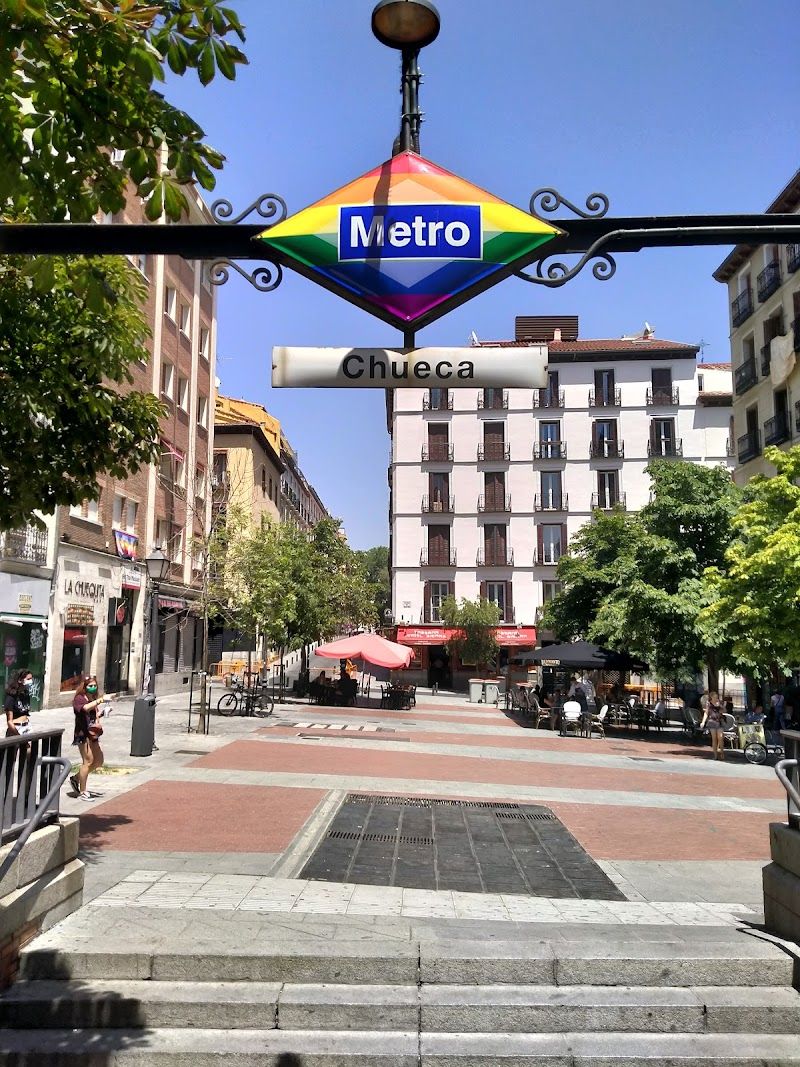
Modern tours venture into Chueca and Malasaña, where creative chefs reinvent Spanish classics. You might find deconstructed tortilla at a wine bar that stocks natural wines from small Spanish producers, or Korean-Spanish fusion tapas that somehow work perfectly with Rioja.
Both approaches have merit, but the traditional tours teach you more about actual Spanish culture. The modern tours show you where Madrid's food scene is heading, but they often feel more like restaurant tours than authentic tapeo experiences.
The Best Madrid Bar Crawl Routes
La Latina Classic Route
The La Latina neighborhood hosts Madrid's most traditional madrid tapas bars, and tours here follow routes that locals have walked for decades. Start at Plaza de la Paja around 8:30 PM, when the evening light hits the medieval buildings just right.
El Almendro 13 (Calle del Almendro 13) serves some of Madrid's best jamón ibérico. The owner, Manolo, has been slicing ham here for 35 years and can explain the difference between jamón serrano and jamón ibérico better than any food blogger. Order the jamón ibérico de bellota (around EUR 18-22 per plate) and a glass of Ribera del Duero (EUR 3-4).
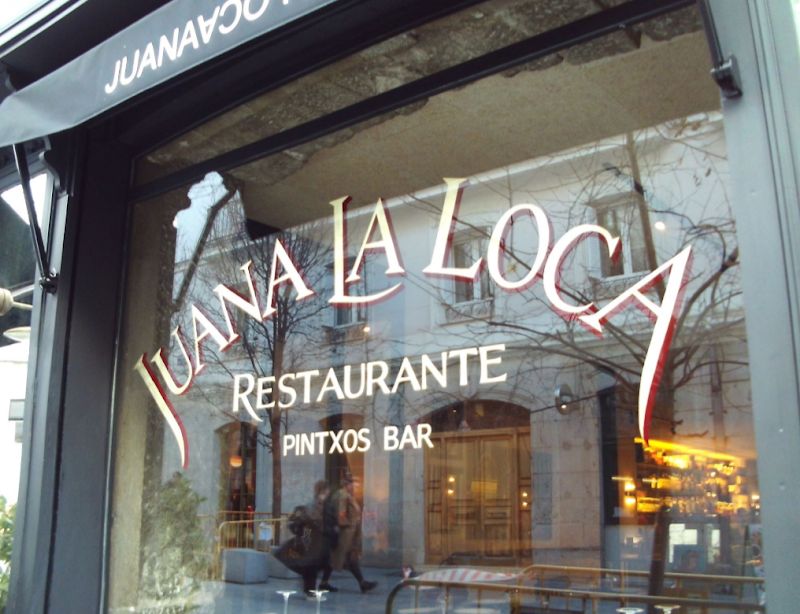
Walk two blocks to Juana La Loca (Plaza de la Puerta de Moros 4), which technically sits in Chueca but works perfectly in a La Latina route. Their tortilla española rivals any in the city, served properly runny in the center. The bar fills with a mix of neighborhood regulars and food-savvy visitors who've discovered this place through word of mouth rather than guidebooks.
Casa Lucio (Calle Cava Baja 35) appears on every tourist list, but their huevos estrellados (broken eggs over fried potatoes) genuinely justify the reputation. The technique looks simple but requires perfect timing - the eggs cook just enough to set the whites while leaving the yolks liquid. Expect to pay around EUR 12-15 for this signature dish.
End at Taberna Real (Plaza de los Carros 8), where the wine list focuses on small Spanish producers you won't find elsewhere in Madrid. The owner, Carlos, sources directly from wineries in Ribera del Duero and Priorat, offering tastings that feel more like private consultations than commercial transactions.
Chueca Modern Circuit
Chueca's madrid nightlife tours showcase contemporary Spanish cuisine while maintaining the social atmosphere of traditional tapeo. The neighborhood's bars stay open later and attract a younger, more international crowd.
Start at Mercado de San Antón (Calle de Augusto Figueroa 24), Madrid's most sophisticated food market. The second-floor restaurants serve modern interpretations of Spanish classics, though prices run higher than traditional tapas bars. The pulpo a la gallega (Galician-style octopus) costs around EUR 14-16 but represents some of the city's best seafood preparation.
Move to La Venencia (Calle Echegaray 7), technically in Barrio de las Letras but essential to any serious Madrid bar crawl. This sherry bar hasn't changed since 1929 - no music, no cocktails, just the best selection of Jerez wines in Madrid. Order manzanilla or fino (EUR 2.50-3.50 per glass) and let the bartender recommend food pairings.
Lateral (Calle Velázquez 57) represents the upscale end of Madrid's tapas evolution. Their croquetas de jamón cost EUR 8-12 but demonstrate perfect technique - crispy exterior, molten interior, and ham flavor that builds complexity as you eat. The wine list includes selections from across Spain, with knowledgeable staff who can guide you toward discoveries.
Finish at 1862 Dry Bar (Calle del Pez 27), where cocktail culture meets Spanish bar traditions. Their gin and tonic preparations (EUR 8-12) use Spanish gins and creative garnishes, while small plates complement rather than compete with the drinks.
What to Expect on a Madrid Tipsy Tapas Tour
Tour Structure and Timeline
Most madrid food tour operators follow similar formats. Groups meet between 7-8 PM at a central location, usually near a metro station for easy access. The guide introduces Spanish drinking and eating customs before heading to the first bar.
Each stop lasts 45-60 minutes, enough time to order drinks, eat 2-3 tapas, and absorb the atmosphere. Guides handle ordering and payment, which eliminates language barriers and ensures you get the specialties rather than tourist-friendly alternatives.
Expect to walk 1-2 kilometers total, with stops strategically placed to prevent fatigue. Good tours build alcohol consumption gradually - starting with lower-alcohol wines and building toward stronger drinks as the evening progresses.
Tours typically end between 11 PM and midnight, though some extend later on weekends. This timing aligns with Spanish social rhythms - early enough for tourists to get back to hotels, late enough to experience authentic Madrid nightlife.
Food and Drink Inclusions
Quality tours include all food and drinks in the base price. You'll typically consume 10-15 tapas across multiple stops, plus 4-6 alcoholic beverages. Portion sizes follow Spanish standards - small plates meant for sharing and sampling rather than full meals.
Wine selections focus on Spanish regions: Rioja, Ribera del Duero, Albariño from Rías Baixas, and Verdejo from Rueda. Guides often include sherry tastings to introduce this uniquely Spanish category.
Beer options usually feature Spanish brands like Mahou (Madrid's local beer) and Estrella Galicia, served in caña size (around 200ml). The smaller serving allows you to sample more varieties without excessive alcohol consumption.
Food highlights vary by tour operator and route, but expect jamón ibérico, Manchego cheese, tortilla española, patatas bravas, and at least one regional specialty. Better tours include explanations of preparation techniques and ingredient sourcing.
Group Dynamics and Guide Quality
The best Madrid tapas tours feel like evenings with knowledgeable local friends rather than formal dining experiences. Guides who've actually worked in Madrid's restaurant industry provide insights that go beyond basic food descriptions.
Look for tours that encourage interaction between participants. The Spanish tapeo tradition emphasizes social connection, and tours that facilitate conversations between strangers capture this cultural element.
Red flags include guides who rush between stops, tours that visit more than 6 bars (quantity over quality), and operators who guarantee specific foods regardless of seasonal availability. Quality guides adapt routes based on what's best that particular evening.
Neighborhood-Specific Madrid Bar Crawl Experiences
Sol & Centro: Tourist-Friendly Traditional
Sol & Centro tours work well for first-time visitors who want traditional Spanish food without venturing far from major landmarks. The concentration of historic taverns around Puerta del Sol creates easy walking routes.
Casa Labra (Calle Tetuán 12) claims to have invented the croqueta in 1860. Their bacalao croquetas (cod croquettes) cost EUR 6-8 and maintain the original recipe. The bar fills with a mix of office workers, tourists, and locals who've been coming here for decades.
Casa Revuelta (Calle Latoneros 3) serves Madrid's most famous soldaditos de Pavía (cod fritters). The preparation hasn't changed since 1940 - cod pieces battered and fried until golden, served with lemon wedges. At EUR 4-6 per portion, they represent exceptional value in central Madrid.
The downside of Centro tours: higher prices and more tourist-oriented service. Guides often speak multiple languages and adjust explanations for international visitors, but the cultural immersion feels diluted.
Barrio de las Letras: Literary and Liquid
The Barrio de las Letras combines Madrid's literary history with contemporary bar culture. Tours here weave together stories of Cervantes and Lope de Vega with visits to bars that serve both traditional and innovative tapas.
Start near the Museo del Prado and work toward Huertas Street, where bars stay open until 2-3 AM. The neighborhood's mix of locals and cultural tourists creates a sophisticated atmosphere without the pretension of wealthier areas.
Taberna Alhambra (Calle Ventura de la Vega 11) serves traditional Andalusian tapas in a literary neighborhood setting. Their flamenquín cordobés (fried pork roll) costs around EUR 8-10 and represents Córdoba's cuisine transported to Madrid.
Villa Rosa (Plaza de Santa Ana 15) occupies a converted flamenco tablao, maintaining the theatrical atmosphere while serving creative tapas. The gazpacho varies seasonally but consistently delivers complex flavors that showcase Spanish ingredients.
Lavapies: Multicultural and Authentic
Lavapies offers Madrid's most diverse tapas experiences, where Spanish traditions blend with influences from Latin America, North Africa, and South Asia. Tours here cost less than other neighborhoods while providing more authentic local experiences.
The area around Calle Argumosa hosts bars that serve Spanish classics alongside international fusion dishes. La Tabacalera (formerly a tobacco factory) now houses cultural spaces and bars that reflect the neighborhood's artistic identity.
Expect more experimental approaches to traditional recipes, lower prices, and younger crowds. The multicultural atmosphere creates unique flavor combinations you won't find in more traditional neighborhoods.
Practical Tips for Madrid Tipsy Tours
Booking and Timing Considerations
Book madrid tipsy tapas tours at least 3-4 days in advance, especially during peak tourist seasons (April-June, September-October). Popular operators sell out weekend tours weeks ahead of time.
Best days: Thursday through Saturday offer the most authentic experiences, when locals participate in tapeo culture alongside tourists. Sunday and Monday tours often feel forced, as many traditional bars operate on reduced schedules.
Seasonal variations: Summer tours start later (8:30-9 PM) to avoid afternoon heat, while winter tours begin earlier (7:30-8 PM) as bars fill up sooner. Spring and autumn provide ideal conditions for walking between venues.
Cancellation policies vary significantly between operators. Premium tours often allow free cancellation up to 24 hours before, while budget options may charge cancellation fees. Always verify policies when booking.
What to Wear and Bring
Madrid's casual dress culture means you don't need formal attire for tapas tours. Comfortable walking shoes are essential - you'll cover 1-2 kilometers on potentially uneven cobblestone streets.
Avoid shorts and flip-flops, which mark you as a tourist and may prevent entry to upscale establishments. Dark jeans or casual trousers with comfortable shirts work perfectly for any neighborhood.
Bring a small bag for personal items, but leave valuable jewelry and electronics at your hotel. Pickpocketing isn't common during organized tours, but crowded bars create opportunities for theft.
Weather considerations: Madrid's weather changes quickly, especially in spring and autumn. Carry a light jacket even during summer, as air-conditioned bars can feel cold after walking in heat.
Dietary Restrictions and Alternatives
Spanish cuisine traditionally relies heavily on pork, seafood, and dairy products. Vegetarian options exist but remain limited in traditional establishments. Most tour operators can accommodate dietary restrictions with advance notice, though options may be less interesting than standard offerings.
Gluten-free travelers face significant challenges, as bread plays a central role in Spanish bar culture. Some modern establishments offer gluten-free alternatives, but traditional bars rarely accommodate this restriction.
Vegan options remain scarce in traditional Spanish bars. Choose tours that include modern establishments, or consider private tours that can customize routes for dietary needs.
Alcohol-free participants can still enjoy tapas tours, though the social dynamics change significantly. Spanish bar culture revolves around alcohol consumption, and non-drinking participants sometimes feel excluded from conversations and activities.
Cost Breakdown and Value Analysis
Tour Pricing Structure
| Tour Type | Price Range | Inclusions | Duration |
|---|---|---|---|
| Budget Group Tours | EUR 45-60 | 8-10 tapas, 3-4 drinks | 3 hours |
| Premium Group Tours | EUR 70-90 | 12-15 tapas, 5-6 drinks, expert guide | 3.5-4 hours |
| Private Tours | EUR 120-180 per person | Customized route, unlimited tastings | 4-5 hours |
| Specialty Tours (wine-focused) | EUR 80-110 | Premium wines, cheese pairings | 3.5 hours |
Most tours include all food and drinks in the base price, though some operators charge extra for premium wine selections or additional tapas. Tipping isn't mandatory but EUR 5-10 per person for excellent guides is appreciated.
Independent vs Guided Value Comparison
Experienced travelers might question whether guided tours provide better value than independent bar hopping. The math depends on your priorities and Spanish language skills.
Independent costs: A typical evening visiting 4-5 bars costs EUR 35-50 per person for similar food and drink quantities. Add metro transport (EUR 1.50 per trip) and you're spending EUR 40-55 total.
Guided tour benefits: Access to establishments that don't typically serve tourists, cultural context that enhances the experience, and guaranteed service in English. The EUR 10-30 premium often pays for itself through better food selections and cultural insights.
Time savings: Guides eliminate language barriers, handle ordering and payment, and navigate efficiently between venues. Independent travelers often waste time with poor restaurant choices or communication difficulties.
For visitors with limited Madrid experience, guided tours provide better value despite higher costs. Experienced Spain travelers who speak basic Spanish may prefer independent exploration after getting oriented through one guided experience.
Alternative Madrid Food Tour Options
Beyond traditional tapas tours, Madrid offers specialized food experiences that explore different aspects of the city's culinary culture.
Market Tours and Cooking Classes
Several operators combine market visits with hands-on cooking instruction. These experiences start at Mercado de San Miguel or Mercado de la Paz, where guides explain Spanish ingredient selection before moving to kitchen facilities.
Costs range from EUR 80-120 per person and include market tours, cooking instruction, and meals. The format works well for travelers who want deeper culinary understanding beyond restaurant visits.
Wine-Focused Experiences
Spain's wine regions produce exceptional varieties that remain unknown outside the country. Specialized wine tours focus on Spanish producers, comparing Tempranillo expressions from different regions or exploring lesser-known varieties like Godello and Mencía.
These tours typically cost EUR 70-100 and visit wine bars rather than traditional tapas establishments. Food pairings complement wine selections but take secondary importance to liquid education.
Specialty Cuisine Tours
Madrid's international communities have created fusion cuisines that blend Spanish techniques with global flavors. Tours focusing on Latin American-Spanish fusion, Moroccan-Andalusian combinations, or modern Spanish interpretations of classic dishes provide alternatives to traditional tapas experiences.
Pricing varies widely (EUR 50-120) depending on restaurant quality and group size. These tours work best for repeat Madrid visitors who want to explore beyond traditional Spanish cuisine.
Final Recommendations
A madrid tipsy tapas tour provides the fastest route to understanding Spanish bar culture, especially for first-time visitors. Choose operators who emphasize cultural education over pure entertainment, and opt for traditional neighborhoods like La Latina over tourist-heavy areas.
The best tours feel like evenings with knowledgeable local friends who happen to know Madrid's food scene intimately. They teach you not just where to eat and drink, but how to navigate Spanish social customs that govern bar behavior.
Book premium tours for your first Madrid visit, then use that knowledge to explore independently during subsequent trips. The cultural foundation provided by quality guides enables more rewarding independent experiences throughout Spain.
For a La Latina tapas run, the Madrid Tapas and Wine Tasting Tour is the most direct match for what this guide describes; for the sherry-and-vermouth angle, the Madrid Wine Tasting in La Latina leans into the drinks side. Both pages show live availability and current prices.
If you're planning a longer Madrid stay, consider reading our comprehensive food guide for neighborhood-specific restaurant recommendations, or check out our 3-day Madrid itinerary for broader trip planning advice. For families, our Madrid with kids guide includes family-friendly food experiences that capture Spanish culture without the adult-focused bar atmosphere.