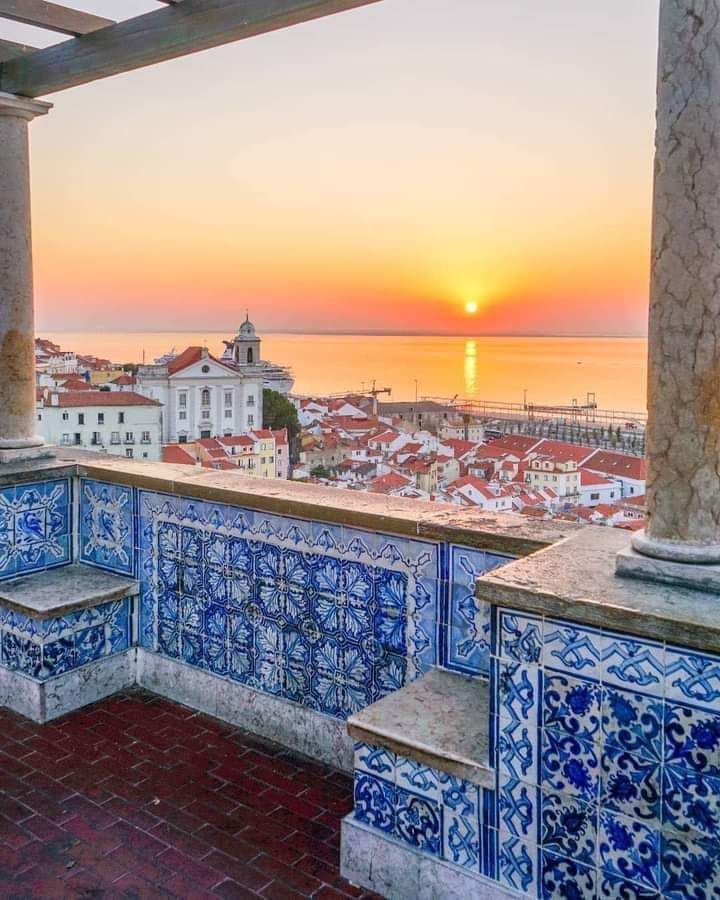
Lisbon · Alfama

Panteão Nacional

The Panteão Nacional is Portugal's Westminster Abbey - a massive baroque church with a soaring white marble interior where the country's greatest figures rest eternally.
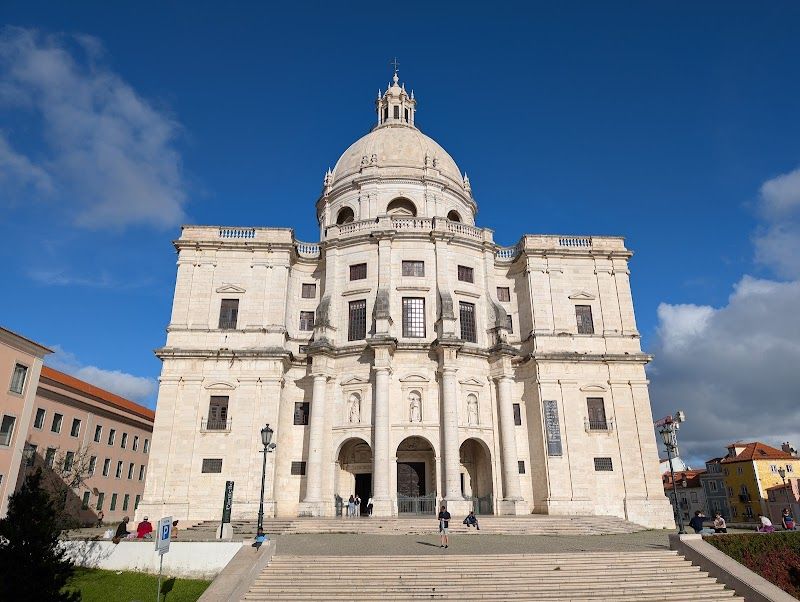
Panteão Nacional, Lisbon · Alfama
Category
Landmark
Duration
1 hour
Best Time
Morning
Entry
Rating
4.5 (12,132)
The place

About Panteão Nacional

The Panteão Nacional is Portugal's Westminster Abbey - a massive baroque church with a soaring white marble interior where the country's greatest figures rest eternally. You'll find presidents, writers, and beloved fado singer Amália Rodrigues entombed here, plus cenotaphs honoring explorers like Vasco da Gama. The real draw is the rooftop terrace circling the enormous dome, giving you 360-degree views over Alfama's terracotta rooftops, the Tagus River, and eastern Lisbon's sprawling neighborhoods.

Inside feels genuinely reverent - the polished marble floors and towering columns create an almost ethereal atmosphere as natural light filters down from the dome. You'll spend about 20 minutes exploring the tombs and reading plaques (some in English), then climb the narrow stairs to the terrace where benches let you sit and absorb the panoramic views. The dome's outdoor walkway is surprisingly spacious and rarely crowded, even on weekends.

At just 4 EUR, this delivers better value than most Lisbon viewpoints. Skip it if you're already hitting the castle - the views overlap somewhat. But if you want spectacular photos without tourist hordes, this beats Miradouro da Senhora do Monte hands down. The morning light is perfect for photography, and you'll often have the terrace mostly to yourself before 11am.

Get Ticketsvia GetYourGuide · prices may vary
Book ahead

Skip the Queue

Live availability and skip-the-line options from our booking partners.

Search on Viator →Search on GetYourGuide →

Booking powered by our partners. DAIZ may earn a commission.
The place

Getting there

Address
Campo de Santa Clara, 1100-471 Lisboa, Portugal
Neighborhood
Alfama
View on Google Maps →
Good to know

Tips, answered

Enter through the main doors facing Campo de Santa Clara - there's often a small queue at the side entrance that moves slower

Most people rush straight to the dome terrace, but spend 10 minutes reading about Amália Rodrigues's tomb - her story brings context to Portugal's cultural soul

The northeast corner of the terrace has the best unobstructed view of the Tagus and Vasco da Gama Bridge - perfect for wide-angle shots

Plan for about 1 hour. Morning visits are typically less crowded.

Panteão Nacional is in the Alfama neighborhood of Lisbon. The address is Campo de Santa Clara, 1100-471 Lisboa, Portugal. The area is well-served by metro.

Morning visits, especially early, mean fewer crowds and better light for photos. Weekdays are significantly quieter than weekends.

Comfortable shoes are recommended. Parts are outdoors, so bring a light layer.

Closed on Monday. Check the official website for holiday closures and special hours.

Around the corner

Nearby in Alfama

Explore all →
Alfama
Cultural Site

Alfama

Alfama survived the 1755 earthquake because the Moors built it right - twisting lanes that absorb rather than amplify seismic waves. You'll spend 2-3 hours wandering streets so narrow that residents chat between third-floor windows, past doorways where fado singers rehearse and courtyards where old men play cards. The neighbourhood flows from the castle walls down to the cathedral, with two excellent viewpoints (Miradouro de Santa Luzia and Portas do Sol) marking the transition from residential maze to river views. The experience feels like walking through someone's living room that happens to be outdoors. Laundry hangs overhead, cats nap on warm stones, and every corner reveals another postcard moment. The cobblestone streets reflect centuries of foot traffic, worn smooth as marble. You'll hear fragments of conversation, clinking glasses, and the occasional guitar from open taverna doors. The light changes dramatically as you move between sun-soaked squares and shadowy passages. Most guides oversell the formal fado houses - the spontaneous music in neighborhood tascas is more authentic and costs the price of a drink (€3-5 vs €25-40 minimum elsewhere). The Feira da Ladra flea market (Tuesdays/Saturdays) has genuine finds if you arrive early, but skip the overpriced tourist shops on the main drag. Focus your time on the upper section near Largo do Chafariz de Dentro where tour groups rarely venture.

2-3 hoursExplore
Castelo de Sao Jorge
Landmark

Castelo de Sao Jorge

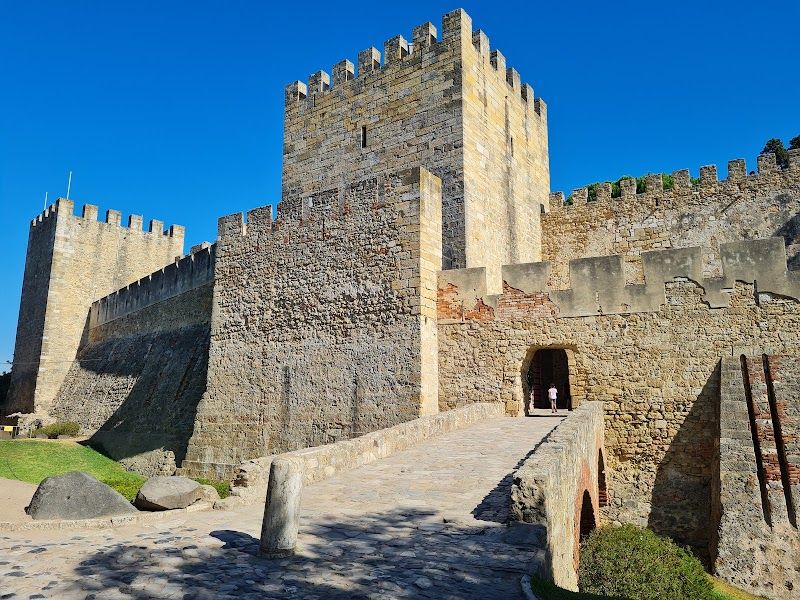
Castelo de São Jorge crowns Lisbon's highest hill with medieval walls that frame the city's best panoramic views. You'll walk ancient ramparts (though they're largely 20th-century reconstructions after earthquake damage) while peacocks roam the gardens freely. The real draw is the Camera Obscura, a 360-degree live projection of Lisbon that updates in real-time, plus views stretching from the Tagus River to the red rooftops of Alfama below. The visit flows naturally from the entrance gates through terraced gardens where peacocks strut between olive trees and archaeological ruins. You'll climb stone steps along the fortress walls, stopping at multiple viewpoints that reveal different angles of the city. The Camera Obscura tour runs every 20 minutes in a small darkened room where mirrors project a bird's-eye view of Lisbon onto a white dish. At EUR 15, you're paying premium prices for walls and views, but those views genuinely justify the cost. Skip the small museum inside (it's forgettable) and focus your time walking the complete rampart circuit. The archaeological site adds some context, but most people come for Instagram shots and leave satisfied. The steep climb through Alfama to reach the entrance is half the experience.

1-1.5 hoursExplore
Igreja de Santo António de Lisboa
Cultural Site

Igreja de Santo António de Lisboa

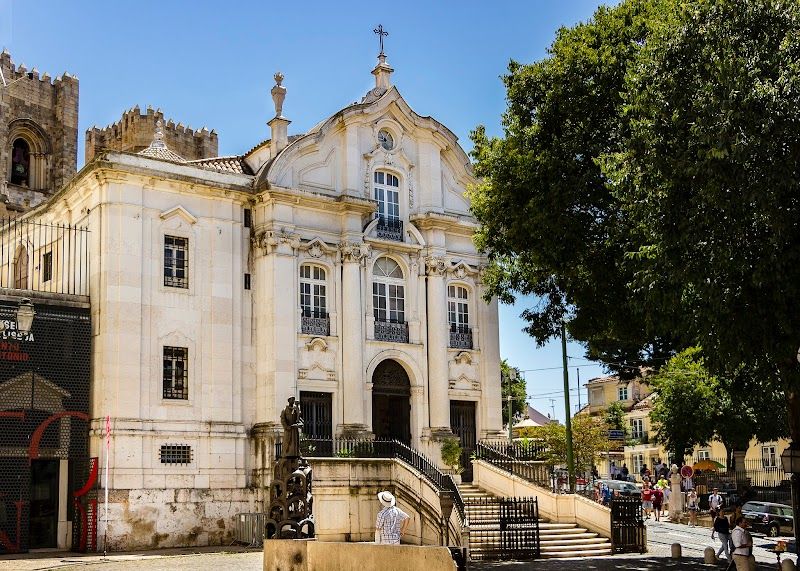
This compact baroque church sits directly above the birthplace of Saint Anthony of Padua (yes, the same saint who helps you find lost things), making it one of Christianity's most authentic pilgrimage sites. You'll find stunning 18th-century azulejo tiles depicting scenes from the saint's life, a beautiful gilded altar, and surprisingly intricate woodwork for such a small space. Local couples come here specifically for wedding blessings - Saint Anthony is Portugal's unofficial patron of marriage. The church feels genuinely lived-in despite being surrounded by Alfama's tourist crowds. You'll often find elderly Portuguese women lighting candles and whispering prayers, while the priest still conducts regular masses in Portuguese. The interior stays refreshingly cool even in summer, and the acoustics make every whispered prayer feel sacred. A small museum downstairs displays artifacts from the original Roman-era chapel, though it's often closed without warning. Most guides oversell the museum portion - the real experience is upstairs in the main church during a quiet moment. Entry is free, but locals typically drop €1-2 for candles. Skip the crowds by visiting before 10am when you'll have the space mostly to yourself. The church gets packed during wedding season (May-September weekends), so time accordingly if you want a peaceful visit.

30 minutesExplore
Feira da Ladra
Market

Feira da Ladra

Feira da Ladra is Europe's oldest flea market, running continuously since the 12th century in Alfama's Campo de Santa Clara. You'll find genuine antique Portuguese azulejos (tiles) starting around €15, vintage cameras from €30, vinyl records for €5-20, and African art pieces reflecting Lisbon's colonial connections. The market spreads across the entire square, with about 200 vendors selling everything from grandmother's china to Soviet-era military gear. The atmosphere shifts dramatically as morning progresses - arrive at 8am and you'll browse peacefully among serious collectors and dealers setting up their best pieces. By 11am, tour groups arrive and the square fills with chatter in multiple languages. The vendors near the National Pantheon tend to have higher-quality antiques, while the outer edges mix genuine finds with household castoffs and tourist trinkets. Most guidebooks romanticize every stall, but honestly, about 60% is junk you wouldn't want at home. The magic happens when you stumble across a 1950s Portuguese cookbook for €8 or an original Fado record from the 1960s. Skip the obvious tourist stuff near the entrance - fake azulejos and mass-produced "antique" maps. Budget €20-50 if you want to buy something worthwhile, and bring cash since most vendors don't take cards.

1-2 hoursExplore
Museu do Aljube - Resistência e Liberdade
Museum

Museu do Aljube - Resistência e Liberdade

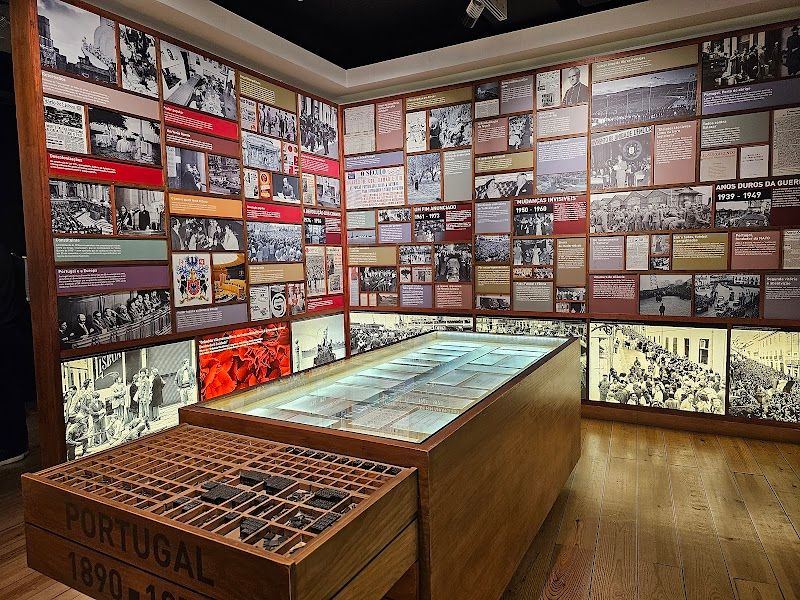
This former political prison operated from 1928 to 1965, holding opponents of Salazar's Estado Novo dictatorship in cramped cells that you can still walk through today. The museum doesn't sugarcoat anything - you'll see authentic torture instruments, read prisoners' letters scratched into walls, and listen to recorded testimonies from survivors. The exhibitions trace Portugal's path from dictatorship to the 1974 Carnation Revolution, with particular focus on censorship, secret police operations, and everyday resistance. The building itself tells the story as much as the displays. Original prison cells remain intact with their tiny windows and stone walls, creating an immediate sense of claustrophobia that hits you harder than any text panel could. The audio guide (available in English) is exceptional, featuring actual recordings of former prisoners describing their experiences. The upper floors contrast the darkness below with bright exhibition spaces covering Portugal's transition to democracy, but those basement cells stay with you. Entry costs €3, making this one of Lisbon's best museum values. Most visitors rush through in 45 minutes, but you need at least 90 minutes to properly absorb the weight of what happened here. Skip the temporary exhibitions on the ground floor - they're often underwhelming compared to the permanent collection. The museum can feel emotionally heavy, so don't plan anything too lighthearted immediately after.

1-2 hoursExplore
Miradouro de Santa Luzia
Viewpoint

Miradouro de Santa Luzia

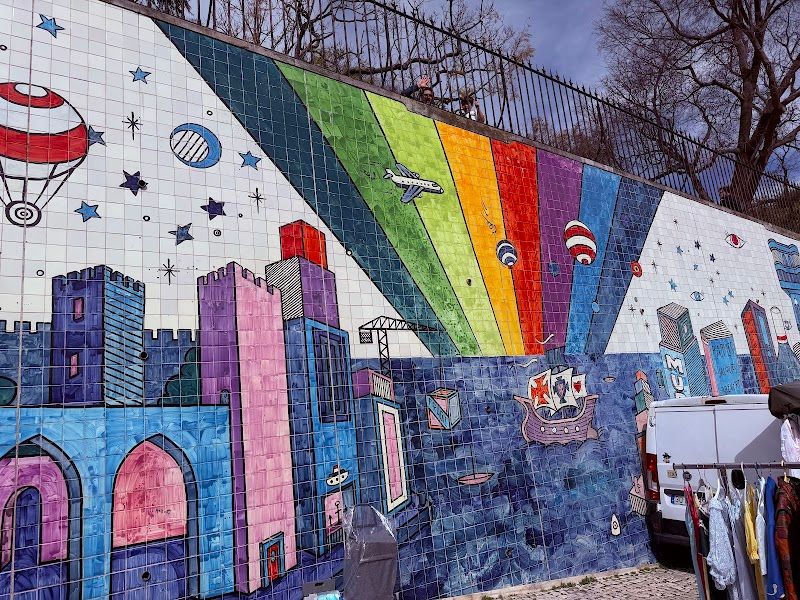
Miradouro de Santa Luzia delivers one of Alfama's finest panoramas without the crowds that plague Senhora do Monte. You'll get sweeping views over the neighborhood's famous terracotta rooftops cascading down to the Tagus River, with cruise ships docked at the port and the dome of São Vicente de Fora Monastery punctuating the skyline. The terrace itself is beautifully designed with bougainvillea-covered pergolas providing natural shade and intricate azulejo tile panels depicting Lisbon before the 1755 earthquake. The viewpoint has a relaxed, romantic atmosphere that draws couples and photographers throughout the day. You'll often hear Portuguese guitar from buskers performing under the pergolas, adding to the authentic feel. The space isn't large - maybe 30 people comfortably - but it rarely feels cramped since most visitors snap photos and move on. The tile panels are worth examining closely; they show the old Ribeira Palace and Terreiro do Paço as they looked centuries ago. Most people rush through in five minutes, but this place rewards lingering. The afternoon light (around 4-6pm) makes the rooftops glow beautifully and creates the best photo conditions. Skip the overpriced drinks from vendors who sometimes set up here - there's a decent café just 50 meters away on Largo do Chafariz de Dentro. The viewpoint is free, unlike some Lisbon miradouros that charge entry fees.

20 minutesExplore
More on Lisbon

From the blog

View all →
Ready for Lisbon?

Let DAIZ plan your Lisbon days

Tell us how long you've got and what you're into. We'll build a day-by-day plan, with the bookable bits ready to lock in.

Plan my Lisbon tripFree · no signup to start
Plan your Lisbon trip