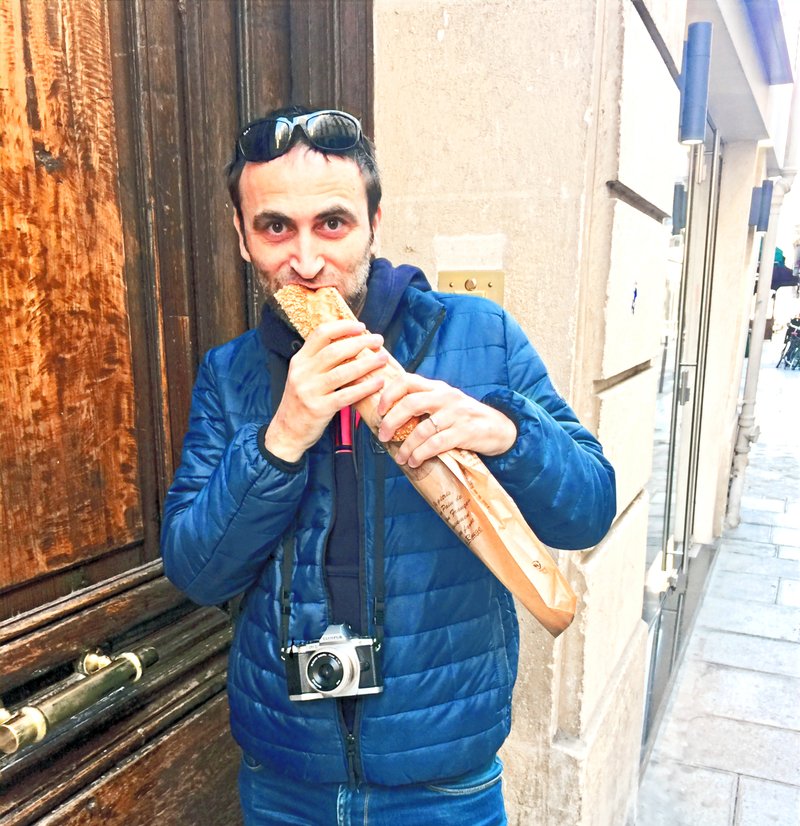
Lisbon is the kind of city that rewards preparation. This Lisbon travel guide cuts through the tourist nonsense to give you what actually works. The city sprawls across seven hills along the Tagus, creating distinct neighborhoods that each serve different purposes. You'll walk more than you expect, pay less for food than seems possible, and probably underestimate how much that afternoon light will affect your camera roll.
The best time to understand Lisbon is late afternoon when the light hits those tile facades and transforms ordinary streets into something painters have been trying to capture for centuries. But first, you need to know where to go.
Essential Lisbon Travel Planning
When to Visit Lisbon
Lisbon works year-round, but each season delivers different experiences. Spring (March-May) offers the best balance - warm days averaging 18-22°C, minimal rain, and manageable tourist crowds. Summer (June-August) brings heat waves that can hit 35°C and crowded miradouros, though the Atlantic breeze helps.
Winter isn't the disaster many travelers fear. Temperatures rarely drop below 8°C, rain comes in bursts rather than constant drizzle, and you'll have major sites mostly to yourself. The city's indoor cafés and museums become social hubs when weather turns.
Getting to Lisbon and Around
Humberto Delgado Airport sits 7km northeast of downtown. The Metro Red Line takes 20 minutes to reach Rossio for EUR 1.5 - your cheapest option. AeroBus express service costs EUR 2 and stops at major hotels and transport hubs. Taxis run EUR 12-20 depending on traffic, while Uber and Bolt typically cost EUR 8-15.
Within the city, metro, buses, and trams all cost EUR 1.5 per ride. The Tram 28 is tourist theater but functionally useless - overcrowded and slow. Use it once for photos, then switch to the metro for actual transport.
The 7-day Navegante pass costs EUR 40 and covers all public transport. If you're staying longer than five days and plan to use transport twice daily, it pays for itself.
Lisbon Neighborhoods: Where to Stay and Explore
Alfama: Medieval Maze with Tourist Traps
Alfama survived the 1755 earthquake that flattened most of Lisbon, leaving narrow medieval streets that climb relentlessly upward. This creates the atmosphere everyone comes for, but also the tourist traps everyone falls into.
Skip the crowded fado houses on Rua do Salvador - they charge EUR 35 for dinner and watered-down performances. Instead, find smaller venues like Sr. Fado (Rua dos Remédios 176) where locals actually go and cover charges stay under EUR 15.
The neighborhood's real value lies in its viewpoints and morning wandering. Miradouro da Senhora do Monte offers the best city panorama - arrive by 9 AM to avoid tour groups. Largo do Chafariz de Dentro provides Tagus views without the crowds.
Baixa & Rossio: The Tourist Grid
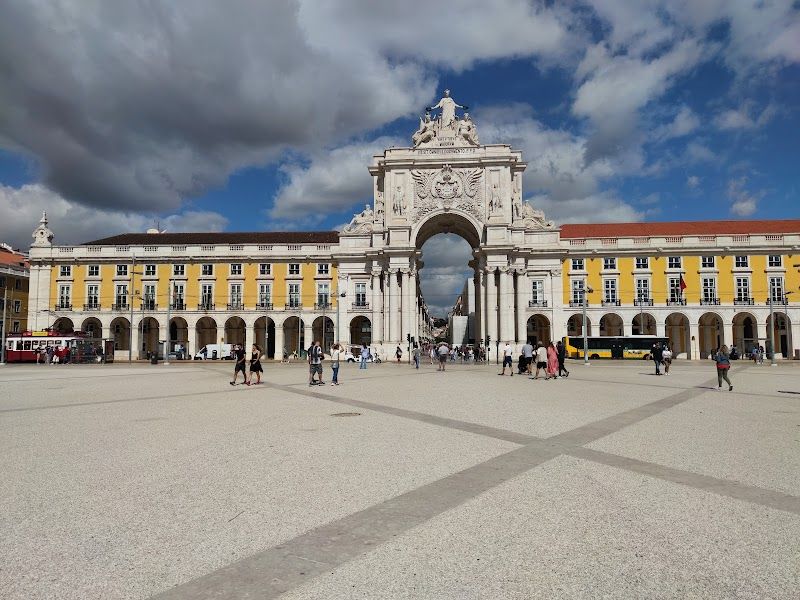
Baixa is where the Marquis of Pombal rebuilt Lisbon after the earthquake, creating a logical grid that makes navigation simple. Rossio Square anchors the area with its distinctive wave-pattern cobblestones and serves as the transport hub.
Rua Augusta pedestrian street runs straight through Baixa from Rossio to the Tagus, lined with shops that mostly serve tourists. The parallel streets - Rua da Prata and Rua do Ouro - offer better people-watching and cheaper cafés.
Elevador de Santa Justa costs EUR 5.5 for a two-minute ride that saves a five-minute walk. The viewing platform provides decent photos but nothing you can't see from free miradouros.
Chiado & Bairro Alto: Shopping and Nightlife
Chiado handles the upscale shopping and literary history. Rua Garrett houses international brands alongside century-old shops like Livraria Bertrand (world's oldest operating bookstore) and A Brasileira café where Fernando Pessoa allegedly spent entire afternoons.
Bairro Alto transforms completely after dark. Narrow streets fill with bar-hoppers moving between tiny establishments that spill onto sidewalks. Start at Rua do Norte or Rua da Rosa around 10 PM - earlier and you'll drink alone.
The neighborhood's daytime personality focuses on vintage shops and record stores. Matéria Prima (Rua da Rosa 33) stocks Portuguese vinyl, while Storytailors (Rua do Duque 26) sells Portuguese-made clothing.
Belém: Monuments and Tourist Buses
Belém sits 6km west of downtown along the Tagus and houses Lisbon's must-see monuments. Take Tram 15E from Praça da Figueira (25 minutes, EUR 1.5) rather than fighting traffic in tour buses.
Jerónimos Monastery opens at 10 AM - arrive then to explore the Manueline architecture before tour groups arrive. Entry costs EUR 10 and includes the church, which is free to visit separately.
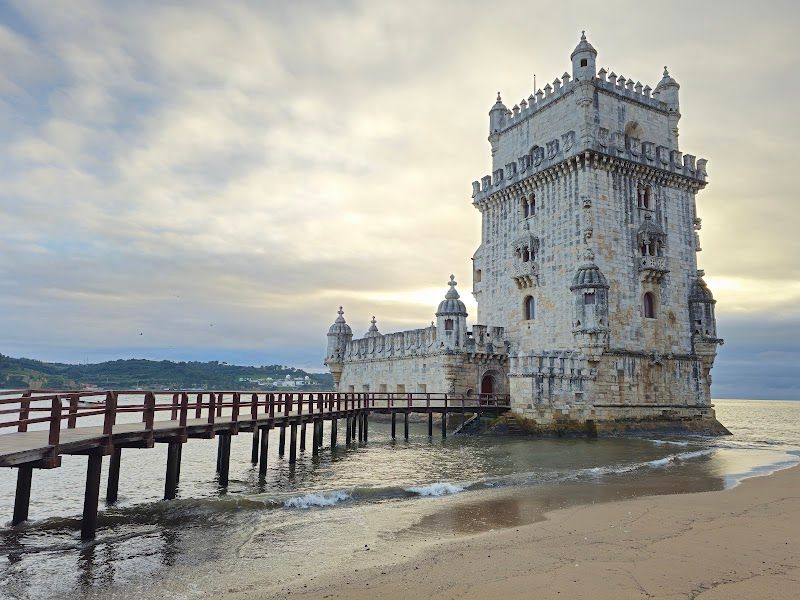
Belém Tower provides Instagram shots but little historical context. The EUR 6 entry fee gets you fifteen minutes inside a small fortress. More interesting is the Discoveries Monument nearby, which you can appreciate from ground level.
Pastéis de Belém bakery created the original pastéis de nata recipe in 1837. The queue moves quickly, and each tart costs EUR 1.2. Order at the counter, not the sit-down restaurant section where prices double.
Príncipe Real: Where Locals Want to Live
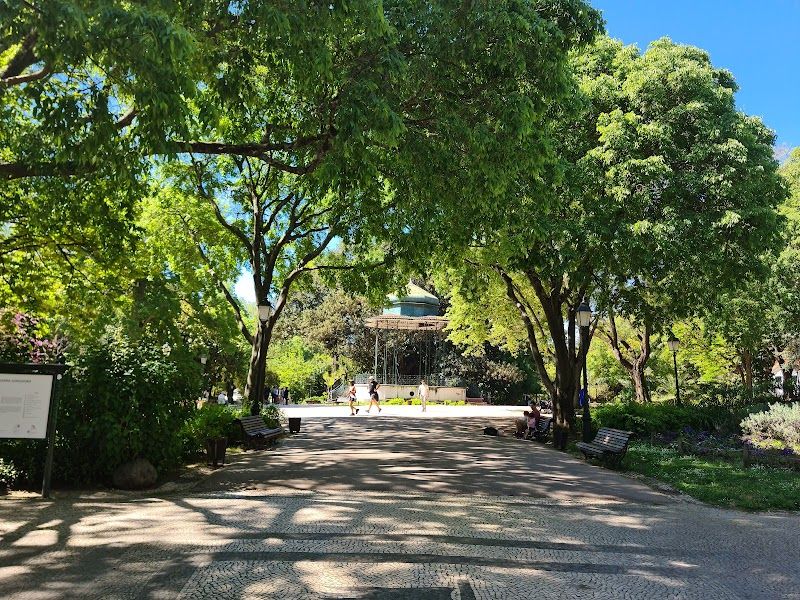
Príncipe Real represents aspirational Lisbon - tree-lined streets, elegant architecture, and shops that serve residents rather than tourists. The central garden (Jardim do Príncipe Real) hosts weekend markets and provides afternoon shade.
Embaixada shopping complex (Praça do Príncipe Real 26) occupies a restored 19th-century palace with Portuguese designers and concept stores. Prices reflect the neighborhood's upscale positioning.
For food, try Prado (Travessa das Pedras Negras 2) for modern Portuguese cuisine or Tabacaria Real (Rua da Escola Politécnica 42) for traditional tasca atmosphere with contemporary execution.
Essential Lisbon Travel Tips
Transportation Strategy
Liston's hills make walking challenging but rewarding. Plan routes that work with the topography - walking downhill from Bairro Alto to Baixa feels effortless, while the reverse requires strategic tram use.
The metro covers major destinations efficiently. Green and Blue lines serve most tourist needs, connecting Rossio, Marquês de Pombal, and major shopping areas. Yellow line reaches the airport.
Taxis and ride-sharing work better than advertised for short trips between neighborhoods. A ride from Alfama to Bairro Alto costs EUR 5-8 and saves 20 minutes of walking uphill.
Food and Drink Navigation
Portuguese restaurant culture follows patterns that help budget planning. Lunch menus (prato do dia) typically cost EUR 8-15 and include soup, main course, and drink. Dinner à la carte doubles these prices for similar portions.
Standing at the bar costs less than table service - sometimes half the price for coffee and pastries. A bica (never say "espresso") costs EUR 0.8 at the counter, EUR 1.5 at a table.
Supermarkets provide excellent value for breakfast and snacks. Continente and Pingo Doce chains stock Portuguese specialties alongside international brands at reasonable prices.
Money and Practical Matters
Portugal uses the euro, and card payment is widely accepted. ATMs are everywhere and don't charge excessive fees for international cards. Tap-to-pay works on all public transport.
Tipping isn't obligatory but rounding up restaurant bills by 5-10% is standard. Taxi drivers appreciate small tips but don't expect them.
Most museums close on Mondays - plan accordingly. Many offer free admission on Sunday mornings or first Sundays of the month for EU residents.
What to Do in Lisbon
Historical Sites Worth Your Time
São Jorge Castle costs EUR 10 and provides city views that justify the price, especially late afternoon. The castle itself offers limited historical interest, but the panoramic perspectives help you understand Lisbon's geography.
National Museum of Ancient Art houses Portugal's finest art collection for EUR 6. The Panels of St. Vincent represent Portuguese painting at its peak, while the Temptations of St. Anthony by Hieronymus Bosch draws international visitors.
For a comprehensive guide to Lisbon's food scene, check our detailed neighborhood food guide which covers where locals actually eat versus tourist traps.
Museums and Culture
Gulbenkian Museum charges EUR 10 for one of Europe's finest private collections. Calouste Gulbenkian's eclectic taste created displays ranging from ancient Egyptian artifacts to Art Nouveau jewelry by René Lalique.
National Tile Museum costs EUR 5 and explains Portugal's azulejo obsession through centuries of ceramic art. The museum occupies a former convent with original tiles intact.
The modern Museum of Electricity (EUR 6) appeals to families with interactive displays in a restored power station. Kids enjoy the hands-on exhibits while adults appreciate the industrial architecture.
Viewpoints and Free Activities
Listonn's miradouros provide free entertainment that beats paid attractions. Miradouro da Senhora do Monte offers the city's best panoramic views - arrive early morning or late afternoon when light is optimal.
For more detailed information about Lisbon's viewpoints and how they compare, see our comprehensive guide to the best viewpoints.
Miradouro da Graça provides Alfama views with a café attached. Order a bica and settle in for people-watching.
Day Trip Options
Sintra sits 40 minutes west of Lisbon by train and offers palace fantasies amid forested hills. Pena Palace costs EUR 14 but advance booking is essential during peak season. The colorful Romantic architecture photograph better than they tour.
Cascais provides beach access 30 minutes from Rossio station. The resort town feels touristy but beaches are legitimate, especially Praia do Guincho for surfing.
For detailed day trip planning including transport, timing, and what to skip, our complete day trips guide covers Sintra, Cascais, and lesser-known options.
Budgeting for Lisbon
Lisbon delivers exceptional value compared to western European capitals. Budget travelers can operate on EUR 30-40 daily including accommodation, food, and transport. Mid-range comfort requires EUR 60-80 per person daily.
Sample Daily Budgets
Budget (EUR 35 per day):
- Hostel dorm: EUR 20
- Meals (breakfast, lunch, dinner): EUR 12
- Transport: EUR 3
Mid-range (EUR 70 per day):
- Budget hotel double room: EUR 35 (per person)
- Restaurant meals: EUR 25
- Transport and attractions: EUR 10
Comfortable (EUR 120 per day):
- Boutique hotel: EUR 60 (per person)
- Quality restaurants: EUR 45
- Museums, tours, nightlife: EUR 15
For detailed budget breakdowns and money-saving strategies, see our complete budget guide to visiting Lisbon for under EUR 50 per day.
Practical Lisbon Travel Advice
Accommodation Strategy
Stay in Chiado or Príncipe Real for balanced access to attractions, restaurants, and nightlife. Alfama provides atmosphere but limits dining options and requires more walking.
Baixa hotels offer transport convenience but tourist-focused environments. Book accommodations with air conditioning if visiting June-September - Lisbon's hills trap heat and most buildings lack modern cooling.
Language and Communication
Portuguese people appreciate basic attempts at their language, but English works in most tourist situations. Learn "obrigado/obrigada" (thank you), "por favor" (please), and "desculpe" (excuse me) for smoother interactions.
Restaurant menus often lack English translations in neighborhood establishments - use translation apps or point at neighboring tables to order successfully.
Safety and Common Sense
Lisbon ranks among Europe's safest capitals. Petty theft occurs in tourist areas, especially Tram 28 and crowded miradouros. Keep phones and wallets secure in Rossio and Santa Justa Elevator queues.
The city's hills create ankle risks on cobblestone streets, especially after rain. Wear appropriate shoes and watch footing in Alfama's steeper sections.
Weather Preparation
Lisbon's Atlantic location creates unpredictable weather patterns. Pack layers regardless of season - morning fog can burn off to reveal blazing sunshine, while afternoon breezes require light jackets.
Summer heat waves reach 35°C+ and most buildings lack air conditioning. Plan indoor activities during peak afternoon hours (2-5 PM).
Final Lisbon Travel Planning Tips
This Lisbon travel guide emphasizes practical navigation over tourist clichés because the city rewards travelers who understand its rhythms. The best experiences happen when you match your energy to Lisbon's pace - rushing through neighborhoods misses their distinct characters.
Allow time for spontaneous discoveries. That hole-in-the-wall tasca or unmarked miradouro often provides better memories than scheduled attractions. Lisbon's compact size means wrong turns rarely waste much time.
For first-time visitors planning a three-day itinerary, our detailed three-day Lisbon guide provides day-by-day recommendations that maximize your time while maintaining reasonable walking distances.
The city's afternoon light really is special - plan at least one evening watching sunset from a miradouro with a EUR 2 beer from the nearest kiosk. That combination of simple pleasures and extraordinary settings captures what makes Lisbon worth visiting.