Lisbon
Sun-bleached tiles, sharp bicas, and hills that earn every view
About Lisbon
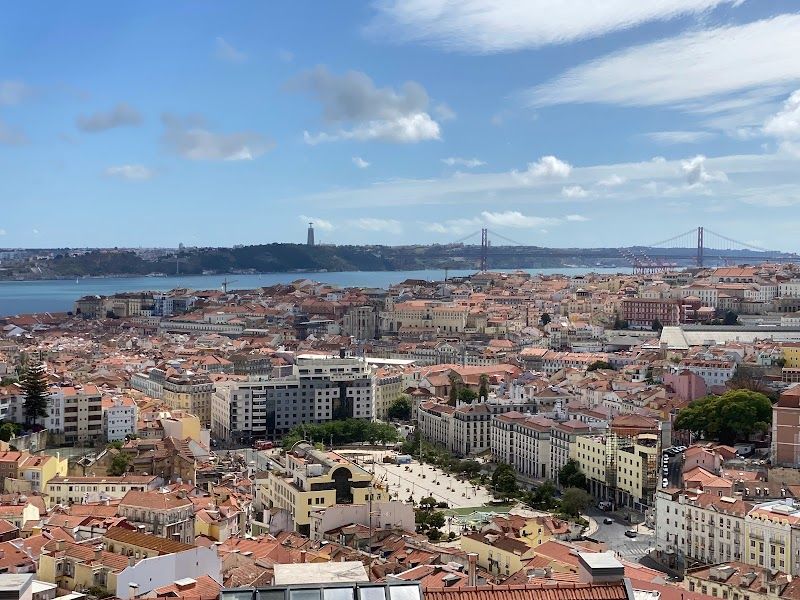
Lisbon is the kind of city that feels like it was designed for walking, even though your calves will disagree by day two. Seven hills means the terrain is relentless, but it also means viewpoints everywhere - free miradouros where you sit with a EUR 2 imperial from the kiosk and watch the light do extraordinary things to the Tagus. Painters and photographers have been saying the Lisbon light is special for centuries, and they are right. Late afternoon golden hour turns the tile facades into something between a painting and a fever dream.
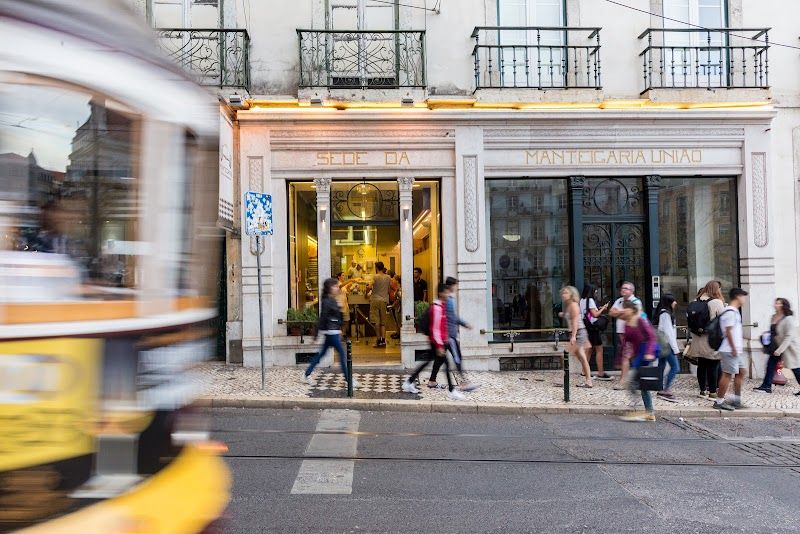
The food is honest, cheap, and better than it has any right to be at these prices. A bica (what locals call espresso - never say "espresso" here) costs EUR 0.70 standing at the bar. A bifana (pork sandwich) is EUR 3-4 and can be the best meal of your day. Pasteis de nata are everywhere but only two places matter: Pasteis de Belem (the original, since 1837) and Manteigaria in Chiado. A full meal at a good neighbourhood tasca runs EUR 10-15 with wine. Lisbon is the cheapest Western European capital for eating well.
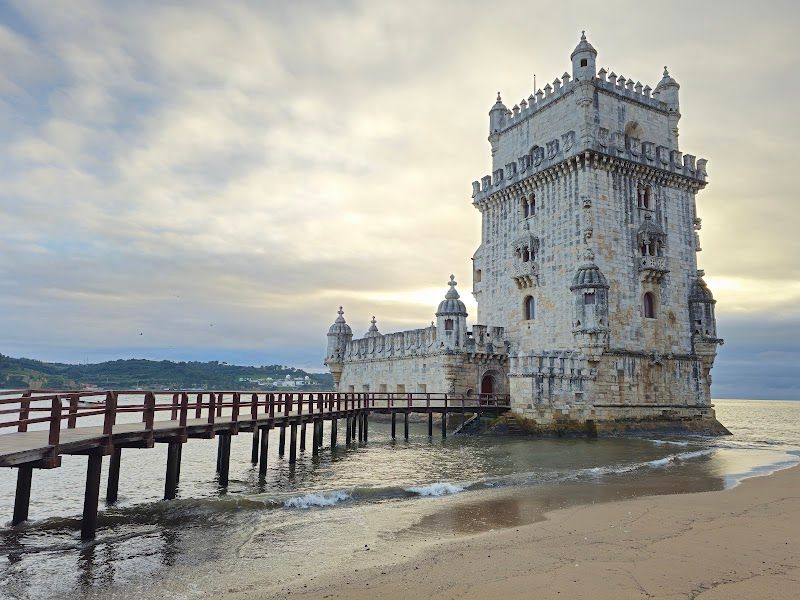
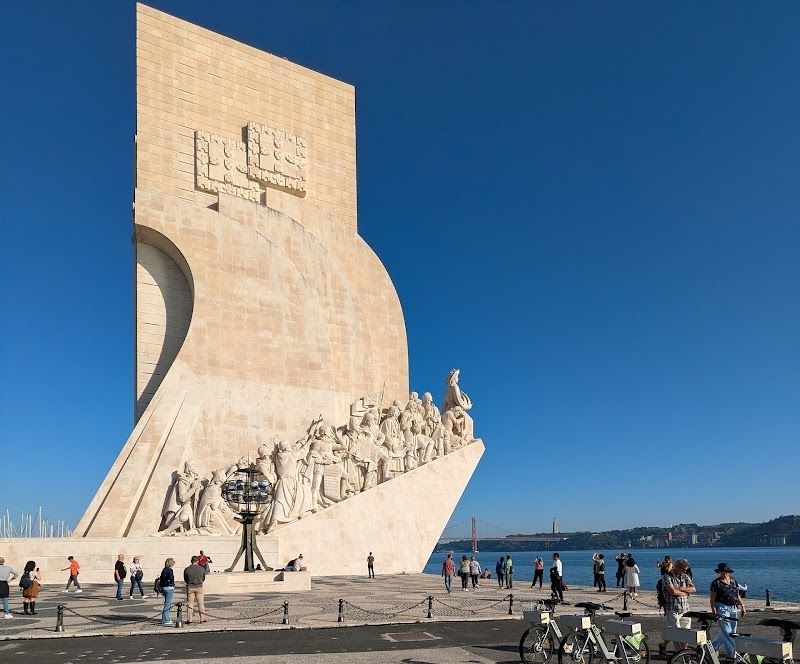
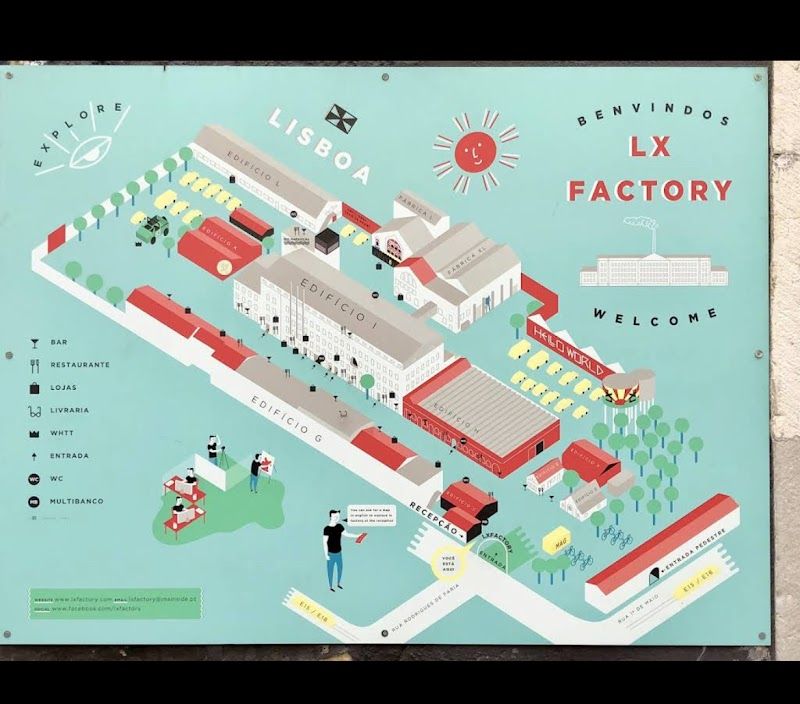
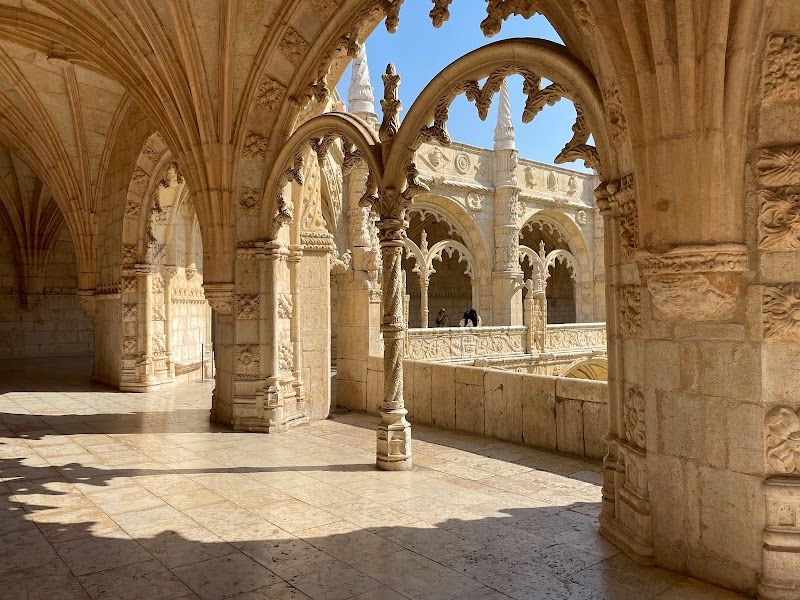
The neighbourhoods have distinct personalities. Alfama has been here since the Moors, its tangled lanes now lined with fado bars and drying laundry. Belem has the monuments and the monastery that spice-trade money built. Mouraria is where fado actually started (before Alfama claimed it) and where you eat Bangladeshi, Chinese, and Mozambican food for under EUR 8. Principe Real is where young Lisboetas brunch on Saturdays. LX Factory turned an industrial complex under the bridge into the creative heart of the city.
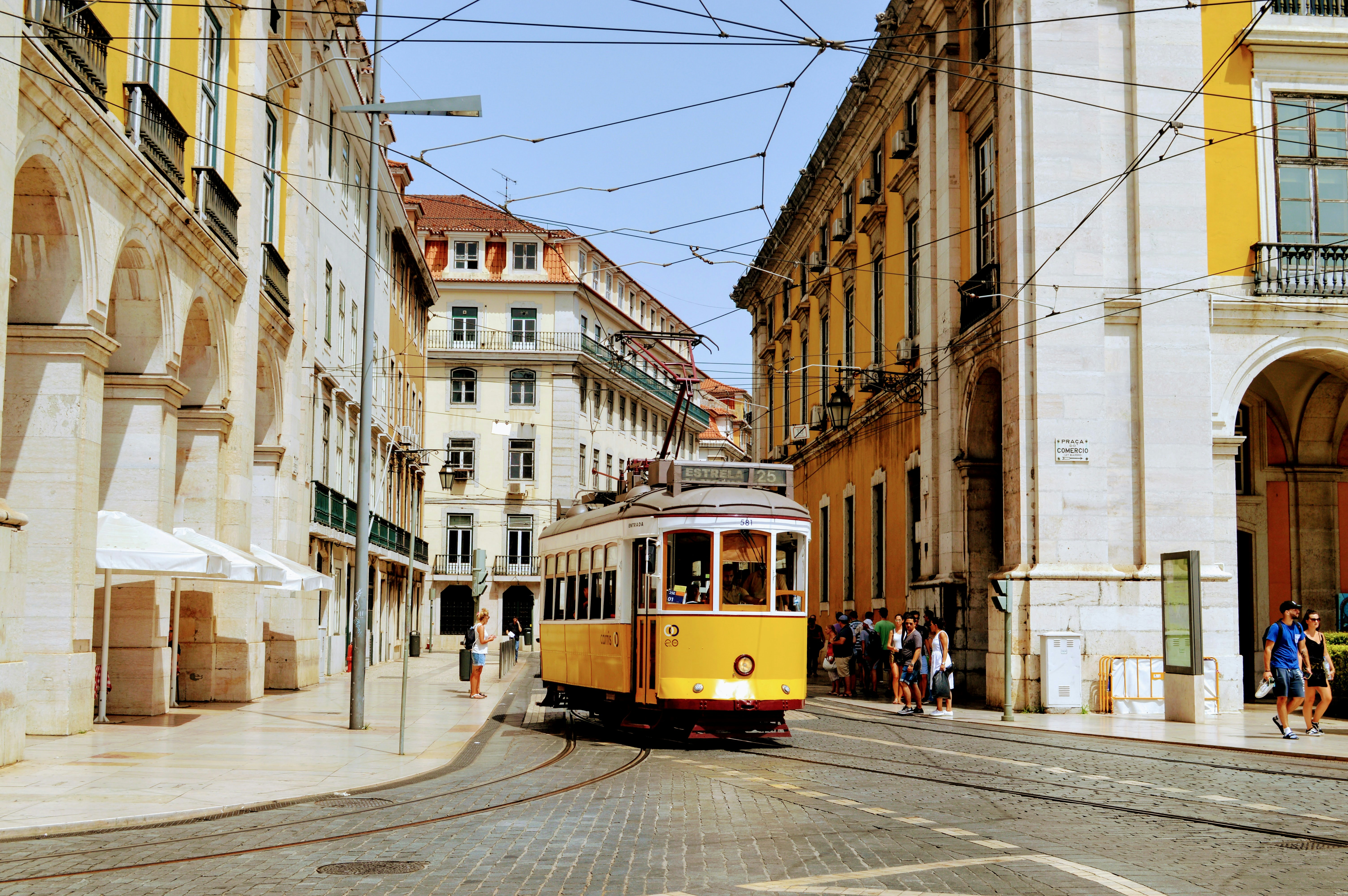
Tram 28 is famous and packed with pickpockets. Ride it once, early morning before 9 AM, or skip it entirely and take Tram 12, which covers similar ground through Alfama with a fraction of the crowds. The Viva Viagem card (EUR 0.50 plus top-up) makes public transport cheap. The hills are steep enough that tuk-tuks exist, but they charge EUR 30+ for what is a 15-minute walk. Save them for genuine mobility needs. Fado is real and still alive - not museum music, not just for tourists. The informal sessions in Mouraria tascas, where a fadista sings to a room of twenty people over dinner, are the ones that stay with you.
Pick your base
Stay in Lisbon
Real-time pricing across hotels, apartments, and ryokans. Book direct from the map.
Things to do in Lisbon
Experiences worth booking ahead
Vetted tours and tickets we'd send a friend to. The ones worth reserving before you arrive.
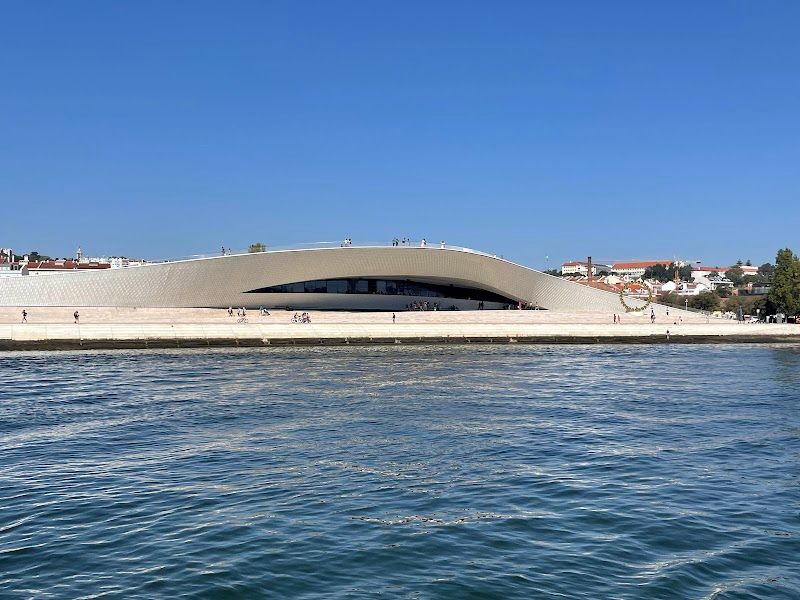
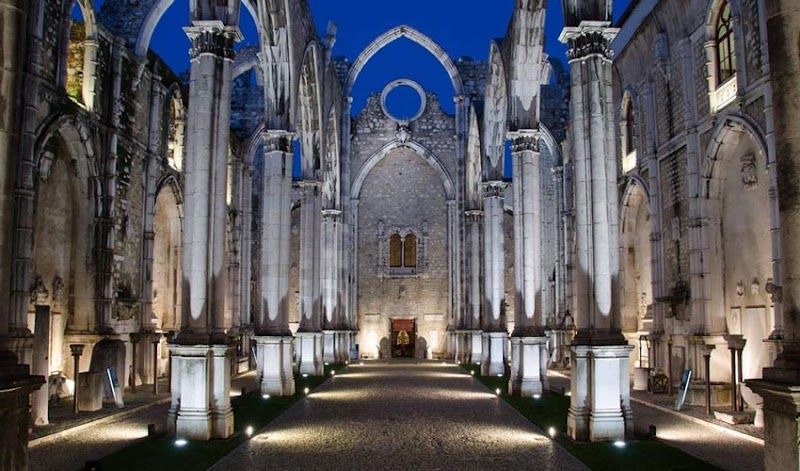
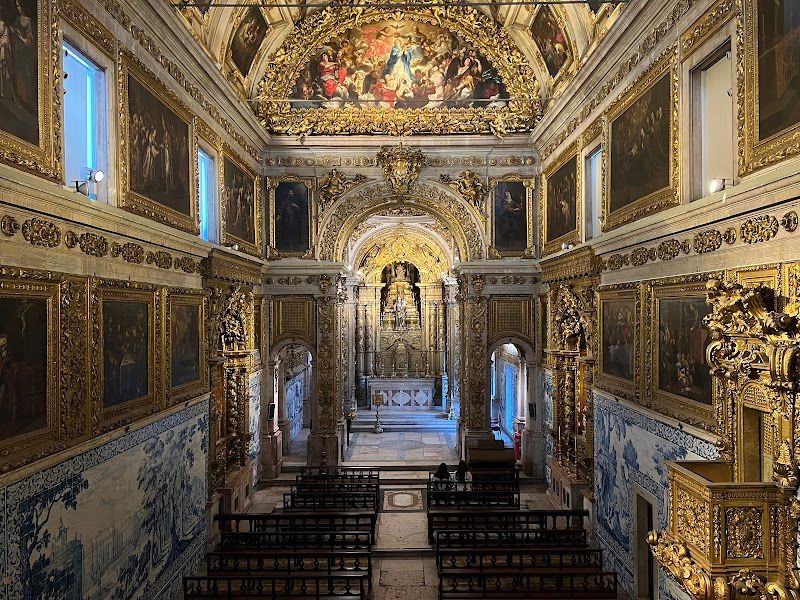
Travel guides


From the blog
Practical bits, answered
Most travelers find 4-5 days ideal to explore the main neighborhoods, museums, and dining scenes without feeling rushed. A long weekend works for a focused visit, while a week allows for day trips and deeper neighborhood exploration.
Le Marais offers the best balance of central location, walkability, dining, and nightlife. Saint-Germain-des-Pres suits those seeking a quieter, more literary atmosphere. For first-time visitors who want proximity to major landmarks, the 7th Arrondissement near the Eiffel Tower is convenient.
Generally very safe for tourists. Standard big-city precautions apply: watch for pickpockets in crowded metro stations and tourist areas, keep valuables secure, and stay aware of your surroundings at night. Avoid leaving bags unattended at cafe terraces.
April through June and September through October offer the best weather, fewer crowds than peak summer, and pleasant temperatures for walking. July and August are hot and busy but have the longest days. Winter is cold but offers lower prices and shorter museum queues.
The metro is fast, cheap, and covers the entire city - stations are never more than 500 meters apart. Buy a Navigo Easy card and load t+ tickets. Walking is the best way to discover neighborhoods. Avoid taxis during rush hour; ride-sharing apps work well late at night.
English is widely spoken in tourist areas, hotels, and restaurants. However, starting interactions with "Bonjour" goes a long way - Parisians appreciate the effort. Learn a few basics: "merci", "s'il vous plait", "l'addition" (the bill). Younger staff are typically more comfortable in English.
Let DAIZ plan your Lisbon days
Tell us how long you've got and what you're into. We'll build a day-by-day plan, with the bookable bits ready to lock in.