Lisbon's public transport runs on hills, history, and a bewildering array of ticket options. The Lisboa Card promises free transport plus museum entries for EUR 22, but whether any Lisbon travel pass saves you money depends entirely on how you plan to move around this seven-hilled city and what you want to see.
The truth about Lisbon's transport passes is simpler than the marketing suggests. Most travelers walking the compact historic center need nothing more than single metro tickets at EUR 1.50 each. But if you're planning museum visits, day trips to Belem, or covering serious ground across all neighborhoods, the right pass can cut your costs significantly.
Stand at Rossio station during morning rush hour and watch the locals. They tap rechargeable cards on yellow validators without thinking - the same motion whether boarding the metro, climbing aboard Tram 28, or taking the Bica funicular up to Bairro Alto. This unified system makes transport passes potentially valuable, but only if you understand exactly what you're buying.
Understanding Lisbon's Transport System
Lisbon's public transport network connects four systems under one ticketing umbrella. The metro covers the city center and reaches the airport on the Red Line, with stations at major tourist areas like Terreiro do Paço (near Praça do Comércio) and Cais do Sodré (for ferries to Cacilhas and Cristo Rei). Buses fill gaps the metro misses, especially to hilltop neighborhoods like Graca and the western suburbs beyond Belém.
Historic trams - the famous 28 plus four other lines - climb hills the buses struggle with. Tram 28 alone passes 35 stops covering Martim Moniz, Graça, Alfama, Baixa, Chiado, Estrela, and Prazeres - essentially a sightseeing tour that happens to be public transport. The three funiculars (Bica connecting Rua de São Paulo to Rua do Loreto, Glória linking Restauradores to Rua São Pedro de Alcântara, and Lavra running from Rua das Taipas to Rua Câmara Pestana) handle the city's steepest gradients.
All four systems cost EUR 1.50 per ride within Lisbon city limits. The price is the same whether you're taking the metro two stops from Cais do Sodré to Rossio or riding Tram 28 for an hour through every major neighborhood. You need a rechargeable Viva Viagem card (EUR 0.50) or the newer Via Verde card to pay - paper tickets don't exist on Lisbon transport.
The airport complicates pricing with its suburban location. The Red Line metro to downtown costs EUR 1.50 and takes about 20 minutes to reach Alameda station, making it cheaper than the AeroBus express (EUR 2) and dramatically cheaper than taxis (EUR 12-20) or ride-shares (EUR 8-15). Most visitors arriving at Portela Airport should take the metro to Alameda station, then connect to Green Line for Cais do Sodré, Blue Line for Santa Apolónia, or Yellow Line for Rato.
Lisboa Card: Transport Plus Attractions
The 24-hour Lisboa Card costs EUR 22 and includes unlimited public transport plus free or discounted entry to 39+ attractions. The 48-hour version costs EUR 32, and the 72-hour card costs EUR 42. This is Lisbon's main tourist card, sold at the airport, major hotels, and tourist information offices including the one at Terreiro do Paço.
To break even on the 24-hour Lisboa Card, you need to use about EUR 22 worth of transport and attractions. Transport alone won't get you there unless you're taking 15+ rides in one day - possible but unrealistic for most visitors. The value comes from combining transport with museum visits, but the math requires careful planning.
Free attractions with the Lisboa Card include the National Museum of Ancient Art (normally EUR 6), displaying Portuguese painting and decorative arts in a riverside palace; the National Tile Museum (EUR 5), showcasing azulejo tile work in a former convent; the Museum of Electricity (EUR 6), housed in a converted power station in Belém; and the Berardo Collection Museum (EUR 5), featuring modern and contemporary art in the Belém Cultural Center.
Visit the National Museum of Ancient Art, National Tile Museum, Museum of Electricity, and Berardo Collection, plus use EUR 6 worth of transport, and you've earned EUR 28 value from a EUR 22 card. But skip museums for outdoor sightseeing, and you're paying EUR 22 for transport you could buy for EUR 6.
The card covers some of Lisbon's most expensive attractions. The National Coach Museum (EUR 8) houses the world's largest collection of royal carriages in a purpose-built modern facility in Belém. The Gulbenkian Museum (EUR 10) displays Calouste Gulbenkian's extraordinary private collection spanning 5,000 years of art history. The Fado Museum (EUR 5) explores Portugal's national music in Alfama's heart.
However, the Lisboa Card doesn't cover the attractions most tourists prioritize. Jerónimos Monastery (EUR 10), Belém Tower (EUR 6), and São Jorge Castle (EUR 10) all charge full price - a combined EUR 26 that represents most visitors' must-see list. This creates the Lisboa Card paradox: it's valuable for culture enthusiasts visiting smaller museums but doesn't dramatically reduce costs for typical first-time visitors.
Daily and Weekly Transport Passes
Pure transport passes make sense for longer stays or intensive neighborhood exploration. The 7-day Navegante monthly pass costs EUR 40 and covers metro, buses, trams, and funiculars throughout the metropolitan area, including suburban trains to Sintra (CP Linha de Sintra) and Cascais (CP Linha de Cascais). This suburban coverage makes the Navegante pass particularly valuable for day trips from Lisbon.
You need 27 rides in seven days to break even on the Navegante pass - roughly four rides daily. That sounds excessive until you experience Lisbon's vertical geography. Walking from Cais do Sodré to the Miradouro de São Pedro de Alcântara involves a 100-meter altitude gain. The Glória funicular (EUR 1.50) covers this distance in three minutes, while walking takes 15 minutes of steep climbing.
Consider a typical day covering multiple neighborhoods: metro from your hotel in Príncipe Real to Terreiro do Paço (EUR 1.50), Tram 15 to Belém for monastery visits (EUR 1.50), bus back to Cais do Sodré (EUR 1.50), then Glória funicular up to Bairro Alto for dinner (EUR 1.50). That's EUR 6 in transport for one day - reasonable, but it accumulates quickly over a week-long stay.
Daily transport passes theoretically exist but aren't sold at most metro stations or tourist offices. The system pushes visitors toward either single tickets or weekly passes, making intermediate options difficult to find.
Single Tickets vs Passes: The Math
Let's break down realistic transport costs for different travel styles with specific examples. A walking-focused visitor staying in Chiado might take these rides over three days: Red Line metro from airport to Alameda, Blue Line connection to Terreiro do Paço (EUR 1.50 total); Tram 15 to Belém for Pastéis de Belém and monasteries (EUR 1.50); Tram 28 sightseeing ride through historic neighborhoods (EUR 1.50); and Bica funicular to avoid the climb from Rua de São Paulo to Rua do Loreto (EUR 1.50). Total: EUR 6 over three days.
Transport-dependent visitors average 4-5 rides daily when staying in less central locations or covering extensive ground. Example itinerary: metro from Parque das Nações accommodation to Rossio (EUR 1.50); Glória funicular to Bairro Alto (EUR 1.50); Tram 28 to Alfama (EUR 1.50); metro from Martim Moniz to Marquês de Pombal for Gulbenkian Museum (EUR 1.50); bus from Avenidas Novas back to Oriente station (EUR 1.50). That's EUR 7.50 daily, or EUR 22.50 over three days.
The weekly Navegante pass becomes particularly attractive when factoring in suburban day trips. Return trains to Sintra cost EUR 4.50, to Cascais EUR 4.50, and to Setúbal approximately EUR 6. Two day trips plus regular city transport easily justify the EUR 40 weekly cost.
Museum and Attraction Passes Beyond Lisboa Card
Beyond the Lisboa Card, Lisbon offers limited attraction-only passes. The city's municipal museum network charges consistent EUR 5-6 entries, making individual tickets reasonable for selective visits. Private museums like Gulbenkian (EUR 10) and the National Coach Museum (EUR 8) represent the biggest individual expenses.
Some attractions offer combination tickets. The Jerónimos Monastery and National Museum of Archaeology sell joint tickets for EUR 12 (saving EUR 4 compared to separate entries). Belém Tower and National Museum of Archaeology offer similar combinations. These paired tickets work well for focused neighborhood visits but don't extend to city-wide attraction passes.
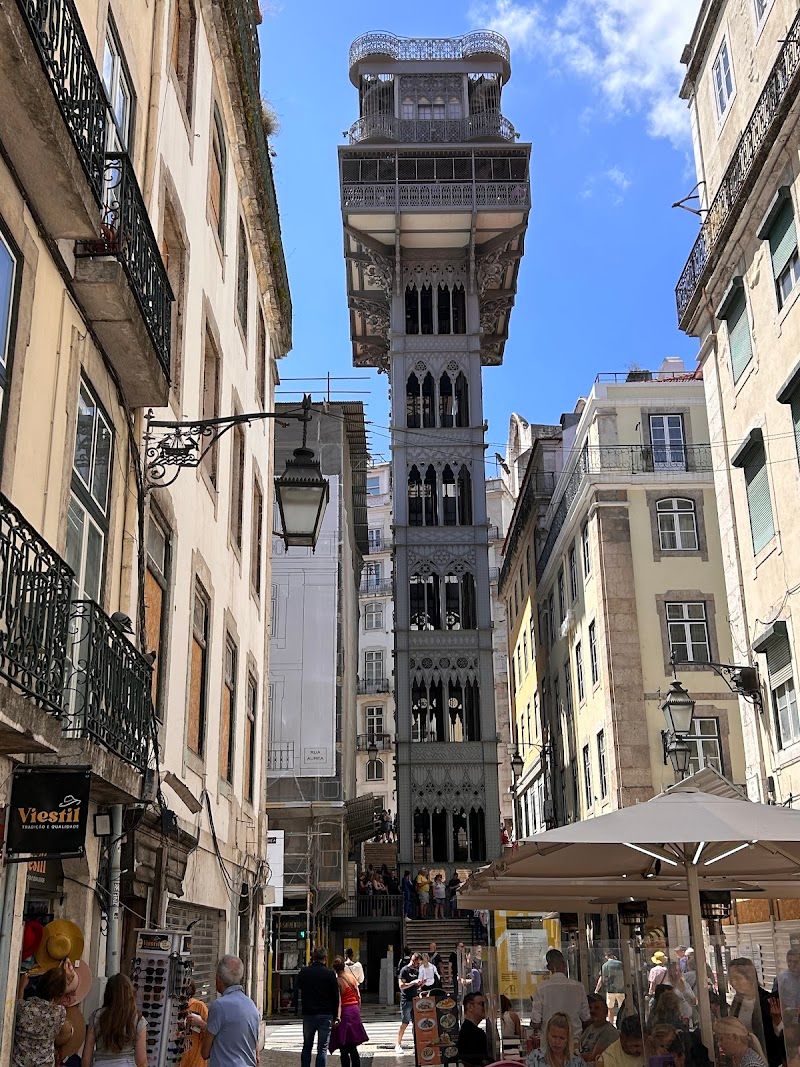
Visiting Lisbon's most popular paid attractions without any pass costs approximately EUR 75: Jerónimos Monastery (EUR 10), Belém Tower (EUR 6), São Jorge Castle (EUR 10), Pena Palace day trip to Sintra (EUR 14), Gulbenkian Museum (EUR 10), National Museum of Ancient Art (EUR 6), National Coach Museum (EUR 8), National Tile Museum (EUR 5), and Santa Justa Elevator (EUR 5.50). The 72-hour Lisboa Card at EUR 42 covers roughly half these attractions but excludes the four most expensive and popular sites.
Comparing Value by Itinerary Type
The Three-Day Culture Tourist
You want comprehensive museum coverage plus efficient transport between widely scattered cultural sites. Planned visits: Gulbenkian Museum in Avenidas Novas, National Museum of Ancient Art in Santos, National Tile Museum in eastern Marvila, plus the major Belém monuments.
Lisboa Card 72-hour (EUR 42) covers Gulbenkian, National Museum of Ancient Art, National Tile Museum, and unlimited transport between these distant locations. You'll pay separately for Jerónimos Monastery (EUR 10), Belém Tower (EUR 6), and São Jorge Castle (EUR 10). Total cost: EUR 68.
No pass approach: Individual museum entries (EUR 26 for the three major museums) plus Jerónimos, Belém Tower, and São Jorge Castle (EUR 26) plus transport averaging EUR 5-7 daily over three days (EUR 15-21). Total: EUR 67-73. The Lisboa Card provides marginal savings while eliminating ticket-buying friction.
The Walking-Focused Explorer
Your priority is free attractions like Miradouro da Senhora do Monte viewpoint, Alfama's medieval streets, Rossio Square people-watching, and sunset at Cais do Sodré docks. Paid attractions are minimal - perhaps São Jorge Castle for the views.
Single tickets work decisively best. Transport needs: airport metro (EUR 1.50), occasional tram rides when legs tire (EUR 3-6 total), perhaps one funicular to avoid a particularly steep climb (EUR 1.50). Budget EUR 6-9 total for transport over three days. The Lisboa Card's EUR 22 minimum makes no financial sense when avoiding paid attractions.
The Neighborhood Hopper
You want to experience Lisbon's distinct district personalities: morning coffee in Príncipe Real gardens, afternoon exploring LX Factory art spaces, evening fado in Alfama, late night in Bairro Alto bars. Heavy transport use but selective museum interest.
The 7-day Navegante pass (EUR 40) justifies itself for stays over four days. Daily transport for neighborhood hopping costs EUR 6-9, reaching EUR 42-63 over seven days. For shorter visits, single tickets cost EUR 18-27 over three days - approaching Lisboa Card territory without unwanted museum entries.
The Sintra Day-Tripper
Your Lisbon base serves primarily for day trips to Sintra's palaces, Cascais beaches, or Óbidos medieval walls. City sightseeing is secondary to suburban exploration.
The 7-day Navegante pass (EUR 40) provides clear value. Suburban train costs alone - Sintra return (EUR 4.50), Cascais return (EUR 4.50), Óbidos via direct bus (approximately EUR 8) - total EUR 17. Add daily city transport, and the weekly pass pays for itself in five days.
Advanced Pass Strategy: Timing and Logistics
Lisboa Card activation requires strategic timing. The 24-hour countdown begins with first use, not purchase. Buy the card at the airport but don't activate until starting your museum day. Begin with the most distant attraction - perhaps the National Tile Museum in Marvila - then work geographically inward to maximize transport value alongside museum visits.
Combine included and excluded attractions intelligently. Morning at the included National Museum of Ancient Art, afternoon walk to excluded São Jorge Castle (paying EUR 10), evening at included Fado Museum. This spreads the card's value across full days while hitting must-see paid attractions.
Weekend timing affects museum access. Many municipal museums close Mondays, making the Lisboa Card less valuable for Monday-Wednesday stays. Plan card activation for Tuesday-Thursday or Wednesday-Friday to ensure maximum museum availability.
For Navegante passes, factor in suburban train schedules. Sintra trains run every 20 minutes during peak hours but reduce to hourly service in early morning and late evening. Cascais service is more frequent. Plan day trip timing around these schedules to maximize pass value.
Hidden Costs and Limitations
Passes don't eliminate all transport costs. The Lisboa Card covers city transport but not the tourist Bus 28E (EUR 12) that replicates Tram 28's route with guaranteed seating and multilingual commentary. Tourist buses, river ferries beyond basic Cacilhas service, and ride-sharing all cost extra.
Airport express buses (AeroBus) aren't included in standard transport passes despite marketing that suggests comprehensive airport coverage. The regular Red Line metro is included, but airport express services cost EUR 2 regardless of your pass situation.
Museum passes face practical limitations. Many Lisbon museums are surprisingly small - the National Tile Museum takes 45 minutes, the Fado Museum perhaps an hour. Cramming multiple museum visits into 24 hours creates cultural indigestion rather than value maximization. The 48-hour or 72-hour Lisboa Card options provide more realistic pacing.
Restaurant and shopping discounts promised with the Lisboa Card are largely meaningless. Participating restaurants offer 10-15% discounts that barely offset tourist pricing in areas near major attractions. You'll get better value eating where locals eat, pass or no pass.
Which Pass Actually Saves Money
The Lisboa Card saves money primarily for culture-focused travelers visiting 4+ included museums over 48-72 hours. The 24-hour version requires unrealistic scheduling unless you're genuinely passionate about Lisbon's smaller museums. Culture enthusiasts spending 2-3 days systematically exploring museums benefit most, particularly when staying in less central neighborhoods requiring significant transport.
Single transport tickets work best for walking-focused trips under four days, stays in central neighborhoods, or visits prioritizing free attractions and outdoor exploration. The EUR 1.50 per ride cost is transparent, predictable, and doesn't pressure you into activities purely to justify sunk costs.
The 7-day Navegante pass justifies itself for longer stays, suburban day trips, or transport-heavy itineraries. Week-long visits, accommodation in outer neighborhoods like Parque das Nações or Belém, or multiple day trips to Sintra and Cascais make this the mathematically superior choice.
The worst financial decision is buying daily transport passes while avoiding museums. These passes are hard to find, offer poor value, and push you toward either single tickets (better for short stays) or weekly passes (better for longer visits) anyway.
Getting Maximum Value from Your Pass
Start Lisboa Card activation strategically with transport-heavy days. If your itinerary includes both central walking days and suburban museum visits, activate the card for maximum-transport days. Visit the National Tile Museum in distant Marvila, then take multiple transport connections to reach other included museums across the city.
Combine museum visits with neighborhood exploration efficiently. Morning at the National Museum of Ancient Art in Santos, walking lunch at nearby Jardim da Estrela, afternoon at the Berardo Collection in Belém. This maximizes card value while following logical geographical progression.
For transport-only passes, leverage suburban connections strategically. The Navegante pass covers trains to Sintra (normally EUR 4.50 round-trip) and Cascais (EUR 4.50 round-trip). Plan at least two suburban day trips during your week-long pass period - perhaps Sintra on Wednesday and Cascais on Friday - to justify over half the pass cost through suburban travel alone.
Use passes for late-night transport when walking becomes less appealing. Lisbon's hills are challenging in daylight and potentially treacherous after dinner and wine. The pass eliminates cost anxiety about taking buses or funiculars for short distances that would feel wasteful at EUR 1.50 per ride.
The Bottom Line
Lisbon's transport is affordable enough that passes rarely save significant money on transport alone. The Lisboa Card works for dedicated culture tourists hitting multiple museums over 48-72 hours, particularly when staying in neighborhoods requiring transport to reach major museums. Pure transport passes work for week-long stays, suburban day trips, or accommodation in outer neighborhoods.
Most first-time visitors walking the compact historic center should buy single tickets and skip the passes entirely. The financial savings are marginal, and passes can pressure you into activities that don't match your interests purely to justify the sunk cost.
The real decision isn't which pass provides maximum value, but whether you need systematic transport and attraction bundling at all. Lisbon rewards spontaneous exploration, and many of its best experiences - golden hour light from free miradouros, conversations over EUR 0.80 bicas, discovering neighborhood tascas - cost nothing but curiosity. Sometimes the best travel pass is comfortable shoes, a metro card with EUR 10 credit, and the flexibility to change plans when you discover something unexpected around the next steep corner.