Alfama
Alfama survived the 1755 earthquake because the Moors built it right - twisting lanes that absorb rather than amplify seismic waves.
About Alfama
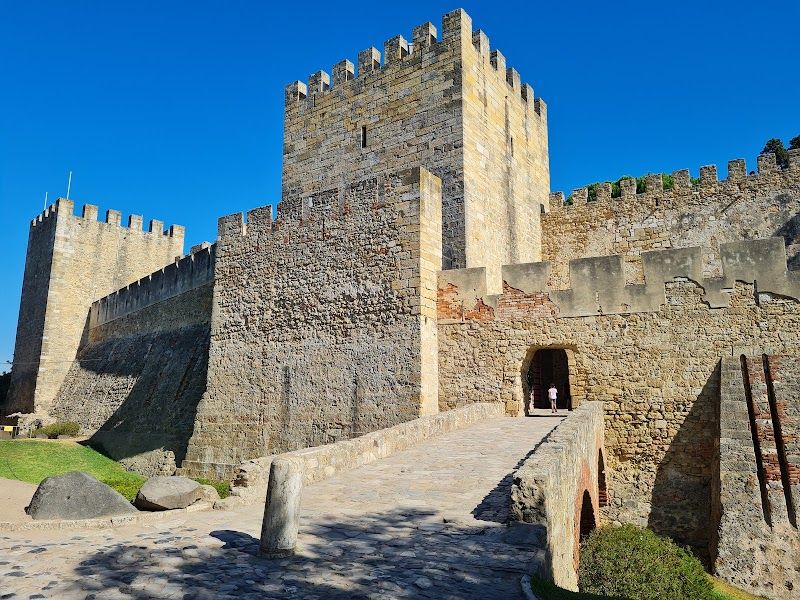
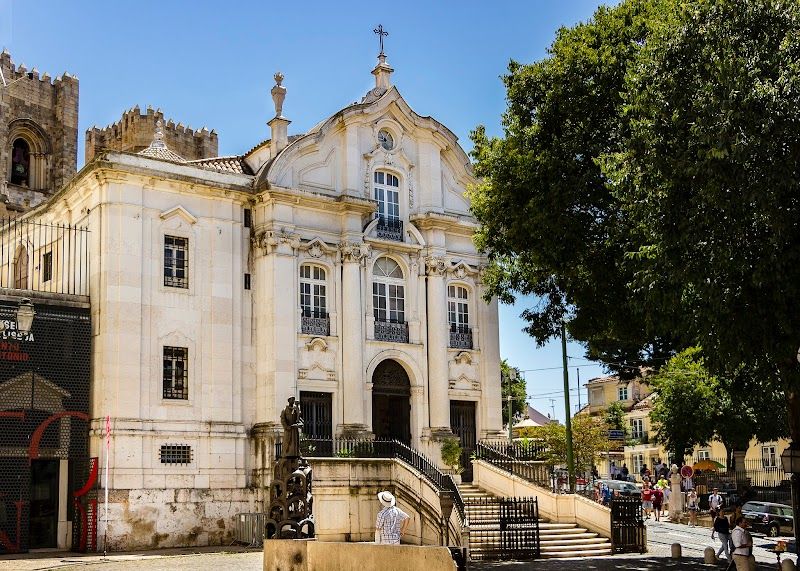
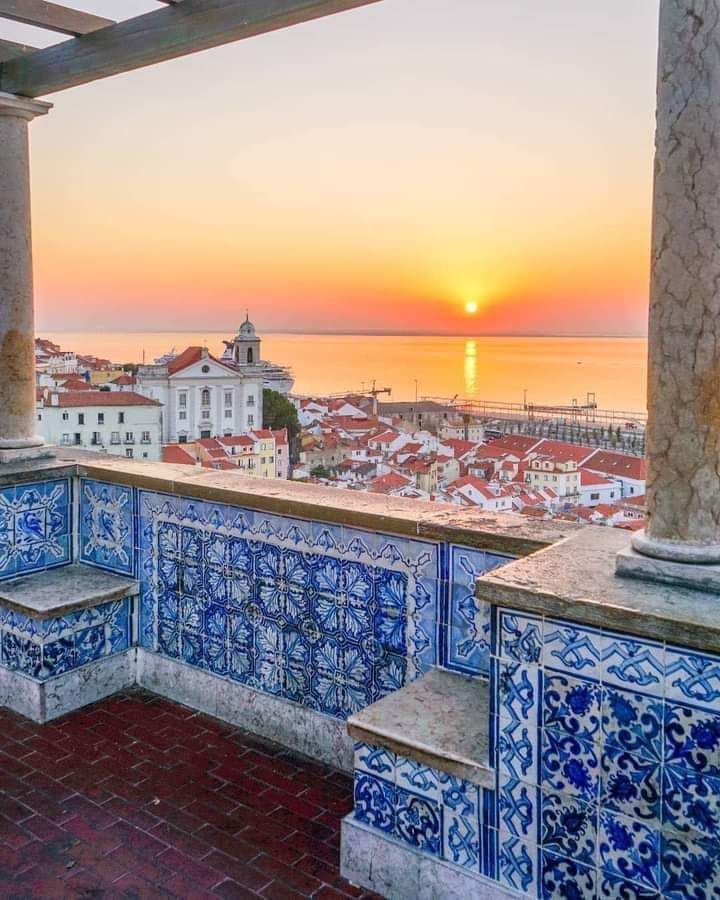
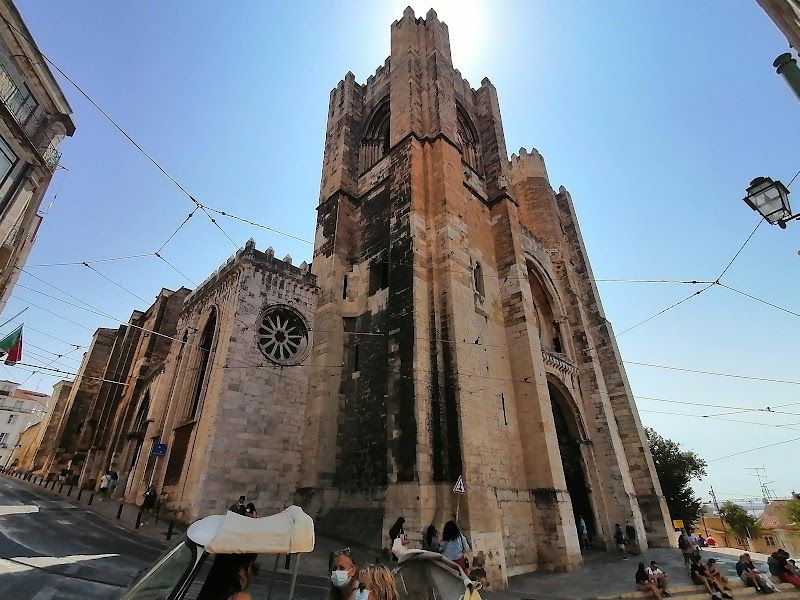
Alfama survived the 1755 earthquake because the Moors built it right - twisting lanes that absorb rather than amplify seismic waves. You'll spend 2-3 hours wandering streets so narrow that residents chat between third-floor windows, past doorways where fado singers rehearse and courtyards where old men play cards. The neighbourhood flows from the castle walls down to the cathedral, with two excellent viewpoints (Miradouro de Santa Luzia and Portas do Sol) marking the transition from residential maze to river views.
The experience feels like walking through someone's living room that happens to be outdoors. Laundry hangs overhead, cats nap on warm stones, and every corner reveals another postcard moment. The cobblestone streets reflect centuries of foot traffic, worn smooth as marble. You'll hear fragments of conversation, clinking glasses, and the occasional guitar from open taverna doors. The light changes dramatically as you move between sun-soaked squares and shadowy passages.
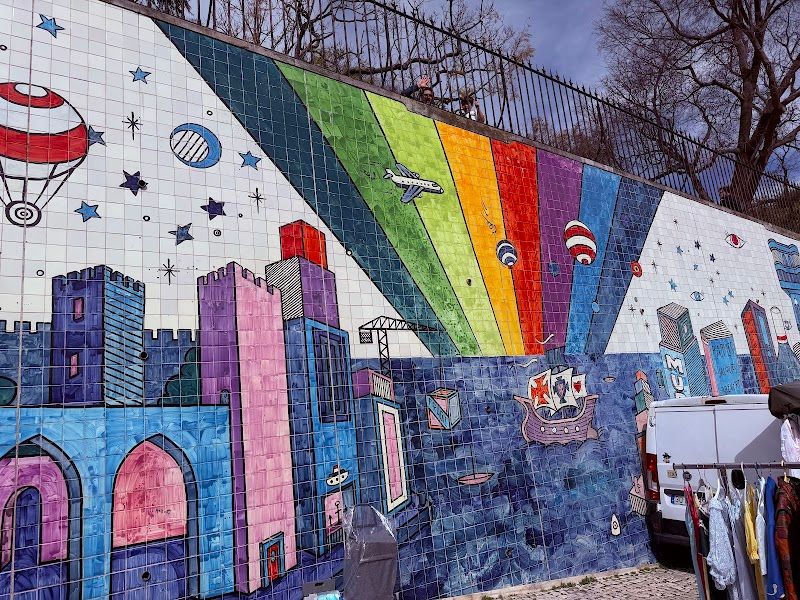
Most guides oversell the formal fado houses - the spontaneous music in neighborhood tascas is more authentic and costs the price of a drink (€3-5 vs €25-40 minimum elsewhere). The Feira da Ladra flea market (Tuesdays/Saturdays) has genuine finds if you arrive early, but skip the overpriced tourist shops on the main drag. Focus your time on the upper section near Largo do Chafariz de Dentro where tour groups rarely venture.
Book Tickets
Live availability and skip-the-line options from our booking partners.
Booking powered by our partners. DAIZ may earn a commission.