The Lisbon food scene isn't about fancy restaurants with English menus plastered outside. It's about the corner tasca where construction workers line up at 7am for bifanas, the bakery that's been making pastéis de nata since your grandmother was young, and the marisqueira where locals queue on Sunday afternoons for percebes that cost more per kilo than most people's rent.
The truth is this: if you're eating somewhere with a menu in four languages and photos of the food, you're probably not eating where locals eat. The real Lisbon food scene operates on different rules entirely.
Understanding Portuguese Food Culture in Lisbon
Portuguese food culture runs on simplicity and timing. Lunch happens between 12:30 and 2:30pm, dinner starts at 8pm (earlier marks you as a tourist), and standing at the counter costs less than sitting at a table. A bica (what locals call espresso) costs EUR 0.8 standing versus EUR 1.5 seated. This isn't about being cheap - it's about understanding how things work.
The hierarchy matters. Tascas are neighborhood taverns with daily menus chalked on boards. Marisqueiras specialize in seafood and can get expensive fast. Pastéis shops make pastries and light meals. Cervejarias serve beer and grilled foods. Each has its place and purpose.
Traditional Lisbon food revolves around bacalhau (cod), sardines, pork, and seafood pulled fresh from the Atlantic. The cooking is honest - grilled, fried, or stewed with olive oil, garlic, and not much else. This isn't fusion cuisine or molecular gastronomy. It's food that's been perfected over centuries of making do with what the land and sea provide.
The Daily Rhythm of Eating
Breakfast is minimal - a bica and maybe a pastel de nata at the counter for EUR 2.5. Lunch is the main event, typically a prato do dia (daily special) that includes soup, main course, and drink for EUR 8-15. Dinner can be light if lunch was substantial, or it becomes the social meal of the day with friends and family.
Coffee culture operates on specific rules. Never order a cappuccino after 11am (it's considered a breakfast drink). The default coffee is a bica - strong, small, and meant to be consumed quickly while standing. Galão (milky coffee) is acceptable but marks you as someone who needs their coffee diluted.
Where Lisbon Locals Actually Eat
Tascas: The Soul of Lisbon Dining
Real tascas don't advertise. They're the places with plastic chairs, paper napkins, and menus written in Portuguese only. The daily special gets chalked on a board, the wine comes from unmarked bottles, and the TV plays football matches at volumes that make conversation impossible.
Taberna Ideal in Chiado & Bairro Alto serves caldo verde that locals consider the neighborhood standard. The soup arrives with a slice of chouriço floating on top and costs EUR 3.5. Their bacalhau à brás feeds two people despite being listed as a single portion. Open Monday to Saturday, closed Sunday because the owner goes to his mother's for lunch.
Tasca do Jaime in Mouraria & Intendente operates from a space barely larger than a bedroom. Six tables, no reservations, and a menu that changes based on what the owner bought at the market that morning. The bifana de porco preto uses black pork and costs EUR 4 - twice the price of regular bifanas but worth every cent.
In Santos & Madragoa, Adega Machado has been serving the same families for three generations. Their caldeirada de peixe (fish stew) arrives in portions that could feed a construction crew and costs EUR 12. The fish changes daily based on the catch, but the recipe hasn't changed since 1968.
Modern Portuguese: Evolution, Not Revolution
The modern Lisbon food scene isn't about abandoning tradition - it's about refining it. These restaurants take Portuguese ingredients and techniques seriously but present them with more finesse and often higher prices.
Taberna Real near Elevador de Santa Justa does traditional Portuguese cooking with modern presentation. Their açorda de bacalhau arrives in a copper pot that could double as art installation, but the recipe comes from the chef's grandmother. Expect EUR 25-35 per person for dinner.
Prado in Baixa takes Portuguese ingredients and applies international techniques. The menu changes seasonally, but their treatment of percebes (gooseneck barnacles) has locals making reservations weeks ahead. Dinner runs EUR 40-60 per person, but the wine list focuses on Portuguese producers you've never heard of and should try.
Epur in Chiado & Bairro Alto earned a Michelin star by treating Portuguese ingredients with French technique. Their tasting menu costs EUR 85 and requires booking at least a month ahead. Locals go for special occasions and leave talking about how Portuguese ingredients can compete with anything from France.
Marisqueiras: Serious Seafood
Ramiro in Mouraria & Intendente isn't just a restaurant - it's an institution. Percebes cost EUR 30-40 per kilo, but locals line up on weekends because Ramiro's are consistently the best in the city. The prawns are grilled with coarse salt and arrive still sizzling. Order a bifana while you wait - it's become part of the Ramiro ritual.
Marisqueira Azul in Alcantara & LX Factory serves cataplana de marisco that locals consider the benchmark. The copper pot arrives bubbling with clams, prawns, langoustines, and whatever else looked good at the market. Two people can share it for EUR 35-45, and you'll understand why Portuguese coastal cuisine developed the way it did.
Sol e Pesca in Chiado & Bairro Alto was a tackle shop that started serving conservas (tinned seafood) with wine. Now it's where locals go for sardines, octopus, and tuna preparations that cost EUR 8-15 per tin but represent some of the best preserved seafood in Europe.
Street Food and Quick Bites
Lisbon street food operates on efficiency and tradition. Bifanas are pork sandwiches served in crusty rolls with mustard or piri-piri. The best ones cost EUR 2.5-4 and disappear in three bites. Prego no pão is similar but uses steak instead of pork and costs EUR 4-6.
Casa da Bifana near Rossio has perfected the art. Their pork marinates overnight in white wine and garlic, gets grilled to order, and arrives in bread that's crispy outside and soft inside. Locals eat them standing at high tables while arguing about football.
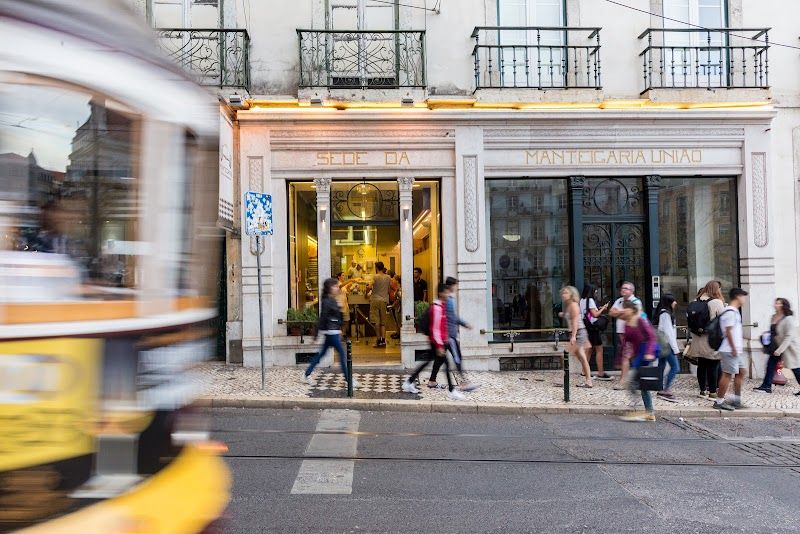
Pastéis de Belém in Belem is the original creator of pastéis de nata, but locals know that other bakeries make them just as well for half the price. Manteigaria in Chiado & Bairro Alto serves them warm all day for EUR 1.20 each, and their custard recipe produces the same satisfaction without the tourist queues.
Neighborhood Food Scenes
Alfama: Fado and Simple Cooking
Alfama restaurants cater to both locals and fado tourists, creating a strange ecosystem where quality varies dramatically between adjacent establishments. Chapitô À Mesa serves traditional Portuguese food in portions that assume you've been climbing Alfama's hills all day. Their cozido à portuguesa costs EUR 14 and includes enough meat and vegetables to feed two moderate appetites.
Taberna Carmem operates in a space so small that conversations between tables are inevitable. Their grilled sardines arrive with roasted peppers and potatoes, cost EUR 12, and taste exactly like what Portuguese grandmothers have been cooking for centuries.
Avoid restaurants with fado shows and dinner packages - they focus on entertainment over food quality. Real fado happens in small bars where locals sing for each other, and the food is secondary.
Príncipe Real: Design and Quality
Principe Real & Rato attracts locals with higher disposable incomes, resulting in restaurants that focus on ingredient quality and presentation without abandoning Portuguese roots.
Pharmacia occupies a former pharmacy and serves Portuguese comfort food in an Art Deco interior. Their bacalhau com natas costs EUR 18 but uses premium cod and proper cream rather than the processed alternatives found in tourist areas.
By the Wine focuses on Portuguese wine pairings with small plates that highlight regional ingredients. Expect EUR 30-40 per person, but their wine selection includes producers you won't find outside Portugal.
Bairro Alto: Late Night and Traditional
Chiado & Bairro Alto serves two audiences - daytime locals and nighttime revelers. The key is knowing which restaurants serve which crowd.
Tabacaria do Bique operates during daylight hours and serves traditional Portuguese lunch to office workers. Their daily specials cost EUR 10-12 and represent honest Portuguese cooking without pretension.
After 10pm, Adega Machado (different from the Santos location) serves grilled meats and seafood to locals who've been drinking since dinner. Their grilled octopus costs EUR 15 and pairs with vinho verde that arrives in unmarked bottles.
Market Food and Local Ingredients
Mercado da Ribeira vs. Real Markets
Mercado da Ribeira (Time Out Market) represents everything wrong with Lisbon's food tourism. Overpriced stalls serving diluted Portuguese food to tourists who queue for Instagram photos. Locals avoid it entirely.
Mercado do Arroios in Mouraria & Intendente operates as markets should - vendors selling fresh produce, meat, and fish to local families. The prepared food stalls serve bifanas and grilled chicken to construction workers and office employees. Prices reflect real market economics, not tourist inflated rates.
Mercado de Campo de Ourique combines traditional market stalls with food counters that serve locals throughout the day. Queijo do Azeitão costs EUR 8-12 per piece, fresh fish prices change daily based on catch, and the prepared food stalls serve portions sized for people who work physical jobs.
Seasonal Ingredients and Traditional Preparations
Portuguese cooking follows seasonal rhythms that tourism obscures. Sardines are best from May to October when they're fattest. Chestnuts roasted on street corners appear in autumn and disappear by Christmas. Francesinha (though Porto's specialty) appears on Lisbon menus in winter when people want heavy, warming food.
Green wine (vinho verde) pairs with summer seafood but feels wrong with winter stews. Red wine from the Douro works better with roasted meats and aged cheeses that appear on menus when temperatures drop.
Understanding these patterns helps you eat like locals rather than tourists - ordering grilled sardines in February marks you as someone who doesn't understand Portuguese food culture.
Traditional Portuguese Dishes to Try
Bacalhau: The National Obsession
Portugal claims 365 ways to prepare bacalhau - one for each day of the year. Most restaurants offer three or four preparations, and locals have strong opinions about each.
Bacalhau à Brás mixes shredded cod with scrambled eggs and thin potatoes. Done properly, it's comfort food that satisfies without being heavy. Poor versions use too much potato and not enough cod.
Bacalhau com natas layers cod with cream and potatoes, then bakes until golden. It's Portuguese comfort food at its richest and most satisfying.
Pastéis de bacalhau are cod cakes fried until crispy outside and fluffy inside. They're bar snacks, appetizers, or light meals depending on size and preparation.
Seafood Beyond Bacalhau
Caldeirada is fish stew that varies by region and season. Lisbon versions typically include sea bass, sea bream, prawns, and clams cooked with potatoes, tomatoes, and onions. Good versions cost EUR 12-18 per person and arrive in portions that assume you're sharing.
Cataplana de marisco cooks mixed seafood in a copper pot that seals in steam and flavors. The theatrical presentation - opening the pot at your table - appeals to tourists, but locals appreciate the way it cooks clams, mussels, and prawns perfectly.
Sardinhas assadas (grilled sardines) represent Portuguese cooking at its simplest. Fresh sardines grilled over charcoal, seasoned with coarse salt and olive oil, served with roasted peppers and potatoes. June sardine festivals celebrate the peak season, but good versions appear on menus year-round.
Meat Dishes Worth Trying
Cozido à portuguesa is Portugal's national stew - various meats cooked with cabbage, potatoes, carrots, and beans. Traditional versions include pork, beef, chicken, chouriço, and morcela (blood sausage). It's winter food that appears on menus from October to March.
Francesinha belongs to Porto but appears on Lisbon menus as a nod to northern Portugal. Steak, ham, linguiça, and melted cheese covered in beer-based sauce and served with fries. It's hangover food that works better at 2am than 2pm.
Bifana de porco preto uses black pork from Alentejo province in a sandwich that costs twice as much as regular bifanas but justifies the price with superior flavor and texture.
Practical Information for Food Lovers
Timing Your Meals
Portuguese meal timing matters more than most tourists realize. Lunch service runs 12:30pm to 3pm, with kitchens often closing between meals. Dinner service starts at 7:30pm, but locals rarely arrive before 8pm.
Many traditional restaurants close Sunday evenings and Monday lunch - family time takes precedence over tourist convenience. August closures are common as restaurant families take their own vacations.
Reading Portuguese Menus
Prato do dia means daily special and usually offers the best value. Dose para duas pessoas indicates portions sized for two people. Meio dose is half portion, useful for testing unfamiliar dishes.
Entrada means appetizers, but Portuguese appetizers can be substantial enough to serve as light meals. Sobremesa covers desserts, though most traditional restaurants offer simple options like pudim flan or arroz doce.
Wine and Drinks
Portuguese wine deserves more attention than it receives. Vinho verde from northern Portugal pairs perfectly with seafood and light summer meals. Douro reds complement grilled meats and aged cheeses. Dão wines offer complex flavors at reasonable prices.
Imperial is a small beer perfect with bifanas and petiscos (bar snacks). Fino is draught beer by the glass. Cerveja covers beer generally, but locals use specific terms that indicate size and style.
Price Expectations and Tipping
Lunch at traditional tascas costs EUR 8-15 per person including wine. Modern Portuguese restaurants charge EUR 25-45 per person for dinner. Fine dining experiences run EUR 60-120 per person but offer cuisine that competes internationally.
Tipping operates differently than in American restaurants. 10% is standard for good service, 5% for adequate service, and nothing for poor service. Rounding up the bill is common for quick meals and coffee.
Getting the Most from Lisbon's Food Scene
The best approach to the Lisbon food scene combines curiosity with respect for local customs. Learn basic Portuguese food terms, eat when locals eat, and choose restaurants based on local presence rather than tourist reviews.
Follow construction workers to the best bifana spots. Watch where families go for Sunday lunch. Notice which restaurants serve locals at lunch and tourists at dinner - then go at lunch.
For more detailed neighborhood recommendations, check our comprehensive guide on where to eat in Lisbon, which covers specific restaurants and local favorites in each area. If you're watching your budget, our Lisbon budget guide includes money-saving tips for eating well without overspending.
The real Lisbon food scene rewards patience, curiosity, and willingness to eat like locals rather than tourists. Skip the restaurants with English menus and photos of food. Find the places where Portuguese families argue about football over lunch, where construction workers line up for bifanas at 7am, and where the menu changes based on what looked good at the market that morning. That's where you'll find the food that makes Lisbon locals proud of their city's culinary heritage.