Cordoba
856 columns in the Mezquita, flower-filled patios, and the city that was once the largest in Western Europe
About Cordoba
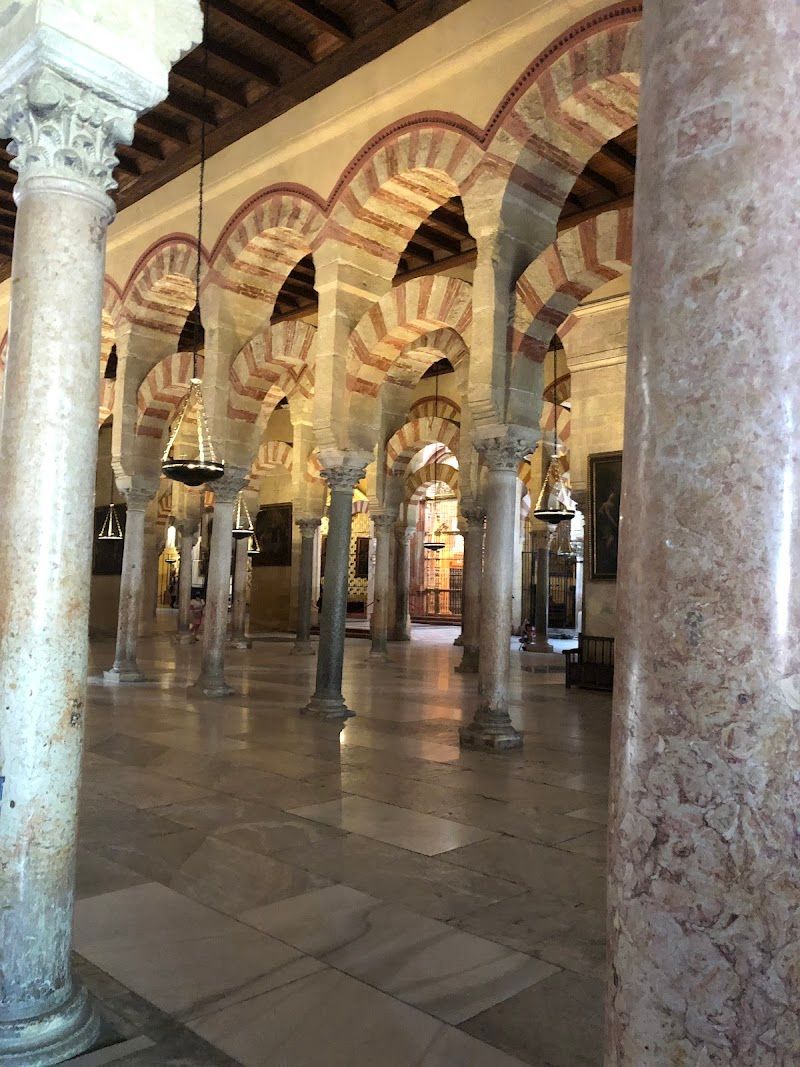
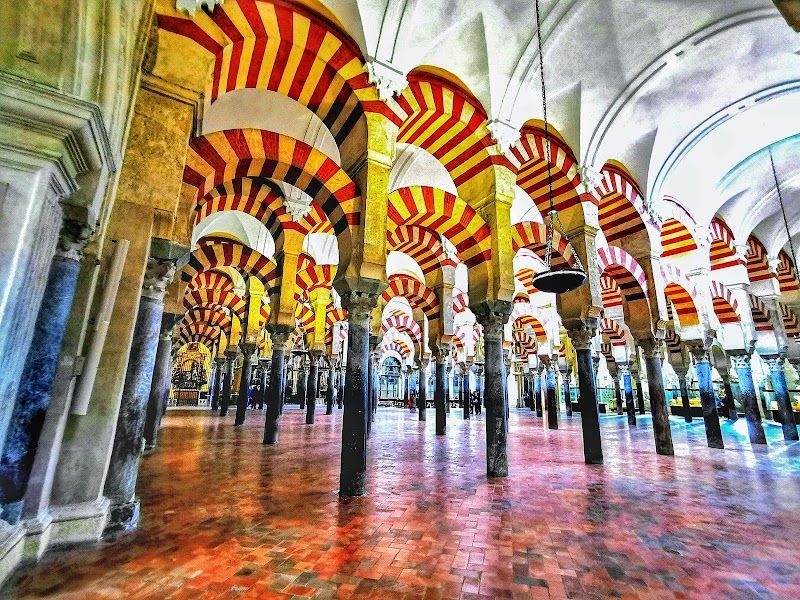
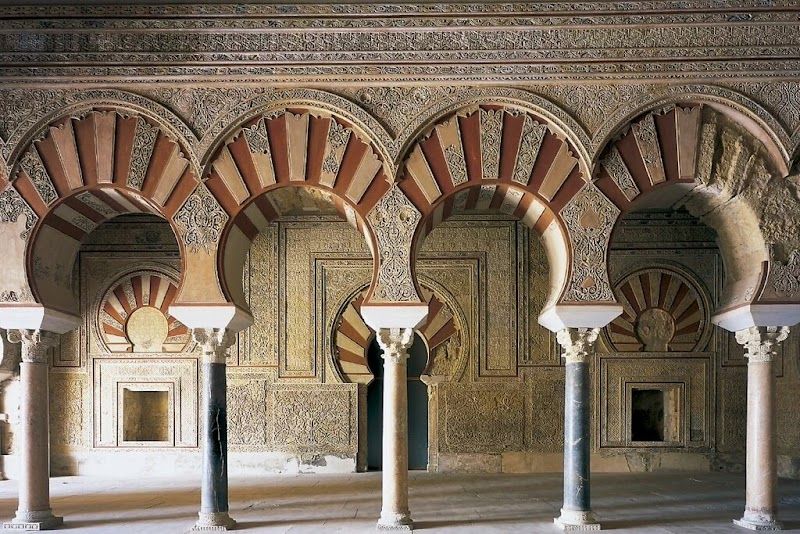
Cordoba is the city that was once the largest in Western Europe and has the building to prove it. The Mezquita is the reason to come, and it is unlike anything else in the world: a mosque built in the 8th century with 856 columns of jasper, onyx, marble, and granite creating a forest of red-and-white striped arches that seems to extend forever. In the 13th century, after the Reconquista, the Spanish built a full Renaissance cathedral inside it, which sounds like vandalism and might be, but the collision of Islamic geometry and Catholic baroque creates something that neither religion could have produced alone. Entry costs EUR 13, and you should go at 8:30 AM opening when the light hits the columns and you have the space almost to yourself.
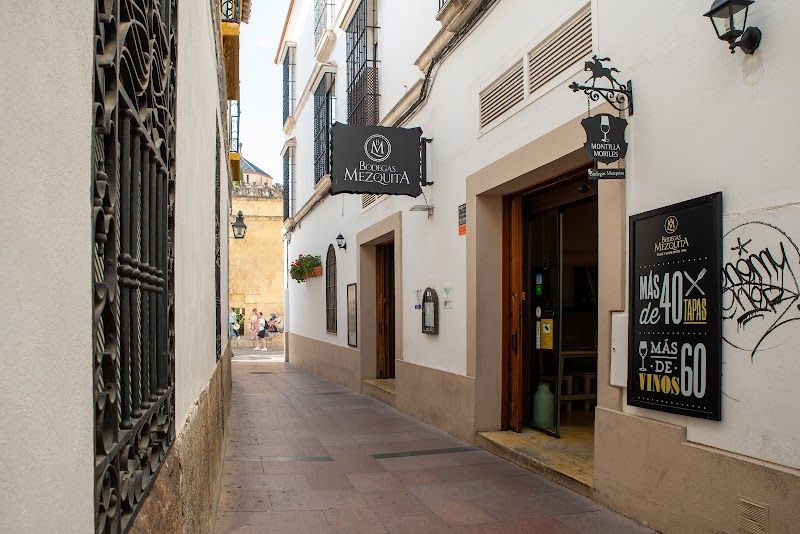
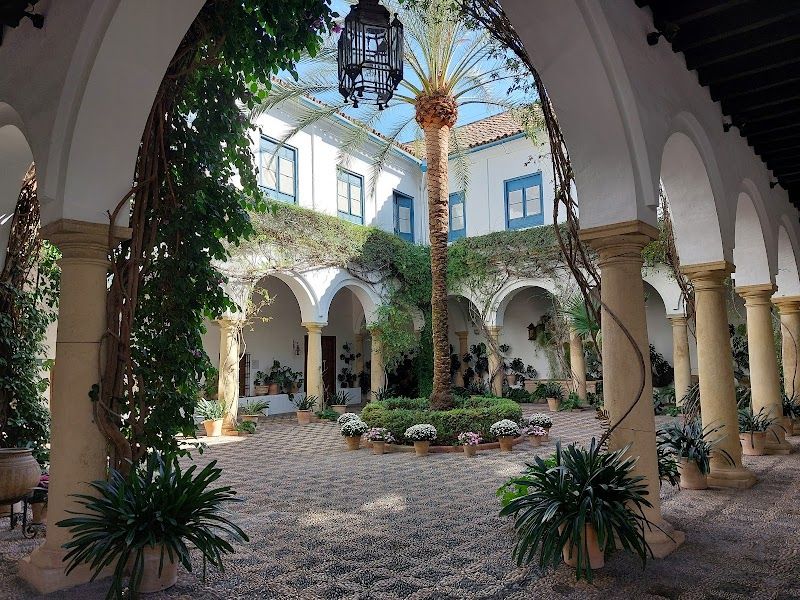
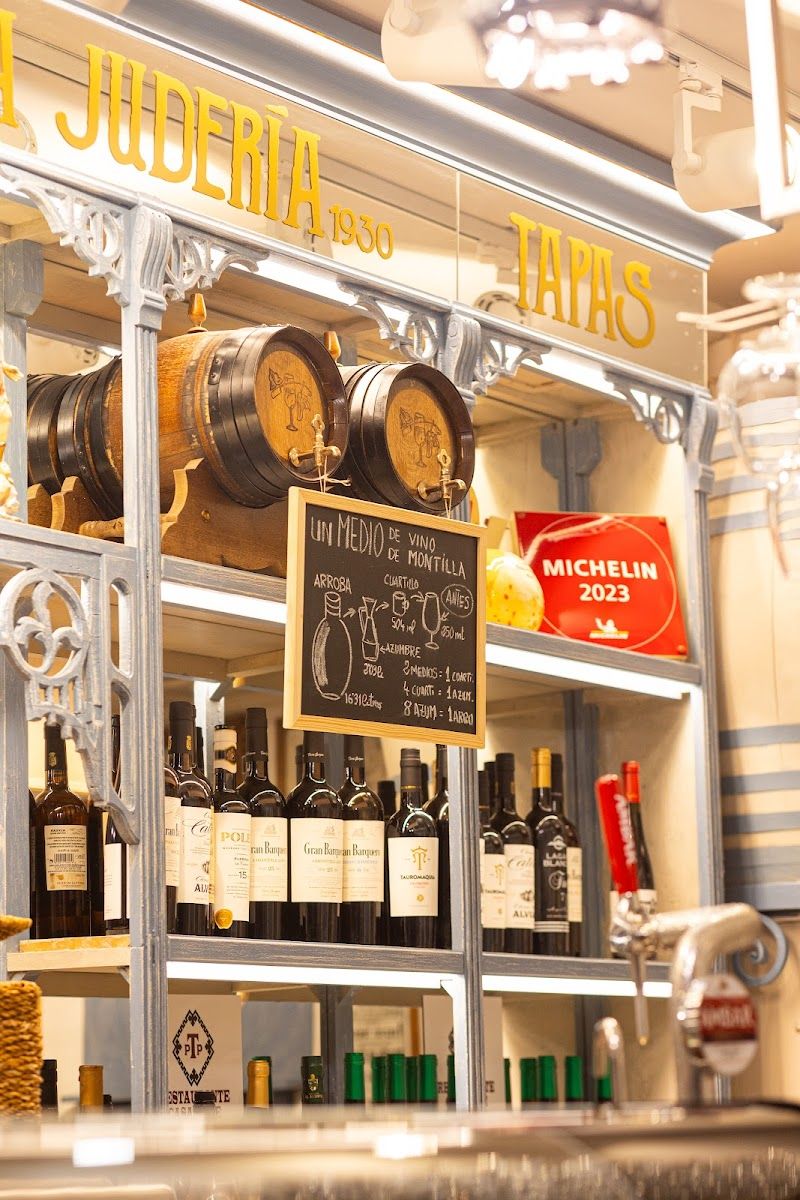
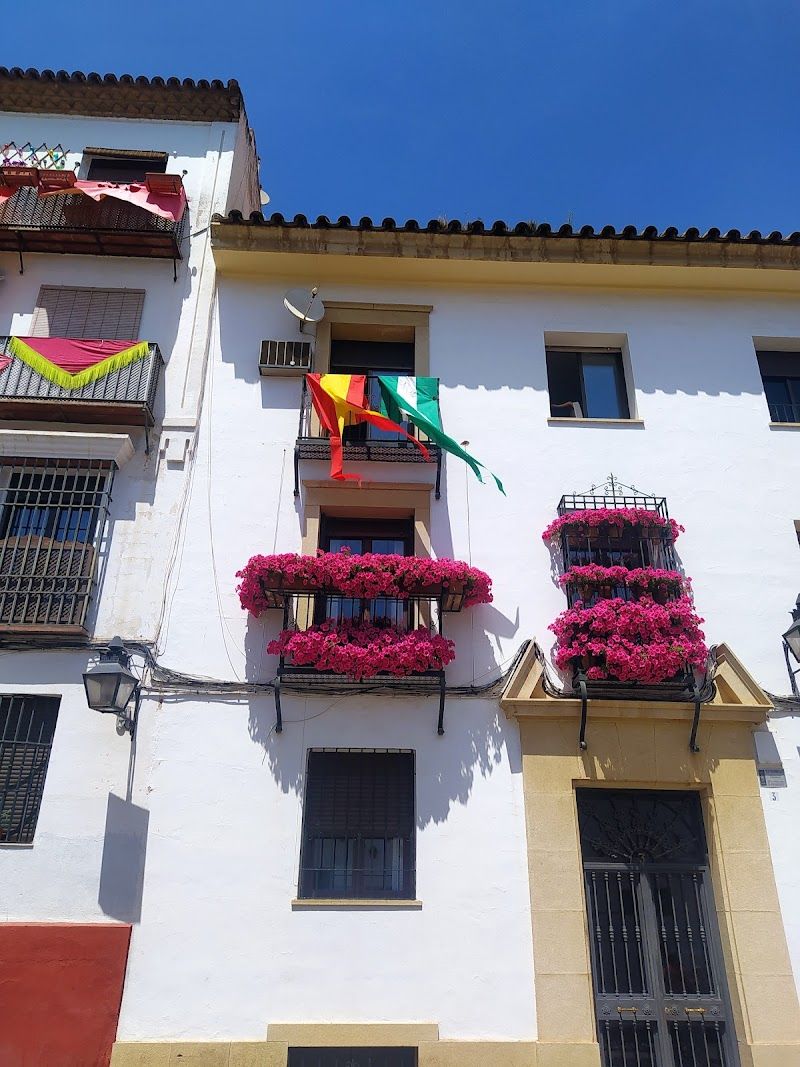
The Jewish Quarter (Juderia) wraps around the Mezquita in a maze of whitewashed alleys, flower pots, and patios. The patios are the other thing Cordoba does better than anywhere: private courtyard gardens that residents open to the public during the Festival de los Patios every May (UNESCO-listed), when the competition for the most beautiful patio turns the entire old town into a flower show. Even outside the festival, some patios are permanently open (Palacio de Viana, EUR 8, 12 courtyards, each designed in a different style).
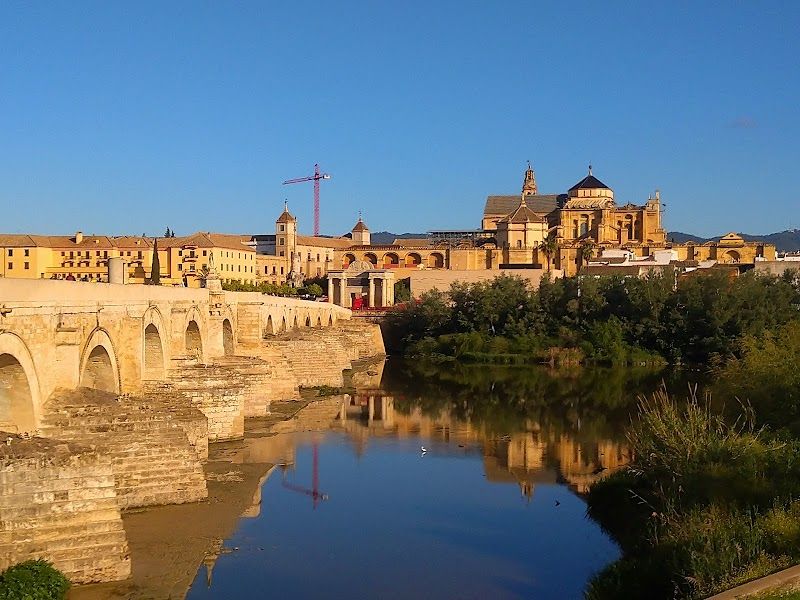
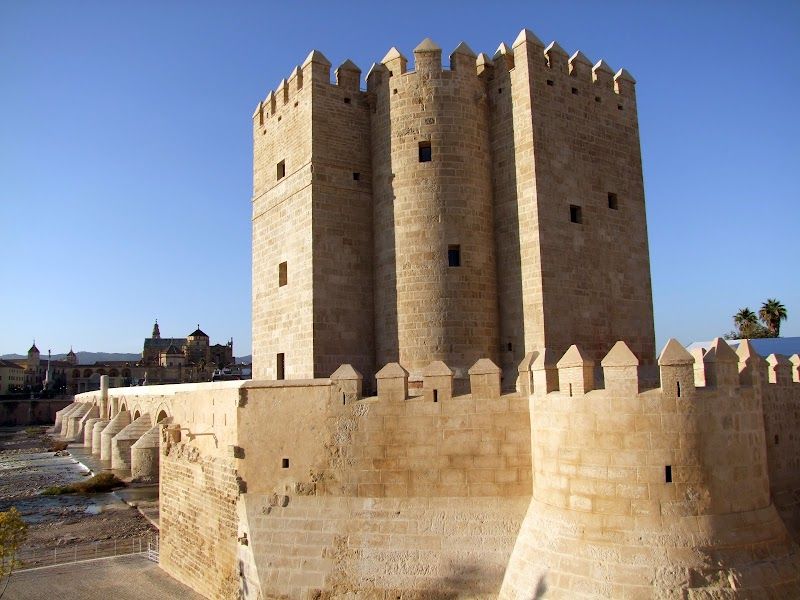
Cordoba is also the most manageable of the Andalusian cities. You can see the essential sights in a day, the old town is compact and flat (unlike Granada's hills), and it sits exactly halfway between Seville and Granada on the AVE high-speed train (45 minutes to either). A day trip from Seville works, but staying one night gives you the Mezquita at opening and the Roman Bridge at sunset, which are the two moments that justify the stop.
Pick your base
Stay in Cordoba
Real-time pricing across hotels, apartments, and ryokans. Book direct from the map.
Things to do in Cordoba
Experiences worth booking ahead
Vetted tours and tickets we'd send a friend to. The ones worth reserving before you arrive.
Travel guides
From the blog
Practical bits, answered
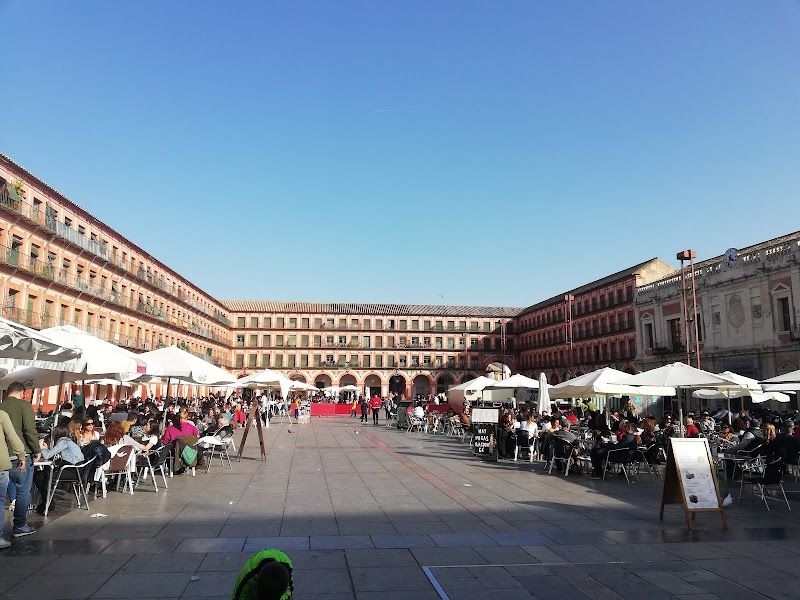
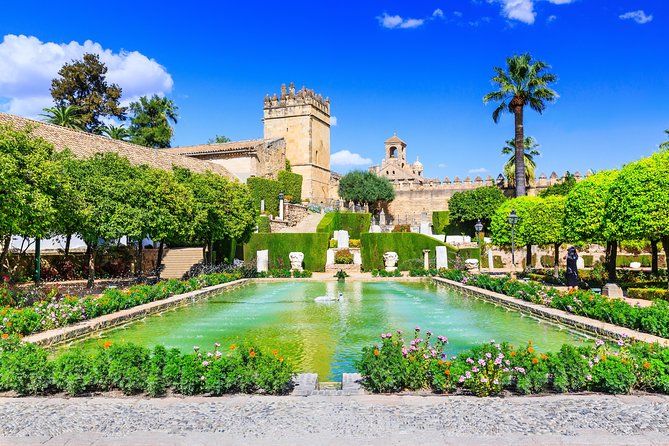
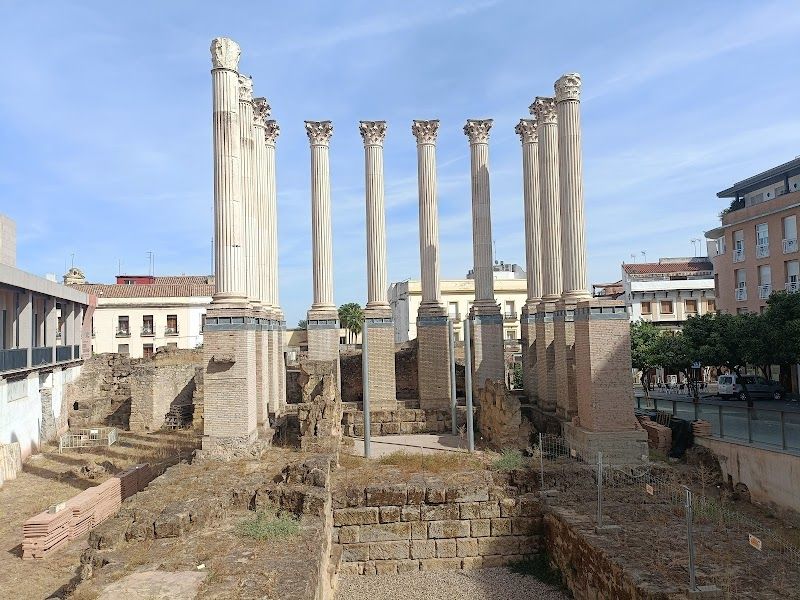
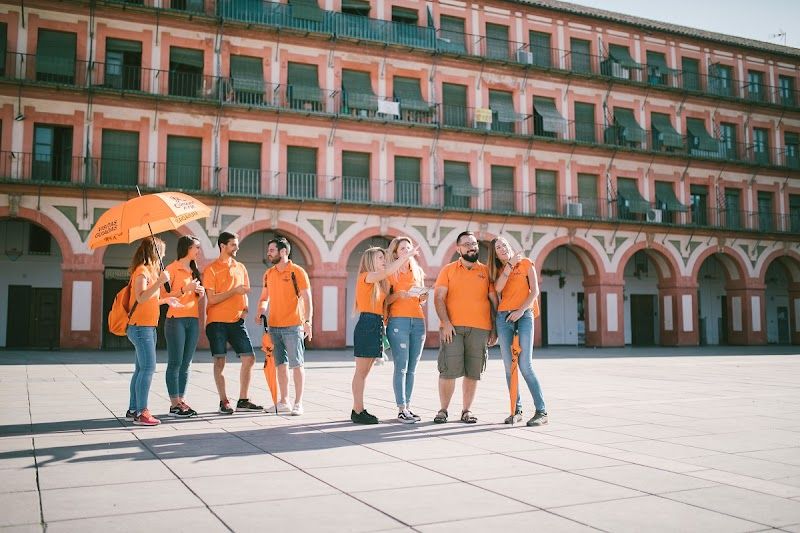
One full day covers the essentials: Mezquita at opening (8:30 AM, 1.5 hours), Juderia walk (1 hour), lunch (salmorejo is mandatory), Alcazar or Palacio de Viana in the afternoon, Roman Bridge at sunset. Two days lets you explore the patios, the Templo Romano, Plaza de la Corredera, and the Santa Marina neighbourhood at a relaxed pace. A day trip from Seville or Granada (45 min AVE each way) works if you arrive early.
Cordoba is the hottest city in Spain. July and August regularly hit 44-45C. This is not an exaggeration. If you visit in summer, plan all outdoor sightseeing before 11 AM and after 7 PM. The Mezquita interior is the correct midday refuge: it is cool inside those stone columns. Spring (March-May) and autumn (September-November) are ideal: warm, manageable, and the patios are at their best in May during the festival.
Book online at mezquita-catedraldecordoba.es. In peak season (spring and autumn) tickets sell out for morning slots. The 8:30 AM opening slot is the best: fewer people, the morning light through the columns is extraordinary, and you can spend 1.5 hours without feeling rushed. Entry is EUR 13. The Monday 8:30-9:30 AM free entry slot exists but is crowded and chaotic. Pay and go at opening instead.
The Festival de los Patios runs for two weeks in May (typically the first two weeks) and is UNESCO-listed. Residents of the old town open their private courtyard gardens for public viewing and compete for the best patio. The courtyards are filled with geraniums, jasmine, bougainvillea, and citrus trees against whitewashed walls. Entry to the patios is free during the festival. The city is busiest during this period: book hotels 3-4 months ahead. Outside the festival, Palacio de Viana (EUR 8, 12 courtyards) is the best permanent patio experience.
Let DAIZ plan your Cordoba days
Tell us how long you've got and what you're into. We'll build a day-by-day plan, with the bookable bits ready to lock in.