Cordoba's food scene is not what you'd expect from a tourist-heavy city anchored by one of the world's most visited monuments. While most visitors stumble through the Jewish Quarter looking for any restaurant near the Mezquita, locals know the real Cordoba food to try exists in family-run tabernas that have been serving the same dishes for generations.
This isn't fusion cuisine or modern interpretations. Cordoba's traditional dishes evolved from its unique position as the former capital of the Umayyad Caliphate, where Moorish, Jewish, and Christian culinary traditions merged into something distinctly Cordoban. The result is a cuisine that's heartier than coastal Andalusia, more refined than interior Castile, and absolutely worth planning your meals around.
Cold Dishes That Define Cordoba Local Cuisine
Salmorejo
Salmorejo is not gazpacho, despite what every tourist menu will tell you. This cold soup is thicker, creamier, and purely Cordoban. Made from bread, tomatoes, olive oil, garlic, and salt, it's traditionally served with hard-boiled egg and jamón ibérico on top. The bread gives it body that gazpacho lacks, and the higher proportion of olive oil makes it rich enough to be a proper course, not just a starter.
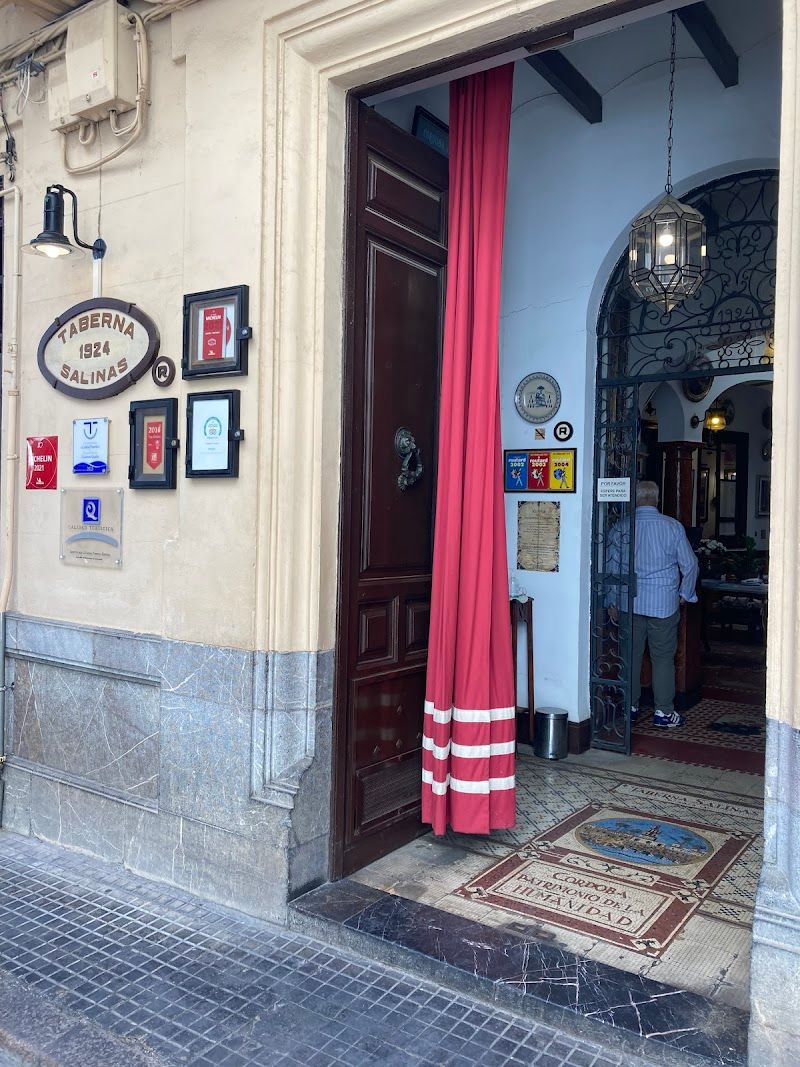
Expect to pay EUR 4-8 for salmorejo across the city. The best version we've found is at Taberna Salinas in the Plaza de la Corredera area, where they serve it in traditional clay bowls that keep it properly chilled.
Ajoblanco
This almond-based cold soup predates salmorejo by centuries and shows the Moorish influence that shaped Cordoba specialty food. Made with blanched almonds, garlic, bread, olive oil, and vinegar, it's garnished with grapes or melon. Ajoblanco is more delicate than salmorejo but equally filling. You'll find it on menus from June through September for around EUR 5-7.
Pipirrana
Pipirrana is Cordoba's version of a composed salad, built around tomatoes, peppers, onions, and hard-boiled eggs, all bound together with olive oil and vinegar. It's often served with tuna or cod, making it a complete light meal. The key is using vegetables at peak ripeness, which is why you'll only find good pipirrana from May through October.
Traditional Cordoba Dishes: The Main Attractions
Flamenquín Cordobés
This is the dish that separates tourists from locals. Flamenquín consists of thin pork loin wrapped around jamón serrano and sometimes cheese, breaded, fried, and served hot. It sounds simple until you taste one done properly - the pork stays incredibly tender while the exterior gets golden and crispy.
A proper flamenquín costs EUR 12-18 depending on where you order it. Casa Pepe de la Judería does an exceptional version, but skip their tourist menu and order à la carte. The flamenquín at Bodegas Campos is larger but less refined.
Rabo de Toro
Oxtail stew is Cordoba's signature dish, born from the city's deep connection to bullfighting. The tail is braised slowly in red wine with vegetables until the meat falls off the bone. When done correctly, it's rich without being heavy, complex without being fussy. A proper serving costs EUR 16-24.
The best rabo de toro requires patience - both to cook and to find. El Churrasco serves the most famous version, but their prices reflect their reputation. For better value, head to Taberna La Montillana, where the recipe hasn't changed in decades.
Cordero a la Miel
Lamb with honey showcases the Moorish influence in Cordoba's traditional dishes. The lamb is slowly roasted and glazed with honey, often with almonds and dried fruits. It's rich and slightly sweet, balanced by the meat's natural saltiness. This dish is harder to find than others on this list, but when you do, expect to pay EUR 18-25.
Pescaíto Frito
While Cordoba sits inland, its connection to the Guadalquivir River and trade routes to the coast means fresh fish has always been available. Pescaíto frito is small fish - anchovies, sardines, or red mullet - coated in seasoned flour and fried until crispy. It's served simply with lemon and eaten with your hands. A generous portion costs EUR 8-12.
What to Eat in Cordoba: Vegetables and Sides
Berenjenas con Miel
Eggplant with honey is another dish that reveals the Moorish roots of Cordoba cuisine. Thin slices of eggplant are fried until golden, then drizzled with local honey. The contrast between the savory, slightly bitter eggplant and the sweet honey creates a perfect balance. It's typically served as a tapa for EUR 4-6.
Alcachofas a la Montillana
Artichokes prepared Montilla-style (Montilla is a town near Cordoba famous for its fortified wine) involves braising them with onions, garlic, and the local Montilla-Moriles wine. The result is tender artichokes with a complex, slightly nutty flavor from the wine. This dish costs EUR 6-9 and is best in spring when artichokes are in season.
Espinacas con Garbanzos
Spinach with chickpeas represents the humble side of Cordoba's cuisine. This tapa combines sautéed spinach with chickpeas, often with garlic and pine nuts. It's filling enough to be a light meal and usually costs EUR 3-5. Despite being simple, when done well, it's deeply satisfying.
Traditional Cordoba Dishes: Desserts and Sweets
Pastel Cordobés
This traditional pastry consists of layers of puff pastry filled with sweet pumpkin jam (cabello de ángel). It's dusted with powdered sugar and often served with a small glass of sweet wine. The combination of flaky pastry and concentrated sweetness makes it the perfect end to a heavy meal. Expect to pay EUR 3-5 per slice.
Tocino de Cielo
This "heavenly bacon" contains no bacon at all - it's a rich custard made with egg yolks and sugar, similar to crème caramel but denser. The name comes from its golden color and smooth texture. It's a common dessert across Andalusia, but Cordoba's version tends to be less sweet than others. A portion costs EUR 2-4.
Alfajores
These honey-almond cookies show the direct line from medieval Al-Andalus to modern Cordoba. Made with ground almonds, honey, and spices, they're chewy rather than crispy and intensely flavored. Good alfajores are harder to find than they should be - many shops sell industrial versions that bear little resemblance to the traditional recipe.
Where to Find Authentic Cordoba Must Try Food
Traditional Tabernas vs Tourist Restaurants
The difference between authentic Cordoba food and tourist approximations is stark. Real tabernas have been serving the same families for generations, use local suppliers, and change their menus based on what's available at the market. Tourist restaurants near the Mezquita serve simplified versions of traditional dishes at inflated prices.
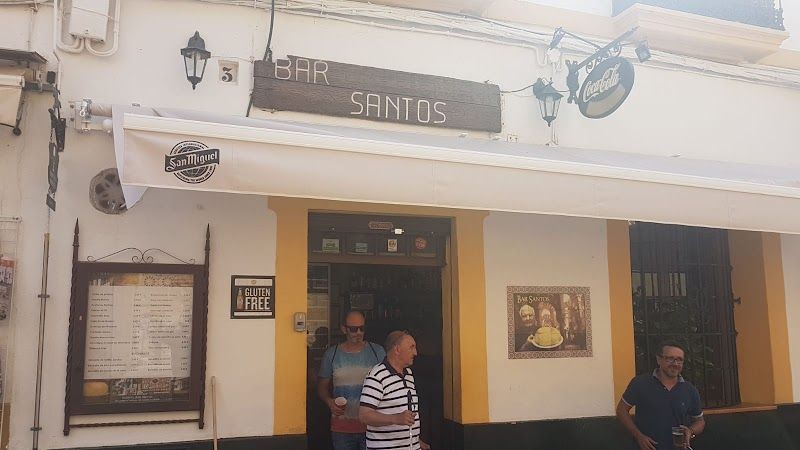
Bar Santos exemplifies the authentic approach. This tiny bar near the Mezquita has been run by the same family since 1965. Their tortilla española is legendary, but they also serve excellent montaditos (small sandwiches) and traditional tapas. Prices are fair, portions are generous, and the atmosphere is purely local.
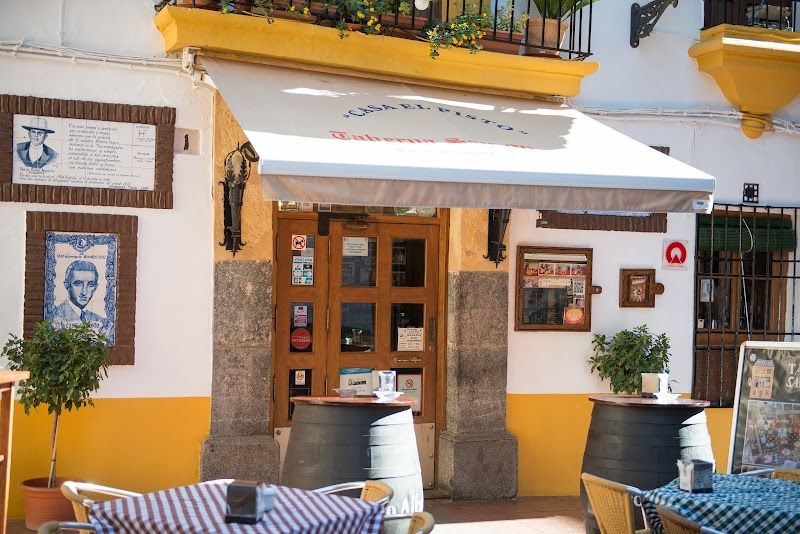
Taberna San Miguel - Casa El Pisto takes its name from the traditional Spanish dish of sautéed vegetables, but their menu covers the full range of Cordoba specialties. The rabo de toro here is particularly good, and their wine list focuses on local Montilla-Moriles wines that pair perfectly with the rich food.
Market Dining and Food Halls
Mercado Victoria represents a modern approach to traditional food. This covered market near the train station houses multiple food stalls serving everything from jamón ibérico to craft beer. It's more expensive than traditional tabernas but offers variety and the chance to try multiple dishes in one location.
The market is particularly good for trying different versions of the same dish. You can compare salmorejo from three different stalls, or sample various preparations of flamenquín. Prices are higher than neighborhood bars - expect EUR 6-10 for dishes that would cost EUR 4-7 elsewhere - but the quality is generally reliable.
Neighborhood Dining Patterns
Cordoba's dining scene varies significantly by neighborhood. The Mezquita area caters heavily to tourists, with higher prices and simplified menus. The Plaza de la Corredera district offers better value and more authentic options, while the Viana-Santa Marina area has family-run places that locals frequent.
Understanding Cordoba's Food Culture
Meal Timing and Customs
Cordoba follows Andalusian dining patterns, which can confuse visitors. Lunch happens between 2 PM and 4 PM, with dinner starting no earlier than 9 PM. Many restaurants close between meals, so planning is essential. The concept of tapas culture is strong - bars will often include a small dish with each drink, though this practice is becoming less common in tourist areas.
Breakfast in Cordoba is simple: coffee with tostada con tomate (toast with grated tomato, olive oil, and salt) for EUR 2.5-4. This isn't the substantial meal that northern Europeans expect, but it's perfectly adequate fuel for morning sightseeing.
Wine and Drink Pairings
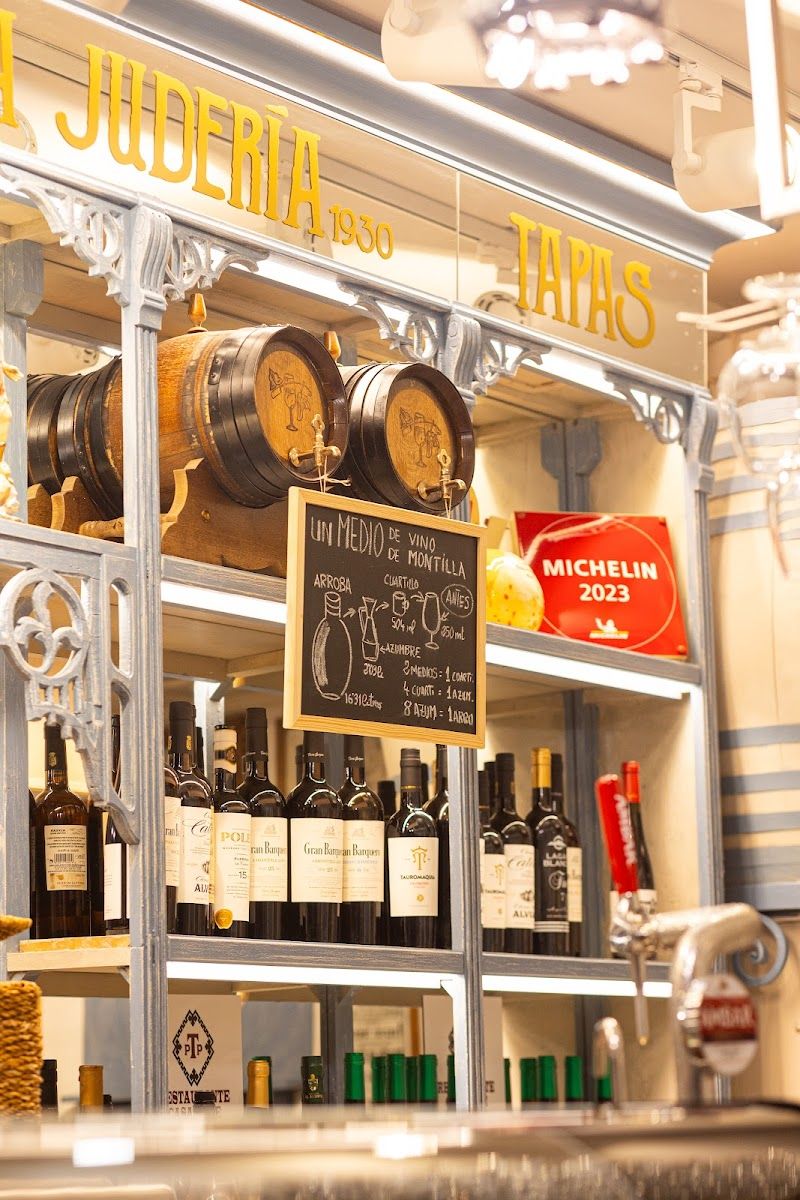
Cordoba sits in the Montilla-Moriles wine region, which produces fortified wines similar to sherry but with subtle differences. These wines pair exceptionally well with the rich, salty foods that dominate local cuisine. A glass of Montilla-Moriles amontillado costs EUR 2.5-5 at most bars and complements dishes like flamenquín or rabo de toro perfectly.
Beer (caña) remains the most popular drink with tapas, costing EUR 2-3.5. The small portions pair well with the salty, fried foods that make up much of Cordoba's bar cuisine.
Seasonal Considerations
Cordoba's food scene changes dramatically with the seasons. Summer brings cold soups like salmorejo and ajoblanco, while winter features heavier stews and braises. Spring is optimal for vegetables like artichokes and asparagus, while fall brings game meats and preserved foods.
Visiting during different seasons means experiencing entirely different menus. A summer visit focused on cold dishes and light tapas will give you a completely different perspective on Cordoba cuisine than a winter trip centered around hearty stews and roasted meats.
Budget Breakdown for Food in Cordoba
| Meal Type | Budget Option | Mid-Range | Upscale |
|---|---|---|---|
| Breakfast | EUR 2.5-4 | EUR 5-8 | EUR 10-15 |
| Lunch (menú del día) | EUR 12-18 | EUR 20-30 | EUR 35-50 |
| Tapas crawl (4-5 stops) | EUR 15-25 | EUR 25-40 | EUR 40-60 |
| Dinner | EUR 20-35 | EUR 35-55 | EUR 60-85 |
Money-Saving Strategies
The menú del día offers the best value for substantial meals. These three-course lunches with bread and wine cost EUR 12-18 at most restaurants and represent far better value than dinner portions. Many include traditional dishes like rabo de toro or flamenquín as main course options.
Bar hopping for tapas costs less than restaurant dining and gives you more variety. A caña (small beer) and tapa combination runs EUR 3-6 at neighborhood bars. Five stops will give you a complete meal for EUR 15-25, assuming you choose wisely.
When to Splurge
Certain dishes justify higher prices. Proper rabo de toro requires hours of preparation and high-quality ingredients. A good version at EUR 20-24 represents fair value, while a EUR 12 version is likely to disappoint. Similarly, jamón ibérico de bellota commands premium prices (EUR 18-25 per 100g) because of the production process, not restaurant markup.
Planning Your Cordoba Food Experience
The key to experiencing authentic Cordoba food to try is understanding that the best dishes often come from the least likely places. The tiny bar with plastic chairs and fluorescent lighting probably serves better flamenquín than the restaurant with tablecloths and tourist menus in four languages.
Start your food exploration with our comprehensive Cordoba food guide, which covers the restaurant scene in detail. For first-time visitors, the 1-2 day Cordoba itinerary includes strategic meal planning around sightseeing.
Cordoba's cuisine rewards adventurous eaters willing to look beyond the obvious tourist options. The dishes that define this city - from silky salmorejo to rich rabo de toro - represent centuries of culinary evolution that you won't find anywhere else in Spain. They're worth seeking out, worth paying proper prices for, and worth building your visit around.