Cordoba · Mezquita & Juderia

Mercado Victoria

Contemporary food market housed in a 19th century iron and glass structure with multiple stalls offering everything from traditional Cordoban dishes to international cuisine.
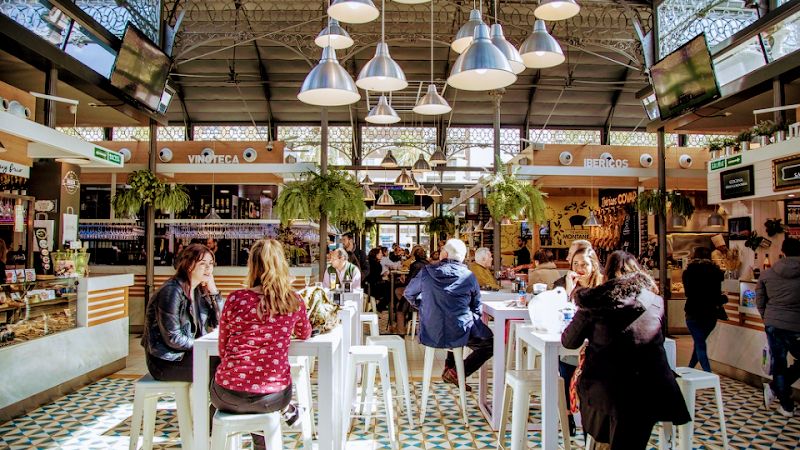
Mercado Victoria, Cordoba · Mezquita & Juderia
Category
Restaurant
Duration
1 hour
Best Time
Morning
Entry
€€
Rating
4.3 (24,429)
The place

About Mercado Victoria

Contemporary food market housed in a 19th century iron and glass structure with multiple stalls offering everything from traditional Cordoban dishes to international cuisine. The central bar area serves Montilla-Moriles by the glass. Popular with younger locals and a mix of tourists looking for variety under one roof.

Book ahead

Book Tickets

Live availability and skip-the-line options from our booking partners.

Search on Viator →Search on GetYourGuide →

Booking powered by our partners. DAIZ may earn a commission.

The place

Getting there

Address
P.º de la Victoria, s/nº, Centro, 14004 Córdoba, Spain
Neighborhood
Mezquita & Juderia
View on Google Maps →
Good to know

Tips, answered

Visit on a weekday lunch for shorter lines at the best stalls, and grab a table in the center to share dishes from multiple vendors.

Plan for about 1 hour. Morning visits are typically less crowded.

Mercado Victoria is in the Mezquita & Juderia neighborhood of Cordoba. The address is P.º de la Victoria, s/nº, Centro, 14004 Córdoba, Spain. The area is well-served by metro.

Morning visits, especially early, mean fewer crowds and better light for photos. Weekdays are significantly quieter than weekends.

Around the corner

Nearby in Mezquita & Juderia

Explore all →
Juderia (Jewish Quarter) Walk
Cultural Site

Juderia (Jewish Quarter) Walk

The Judería is Córdoba's former Jewish quarter, a labyrinth of whitewashed lanes that winds around the Mezquita like a medieval puzzle. You'll walk narrow cobblestone streets lined with flower-draped balconies, wrought-iron gates, and glimpses of tiled patios through doorways. The 14th-century Synagogue on Calle de los Judíos preserves intricate Mudéjar plasterwork and Hebrew inscriptions, one of just three medieval synagogues left in Spain. Calleja de las Flores, barely three meters wide, frames the Mezquita's tower between cascading geraniums. The walk feels like drifting through centuries of layered history where Moorish, Jewish, and Christian Córdoba collide. You'll duck under archways, peek into courtyards, and follow lanes that dead-end at ancient walls or open suddenly onto sun-drenched plazas. The Casa Andalusí shows how wealthy Moors lived in restored 12th-century rooms, while the Zoco Municipal occupies the old souk with leather workers and potters still crafting in traditional workshops. Every corner reveals another photogenic vignette of Andalusian life. Most guides oversell every single alley, but focus on the Synagogue (€0.35 for non-EU, free otherwise) and Calleja de las Flores for the classic shot. Skip Casa Andalusí unless you're genuinely interested in Moorish domestic architecture, it's touristy at €4. The neighborhood gets packed after 10am, so arrive early when the morning light hits those white walls perfectly.

1-2 hoursExplore
Mezquita-Catedral de Cordoba
Landmark

Mezquita-Catedral de Cordoba

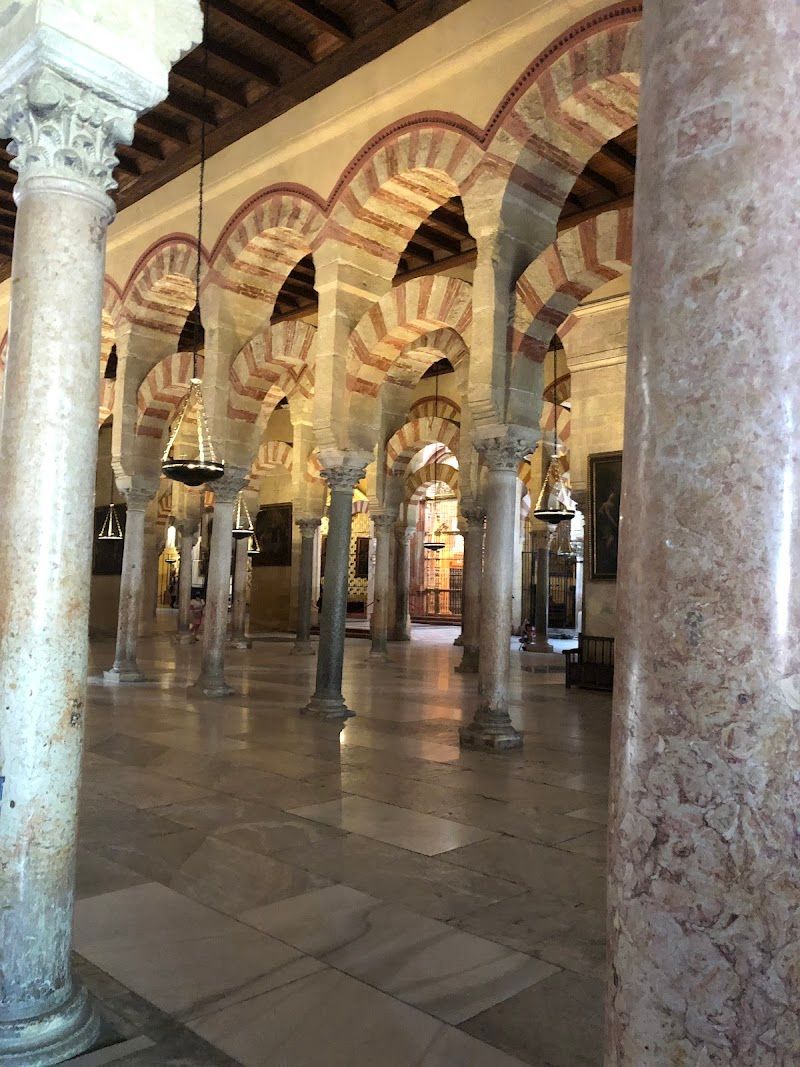
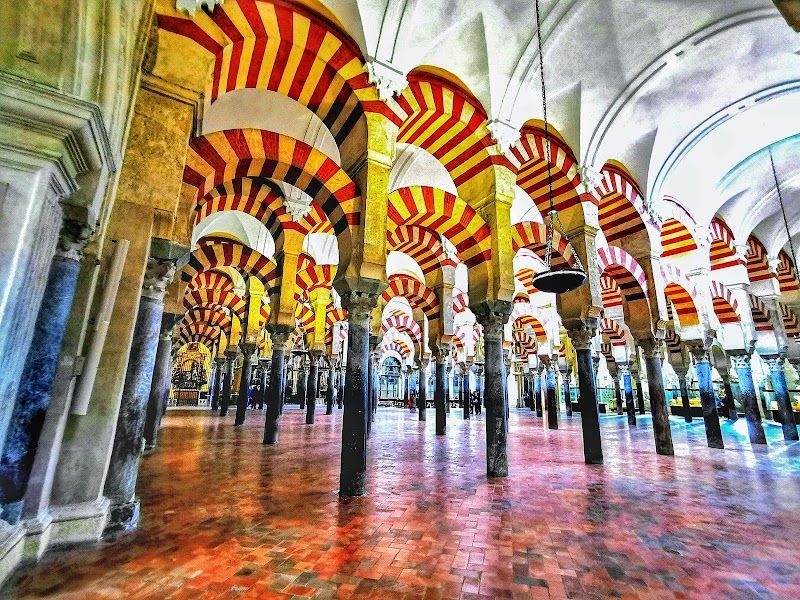
The Mezquita is the world's most extraordinary architectural collision: an 8th-century mosque with a Renaissance cathedral punched through its center. You'll walk through a forest of 856 columns in jasper, onyx, marble, and granite supporting double arches in hypnotic red and white stripes. The Byzantine mosaics covering the mihrab (prayer niche) were a gift from Constantinople's emperor, while the intrusive but beautiful Catholic nave soars above the Islamic geometry in deliberate contrast. Entering feels like stepping into a stone dream where Islamic mathematics meets Catholic grandeur. The column forest creates infinite sight lines that shift as you move, each angle revealing new patterns. Morning light slanting through eastern windows turns the red and white arches into glowing ribbons. The cathedral section feels almost rude in its interruption, yet the baroque details against Moorish backdrop create something genuinely unique. Charles V called it destruction of something irreplaceable to build something ordinary. Most guides don't mention that the free Monday morning slot (8:30-9:30 AM) is absolute chaos with tour groups. Pay the EUR 13 and go at opening instead for manageable crowds and that crucial morning light. The audio guide costs extra but isn't necessary if you read up beforehand. Skip the bell tower climb, it's overpriced at EUR 2 and the views aren't special. Allow 90 minutes minimum to properly absorb the space.

1.5-2 hoursExplore
Conjunto Arqueológico Madinat al-Zahra
Museum

Conjunto Arqueológico Madinat al-Zahra

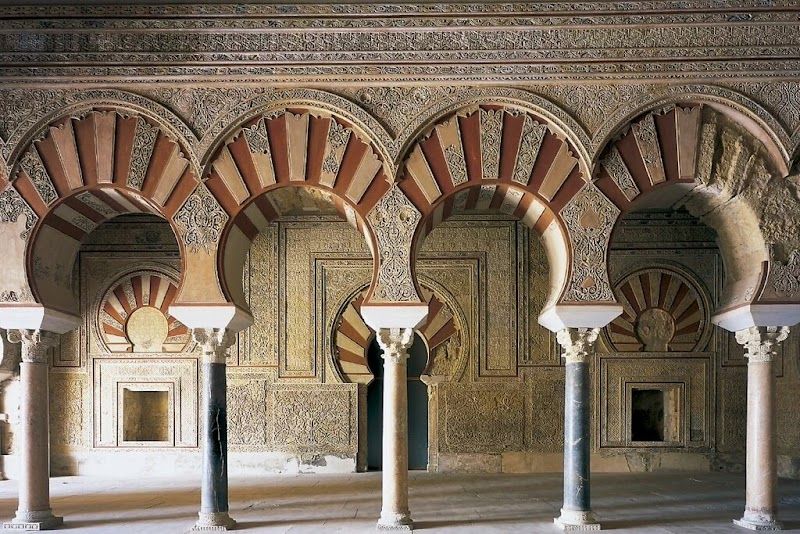
Madinat al-Zahra was the opulent palace city built by Caliph Abd al-Rahman III in 936 AD, designed to rival Baghdad and Constantinople. You'll walk through the excavated remains of what was once home to 20,000 people, including the stunning Salon Rico with its intricate carved arches and the terraced gardens that once cascaded down the hillside. The scale is staggering: this was essentially a medieval Manhattan built in just 25 years, then destroyed and forgotten for a millennium. Your visit starts with a mandatory shuttle bus ride from the modern visitor center, which includes a solid museum with 3D reconstructions showing how grand this place actually was. The ruins themselves sprawl across terraced levels, with the most impressive sections being the royal palace area and the recently restored Salon Rico. Walking the ancient streets, you get a real sense of the Umayyad court's ambition and the skilled craftsmanship that went into every carved stone capital and decorative panel. Most guides oversell the "complete experience" but honestly, 90% of what you see is foundation stones and partial walls. The real highlights are the Salon Rico and the upper terrace viewpoints, so don't feel obligated to explore every excavated area. Entry costs €1.50 for EU citizens, €1.50 for others, which is ridiculously cheap for a UNESCO site. Skip the audio guide at €2: the information panels in English are perfectly adequate and you'll move at your own pace.

2-3 hoursExplore
Tablao Flamenco Cardenal
Experience

Tablao Flamenco Cardenal

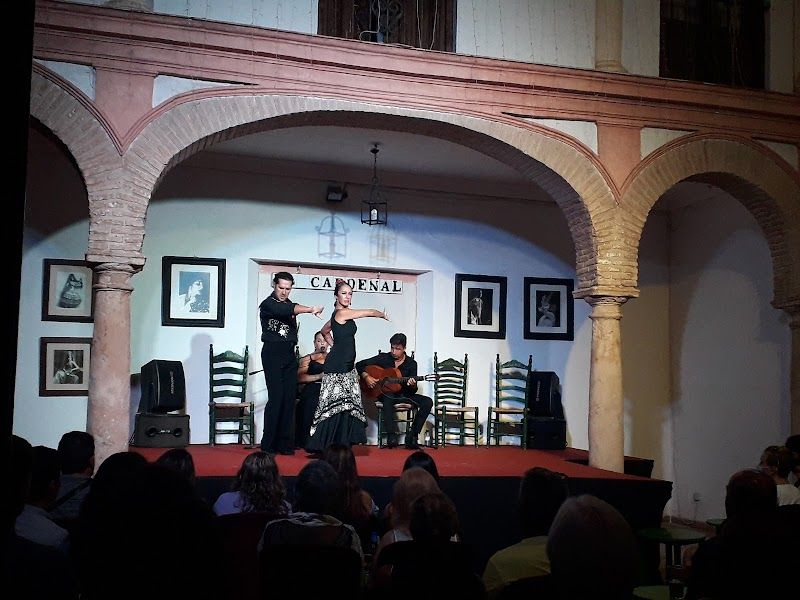
Tablao Flamenco Cardenal showcases authentic Cordoban flamenco in a stone-arched medieval space that seats just 45 people. You'll hear the distinctive Cordoban soleá style, which emphasizes intricate guitar work over the dramatic vocals that dominate Seville's flamenco scene. The intimate setting means you're close enough to see the guitarist's fingering techniques and hear the subtle foot percussion that makes Cordoba's tradition unique. The 70-minute performance unfolds in three acts with local artists who've grown up in this tradition, not polished professionals touring between cities. Stone walls amplify every guitar note and hand clap, creating an acoustic experience you won't find in larger venues. Servers move quietly between small tables, offering wine and basic tapas, but most audiences focus entirely on the music. The medieval architecture frames the performance perfectly, with warm lighting highlighting the worn stone arches. Tickets cost 25 EUR and include one drink, a fair price for authentic flamenco in such an intimate setting. Most guides oversell flamenco as passionate and fiery, but Cordoba's style is more contemplative and guitar-focused, which some visitors find less exciting than expected. Skip the 10pm show, it's packed with tour groups. The venue gets genuinely hot in summer since air circulation is limited in the medieval space.

1-1.5 hoursExplore
Baños del Alcázar Califal
Museum

Baños del Alcázar Califal

These 10th century royal baths are the best preserved example of Umayyad bathing culture in Spain, built when Córdoba was the most sophisticated city in Europe. You'll walk through the original sequence of cold, tepid, and hot rooms exactly as caliphs and courtiers used them a thousand years ago. The star shaped skylights still cast the same geometric patterns on ancient floors, and the hypocaust heating system remains visible beneath raised marble slabs. The experience feels surprisingly intimate in these vaulted stone chambers. You follow the traditional bathing circuit from the cold apodyterium (changing room) through progressively warmer spaces, each with different ceiling heights and lighting effects. The audio guide explains how bathers moved between rooms for different stages of cleansing and socializing. Sound carries beautifully in these spaces, creating an almost meditative atmosphere as you imagine courtly conversations echoing off thousand year old walls. Most visitors rush through in 20 minutes, but you'll appreciate the architectural details if you take the full 45 minutes the audio guide suggests. Entry costs €2.50, making this one of Córdoba's best value attractions. Skip it only if you're already doing the Alcázar next door and are museumed out, but honestly, the contrast between the two sites makes both more interesting. The baths close for lunch from 2:00 to 4:30 PM, so plan accordingly.

30-45 minutesExplore
More on Cordoba

From the blog

View all →
Ready for Cordoba?

Let DAIZ plan your Cordoba days

Tell us how long you've got and what you're into. We'll build a day-by-day plan, with the bookable bits ready to lock in.

Plan my Cordoba tripFree · no signup to start
Plan your Cordoba trip