Cordoba's food scene tells the story of a city that was once the largest in Western Europe, where Umayyad caliphs dined alongside Jewish scholars and Christian merchants. Today, that multicultural legacy lives on in dishes that blend Moorish spices with Andalusian traditions, served in venues ranging from century-old tabernas to sleek modern restaurants.
The cordoba food scene remains deeply rooted in tradition while embracing innovation. You'll find restaurants where the same family has been serving flamenquín for four generations, sitting next to establishments pushing the boundaries of contemporary Spanish cuisine. This isn't a city chasing culinary trends for tourists - it's a place where food culture evolved organically over centuries.
Traditional Tabernas: The Soul of Cordoba Dining Culture
Cordoba's traditional tabernas operate on principles unchanged since the 19th century. These aren't quaint theme restaurants but working establishments where locals gather daily for wine, conversation, and plates of food designed to accompany drinking rather than dominate it.
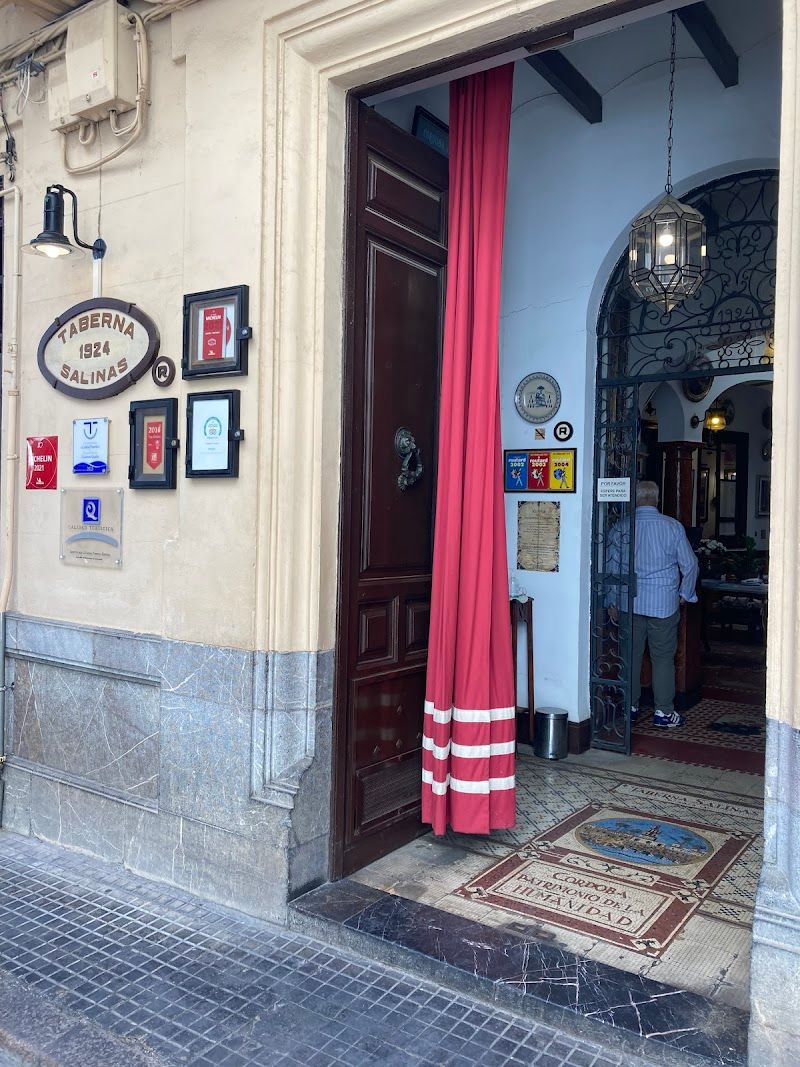
Taberna Salinas on Calle Tundidores has operated since 1879. The interior remains unchanged: ceramic tiles, wooden barrels, and walls covered in bullfighting memorabilia and faded photographs. The menu focuses on traditional Cordoba dishes - salmorejo costs EUR 4-8 and comes properly thick, garnished with hard-boiled egg and jamón. Their rabo de toro runs EUR 16-24 and represents the dish at its finest: oxtail so tender it falls apart with a fork, braised in wine until the meat absorbs the deep, concentrated flavors.
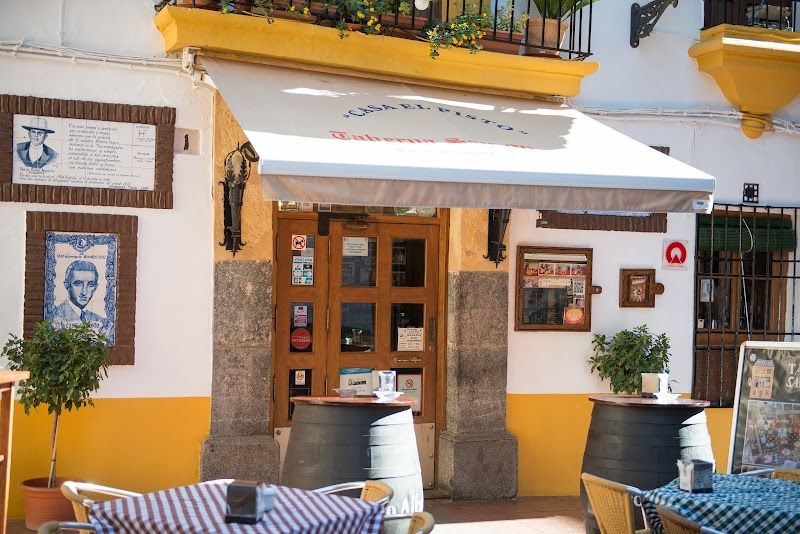
Taberna San Miguel - Casa El Pisto near Plaza de la Corredera takes a different approach. The focus here is on small plates designed for sharing - their berenjenas con miel (eggplant with honey) perfectly balances the Moorish influence in cordoba traditional food. Prices stay reasonable with tapas costing EUR 3-6 including a drink.
The Economics of Traditional Dining
Cordoba's traditional dining culture operates on principles that favor locals over tourists. Most tabernas offer a menú del día for EUR 12-18 that includes three courses and a drink - usually wine or beer. These meals represent genuine value, featuring seasonal ingredients prepared simply but expertly.
The key difference between tourist traps and authentic establishments lies in timing. Real tabernas serve food when locals eat: lunch from 2 PM to 4 PM, dinner after 9 PM. If a restaurant serves full meals at 6 PM, it's targeting tourists and likely charging accordingly.
Signature Dishes: What Defines Cordoba Gastronomy
Three dishes define cordoba gastronomy more than any others: salmorejo, flamenquín, and rabo de toro. Each tells part of the city's culinary story.
Salmorejo: More Than Cold Soup
Salmorejo originated in Cordoba and remains the city's most famous contribution to Spanish cuisine. Done properly, it's a thick, creamy mixture of tomatoes, bread, garlic, and olive oil that's closer to a sauce than a soup. The texture should be dense enough to hold garnishes without them sinking.
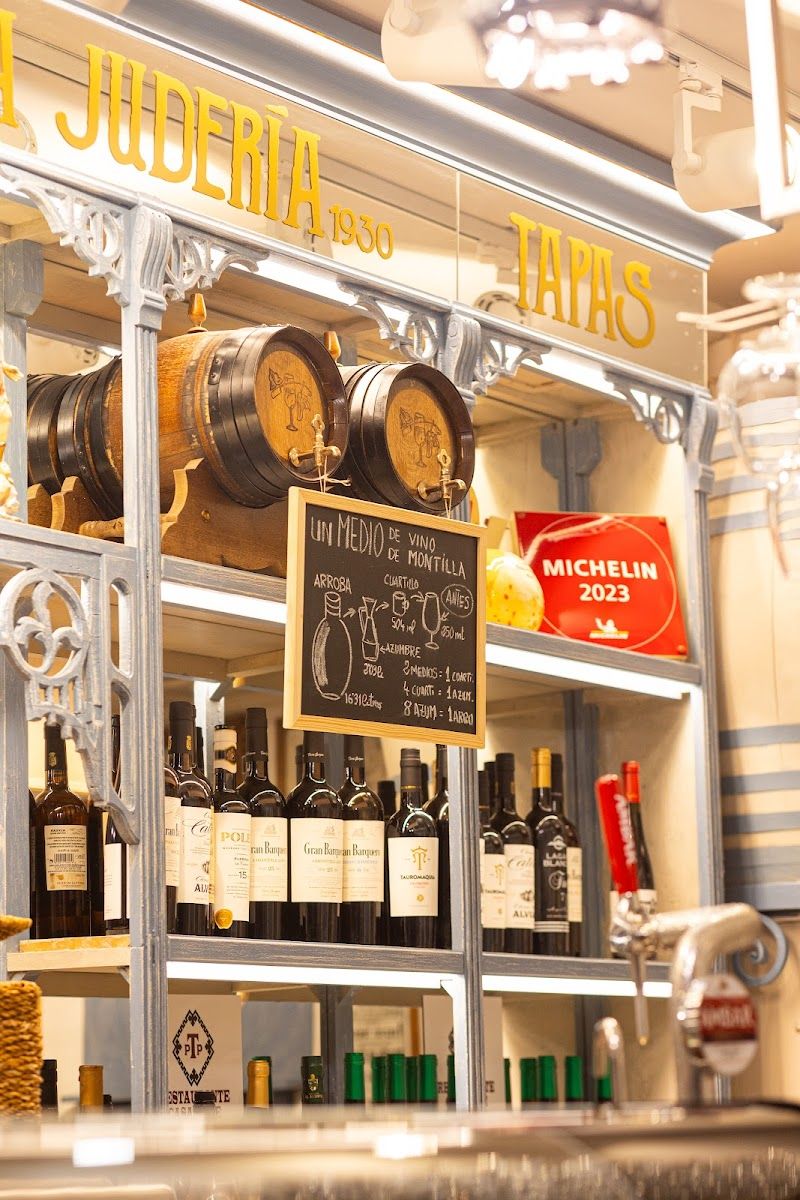
Casa Pepe de la Judería serves exemplary salmorejo in a restored 16th-century house near the Mezquita. Their version uses day-old bread from a local bakery and tomatoes from specific farms outside the city. The result justifies the EUR 6-8 price - this isn't the watery imitation served in tourist restaurants.
The best salmorejo appears on tables throughout Cordoba from April through October when local tomatoes reach peak ripeness. Restaurants that serve it year-round typically use greenhouse tomatoes that lack the intensity necessary for proper salmorejo.
Flamenquín: Cordoba's Comfort Food
Flamenquín cordobés - rolled pork loin stuffed with jamón and breaded - represents Cordoba comfort food at its finest. The dish requires precise technique: the pork must be pounded thin without tearing, rolled tightly, and fried at exactly the right temperature to achieve a golden crust while keeping the interior moist.
El Churrasco on Calle Romero has perfected the technique over decades. Their flamenquín costs EUR 12-18 and comes sliced to reveal the jamón spiral inside. The accompanying tomato sauce, made with local tomatoes and finished with sherry vinegar, provides necessary acidity to cut through the richness.
Many restaurants serve poor versions of flamenquín - dry, overcooked, or stuffed with processed ham. Quality establishments source jamón ibérico for the filling and serve the dish immediately after frying.
Rabo de Toro: From Bullring to Table
Rabo de toro (oxtail stew) connects directly to Cordoba's bullfighting tradition. Originally, taverns near the bullring would purchase oxtails from bulls killed that afternoon and braise them slowly overnight. The dish became a way to transform tough, inexpensive cuts into something luxurious through time and technique.
Bodegas Campos serves the definitive version in a restaurant that's operated since 1908. Their rabo de toro requires 4-5 hours of slow cooking with local wines, creating a sauce so concentrated it coats the spoon. The EUR 18-24 price reflects both the time investment and the quality of ingredients.
The dish appears on menus throughout Andalusia, but Cordoba versions typically include more wine in the braising liquid and often finish with a touch of Pedro Ximénez sherry that adds subtle sweetness.
Modern Gastronomy: Innovation Meets Tradition
Cordoba's modern restaurant scene respects tradition while pushing boundaries. These establishments source ingredients locally but apply contemporary techniques to create dishes that feel both familiar and surprising.
The New Generation
Several restaurants represent the evolution of cordoba culinary culture beyond traditional tabernas. These establishments maintain connections to local ingredients and traditional flavors while incorporating techniques from international cuisines.
Restaurants like Garum focus on Roman-era ingredients and cooking methods, reflecting Cordoba's 2,000-year history. Their tasting menu, priced around EUR 65-85 per person, includes dishes based on recipes from ancient Roman texts but executed with modern precision. The approach works because it connects directly to Cordoba's historical identity rather than chasing international trends.
Other modern establishments take different approaches. Some focus on elevated versions of traditional dishes, using premium ingredients and refined presentations. Others explore the intersection between Spanish and international cuisines, particularly influences from Latin America and North Africa that reflect historical connections.
The Role of Local Ingredients
Modern restaurants in Cordoba succeed when they build relationships with local producers. The surrounding countryside produces exceptional olive oil, wine from Montilla-Moriles, and vegetables that thrive in the Mediterranean climate.
The best contemporary restaurants source ingredients from the same suppliers used by traditional establishments. This connection to place prevents modern cuisine from becoming generic international food served in a Spanish city.
Neighborhood Food Cultures: Where to Eat by Area
Cordoba's food scene varies significantly by neighborhood, each offering different dining experiences and price points.
Mezquita & Judería: Tourist Central with s
The Mezquita & Judería neighborhood contains the highest concentration of restaurants but also the most tourist-oriented establishments. The key is knowing where locals eat versus where tour groups stop.
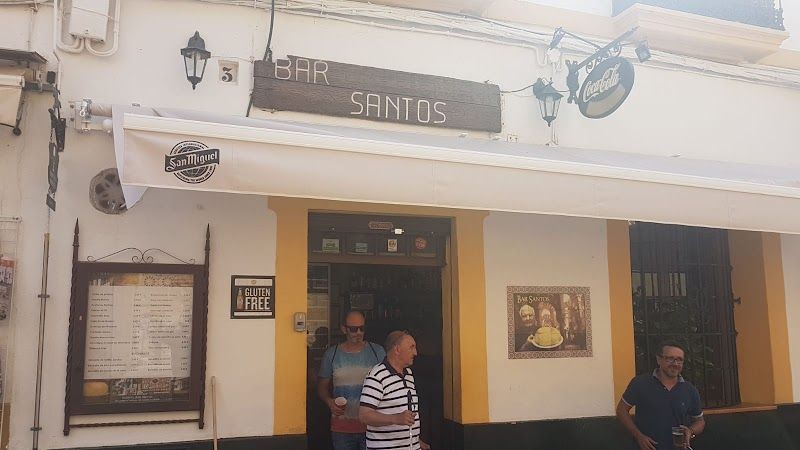
Bar Santos on Calle Magistral González Francés represents the neighborhood at its best. This tiny bar serves tortilla española that locals consider the city's finest. The EUR 3-4 portion comes thick and creamy, cooked to order rather than sitting under heat lamps. Arrive early - they often sell out by 2 PM.
Bodegas Mezquita offers a different experience in the same area. This wine-focused establishment serves traditional Andalusian dishes alongside wines from small producers throughout the region. The atmosphere feels authentically local despite the tourist location.
Avoid restaurants with multilingual menus or servers who approach you on the street near the Mezquita. These establishments typically serve mediocre food at inflated prices to tourists who won't return.
Plaza de la Corredera & Centro: Local Dining Hub
The Plaza de la Corredera & Centro area contains Cordoba's best concentration of restaurants serving locals rather than tourists. Prices average 20-30% lower than the Judería while food quality often exceeds tourist-area establishments.
Taberna La Montillana specializes in wines from nearby Montilla-Moriles DO alongside traditional tapas. Their wine selection includes bottles unavailable elsewhere in the city, particularly aged Pedro Ximénez sherries that pair beautifully with local cheeses.
The area around Plaza de la Corredera also contains several excellent breakfast spots serving proper tostada con tomate. These simple preparations - bread rubbed with tomato, drizzled with olive oil, and sprinkled with salt - cost EUR 2.5-4 and represent Spanish breakfast at its finest when executed properly.
Roman Bridge & Riverside: Quiet Dining
The Roman Bridge & Riverside neighborhood offers fewer dining options but includes several restaurants worth seeking out. This area attracts fewer tourists, resulting in more authentic local dining experiences.
Restaurants here typically serve larger portions at lower prices compared to the historic center. The focus remains on traditional Andalusian cuisine rather than innovation, but execution often surpasses more famous establishments in tourist areas.
Food Markets: Where Locals Shop and Eat
Mercado Victoria represents Cordoba's modern approach to food markets. Unlike traditional markets focused on shopping, Victoria emphasizes eating with stalls serving prepared foods ranging from traditional tapas to international cuisines.
The market operates daily and stays open later than traditional establishments, making it useful for visitors whose schedules don't align with Spanish dining hours. Quality varies by stall, but several serve food that rivals standalone restaurants at lower prices.
Prices at Mercado Victoria typically range from EUR 4-12 per dish, making it an excellent option for budget-conscious travelers who still want quality food. The market also provides exposure to Cordoba ingredients and preparations that might not appear in traditional restaurants.
Dining Customs and Practical Advice
Understanding cordoba dining culture enhances any food experience in the city. Meals happen later than in most European cities: lunch from 2 PM to 4 PM, dinner after 9 PM. Restaurants that serve full meals outside these hours typically cater to tourists.
Tapas culture remains strong in Cordoba. Many bars automatically serve a small plate with each drink - this isn't a tourist gimmick but a genuine local custom. The quality of these free tapas often indicates the overall quality of the establishment.
When ordering wine, ask for local options from Montilla-Moriles rather than more famous regions. These wines pair better with local cuisine and cost significantly less. A glass typically costs EUR 2.5-5 compared to EUR 6-8 for wines from Rioja or Ribera del Duero.
Price Guidelines and Value
Cordoba offers excellent dining value compared to Madrid or Barcelona. A proper meal including wine costs EUR 25-40 per person at mid-range restaurants, while budget options like menú del día provide three courses and a drink for EUR 12-18.
The best value comes from eating where locals eat rather than in tourist zones. Restaurants near the Mezquita charge premium prices for location rather than food quality. Walking five minutes away from major tourist sites typically reduces meal costs by 30-40% while improving food quality.
Coffee costs EUR 1.2-2.5 depending on location and service style - standing at the bar costs less than table service. Beer runs EUR 2-3.5 for a caña (small glass), while local wines start at EUR 2.5-5 per glass.
Upscale dining experiences cost EUR 50-85 per person including wine. These prices buy access to innovative cuisine and premium ingredients but don't necessarily provide better value than traditional establishments.
Planning Your Cordoba Food Experience
The cordoba food scene rewards planning and local knowledge. Make reservations at highly regarded traditional restaurants, especially Taberna Salinas and Bodegas Campos, which fill up with locals during peak dining hours.
Consider timing visits around seasonal ingredients. Salmorejo reaches peak quality from June through September when local tomatoes are at their best. Spring brings asparagus and artichokes to menus, while fall features game dishes and new wine releases.
For visitors staying 2-3 days, balance traditional and modern experiences. Spend one meal at a historic taberna, another at a contemporary restaurant, and save at least one lunch for a proper menú del día at a neighborhood restaurant away from tourist areas.
The city's compact size makes food crawling feasible - you can easily walk between restaurants in different neighborhoods. This approach lets you experience the full range of Cordoba's culinary offerings while working off the considerable quantities of food involved.
Cordoba's food scene succeeds because it remains rooted in place and tradition while embracing quality and innovation. Whether you're seeking the perfect salmorejo, expertly braised oxtail, or contemporary interpretations of Andalusian cuisine, the city provides options that satisfy both curiosity and appetite. The key is approaching meals with respect for local customs and timing - do that, and Cordoba will feed you remarkably well.