A Cordoba food tour isn't just about eating - it's about understanding how 1,300 years of Islamic, Jewish, and Christian influences created Spain's most distinctive regional cuisine. While other Andalusian cities serve excellent food, Cordoba's kitchen tells the story of Al-Andalus through dishes you can't find anywhere else.
Self-Guided Cordoba Food Tour Routes
The Classic Juderia Food Walk
Start your Cordoba food tour at the Mezquita-Catedral at 9 AM, then work your way through the narrow streets of the Jewish Quarter. The route takes 3-4 hours and covers the essential tastes of Cordoba.
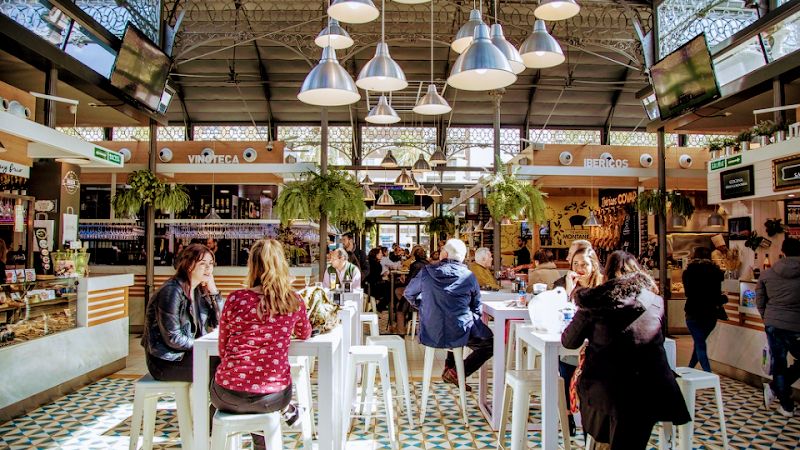
Begin at Mercado Victoria (Jardines de la Victoria), Cordoba's modern food market housed in a Belle Epoque pavilion. Unlike traditional markets, this operates as a gourmet food court where each stall serves prepared dishes. Try the salmorejo (EUR 4-8) at any of the three stalls that serve it - locals argue endlessly about which is best, but all three understand the proper texture should coat a spoon.
Walk to Casa Pepe de la Judería (Calle Romero 1) for your first proper tapa. Order the flamenquín cordobés (EUR 12-18), Cordoba's signature dish that looks like an oversized croquette but contains ham and pork loin rolled in breadcrumbs. Casa Pepe's version uses jamón ibérico and costs EUR 16, making it expensive but worth understanding why locals consider this the definitive preparation.
Continue to Bar Santos (Calle Magistral González Francés 3) for tortilla española, but Santos does something different - they add salmorejo to the potato mixture. This sounds like fusion nonsense but works because both dishes share the same Andalusian DNA. A portion costs EUR 4.5 with a beer.
Bodegas Mezquita (Calle Corregidor Luis de la Cerda 73) serves the city's best rabo de toro (EUR 16-24), Cordoba's other signature dish. The oxtail stew originated here when the city's bullfighting tradition was at its peak. Mezquita slow-cooks theirs for 6 hours until the meat falls apart, and they serve it with the original recipe that includes a splash of Montilla-Moriles wine.
End at El Churrasco (Calle Romero 16) for dessert. Their pestiños (honey-drizzled pastries) cost EUR 3.5 and represent the final Islamic influence on Cordoban cuisine - these existed during the Caliphate and survived the Reconquista unchanged.
Plaza de la Corredera Market Circuit
The Plaza de la Corredera route focuses on traditional tabernas that locals frequent daily. Start at 7 PM when tapas culture peaks.
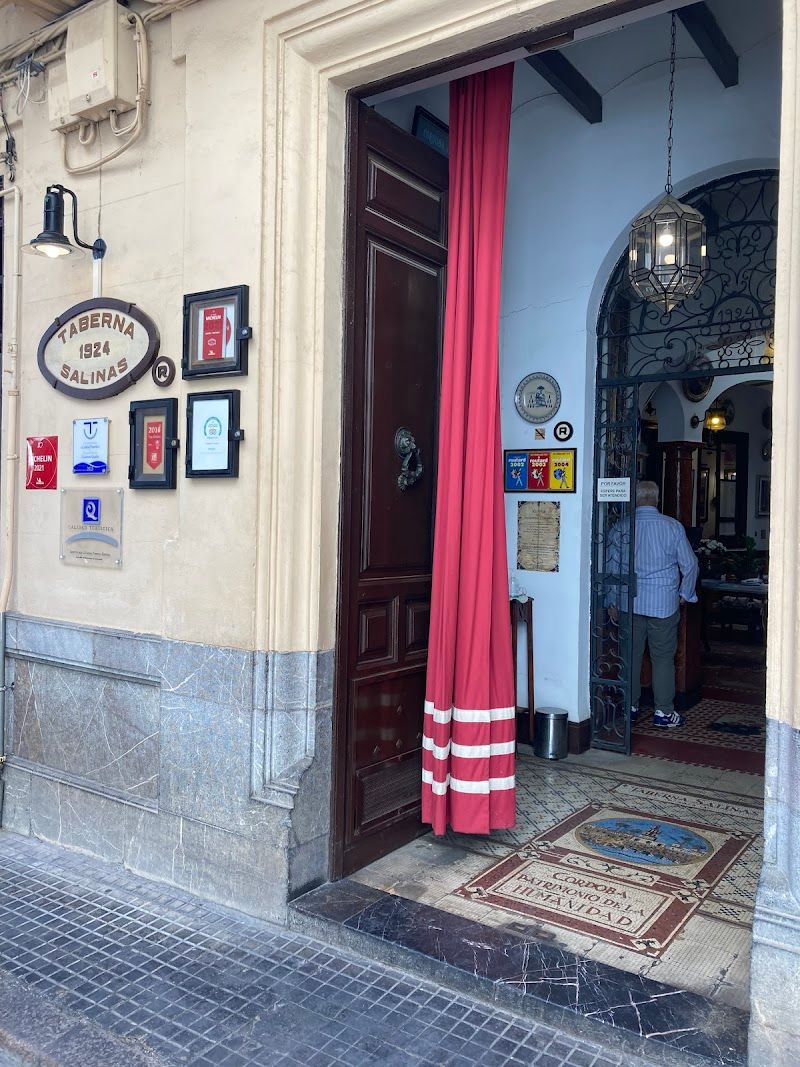
Taberna Salinas (Calle Tundidores 3) opened in 1879 and hasn't changed the menu since. Their berenjenas con miel (fried eggplant with honey, EUR 5.5) demonstrates Cordoba's Moorish heritage better than any history book. The preparation technique - salting the eggplant, frying in olive oil, then drizzling with local honey - follows an 11th-century recipe.
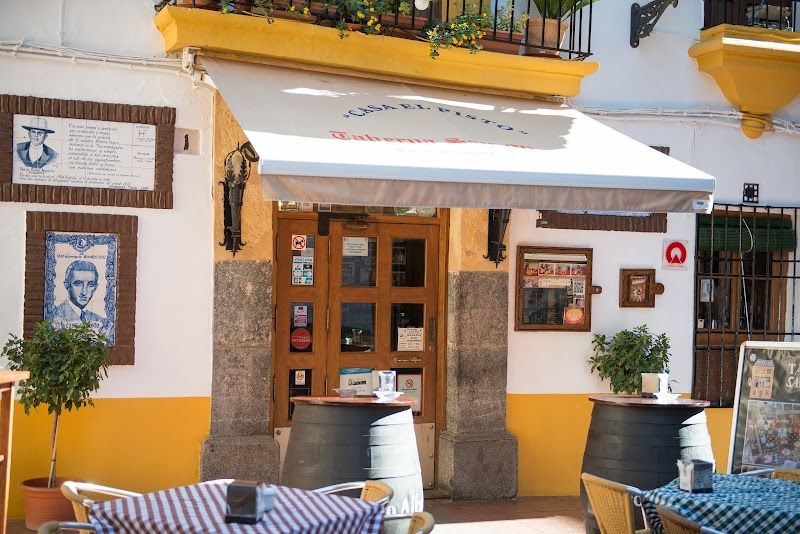
Taberna San Miguel - Casa El Pisto (Plaza San Miguel 1) specializes in pisto cordobés, which differs from regular pisto by adding chunks of fried bread. A full portion costs EUR 8 and works as a light dinner when paired with Montilla-Moriles wine (EUR 2.5-5 per glass).
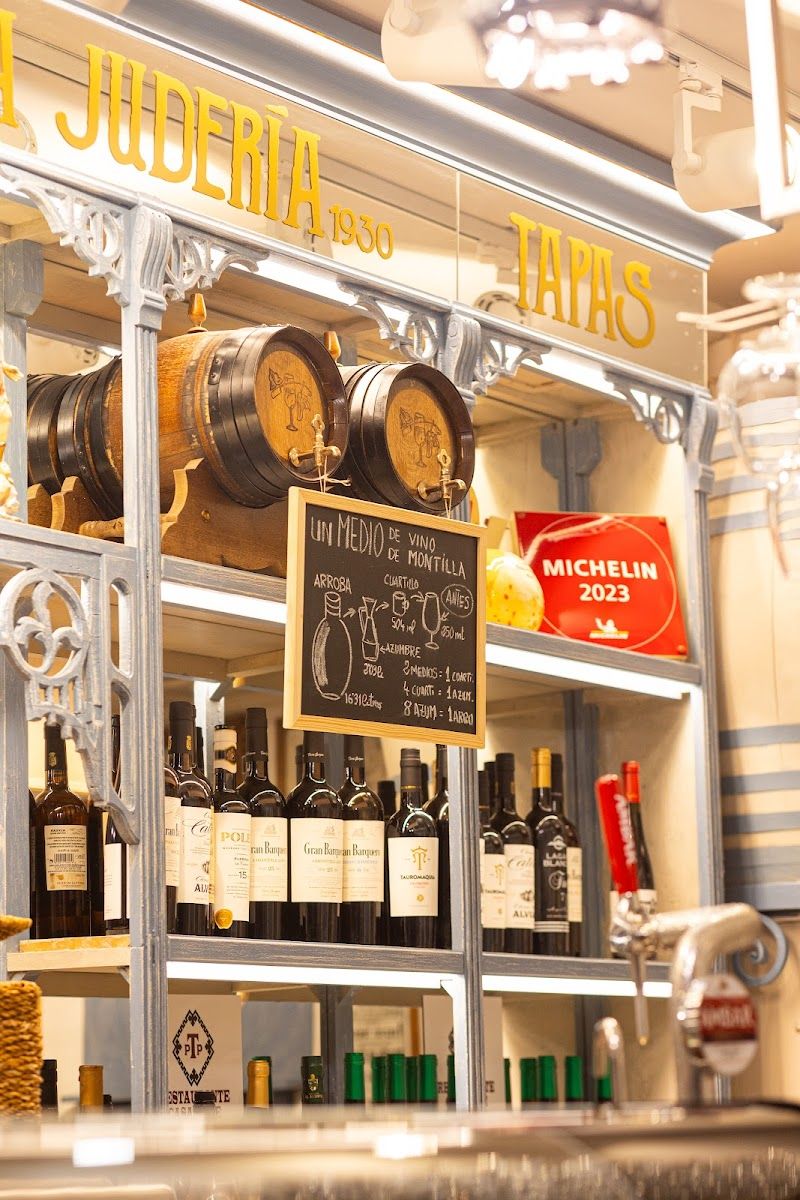
Taberna La Montillana (Calle Cruz del Rastro 3) serves only products from Montilla-Moriles DO, the local wine region that produces sherry-style wines using the solera system. Order a tabla de quesos (EUR 12) featuring Cabrales, Manchego, and local goat cheese, paired with their amontillado (EUR 4 per glass).
Finish at Bodegas Campos (Calle Los Lineros 32), a century-old restaurant that doubles as a wine merchant. Their jamón ibérico de bellota costs EUR 24 for 100g, expensive but representing the pinnacle of Spanish ham production. The pigs feed on acorns in Cordoba province, giving the meat its distinctive nutty flavor.
Cordoba Food Market Tours
Mercado de la Corredera Morning Walk
The Mercado de la Corredera (Plaza de la Corredera) operates Tuesday through Saturday from 9 AM to 2 PM. This traditional market serves locals, not tourists, making it ideal for understanding daily Cordoban eating habits.
Start at the olive stall run by the Núñez family, who've sold olives here for 40 years. They offer 15 varieties, including the local hojiblanca olives that grow only in Cordoba province. A 500g container costs EUR 3.5 and makes an excellent souvenir that won't spoil.
The cheese stall stocks torta del casar, a sheep's milk cheese from nearby Extremadura that's eaten by cutting the top and scooping out the creamy interior with bread. At EUR 18 per wheel, it's expensive but demonstrates how Cordoba's position on ancient trade routes brought flavors from across Iberia.
Visit the spice vendor who sells pimentón de la Vera (smoked paprika) in five different intensities. The dulce (sweet) version costs EUR 4 per 100g container and appears in nearly every Cordoban recipe. The vendor will explain how the peppers are smoked over oak fires for weeks, creating the distinctive flavor that defines Spanish cuisine.
The jamón stall offers tastings of different grades - jamón serrano (EUR 18 per kg), jamón ibérico de cebo (EUR 32 per kg), and jamón ibérico de bellota (EUR 65 per kg). The price differences reflect feeding methods and curing time, with bellota representing 24-48 months of aging.
Specialty Food Shops Walking Route
Cordoba's specialized food shops cluster around Calle Cruz Conde and offer products you won't find elsewhere.
Ultramarinos Corredera (Calle Rodríguez Marín 4) stocks membrillo de Puente Genil, quince paste from a nearby town that's been making it since the 16th century. At EUR 4.5 per 400g jar, it pairs perfectly with Manchego cheese and demonstrates how Cordoba's location connected it to regional specialties.
Casa de los Ibéricos (Calle Jesús y María 2) specializes in charcuterie from small producers across Andalusia. Their morcilla de Ronda (black pudding, EUR 12 per kg) includes rice and pine nuts, showing Islamic influence on Spanish sausage-making.
Confitería La Estrella (Calle Eduardo Lucena 2) makes pastel cordobés, a flaky pastry filled with cabello de ángel (pumpkin jam) that costs EUR 1.8 per piece. The recipe dates to the 18th century when convents supplied the city's desserts.
Essential Cordoba Food Specialties
Understanding Salmorejo
Salmorejo originated in Cordoba and differs significantly from gazpacho. While gazpacho contains multiple vegetables, salmorejo uses only tomatoes, bread, garlic, olive oil, and salt. The proper consistency should coat a spoon but pour smoothly - too thick and it becomes baby food, too thin and it's just tomato soup.
The best salmorejo costs EUR 4-8 at traditional establishments. Bar Santos serves it as a side with their tortilla, while Taberna Salinas offers it as a starter garnished with hard-boiled egg and jamón ibérico. The temperature matters - proper salmorejo is served very cold but not frozen.
Montilla-Moriles Wine Region
Cordoba sits within the Montilla-Moriles DO, which produces sherry-style wines using Pedro Ximénez grapes instead of the palomino used in Jerez. The wines undergo the same solera aging system but achieve higher natural alcohol levels due to Cordoba's intense summer heat.
Local bars serve Montilla-Moriles wines for EUR 2.5-5 per glass, significantly cheaper than imported sherries. The fino style works perfectly with fried fish, while the amontillado pairs with jamón ibérico. Sweet Pedro Ximénez wine (EUR 4-6 per glass) accompanies desserts or stands alone as dessert.
Flamenquín Cordobés Decoded
Flamenquín appears throughout Andalusia, but the Cordoba version follows specific rules. The pork loin must be pounded thin, then wrapped around jamón ibérico or jamón serrano. The entire roll gets coated in beaten egg, then breadcrumbs, before deep frying until golden.
Quality varies dramatically based on ingredients. Cheap versions (EUR 12) use regular ham and pork shoulder. Premium versions (EUR 16-18) feature jamón ibérico de bellota and pork loin from Iberian pigs. The difference in flavor justifies the price increase.
Patio Dining Experiences
Cordoba's patio culture creates unique dining atmospheres unavailable elsewhere. Many restaurants occupy converted houses with interior courtyards decorated with azulejo tiles, fountains, and hanging plants.
Casa Rubio (Calle Cardenal González 25) operates in a 16th-century mansion with three connected patios. Their menú del día (EUR 12-18) includes salmorejo, a main course, and dessert, served in surroundings that epitomize Cordoban domestic architecture.
The Palacio de Viana contains 12 different patios, each representing a different historical period. While primarily a museum (EUR 12 entrance), understanding patio design helps appreciate restaurant settings throughout the city.
During May's Patio Festival, private patios open to the public, many serving simple tapas and drinks. This provides insight into how locals use these spaces for informal dining and socializing.
Practical Information for Food Tours
Timing Your Food Tour
Spanish eating schedules confuse visitors, but following local timing improves the experience significantly. Breakfast happens from 7-10 AM and consists of tostada con tomate (EUR 2.5-4) with coffee (EUR 1.2-2.5). Mid-morning tapas occur from 11 AM-1 PM.
Lunch, the main meal, runs from 2-4 PM. Many restaurants offer menú del día (EUR 12-18) during these hours only. Evening tapas begin around 7 PM and continue until 10 PM, when dinner service starts.
Sunday presents challenges since many traditional tabernas close. Plan food tours for Tuesday through Saturday when all establishments operate normally.
Budget Breakdown
A self-guided Cordoba food tour costs EUR 35-50 per person for a full day including breakfast, multiple tapas stops, and dinner. Budget breakdown:
- Breakfast (tostada con tomate + coffee): EUR 4-6
- Morning market visit with purchases: EUR 8-12
- Lunch tapas (3-4 different bars): EUR 15-20
- Afternoon wine tasting: EUR 8-12
- Dinner at traditional taberna: EUR 25-35
Mid-range food experiences cost EUR 60-85 per person, while upscale dining reaches EUR 100-130 per person daily.
Getting Between Food Stops
Cordoba's historic center spans roughly 1.5 km, making all food tour locations walkable. The Juderia contains the highest concentration of traditional establishments within a 500-meter radius.
Street parking costs EUR 1 per hour in blue zones, but walking eliminates driving between wine tastings. City buses (EUR 1.3 per ride) connect neighborhoods, though the 10-trip card (EUR 8.5) offers better value for longer stays.
Beyond the Tourist Trail
Local Food Festivals
May's Festival de los Patios includes impromptu tapas services in private courtyards. While not formal restaurants, these temporary setups offer authentic home cooking unavailable elsewhere.
October's Feria del Caballo features casetas (temporary structures) serving regional specialties. Many are private and require invitations, but some welcome visitors who demonstrate genuine interest in local food culture.
Neighborhood Food Scenes
The Santa Marina area contains working-class tabernas that tourists rarely discover. Bar La Mezquita (Calle Santa Marina 8) serves rabo de toro for EUR 14, EUR 2-4 cheaper than touristy establishments, with identical quality.
Plaza de la Corredera hosts a Saturday morning farmers market where local producers sell directly to consumers. Prices run 20-30% below regular retail, and vendors offer tastings of seasonal specialties.
Making the Most of Your Cordoba Food Tour
Success in Cordoba's food scene requires understanding that meals are social events, not fuel stops. Locals spend 2-3 hours over lunch, discussing everything from politics to football while sharing multiple small plates.
Barmen expect you to order drinks with tapas - asking for food without beverages marks you as a tourist. A caña (small beer, EUR 2-3.5) or glass of wine (EUR 2.5-5) accompanies each tapa.
Many establishments don't accept credit cards for small purchases. Carry cash for tapas bars, while formal restaurants accept cards for larger bills.
Language barriers rarely prevent ordering since most traditional dishes appear on printed menus with descriptions. Pointing works when pronunciation fails, and Cordobans appreciate attempts to speak Spanish, however basic.
For comprehensive guidance on planning your visit, check our complete Cordoba first-time guide and detailed food recommendations to pair with your food tour adventure.