Copenhagen
Nyhavn canals, the city that made New Nordic food famous, more bikes than people, and smorrebrod that counts as art
About Copenhagen
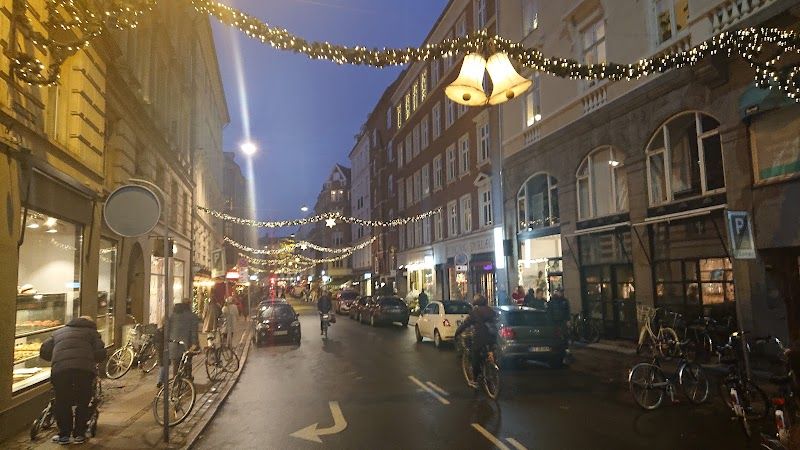
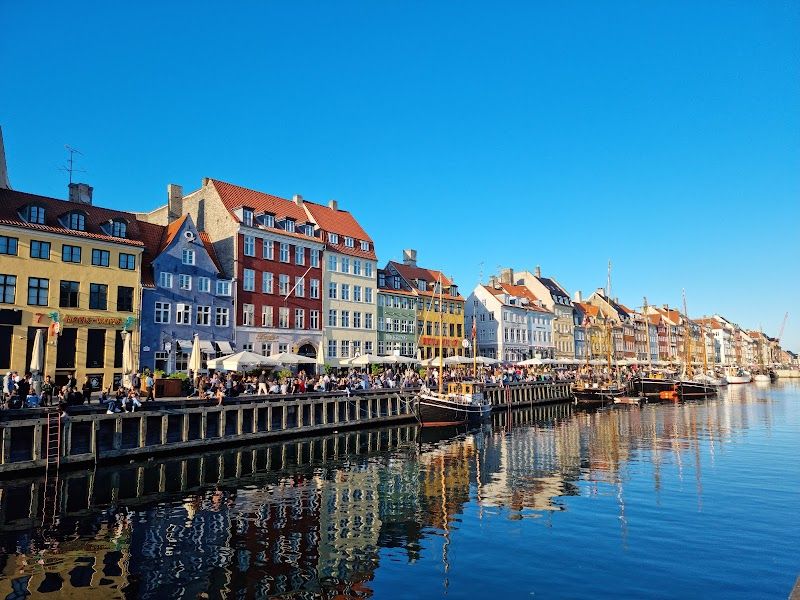
Copenhagen is the city that made Scandinavian design a religion and New Nordic food a global movement, then kept cycling to work like nothing happened. The city is flat, compact, and built around canals and harbours that turn golden in the long summer evenings when the sun does not set until 10 PM. Nyhavn is the postcard: coloured townhouses lining a canal filled with old wooden boats, and yes it is touristy, but it is also genuinely beautiful and the Danes drink beer there on summer evenings because they like it, not because a guidebook told them to.
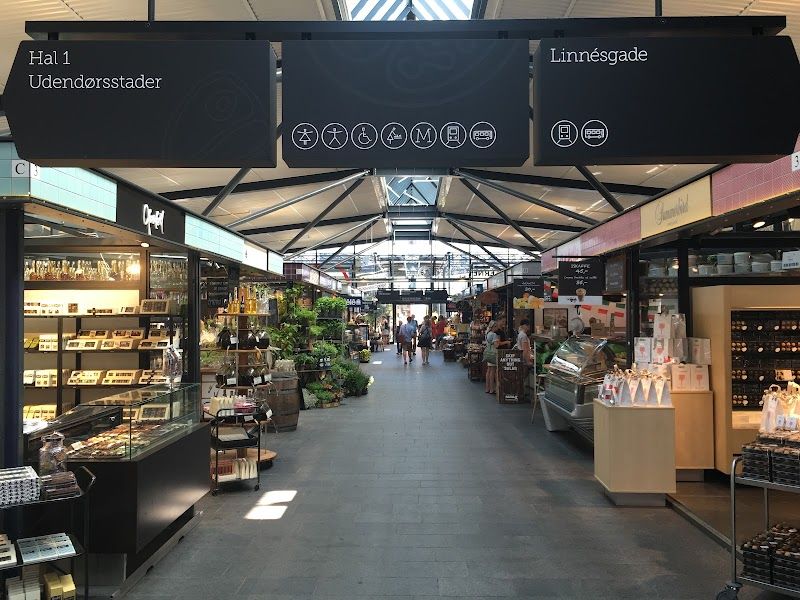
The food scene that Noma built has spread across the city. You do not need to spend DKK 3,000 on a tasting menu to eat well here, though you can. A smorrebrod (open sandwich) at a proper lunch place costs DKK 80-120 per piece and is a complete meal if you order two. A hot dog from a polsevogn (street cart) costs DKK 40-50 and is the Danish street food that locals actually eat. Torvehallerne (the glass food market near Norrehavn) has everything from fresh oysters to coffee to gourmet porridge, and DKK 150-200 buys a proper market lunch. The craft beer scene is driven by Mikkeller, which started here and now has bars worldwide, but a Carlsberg at a neighbourhood bodega still costs DKK 40 and nobody judges you.
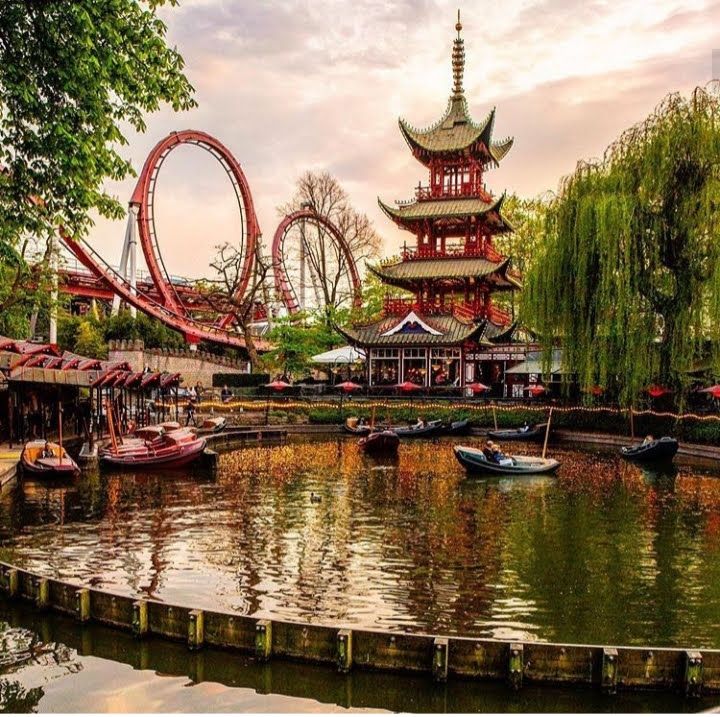
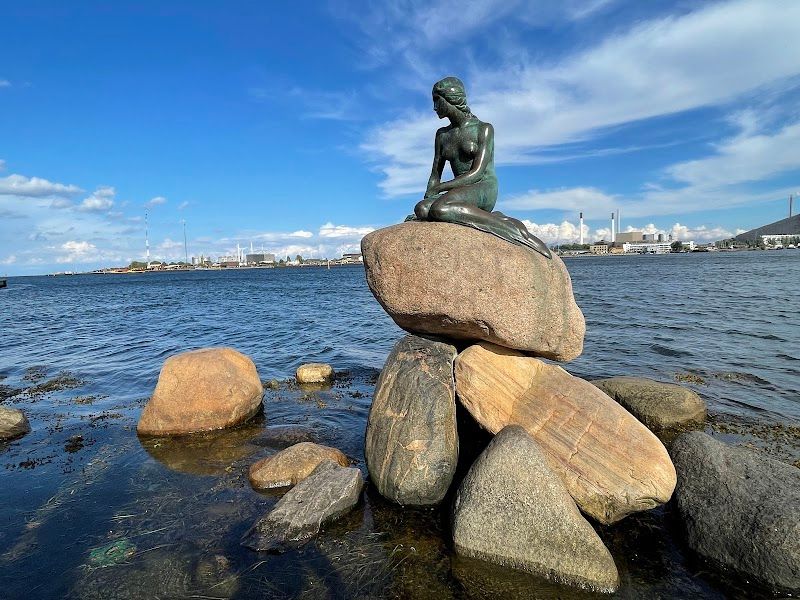
The city is built for bikes. There are more bikes than people, the infrastructure is so good that cycling feels safer than walking, and you can rent a city bike for DKK 30-50 per day. Tivoli Gardens (DKK 155 entry, rides extra) is the amusement park that Walt Disney visited before building Disneyland, and it is somehow both kitschy and charming, especially at night when the lights come on. The Little Mermaid statue is small, underwhelming, and the most visited attraction in Denmark, which tells you everything about the gap between expectation and reality in tourism. Spend your time in Christiania (the freetown), Frederiksberg Gardens, and the museums instead.
Pick your base
Stay in Copenhagen
Real-time pricing across hotels, apartments, and ryokans. Book direct from the map.
Things to do in Copenhagen
Experiences worth booking ahead
Vetted tours and tickets we'd send a friend to. The ones worth reserving before you arrive.
Travel guides
From the blog
Practical bits, answered
Copenhagen is expensive but manageable with the right approach. A beer at a bar costs DKK 60-80 (roughly EUR 8-11), a sit-down restaurant dinner runs DKK 300-500 per person, and museum entries are DKK 100-200. The strategies that work: eat smorrebrod at a lunch restaurant rather than a dinner restaurant (DKK 80-120 per piece, two pieces is a meal, a third is generous), use Torvehallerne food market for DKK 150-200 market lunches, get a hot dog from a polsevogn street cart for DKK 40-50 (this is real local street food, not a tourist trap), and drink at a neighbourhood bodega rather than a trendy bar. The Copenhagen Card (DKK 469 for 48 hours) covers 80+ museums and all public transport and is worth buying if you plan to visit three or more paid attractions per day.
Noma closed its regular restaurant in 2024 to focus on other projects, but the New Nordic influence means the city has dozens of excellent restaurants at various price points. At the top end (DKK 800-2,000+ for a tasting menu), you need to book weeks or months in advance: Geranium, Alchemist, and the restaurants that have absorbed Noma alumni are all in this category. For mid-range dining (DKK 200-400 per person for a full dinner), a week ahead is usually sufficient in summer and 2-3 days in spring and autumn. Torvehallerne market has no bookings required and provides excellent food at DKK 80-180 per item.
Yes, rent a bike. Copenhagen is flat, has dedicated cycle lanes on virtually every road, and cycling between neighbourhoods is faster and more pleasant than any other option. City bike rental costs DKK 30-50 per day from most hotels and dedicated rental points. The city centre (Indre By, Nyhavn, Vesterbro, Christianshavn) is compact enough to cycle between all of them in under 15 minutes. The Metro runs two lines and covers the main tourist areas (Norreport, Kongens Nytorv, the airport): a single fare is DKK 26. The Copenhagen Card includes all public transport. Taxis exist but are expensive (DKK 50 minimum, DKK 100-200 across the city). Christiania is a 10-minute cycle from Nyhavn.
Let DAIZ plan your Copenhagen days
Tell us how long you've got and what you're into. We'll build a day-by-day plan, with the bookable bits ready to lock in.