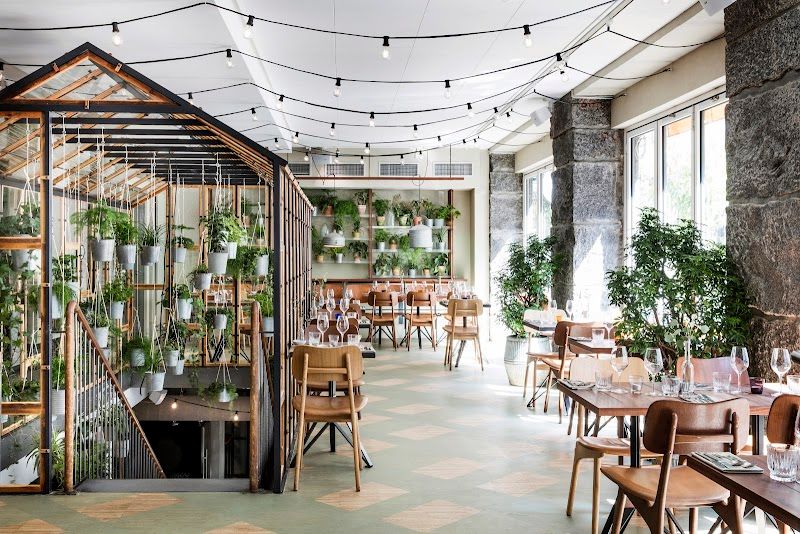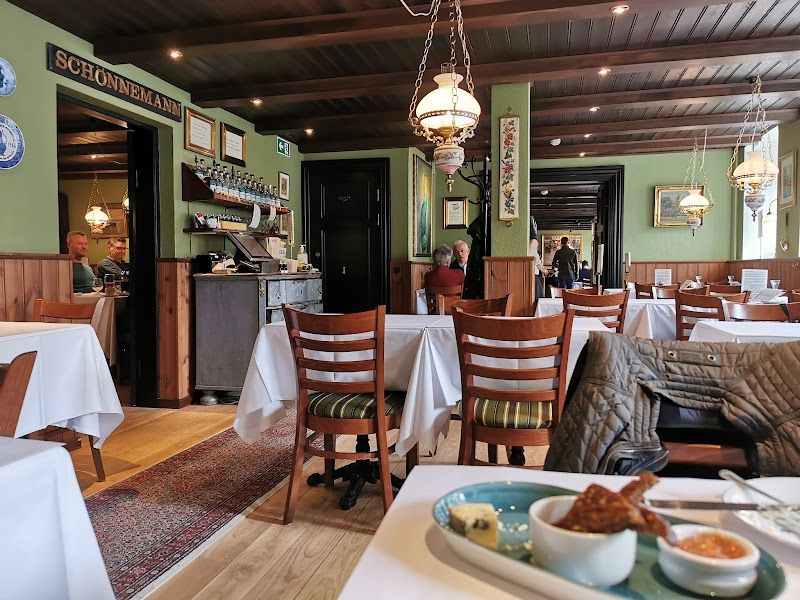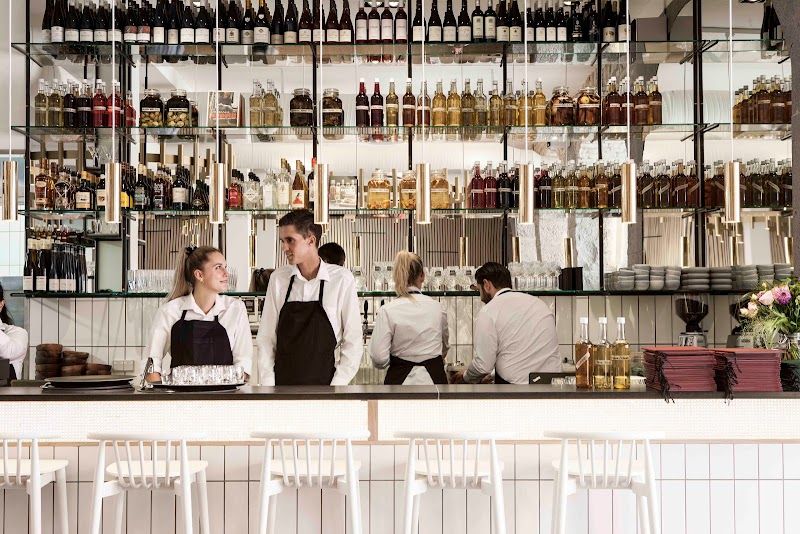
Copenhagen's food scene transformed dramatically after Noma put the city on the culinary map, but you don't need to drop DKK 3,000 on a tasting menu to eat exceptionally well here. The real action happens in the city's food halls and collectives, where local chefs test new concepts, immigrants share their home cuisines, and Copenhageners grab lunch between meetings.
The copenhagen food collective scene represents something distinctly Danish: democratic access to good food. These aren't just food courts with chain restaurants, but carefully curated spaces where young chefs experiment, established restaurateurs try casual concepts, and the city's diverse communities showcase their culinary traditions.
Reffen: Copenhagen's Harborfront Food Collective
Reffen sits on Refshaleøen, a former industrial island that's become Copenhagen's coolest district. This massive outdoor food market operates from April through October and feels more like a festival than a food court. The setting alone justifies the trip: shipping containers converted into kitchens face Copenhagen's harbor, with the city skyline stretching across the water.
Getting there requires planning. Take bus 9A from Kongens Nytorv (the stop near Nyhavn Canal) directly to Reffen, or cycle across the harbor bridge from Christianshavn. The bus runs every 10-15 minutes and takes about 20 minutes from the city center.
What Makes Reffen Special
Reffen houses over 50 food stalls, but the quality varies dramatically. The best vendors here rival Copenhagen's established restaurants, while others serve overpriced tourist food. The key is knowing which stalls locals frequent.
Pop's Dumplings draws lines of Copenhageners for handmade Korean mandu. The owner worked at Michelin-starred restaurants before opening here, and it shows in the precise pleating and complex broths. A portion of six dumplings costs DKK 95, which seems steep until you taste them.
Mama's Shawarma serves the best Middle Eastern food at any copenhagen food court. The owner fled Syria and recreates his grandmother's recipes using Danish ingredients. The lamb shawarma (DKK 110) comes with bread baked fresh every two hours.
Avoid the pizza and burger stalls entirely. These exist for tourists who want familiar food in an exotic setting. The Vietnamese pho stall, despite long lines, serves watery broth and overcooked noodles.
Practical Details for Reffen
Reffen operates Tuesday through Sunday from late April through early October. Opening hours are 11:00-22:00 during summer months, but many stalls close by 20:00 on weekdays. Come before 18:00 for the full selection.
Expect to spend DKK 80-120 per meal, plus drinks. Beer costs DKK 50-70, typical for Copenhagen but expensive by international standards. You can bring your own drinks, though this isn't advertised.
The waterfront location means it's windy and cold even on sunny days. Dress warmly and arrive hungry because walking between stalls while smelling everything builds an appetite quickly.
Torvehallerne: Copenhagen's Gourmet Food Hall
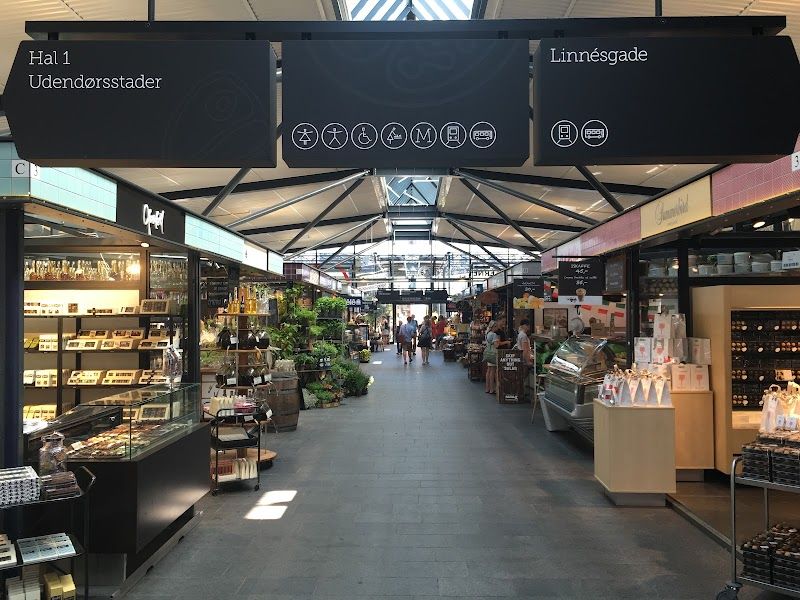
Torvehallerne represents the upscale end of Copenhagen's food hall scene. Located beside Nørreport Station in Indre By, these two glass halls house some of the city's most respected food vendors alongside tourist-focused shops selling Danish design objects.
The location is unbeatable. Nørreport connects to every major transportation line, making Torvehallerne accessible from anywhere in Copenhagen. The Metro, S-trains, buses, and regional trains all stop here.
Navigating Torvehallerne Like a Local
Torvehallerne splits into two connected halls. The northern hall focuses on prepared foods and has seating areas, while the southern hall emphasizes fresh produce, cheese, and specialty ingredients. Locals shop in the morning and eat lunch after 12:00.
Grød serves Denmark's best porridge from a tiny stall in the northern hall. This sounds ridiculous until you try their savory versions topped with roasted vegetables and poached eggs (DKK 85). They've expanded to multiple locations across Copenhagen, but this original stall maintains the highest quality.
Hallernes Smørrebrød prepares traditional open sandwiches using ingredients sourced entirely from other Torvehallerne vendors. The roast beef with horseradish and crispy onions (DKK 95) showcases why smørrebrød became a Danish institution. For a complete guide to Copenhagen's best traditional foods, check out our comprehensive smørrebrød guide.
Skip the coffee stalls. Despite the hype, Torvehallerne's coffee vendors charge premium prices (DKK 45-55) for average espresso. Walk five minutes to Jægersborggade in Nørrebro for better coffee at lower prices.
Shopping vs. Eating at Torvehallerne
Torvehallerne functions as both a food hall and gourmet market. The cheese vendors, particularly Unika Oste, source exceptional Danish and international cheeses. A selection of three Danish cheeses costs approximately DKK 150-200, picnics in Kongens Have.
The seafood stalls sell incredibly fresh fish, but prices reflect Copenhagen's status as an expensive city. Expect to pay approximately DKK 200-300 per kilogram for quality fish.
Paper Island Food Market: Copenhagen's Lost Food Collective
Paper Island (Papirøen) deserves mention because many online guides still recommend it, but the original food market closed in 2018. The island now hosts Copenhagen Street Food, a smaller operation with limited hours and fewer vendors.
Don't make the journey specifically for food. The current operation lacks the energy and variety that made the original Paper Island special. If you're already visiting Christianshavn, it's worth a quick look, but Reffen or Torvehallerne offer better experiences.
Neighborhood Food Collectives: Hidden Copenhagen Gems
Vesterbro's Food Scene
While Vesterbro doesn't have a large food hall, the neighborhood hosts several smaller food collectives. Kødbyen (the Meatpacking District) houses experimental restaurants and pop-up food concepts in former slaughterhouses.
Warehouse 9 occasionally hosts food markets featuring local producers and young chefs. These events happen irregularly, typically on weekends, and attract Copenhagen's food-conscious residents. Check social media for announcements, as traditional advertising doesn't reach the target audience.
Værnedamsvej functions as an outdoor food collective, with specialty shops, cafes, and small restaurants lining this short street. The concentration of quality food options creates a market-like atmosphere without formal organization.
Nørrebro's Diverse Food Culture
Nørrebro's multicultural population created an informal food collective along Nørrebrogade and the surrounding streets. Turkish kebab shops, Pakistani restaurants, and Ethiopian cafes operate alongside Danish bakeries and contemporary bistros.
This isn't a organized food hall but represents copenhagen local food culture at its most authentic. Immigrants who moved to Copenhagen decades ago still run many of these establishments, creating flavors impossible to find in formal food halls.
Istanbul Burger on Nørrebrogade serves the city's best döner kebab (approximately DKK 60-80). The owner imports spices directly from Turkey and slow-cooks meat for hours. Lines of locals, not tourists, form during lunch hours.
Copenhagen Food Courts vs. Food Collectives: Understanding the Difference
Copenhagen uses "food collective" to describe community-focused food halls where vendors often know each other and coordinate offerings. Traditional copenhagen food court suggests a more commercial, mall-like environment.
Food collectives emphasize local producers and experimental cuisine. Vendors typically lease space for shorter terms, allowing rapid concept changes and seasonal menus. This creates energy and unpredictability absent from static food courts.
Food courts focus on consistency and familiar options. Field's shopping center houses Copenhagen's most traditional food court, with international chains and predictable menus. It serves a purpose for families with children or travelers seeking familiar flavors, but offers nothing distinctly Copenhagen.
Seasonal Considerations for Copenhagen Food Halls
Copenhagen's climate dramatically affects food hall experiences. Summer transforms outdoor venues like Reffen into festival-like celebrations, while winter forces everyone indoors to places like Torvehallerne.
May through September represents peak season for outdoor food markets. Reffen operates extended hours, pop-up markets appear in parks, and harbor-side eating becomes pleasant rather than endurance testing.
Winter food hall culture runs deeper but requires local knowledge. Copenhageners gather in heated indoor spaces, creating cozy atmospheres that compensate for shorter days and harsh weather. Torvehallerne becomes particularly social during winter months.
Budget Strategies for Copenhagen Food Halls
Copenhagen's expensive reputation is well-earned, but food halls offer better value than sit-down restaurants. Plan to spend DKK 80-120 per meal at food halls, compared to DKK 350-500 for restaurant dinners.
Maximizing Food Hall Value
Share dishes between multiple people. Many food hall portions are sized for sharing, though this isn't obviously advertised. Two people can easily share three dishes and feel satisfied while reducing costs.
Avoid beverages when possible. Water costs DKK 15-25 for a small bottle, and beer runs DKK 50-70. Tap water is safe and free throughout Copenhagen, though asking for it at food halls feels awkward.
Time visits strategically. Some vendors offer lunch specials or reduce prices during slower periods. Reffen particularly becomes cheaper after 19:00 when vendors want to clear inventory.
Getting Around Copenhagen's Food Scene
Copenhagen's compact size makes food hall hopping practical within a single day. The Metro, buses, and bikes connect all major food destinations efficiently.
Cycling between food halls represents the most Danish approach. Copenhagen's bike infrastructure makes this practical even for visitors. City bikes cost approximately DKK 25 per hour and handle distances between Torvehallerne and Reffen easily.
Public transportation works well for longer distances. A single ticket (DKK 27) covers travel between any food hall and the city center with one hour of validity including transfers.
Bookable Tours for Copenhagen's Food Neighborhoods
If you want a guided way into this scene, both of these are listed on our activity pages:
- Culinary Classroom by Food Walk is a 3-hour hands-on cooking class built around Danish classics: you select ingredients at the market, then prepare smørrebrød and traditional pastries and sit down to eat what you made. Instructors fold in stories about Danish food culture and New Nordic influences.
- Copenhagen Bicycles runs a 3-hour guided ride from Christiania to the Islands Brygge waterfront through residential Nørrebro, the same neighborhood whose food culture is covered above, with stops at local cafés along the way. Groups stay at 8 to 12 people and tours cost 350 DKK.
- Politically Incorrect Beer Walk covers Vesterbro with 8 Danish beers over 2 hours, running Istedgade past Mikkeller and ending at WarPigs in the Meatpacking District. Drinking-first, history-second, and entirely outdoors.
Food Hall Etiquette and Local Customs
Copenhagen food halls operate with unwritten rules that confuse visitors but make sense once understood.
Order and pay at each vendor separately. Unlike mall food courts with central payment systems, Copenhagen food halls require individual transactions. Have payment methods ready because lines move quickly.
Danes typically eat lunch between 12:00-13:30. Arriving during this window means longer lines but better food selection. Earlier or later visits offer shorter waits but potentially limited options.
Seating is first-come, first-served, but sharing tables is expected. Don't expect private tables during busy periods. Copenhageners routinely share tables with strangers without conversation.
The Future of Copenhagen's Food Collective Scene
Copenhagen's copenhagen food scene continues evolving rapidly. New food halls and collectives open regularly, while others close or transform. This constant change keeps the scene dynamic but makes definitive recommendations challenging.
Urban development drives much of this change. Reffen exists temporarily on land designated for housing development. When construction begins, the food market will need to relocate or close.
Several new food hall projects are planned for 2025-2026, including a permanent indoor market in the Carlsberg district and an expanded facility in Kødbyen. These developments will likely reshape Copenhagen's food collective landscape significantly.
For first-time visitors planning their Copenhagen food experience, our 2-3 day Copenhagen itinerary includes recommendations for incorporating food halls into a broader sightseeing schedule. The combination of great food and cultural immersion makes these venues essential stops for understanding contemporary Copenhagen.
The copenhagen food collective scene represents more than just eating - it's a window into how this city balances tradition with innovation, community with commerce, and local culture with international influence. Whether you're grabbing lunch at Torvehallerne or spending an evening at Reffen, you're participating in a uniquely Copenhagen experience that reveals the city's character more clearly than any museum or monument.