Copenhagen · Nyhavn & Indre By

Amalienborg

Four identical rococo palaces form a perfect octagon around a cobblestone courtyard where Denmark's royal family still lives and works.
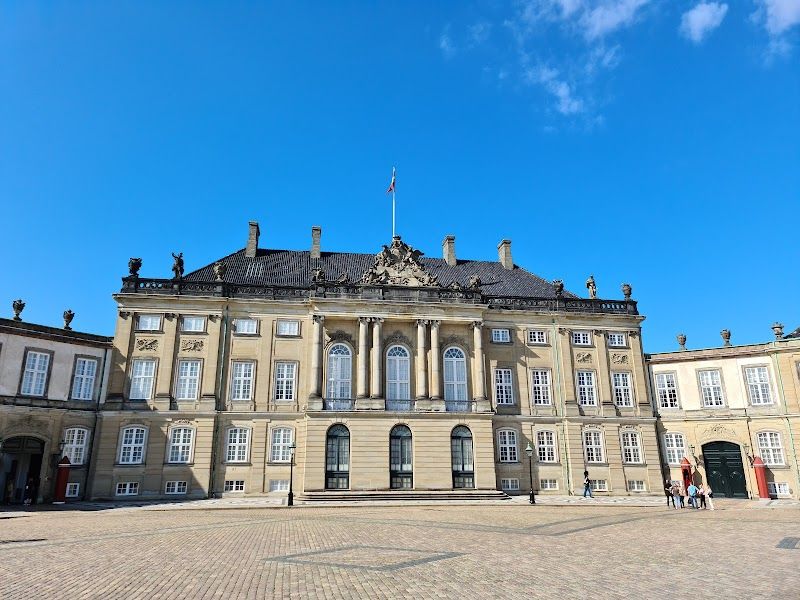
Amalienborg, Copenhagen · Nyhavn & Indre By
Category
Landmark
Duration
1h 30m
Best Time
Morning
Entry
€€
Rating
4.5 (31,192)
The place

About Amalienborg

Four identical rococo palaces form a perfect octagon around a cobblestone courtyard where Denmark's royal family still lives and works. You'll see the changing of the guard ceremony at noon daily (free), explore the Amalienborg Museum's royal apartments with original furnishings from the 1800s, and walk the same courtyard where Crown Prince Frederik jogs. The museum displays actual royal regalia, including ceremonial swords and crowns, while the palace exteriors showcase some of Copenhagen's finest 18th century architecture.

The courtyard feels surprisingly intimate for a royal residence, with guards in tall bearskin hats standing perfectly still until the noon ceremony begins. Tourists gather in clusters, phones ready, as the new guard marches from their barracks with military precision. Inside the museum, you'll walk through Princess Louise's drawing room, King Christian IX's study, and see personal items like Queen Margrethe II's gala gowns. The contrast between the formal state rooms and quirky personal touches makes royal life feel tangible.

Most visitors only come for the changing of the guard and miss the museum entirely, which is a mistake. The museum costs 125 DKK but offers genuine insight into how Danish royalty actually lives. Skip the audio guide (overpriced at 40 DKK) and read the English placards instead. The ceremony happens rain or shine, but on windy days the guards struggle with their massive hats, which is oddly entertaining.

Get Ticketsvia GetYourGuide · prices may vary
Book ahead

Skip the Queue

Live availability and skip-the-line options from our booking partners.

Search on Viator →Search on GetYourGuide →

Booking powered by our partners. DAIZ may earn a commission.

The place

Getting there

Address
Amalienborg Slotsplads, 1257 København K, Denmark
Neighborhood
Nyhavn & Indre By
View on Google Maps →
Good to know

Tips, answered

Enter the courtyard from the Frederiksgade side and position yourself near the statue of Frederick V for an unobstructed view of both the incoming and outgoing guards during the ceremony

The museum is nearly empty between 2pm and 4pm on weekdays, giving you peaceful access to rooms that are packed with tour groups in the morning

Check the flagpole above Christian IX's Palace before visiting: when the royal flag flies, the Queen or Crown Prince is in residence, and you might spot their cars entering through the side gates

Plan for about 1h 30m. Morning visits are typically less crowded.

Amalienborg is in the Nyhavn & Indre By neighborhood of Copenhagen. The address is Amalienborg Slotsplads, 1257 København K, Denmark. The area is well-served by metro.

Morning visits, especially early, mean fewer crowds and better light for photos. Weekdays are significantly quieter than weekends.

Comfortable shoes are recommended. Parts are outdoors, so bring a light layer.

Around the corner

Nearby in Nyhavn & Indre By

Explore all →
Tivoli Gardens
Family

Tivoli Gardens

Tivoli Gardens is the world's second-oldest amusement park, opened in 1843, and it's exactly what Walt Disney studied before creating Disneyland. You're getting 83,000 square metres of meticulously maintained gardens, vintage fairground rides, and theatrical evening lighting in the absolute center of Copenhagen. The star attraction is the 1914 wooden Rutschebanen roller coaster, one of the world's oldest still operating, but you'll also find modern thrill rides and carnival games scattered among peacock-filled gardens and ornate pavilions. The park transforms completely after sunset when 100,000 fairy lights switch on, creating an almost film-set atmosphere that feels distinctly European rather than American theme park. During the day it's pleasant but unremarkable: families with strollers, teenagers queuing for rides, and tourists photographing the Chinese pagoda. Evening visits feel magical, with couples strolling lamp-lit paths and the vintage carousel glowing like a jewelry box. The rides range from gentle (the ferris wheel offers nice city views) to genuinely thrilling (the Star Flyer swings you 80 meters up). Most guides don't mention that entry at DKK 149 plus individual ride tickets gets expensive fast: budget DKK 400-500 per person for a proper visit. The food inside is tourist-priced garbage, so eat beforehand. Skip the shooting galleries and carnival games, they're overpriced even by Danish standards. The Christmas season (mid-November to December) is completely different: mulled wine, wooden stalls, and a cozy winter atmosphere that's genuinely worth experiencing if you're here then.

2-3 hoursExplore
The Little Mermaid
Landmark

The Little Mermaid

The Little Mermaid is a 1.25-meter bronze sculpture perched on harbor rocks at Langelinie, created by Edvard Eriksen in 1913. You're here to see Denmark's most famous artwork, inspired by Hans Christian Andersen's fairy tale, though the real fascination lies in its turbulent history of vandalism, decapitations, and protest paint jobs that have made it more notorious than beloved. The sculpture sits on a small rock outcrop where Copenhagen's harbor meets a pleasant waterfront promenade. Your visit involves a scenic 20-minute walk from Nyhavn along the flat harbor promenade, passing joggers, cyclists, and fellow tourists. The mermaid herself appears suddenly around a bend, smaller than expected but beautifully positioned against the water. Crowds gather constantly for photos, creating a somewhat chaotic atmosphere around what should be a serene statue. The surrounding area offers views across to Sweden and plenty of benches for resting. Most guides won't mention that this is genuinely underwhelming if you're expecting grandeur, but fascinating if you appreciate the absurdity of Copenhagen's relationship with its reluctant symbol. Skip the expensive harbor bus tours (150+ DKK) and walk instead. The adjacent Kastellet fortress and impressive Gefion Fountain offer better photo opportunities and fewer crowds, making the trek more worthwhile than the mermaid alone.

20-30 minExplore
Rundetårn
Landmark

Rundetårn

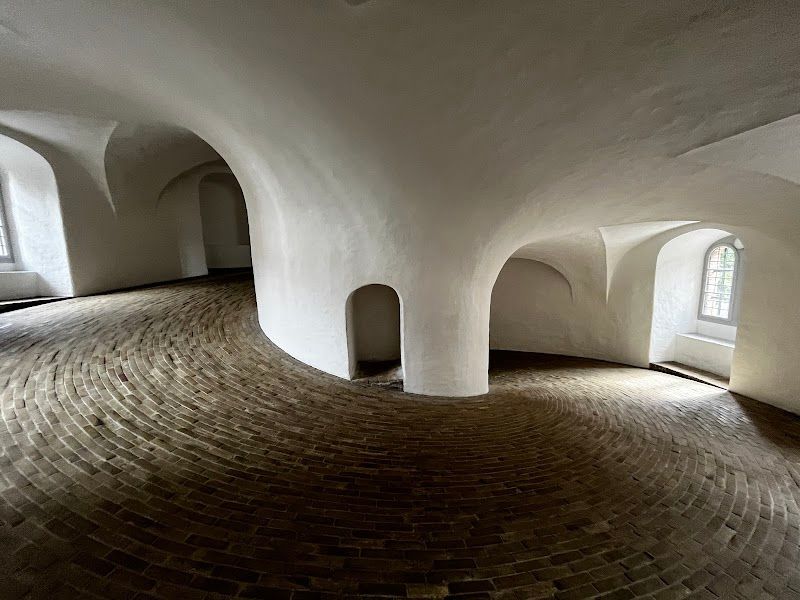
Rundetårn is Copenhagen's 17th-century Round Tower, built by King Christian IV as an astronomical observatory. Instead of stairs, you'll climb a unique 268-meter spiral ramp that corkscrews gently upward, originally designed so horses could haul heavy telescopes to the top. The observation deck gives you genuine 360-degree views over Copenhagen's copper rooftops, church spires, and the colorful buildings of Nyhavn in the distance. Europe's oldest functioning observatory still operates here, and there's a small exhibition space about astronomy and the tower's history. The walk up feels surprisingly easy since the ramp rises gradually without steps. You'll pass through the old library hall halfway up, where rotating art exhibitions are displayed under vaulted ceilings. The ramp itself becomes the attraction as you spiral upward past thick medieval walls and small windows offering glimpses of the city below. At the top, the viewing platform wraps around the entire tower, and on clear days you can see across to Sweden. Most visitors rush straight up and down, but the library hall often has interesting contemporary art worth a proper look. Entry costs 40 DKK for adults, 10 DKK for children. The ramp can get crowded with tour groups between 11am and 2pm, so arrive early morning or late afternoon for a more peaceful climb. Skip the small gift shop at the bottom, it's overpriced tourist stuff.

45 minutes - 1 hourExplore
Rosenborg Castle
Museum

Rosenborg Castle

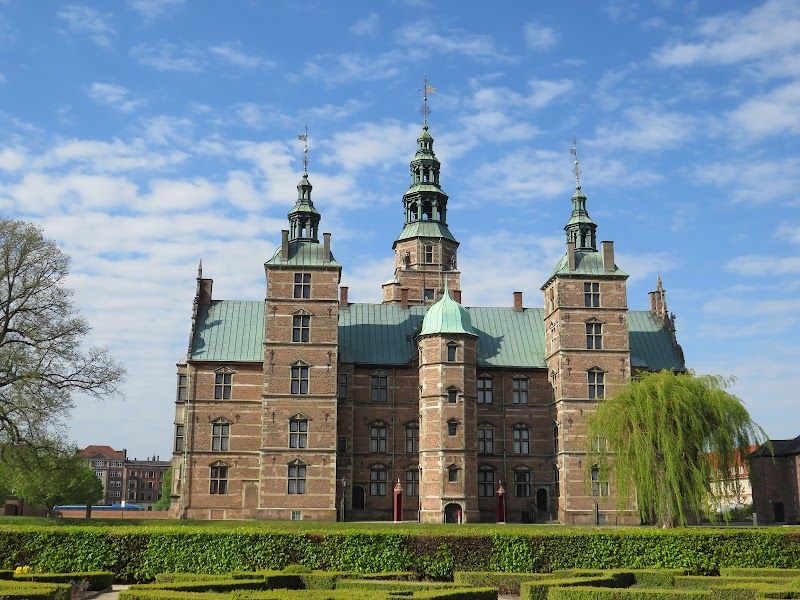
Rosenborg Castle packs 400 years of Danish royal history into 24 rooms, but honestly, most people come for the basement treasury where the crown jewels live. You'll see three actual coronation crowns (used from 1671 to 1940), Christian IV's emerald set that's genuinely stunning, and the medieval Oldenburg Horn from 1468. The castle itself is Christian IV's Renaissance summer palace from 1624, sitting in Copenhagen's most central park where locals sunbathe and picnic. The visit starts upstairs in chronological room order, moving through centuries of royal portraits, furniture, and personal belongings. Each room represents a different monarch with their actual possessions: Christian IV's writing desk, royal christening gowns, and even Frederik VII's pipe collection. The atmosphere feels intimate rather than grand, more like touring a wealthy relative's house than Versailles. Then you descend to the treasury, where the lighting turns dramatic and security gets serious around cases of diamonds and emeralds. Most guides don't mention that the upstairs rooms get repetitive after room 15, so don't feel guilty about moving faster through the later ones. The treasury is genuinely spectacular and worth the DKK 130 alone. Skip the audio guide (DKK 30 extra) since the English wall texts are thorough. The King's Garden outside is free and perfect for recovering afterward, especially in summer when half of Copenhagen seems to be sprawled on the grass.

1.5-2 hoursExplore
Ny Carlsberg Glyptotek
Museum

Ny Carlsberg Glyptotek

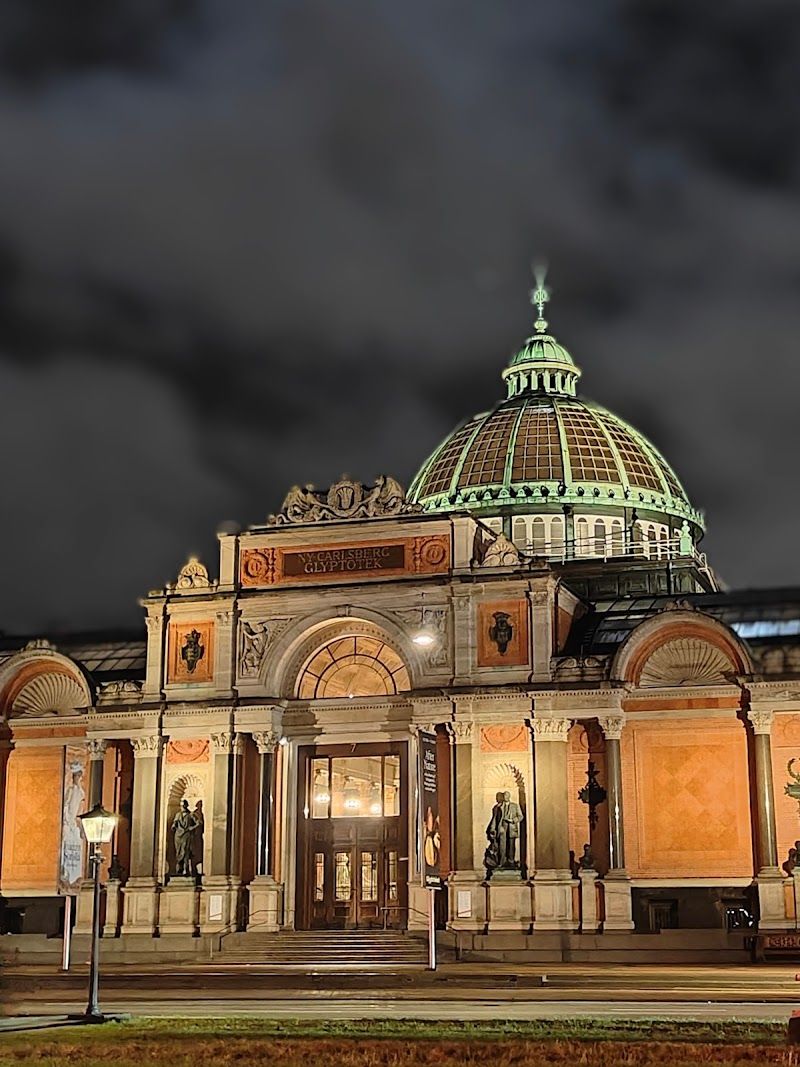
The Ny Carlsberg Glyptotek houses Copenhagen's most unexpected collection: ancient Roman and Egyptian sculptures alongside French Impressionist paintings, all wrapped around a stunning glass-domed winter garden filled with palm trees. You'll walk from 4,000-year-old Egyptian statues to Rodin sculptures to Degas ballerinas, then sit among tropical plants in what feels like a Victorian conservatory. The building itself is gorgeous, with marble halls that make the art feel even more dramatic. Your visit flows naturally from the ancient Mediterranean galleries through French 19th-century paintings, with the winter garden serving as both centerpiece and breathing room. The Egyptian collection genuinely rivals major museums, while the Impressionist rooms feel intimate rather than overwhelming. The winter garden cafe becomes irresistible after an hour of art viewing, and you'll find yourself lingering longer than planned among the palms and classical sculptures. Most guides don't mention that Sunday's free admission creates crowds, so weekday mornings are infinitely better for actually seeing the art. Skip the Danish Golden Age section unless you're specifically interested, it pales compared to the main collections. At 125 DKK normally, it's pricey but worth it for the unique combination, and spending 2-3 hours here beats rushing through in one.

2-3 hoursExplore
National Museum of Denmark
Museum

National Museum of Denmark

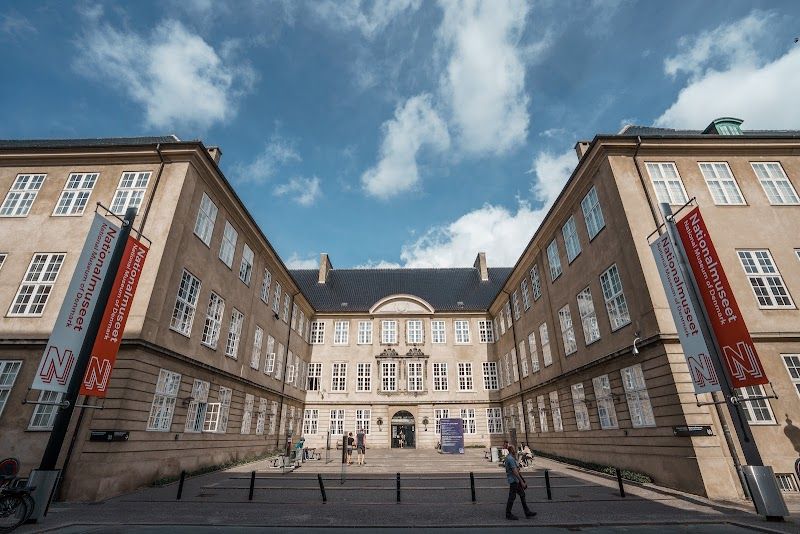
Denmark's National Museum houses the country's most impressive collection of cultural artifacts, spanning 14,000 years from Stone Age tools to Victorian furniture. You're here for two main draws: the extraordinarily well-preserved bog bodies (including the famous Tollund Man with his leather cap still intact) and the world-class Viking collection featuring ornate jewelry, weapons, and the stunning Trundholm sun chariot. The prehistoric galleries showcase Denmark's Bronze Age craftsmanship better than anywhere else in Scandinavia. The museum sprawls across multiple floors in a former royal palace, so expect to do some walking. The Viking halls feel appropriately dramatic with dim lighting that makes the gold artifacts gleam, while the bog body exhibition maintains a respectfully hushed atmosphere. You'll find yourself face to face with people who lived 2,000 years ago, their facial expressions still visible. The medieval section gets crowded around the runic stones, but the ethnographic collections upstairs remain blissfully quiet. Most visitors spend too much time in the less impressive later periods and rush through the prehistoric sections, which is backwards. The Viking Age and Bronze Age galleries on the ground floor deserve at least 90 minutes, while you can safely skip the 18th and 19th-century rooms unless furniture history excites you. At DKK 120, it's expensive but justified by the bog bodies alone. The audio guide costs extra DKK 30 but adds crucial context to the prehistoric finds.

3-4 hoursExplore
More on Copenhagen

From the blog

View all →
Ready for Copenhagen?

Let DAIZ plan your Copenhagen days

Tell us how long you've got and what you're into. We'll build a day-by-day plan, with the bookable bits ready to lock in.

Plan my Copenhagen tripFree · no signup to start
Plan your Copenhagen trip