Copenhagen is one of those cities that looks simple on a map and turns complicated the moment you try to choose where to base yourself. The neighborhoods to explore in Copenhagen are genuinely distinct from each other, not just in character but in pace, price, and what kind of traveler they reward. Vesterbro suits people who want good coffee and craft beer without much effort. Frederiksberg suits people who want quiet mornings and a proper park. Nørrebro suits people who find the rest of Copenhagen a little too polished. Getting this decision right matters more here than in larger cities, because Copenhagen is compact enough that you will feel the difference daily.
This guide covers five neighborhoods in real detail: what they are actually like, what they cost, what to do there, and who should stay. We have walked all of them and taken sides.
The Copenhagen Neighborhoods Map: How the City Fits Together
Before going district by district, it helps to understand the physical logic of the city. Copenhagen sits on a flat coastal plain, bisected by a harbour and a network of canals. The medieval core, Indre By, occupies the original island. Christianshavn sits on a separate island to the east, connected by bridges. Vesterbro and Frederiksberg extend westward from the central station. Nørrebro pushes north and northwest, with a demographic density that makes it feel more urban than anywhere else in what is, by European standards, a small city.
The metro runs in two loops and covers most visitor priorities. A single ticket (zones 1-2) costs DKK 27 and is valid for one hour including transfers. If you are moving between neighborhoods daily, the DKK 130 24-hour City Pass is almost always better value. A weekly pass runs DKK 425. That said, most neighborhoods are close enough to cycle between in under 20 minutes, and Copenhagen Bicycles on Nørrebrogade rents decent bikes from around DKK 100 per day.
If you are visiting for the first time and want a broader orientation before picking a neighborhood, the first-timer's Copenhagen guide covers logistics, airport transfers, and what to budget per day.
Nyhavn and Indre By: The Historic Core
Nyhavn and Indre By is where most first-time visitors land, and for understandable reasons. The Nyhavn canal with its painted townhouses is genuinely beautiful and not something you should dismiss as tourist bait. The Danes themselves sit along the water with canned beers on warm evenings because the light is good and the spot is good, not because someone marketed it at them.
Indre By is the medieval street grid radiating out from Strøget, the main pedestrian shopping street. It is dense with museums, royal landmarks, and the kind of cafes that have been operating since the 1800s. Conditori La Glace on Skoubogade, opened in 1870, makes the argument that Danish pastry culture requires no innovation.
What to Do in Indre By
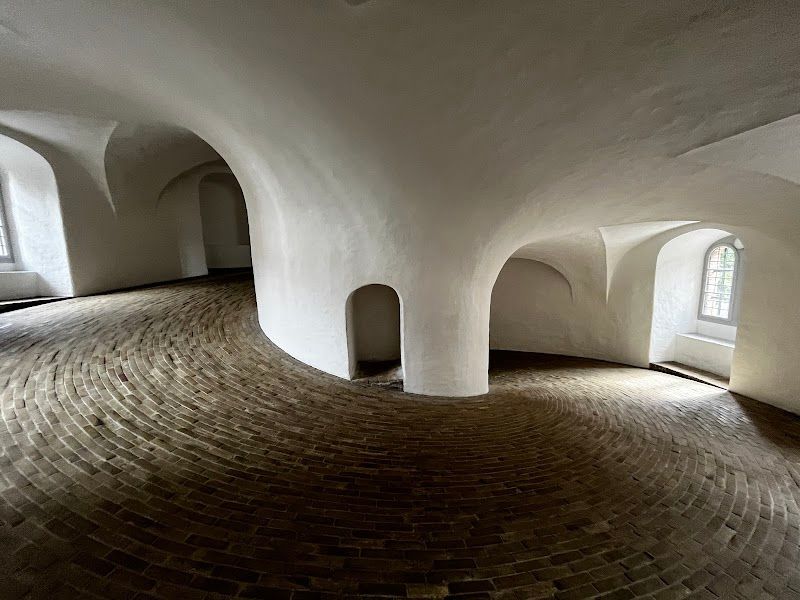
The concentration of things to see here is higher than anywhere else in the city. Rosenborg Castle costs DKK 130 and houses the Crown Jewels inside a 17th-century Dutch Renaissance building surrounded by Kongens Have, Copenhagen's oldest royal garden and free to enter. Rundetårn, the 17th-century Round Tower, gives you city views for DKK 40, which is among the best value per metre of elevation in any European capital.
The Ny Carlsberg Glyptotek at Dantes Plads is worth DKK 135 on most days and free on Tuesdays. It holds one of the strongest collections of French Impressionism and ancient Mediterranean art in northern Europe. Two streets away, the National Museum of Denmark costs DKK 130 and covers 14,000 years of Danish history more rigorously than you might expect.
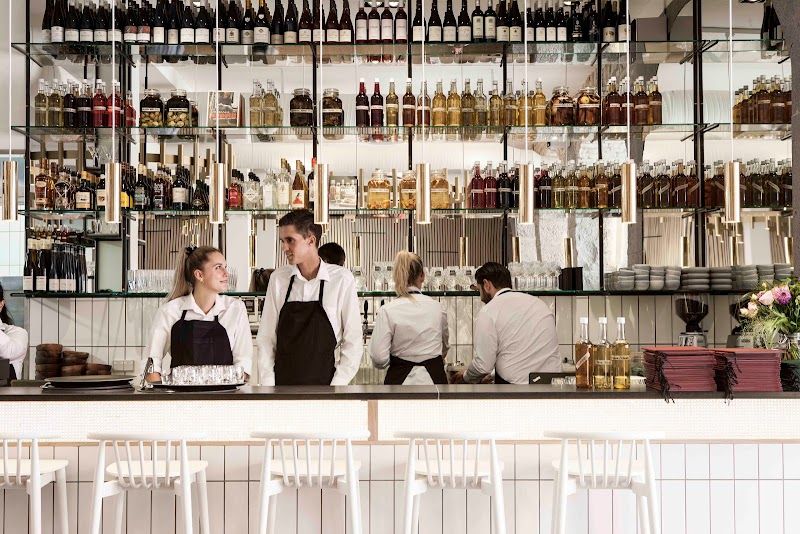
For lunch, Schønnemann on Hauser Plads has been serving smørrebrød since 1877. Budget DKK 95-140 per open sandwich. Torvehallerne, the glass food market near Nørreport station, is the better choice if you want variety quickly: oysters, coffee, Thai curry, and DKK 80-120 street-food-style plates all under one roof.
Who Should Stay in Indre By
First-timers, families, and people on shorter trips. Hotels here cost DKK 1,300-2,000 per night for a mid-range double, rising to DKK 3,000-6,000 at the luxury end. It is the most expensive part of the city to sleep in, but the convenience is genuine: you can walk to most major sights without touching the metro.
Vesterbro: The Neighborhood That Fixed Itself
Vesterbro sits directly behind Copenhagen Central Station and tells the clearest urban transformation story in the city. Twenty-five years ago it was a red-light district. Now it is where Copenhagen's restaurants, coffee roasters, and design shops concentrate.
The axis worth knowing is Værnedamsvej, a short street of wine bars, cheese shops, and independent food stores that gets called Copenhagen's answer to a Parisian side street so often that locals have started wincing at the comparison. It is still good, though. The butchers are serious, the wine selection at the small shops is not arranged for tourists, and on Saturday mornings the street fills up with people who live nearby doing actual shopping.
Meatpacking District (Kødbyen) is the other anchor. The white concrete buildings that once processed meat now hold restaurants, bars, and nightlife. Mikkeller Bar on Viktoriagade is the most recognized craft beer venue in the city, with rotating taps and draft beer from DKK 50-70 for 0.4L. The bar is serious about beer without being tedious about it.
Practical Vesterbro
Staying in Vesterbro puts you a 10-minute walk from the central station and a direct metro ride to anywhere else. Mid-range hotels here run DKK 1,300-2,000 per night. Hostels in the area start around DKK 250-400 for a dorm bed. For dinner, expect to pay DKK 350-500 for two to three courses with a drink at the better restaurants. The neighborhood's food scene is covered in more depth in our Copenhagen food and smørrebrød guide.
Who Should Stay in Vesterbro
People who want good food and nightlife within walking distance and do not need to be next to the big landmarks. It is the right call for repeat visitors who have already done the museum circuit.
Nørrebro: The Most Honest Neighborhood in Copenhagen
Nørrebro is the densest neighborhood in Denmark and the most multicultural in Copenhagen. It is also the one that Danes who care about such things will tell you is the real city, which is a claim every neighborhood in every city makes about itself but which lands slightly more credibly here.
The main artery is Nørrebrogade, running northwest from the Lakes. Off it, Jægersborggade is the street that food and design writers discovered first: two blocks of independent coffee roasters, ceramics shops, and small restaurants where the menus change based on what came in that morning. It is worth an hour on its own.
Superkilen is the park designed by Bjarke Ingels Group and Superflex that runs along Nørrebrogade. It is divided into three color-coded sections, collects public furniture and objects donated by the 60 nationalities represented in the surrounding streets, and is either a brilliant urban design statement or a slightly self-conscious one depending on your tolerance for concept parks. Either way, it is free and interesting.
Assistens Cemetery, where Hans Christian Andersen and Søren Kierkegaard are buried, functions as a public park where locals sunbathe, read, and bring their children. It is not morbid. It is large and green and calm in a neighborhood that is otherwise dense.
Nørrebro Food and Drink
Nørrebro's restaurant scene trends more affordable than Vesterbro's, partly because the rents have not fully caught up and partly because the customer base is more mixed. Street food and food market meals come in at DKK 80-120. There are Pakistani bakeries, Iraqi sweet shops, and Vietnamese spots that have been feeding the neighborhood for decades, alongside the newer natural wine bars and the tasting-menu places that started opening once word got out.
Who Should Stay in Nørrebro
Budget-conscious travelers, people who are specifically interested in Copenhagen's multicultural side, and anyone who finds the city center a bit sterile. It is not as convenient for landmarks but it is genuinely interesting to spend time in.
Christianshavn and Christiania: Two Very Different Islands
Christianshavn and Christiania occupy the same island but exist in almost separate realities. Christianshavn is the canal district: 17th-century Dutch-influenced architecture, waterside restaurants, and some of the most expensive real estate in the city. Christiania is the 52-year-old self-declared autonomous community that occupies 34 hectares of former military land inside Christianshavn, runs on its own rules, and charges no entry fee.
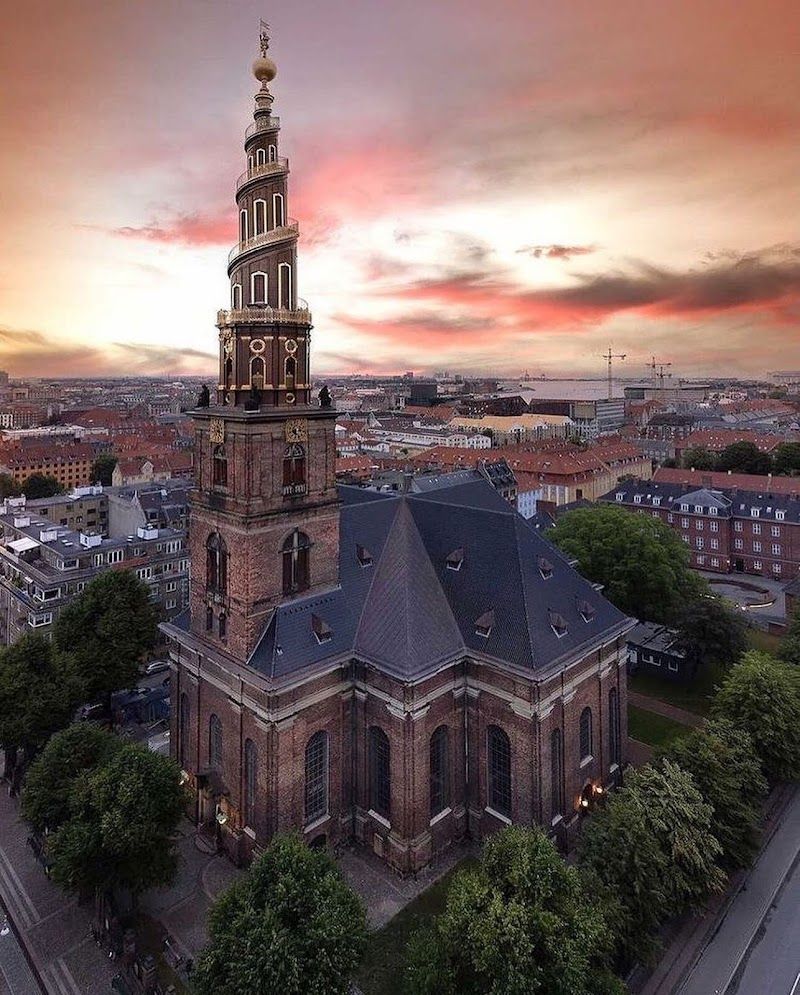
The Church of Our Saviour on Sankt Annæ Gade has an external spiral staircase you can climb for city views. The tower narrows as you go up and the last section is not suitable for people with vertigo, but the view across both islands and back to the old city is worth the effort. Entry costs around DKK 60.
Christianshavn is connected to Indre By by the Knippelsbro bridge and sits one metro stop from the city center on the M1 line. It is calm, beautiful, and expensive to stay in. If you find a mid-range hotel here at DKK 1,300-2,000, take it.
Christiania Without the Mythology
Christianity is free to enter. The cannabis trade on Pusher Street operates openly, which makes it a draw for some visitors and irrelevant to others. What is actually worth your time is the rest of it: the lake, the community gardens, the concert venue, the DIY architecture that has accumulated since 1971. The residents ask that you not photograph people or homes without permission, and you should respect that.
Christiania has its own cafes and a well-regarded restaurant, Morgenstedet, that serves vegetarian food for around DKK 90-120 a plate.
Frederiksberg: The Quiet Municipality Inside the City
Frederiksberg is technically not part of Copenhagen at all. It is its own municipality, entirely surrounded by the city, with its own tax rates, its own mayor, and its own very distinct atmosphere. It is calmer, greener, and more residential than anywhere else covered in this guide.
Frederiksberg Have, the royal park surrounding Frederiksberg Palace, is free and large enough that you can lose track of time in it. The Copenhagen Zoo is at its western edge and charges DKK 210 entry. The neighborhood's main commercial street, Gammel Kongevej, has the kind of independent shops and neighborhood restaurants that have survived because the local residents actually use them.
Who Frederiksberg Is For
Frederiksberg suits families who need space, travelers who value quiet evenings over nightlife proximity, and anyone who wants to experience Copenhagen at a slower register. It is 20 minutes by metro or S-train from Indre By, which is not a burden. Hotel rates here can be noticeably lower than in the center for comparable quality, sometimes DKK 200-400 per night cheaper for the same star rating.
Neighborhood Comparison: At a Glance
| Neighborhood | Best For | Metro Access | Avg. Hotel (mid-range) | Vibe |
|---|---|---|---|---|
| Indre By / Nyhavn | First-timers, landmarks | Excellent | DKK 1,300-2,000 | Historic, busy |
| Vesterbro | Food, nightlife | Good | DKK 1,100-1,800 | Renovated, creative |
| Nørrebro | Budget, culture | Good | DKK 900-1,400 | Dense, multicultural |
| Christianshavn | Canals, calm | Excellent | DKK 1,400-2,200 | Expensive, beautiful |
| Frederiksberg | Families, quiet | Good | DKK 1,000-1,600 | Residential, green |
How to Choose: An Honest Verdict
If this is your first time in Copenhagen and you have two to three days, base yourself in Indre By or Vesterbro. The former puts you closest to the sights; the latter gives you better evenings. Our 2-3 day Copenhagen itinerary builds a sensible route from either base.
If you have visited before, Nørrebro or Christianshavn will show you a different city. Nørrebro is more affordable and more alive; Christianshavn is more expensive but more beautiful. Frederiksberg is the right call if you are traveling with children or simply want a lower-key trip.
The honest summary of the Copenhagen neighborhoods map is this: none of them are bad choices, but they are genuinely different, and the difference matters. Pick the one that matches what you actually want to do, not the one with the best hotel deal or the most familiar name.