Copenhagen will cost you more than most European capitals, but the exact amount depends entirely on your choices. A backpacker staying in dorms and eating street food can survive on EUR 90 per day, while someone wanting mid-range comfort should budget EUR 200-250 daily. The difference lies in the details, and those details matter more in Copenhagen than anywhere else.
The city's reputation for eye-watering prices is partially deserved but often exaggerated. Yes, a beer costs EUR 7-9 at most bars, and yes, a proper restaurant dinner will set you back EUR 50-70 per person. But Copenhagen also offers free museums on certain days, excellent public parks, and surprisingly affordable food markets. The key is knowing where to spend and where to save.
Copenhagen Daily Budget Breakdown by Travel Style
Your Copenhagen budget per day breaks down into four main categories: accommodation, food, transport, and activities. Here's how costs stack up across different travel styles.
Backpacker Budget: EUR 90-120 Per Day
This is survival mode Copenhagen, but it's entirely doable if you make smart choices:
Accommodation (EUR 35-55): Hostel dorm beds range from EUR 35 in 8-bed dorms to EUR 55 for 4-bed rooms. Generator Hostel and Copenhagen Downtown Hostel are reliable options in Nyhavn & Indre By, while Steel House Copenhagen in Vesterbro offers better value slightly outside the center.
Food (EUR 30-40): Breakfast means a pastry and coffee from a bakery (EUR 6-9). Lunch at Torvehallerne food market costs EUR 11-16 for substantial portions. Dinner requires creativity: Netto supermarket supplies for EUR 8-12, or street food at Reffen market for EUR 11-16. One proper smørrebrød lunch per trip is non-negotiable at EUR 13-19 per piece.
Transport (EUR 15-18): A 24-hour City Pass costs EUR 18 and covers all zones, making it worthwhile if you're moving around frequently. Single tickets at EUR 4 each add up quickly, so the day pass usually wins.
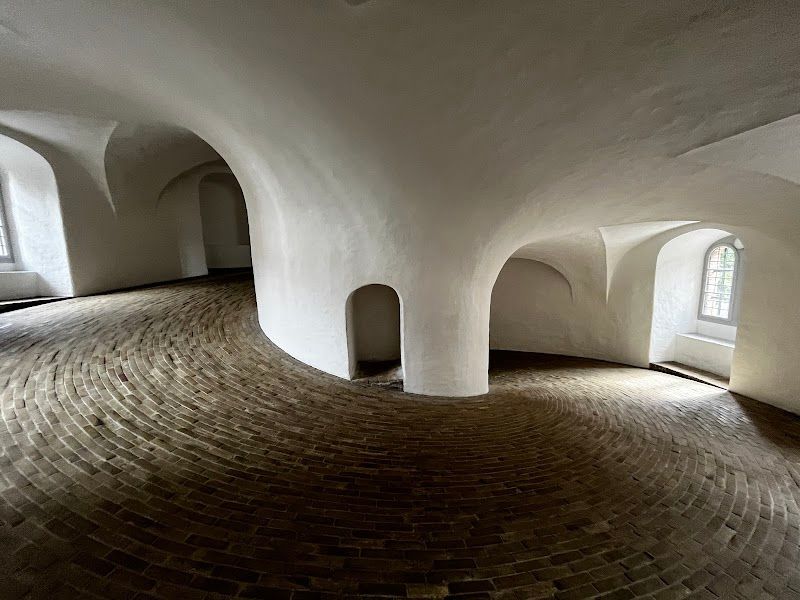
Activities (EUR 10-15): Free activities dominate: Nyhavn Canal, The Little Mermaid, Kongens Have, and Freetown Christiania cost nothing. Budget EUR 5-6 for Rundetårn and save paid attractions for one or two must-sees.
Mid-Range Traveler: EUR 200-250 Per Day
This budget unlocks Copenhagen's genuine pleasures without constant penny-pinching:
Accommodation (EUR 110-180): Decent 3-star hotels or upscale hostels with private rooms. Hotel Bethel offers character near the center for around EUR 140, while Scandic hotels provide reliable comfort for EUR 160-180. Location matters: staying in Vesterbro or Norrebro saves EUR 30-50 per night compared to the historic center.
Food (EUR 50-80): Breakfast at your hotel or EUR 8-12 at a proper cafe. Lunch means real smørrebrød at traditional spots like Schønnemann for EUR 13-19 per piece (order 2-3). Dinner at quality restaurants costs EUR 50-70 including wine or beer. This budget allows one New Nordic splurge at places like Väkst for around EUR 80-110 per person.
Transport (EUR 18-25): The 24-hour pass remains your best option, or upgrade to a Copenhagen Card (EUR 62) if you're hitting multiple paid attractions.
Activities (EUR 20-35): Mix free sights with paid museums. Ny Carlsberg Glyptotek (EUR 19, free Tuesdays), National Museum (EUR 18), and Tivoli Gardens (EUR 21 admission) become accessible. Budget for 2-3 paid activities per day.
Luxury Experience: EUR 400+ Per Day
Copenhagen's high-end offerings justify the expense if you have the budget:
Accommodation (EUR 250-400+): Design hotels like Hotel d'Angleterre or boutique properties in converted warehouses. These hotels showcase Danish design philosophy and often include breakfast worth EUR 25-35 elsewhere.
Food (EUR 120-200): Multi-course dinners at Michelin-starred restaurants (EUR 150-300 per person), wine pairings, and lunch at acclaimed spots. This budget covers the full New Nordic experience that put Copenhagen on the culinary map.
Transport (EUR 25-60): Taxis between destinations, private transfers, or bicycle tours. Copenhagen's compact size means transport costs stay reasonable even at this level.
Activities (EUR 50-100): Private museum tours, exclusive experiences, and premium tickets to everything. The Copenhagen Card becomes irrelevant at this budget level.
Copenhagen Food Costs: Where Every Kroner Counts
Food represents the biggest variable in your Copenhagen budget, with smart choices making the difference between affordable and ruinous.
Budget Food Options That Don't Compromise
Torvehallerne food market offers Copenhagen's best budget dining without sacrificing quality. Gourmet sandwiches cost EUR 8-13, proper coffee EUR 4-5, and you'll eat alongside locals rather than tourists. The market's vendors source ingredients as carefully as expensive restaurants but skip the service and atmosphere markup.
Reffen street food market on Refshaleøen provides international options at EUR 11-16 per dish. The 20-minute bike ride or bus journey from the center keeps prices lower than tourist-focused spots. Vietnamese pho, Korean bibimbap, and Danish interpretations of global cuisines all appear here at prices that make sense.
Supermarket shopping at Netto, Rema 1000, or Irma stretches budgets furthest. Breakfast supplies (yogurt, fruit, bread) cost EUR 8-12 for multiple days. Danish design extends to packaging, making even budget groceries feel premium compared to other European cities.
Copenhagen Budget Restaurants Worth the Money
Traditional smørrebrød restaurants like Schønnemann charge EUR 13-19 per open sandwich, but these aren't expensive when you consider the craftsmanship. Two or three pieces make a complete meal, putting lunch costs at EUR 26-57. The experience connects you to Danish food culture in ways that generic cafes cannot match.
Neighborhood bistros in Vesterbro and Norrebro serve quality dinners for EUR 35-50 per person including drinks. Restaurant Mes in Nørrebro and Kødbyens Fiskebar in Vesterbro exemplify this category: serious cooking without pretension or inflated prices.
Copenhagen's food markets represent exceptional value for the quality delivered. Beyond Torvehallerne and Reffen, neighborhood markets like the Saturday farmers market at Israels Plads offer local produce and prepared foods at prices that make cooking in hostel kitchens worthwhile.
When to Splurge on Copenhagen Food
New Nordic cuisine deserves at least one proper experience during your visit. Mid-tier restaurants like Väkst (EUR 80-110 per person) deliver the philosophy and techniques without Michelin-starred prices. You'll understand why Copenhagen changed global dining expectations without destroying your budget.
The city's coffee culture merits investment. Third-wave roasters like The Coffee Collective charge EUR 4-6 per cup, but the quality justifies costs in a city where coffee functions as social fuel. Proper Danish pastries at places like Conditori La Glace cost EUR 6-8 but represent centuries of baking tradition.
Copenhagen Transport: Getting Around Without Going Broke
Copenhagen's transport system is efficient and well-integrated, but costs add up quickly without proper planning.
Public Transport Strategy
The metro, buses, and trains use the same ticketing system, with zones determining prices. Central Copenhagen fits within zones 1-2, where single tickets cost EUR 4 and remain valid for one hour including transfers. This system works for occasional trips but becomes expensive for active sightseers.
The 24-hour City Pass at EUR 18 covers all zones and usually pays for itself after 4-5 single journeys. Most visitors will take this many trips if they're seeing multiple neighborhoods or visiting attractions outside the city center. The 7-day pass (EUR 59) makes sense for longer stays or if you're using public transport to reach suburbs and beaches.
Harbor buses form part of the public transport network and provide scenic routes between waterfront attractions. The same tickets that work on metros and buses cover these boats, making them essentially free sightseeing tours when you're traveling between destinations anyway.
Bicycle Rental Economics
Copenhagen was built for cycling, with dedicated lanes and traffic systems that prioritize bikes. Rental costs EUR 15-25 per day for basic bikes, or EUR 25-35 for electric assistance. This compares favorably to public transport passes while providing flexibility and exercise.
Bysyklen city bikes offer short-term rentals through a smartphone app at EUR 3 per 30-minute period. These work well for quick trips but become expensive for all-day cycling. Private rental shops provide better value for full-day exploration, especially if you're planning to visit attractions like Rosenborg Castle or the waterfront areas.
Bicycle theft occurs frequently in Copenhagen, so rental insurance (usually EUR 3-5 per day) provides peace of mind. Most rental shops include locks and basic equipment, but verify helmet availability if you prefer wearing one.
Airport Transfer Options
The Metro M2 line connects Copenhagen Airport directly to the city center in 15-20 minutes for EUR 5. This represents excellent value and avoids traffic delays that affect buses and taxis. Trains to Central Station take 13 minutes and cost EUR 5, providing an alternative if you're staying near the main rail hub.
Taxis from the airport charge EUR 41-62 to most central locations, depending on traffic and exact destination. The fixed-rate system prevents surprises, but the cost rarely justifies the convenience unless you're traveling with heavy luggage or in a group of 3-4 people.
Private transfer services cost EUR 35-50 and can be booked in advance. These split the difference between public transport and taxis while guaranteeing English-speaking drivers and assistance with luggage.
Copenhagen Activities: Free vs Paid Attractions
Copenhagen offers substantial free entertainment, but the city's best museums and unique experiences require admission fees.
Free Activities That Define Copenhagen
Nyhavn Canal provides Copenhagen's most recognizable scenery without cost. The colorful townhouses and historic boats create perfect photo opportunities, while the surrounding restaurants and bars let you extend visits with food and drinks purchased separately.
Kongens Have (King's Garden) represents Denmark's oldest royal garden and surrounds Rosenborg Castle. Entry to the gardens costs nothing, while castle admission (EUR 18) remains optional. The gardens alone provide hours of walking, people-watching, and relaxation in the city center.
Freetown Christiania operates as Copenhagen's most unique neighborhood, where alternative culture and communal living create an experience unlike anywhere else in Europe. Entry is free, though photography restrictions apply in certain areas and respect for local customs is essential.
Superkilen in Norrebro showcases Copenhagen's multicultural identity through public art and design installations representing the neighborhood's immigrant communities. This linear park demonstrates how Copenhagen addresses social integration through urban planning.
Museum Value Analysis
Copenhagen's major museums charge EUR 18-19 for admission, making the Copenhagen Card (EUR 62 for 24 hours) worthwhile if you're planning to visit 3-4 paid attractions. The card includes transport, so calculate both components when comparing costs.
Ny Carlsberg Glyptotek offers free admission on Tuesdays for the permanent collection, making it an essential free activity on the right day. The building itself represents architectural achievement, while the collection spans ancient Mediterranean cultures and French impressionists.
The National Museum of Denmark provides comprehensive Danish history and culture for EUR 18. This museum requires 3-4 hours to see properly, making the admission fee reasonable per hour of entertainment. The Viking Age and medieval collections justify the cost for anyone interested in Scandinavian history.
Designmuseum Danmark charges EUR 18 but delivers insights into Danish design philosophy that shaped global aesthetics. The museum explains why Danish furniture, lighting, and household objects command premium prices worldwide.
Seasonal Considerations for Activities
Summer (June-August) brings 18-19 hours of daylight, making outdoor activities incredibly valuable. Free walking tours, park visits, and waterfront exploration provide maximum entertainment per kroner during these months. Restaurant outdoor seating and harbor swimming areas operate at full capacity.
Winter (December-February) limits daylight to 7-8 hours, making indoor attractions more valuable. Museums, cafes, and shopping become primary activities. Tivoli Gardens transforms into a Christmas market but maintains admission charges (EUR 21) plus ride costs.
Spring and autumn offer moderate weather and smaller crowds while maintaining reasonable daylight hours. These shoulder seasons provide the best balance of outdoor and indoor activity options at standard prices.
Money-Saving Strategies for Copenhagen
Copenhagen rewards careful planning and local knowledge with significant savings opportunities.
Accommodation Strategies
Booking accommodation outside zones 1-2 can save EUR 30-50 per night while adding only 15-20 minutes to central commutes. Frederiksberg and outer Vesterbro offer better value than the historic center.
Kitchen access in hostels or hotels allows significant food savings. Danish supermarkets stock high-quality ingredients at reasonable prices, making breakfast and simple dinners cost EUR 8-15 compared to EUR 25-40 in restaurants.
Weekend rates at business hotels often drop below leisure properties. Copenhagen's commercial district empties on weekends, creating opportunities for upscale accommodation at reduced prices.
Food and Drink Savings
Lunch pricing at dinner restaurants provides access to quality kitchens at reduced costs. Many restaurants offer 2-course lunch menus for EUR 25-35 compared to EUR 60-80 for dinner. The same chefs and ingredients create similar experiences at lower prices.
Happy hour timing varies by establishment but typically runs 4-7 PM. Beer prices drop from EUR 7-9 to EUR 5-6, while wine glasses cost EUR 6-8 instead of EUR 8-12. Research timing before visiting specific bars.
Picnic supplies from markets and supermarkets transform expensive restaurant meals into affordable outdoor dining. Copenhagen's parks welcome food consumption, and summer weather makes outdoor eating preferable to indoor alternatives.
Transport and Activity Combinations
Walking between nearby attractions eliminates transport costs while providing street-level views of Copenhagen's architecture and daily life. The city center spans roughly 2km north-south and 3km east-west, making most destinations accessible on foot.
Combining museum visits with free attractions in the same area maximizes daily transport passes. Visit Rosenborg Castle and Kongens Have, then walk to SMK National Gallery and the botanical gardens.
Evening activities often cost less than daytime equivalents. Late-night museum hours, dinner specials, and off-peak transport provide savings while avoiding crowds.
Copenhagen Budget Planning Tools
Successful Copenhagen budget management requires realistic daily allowances and flexibility for unexpected opportunities.
Daily Budget Templates
Conservative Budget (EUR 95-130): Hostel accommodation, market food, public transport passes, and 1-2 paid attractions per day. This allows authentic Copenhagen experiences without financial stress.
Comfortable Budget (EUR 220-280): Mid-range hotel, restaurant meals, museum visits, and transportation flexibility. This budget covers most travelers' expectations while enabling spontaneous experiences.
Premium Budget (EUR 450-600): Design hotels, Michelin dining, private transport, and exclusive activities. This level accesses Copenhagen's luxury offerings without compromise.
Weekly Cost Breakdowns
Week-long visits benefit from front-loading expensive activities and using savings for latter days. Museum passes, transport cards, and restaurant splurges work better early in trips when budgets are fresh and energy levels high.
| Expense Category | Budget Week | Mid-Range Week | Luxury Week |
|---|---|---|---|
| Accommodation | EUR 245-385 | EUR 770-1,260 | EUR 1,750-2,800 |
| Food & Drink | EUR 210-280 | EUR 350-560 | EUR 840-1,400 |
| Transport | EUR 59-105 | EUR 126-175 | EUR 175-420 |
| Activities | EUR 70-105 | EUR 140-245 | EUR 350-700 |
| Total | EUR 584-875 | EUR 1,386-2,240 | EUR 3,115-5,320 |
Emergency Budget Extensions
Copenhagen's high costs make budget overruns common. Plan 15-20% contingency funds for unexpected expenses, weather delays, or opportunities that justify additional spending.
ATMs charge EUR 4-7 per transaction, making larger withdrawals more economical than frequent small ones. Credit cards work universally, but cash remains useful for small vendors and markets.
Currency exchange at Copenhagen Airport offers poor rates compared to downtown banks or ATMs. Exchange minimal amounts at arrival and use cards or Danish ATMs for better rates.
Copenhagen demands realistic budgeting but rewards careful planning with experiences that justify the expense. The city's combination of free cultural attractions, paid museums, and varied accommodation options allows travelers to customize their spending while experiencing authentic Danish culture. Whether you're surviving on EUR 90 per day or indulging at EUR 400+, Copenhagen provides value through design, culture, and quality of life that few capitals match.
For comprehensive planning guidance, consult our detailed Copenhagen first-time guide and 2-3 day itinerary to maximize your budget across all aspects of visiting Denmark's capital.