Budapest · Jewish Quarter (District VII - Erzsébetváros)

Két Szerecsen

Restaurant
Két Szerecsen, Budapest · Jewish Quarter (District VII - Erzsébetváros)
Category
Restaurant
Duration
1h 15m
Best Time
Any time
Entry
€€
Rating
4.6 (5,279)
The place

About Két Szerecsen

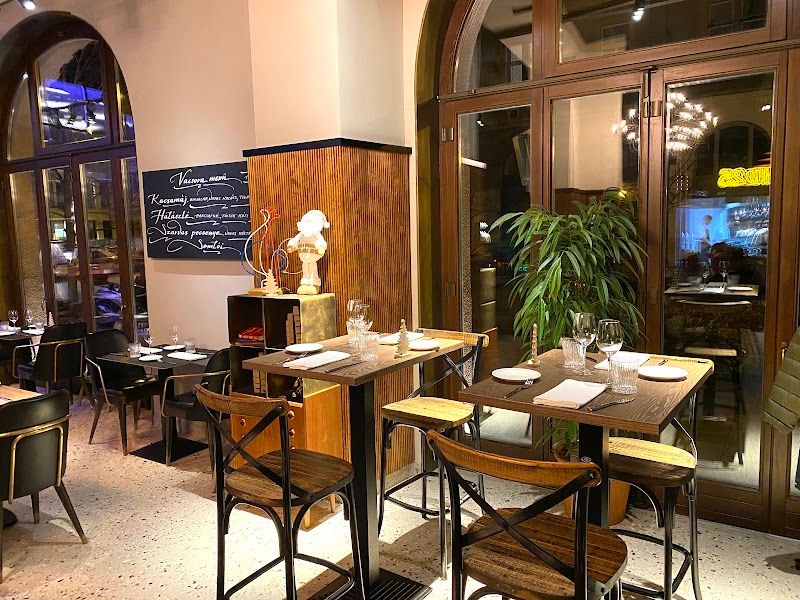
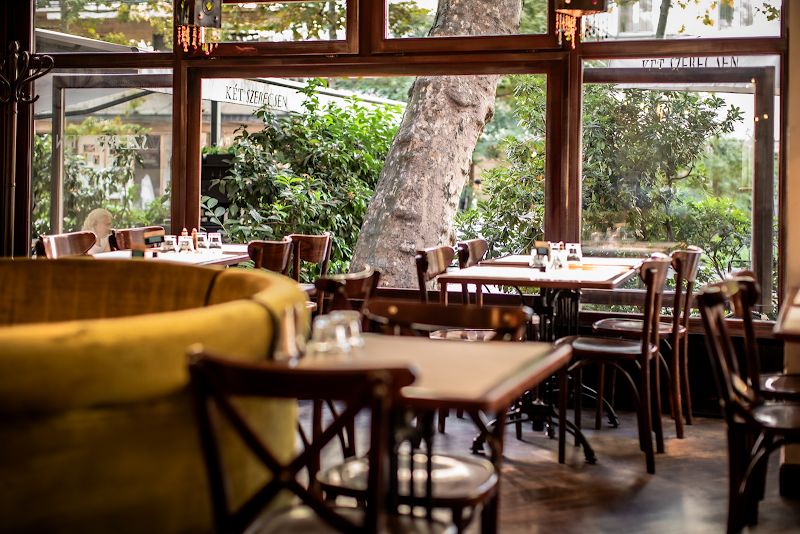
Két Szerecsen occupies a narrow corner space on Nagymező utca where mismatched vintage chairs meet scratched wooden tables and the kitchen turns out surprisingly refined comfort food. The menu bounces between hearty Hungarian classics like their famous káposztás tészta (cabbage noodles with buttery paprika) and lighter Mediterranean small plates that actually taste fresh. You'll find proper vegetarian options here, a rarity in Budapest's meat-heavy restaurant scene, plus an excellent sourdough bread program that locals come specifically for.

The space feels like eating in someone's eclectic living room, with warm lighting, books scattered on shelves, and servers who genuinely seem to enjoy working here. Tables are crammed close together, so you'll hear conversations in three languages while picking at their addictive hummus or waiting for the slow-cooked goulash. The weekend brunch transforms the place into a leisurely social hub where friends linger over prosecco and eggs Benedict until mid-afternoon.

Most reviews oversell the dinner service, which can feel rushed when busy. Come for weekend brunch instead: unlimited prosecco for HUF 2,900 makes it Budapest's best brunch deal, and the kitchen has more time to get dishes right. Skip the overpriced evening wines (HUF 1,200+ per glass) and stick to their excellent coffee program. Book ahead for weekend brunch or you'll wait 45 minutes minimum.

Book ahead

Book Tickets

Live availability and skip-the-line options from our booking partners.

Search on Viator →Search on GetYourGuide →

Booking powered by our partners. DAIZ may earn a commission.
The place

Getting there

Address
Budapest, Nagymező u. 14, 1065 Hungary
Neighborhood
Jewish Quarter (District VII - Erzsébetváros)
View on Google Maps →
Good to know

Tips, answered

Arrive by 11 AM on weekends for brunch to snag a table by the front window with the best people-watching views of Nagymező utca

Most tourists order the schnitzel thinking it's authentically Hungarian, but locals come for the káposztás tészta and the daily soup specials written on the small chalkboard

The upstairs seating area stays quieter than the ground floor chaos and has better lighting for photos of your food

Plan for about 1h 15m.

Két Szerecsen is in the Jewish Quarter (District VII - Erzsébetváros) neighborhood of Budapest. The address is Budapest, Nagymező u. 14, 1065 Hungary. The area is well-served by metro.

This works well at any time of day, though mornings tend to be quieter. Weekdays are less crowded than weekends.

Around the corner

Nearby in Jewish Quarter (District VII - Erzsébetváros)

Explore all →
Great Synagogue (Dohány Street)
Cultural Site

Great Synagogue (Dohány Street)

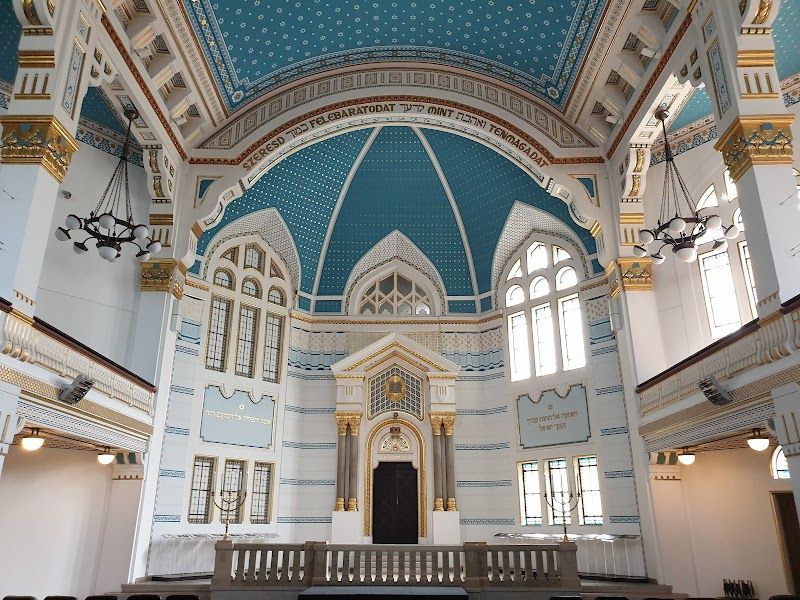
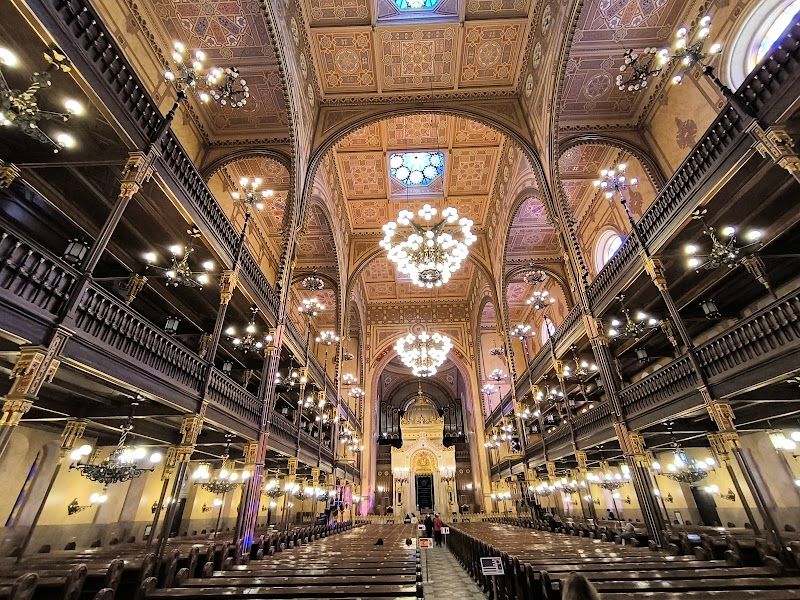
Europe's largest synagogue holds 3,000 people under twin onion domes that dominate the Pest skyline. Built in 1859, the Moorish Revival interior feels more like a concert hall than a traditional synagogue, with organ music and mixed seating that scandalized Orthodox Jews at the time. You'll see the Hungarian Jewish Museum's ceremonial objects, the haunting cemetery where 2,000 ghetto victims lie buried in the courtyard, and Imre Varga's metal Tree of Life memorial with 30,000 names etched on silver leaves. The guided tour moves through five distinct areas: the main sanctuary with its massive organ and gilded ceiling, the small Heroes' Temple built for WWI victims, the museum's Torah scrolls and ritual items, the cemetery (Europe's only synagogue burial ground), and finally the memorial garden. The contrast hits hard when you move from the ornate interior to the somber outdoor spaces. Audio guides work in 12 languages, though the live guides offer better stories about the building's survival through two world wars. Most visitors rush through in 60 minutes, but you need 90 to absorb the cemetery and memorial properly. At 5,500 HUF for adults and 4,400 HUF for students, it's pricey but justified. Skip the crowded afternoon tours and book the 9am slot when light streams through the sanctuary windows beautifully. The gift shop is overpriced tourist tat, but the small cafe serves decent coffee if you need a break.

90-120 minExplore
House of Terror
Museum

House of Terror

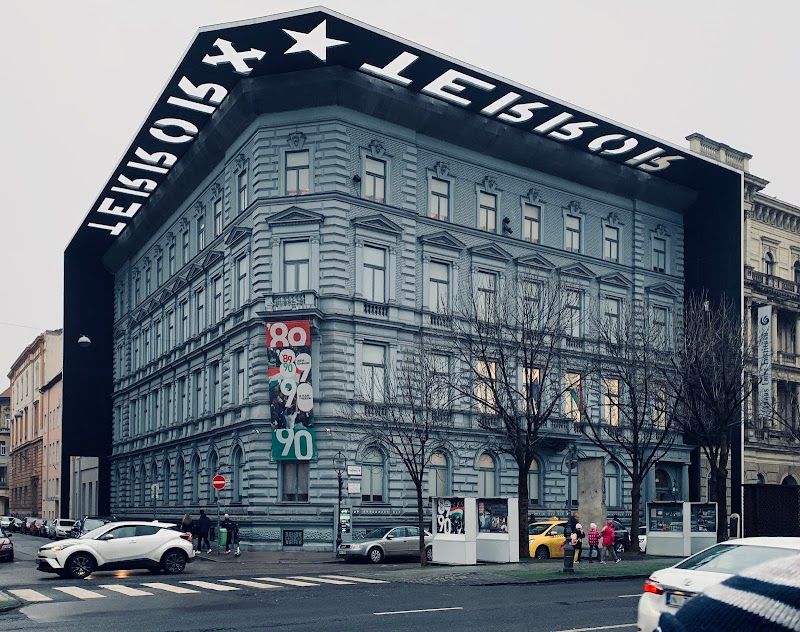
Andrássy út 60 served as headquarters for both Hungary's fascist Arrow Cross Party and later the communist secret police, making it the perfect location for this unflinching examination of 20th-century authoritarianism. You'll walk through reconstructed offices where deportation lists were compiled, see surveillance equipment used to monitor citizens, and examine propaganda materials from both regimes. The museum doesn't sanitize history: original torture devices, personal belongings of victims, and testimonial videos create a genuinely confronting experience that goes far beyond typical historical displays. The exhibition flows chronologically from the 1930s through 1989, with each floor focusing on different aspects of oppression. You'll start with the Arrow Cross period, seeing how fascists used this building to coordinate deportations of Jews and political opponents. The communist section reveals how the same spaces later housed the ÁVH secret police, complete with original furnishings and filing systems. The basement cells remain exactly as they were, with cramped spaces where political prisoners were held and interrogated. Most visitors underestimate how emotionally draining this place is: budget three hours minimum and don't plan anything heavy afterward. Entry costs 4,500 HUF, but the audio guide (additional 1,500 HUF) provides crucial context that wall texts miss. Skip the gift shop completely, it's inappropriate given the subject matter. The elevator descent to the basement deliberately moves slowly to build dread, but you can take the stairs if you're claustrophobic.

1.5-2 hoursExplore
Hungarian State Opera House
Cultural Site

Hungarian State Opera House

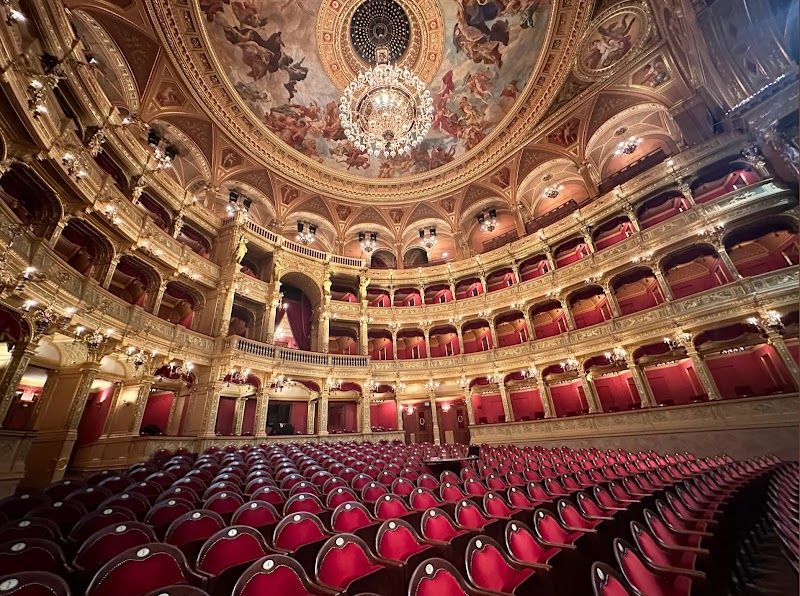
Miklós Ybl's 1884 opera house ranks among Europe's most acoustically perfect venues, seating just 1,261 people in an intimate horseshoe design. The auditorium ceiling showcases Károly Lotz's fresco depicting Greek gods, while a massive bronze chandelier weighs three tons above red velvet seats. Gold leaf covers nearly every surface, from the royal box's intricate moldings to the grand staircase's ornate railings. The 45-minute guided tour takes you through spaces most audience members never see: behind the royal box where Franz Joseph once sat, up the marble staircase where society gatherings happened, and into the auditorium from multiple angles. Your guide explains how the horseshoe shape creates perfect sound distribution and points out details like the ceiling's hidden ventilation system. The acoustics demonstration always impresses, with guides singing or clapping to show how sound carries to every seat. Most guides oversell the building's history but undersell the technical brilliance. Skip the gift shop (overpriced trinkets) and focus on the auditorium and staircase. Tours cost HUF 2,900 for adults, but evening performances start at just HUF 1,500 for upper balcony seats. If you're choosing between tour and performance, pick the performance: you'll experience the space as intended plus world-class music.

1 hourExplore
Andrássy Avenue
Landmark

Andrássy Avenue

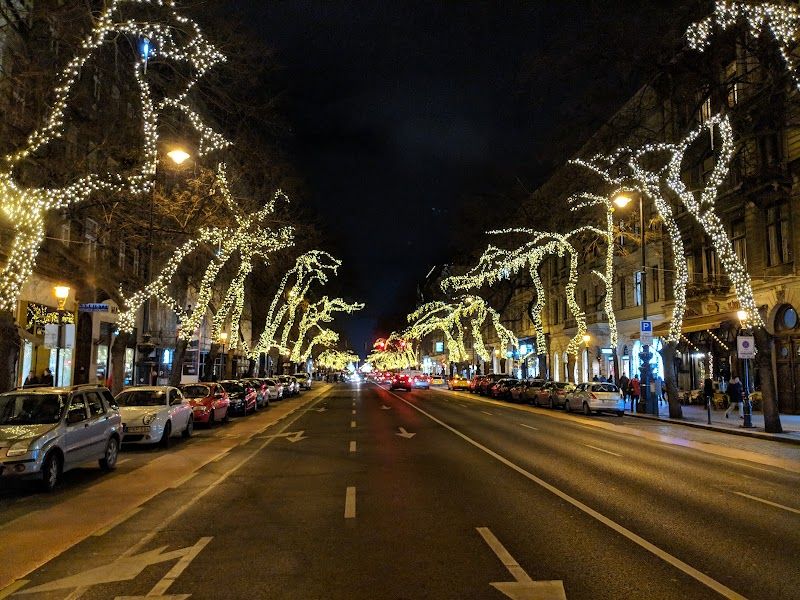
Andrássy Avenue is Budapest's grand 2.4-kilometer boulevard, a UNESCO World Heritage site that runs from downtown Erzsébet Square straight to Heroes' Square. You'll walk past stunning neo-Renaissance mansions, the State Opera House, high-end boutiques, and the Terror House Museum while Europe's first underground metro rumbles beneath your feet. The tree-lined avenue was built in the 1870s as Hungary's answer to Paris's Champs-Élysées, and it genuinely delivers that imperial grandeur. The experience changes dramatically as you walk its length. Near the Opera House, you're surrounded by elegant townhouses converted into luxury shops and cafes, with well-dressed locals sipping coffee at sidewalk tables. Past Oktogon square, the buildings spread out into magnificent detached villas with front gardens, and the crowds thin considerably. The plane trees create a natural canopy, and you'll hear the occasional rumble of the M1 yellow line metro below. Most tourists only see the Opera House section and miss the avenue's best architecture further up. The real gems are between Bajza utca and Heroes' Square, where you'll find the most impressive mansions without the crowds. Terror House Museum charges 3,000 HUF and gets very busy after 11am. Skip the overpriced cafes near the Opera, they're tourist traps with mediocre food at premium prices.

1-2 hoursExplore
Holocaust Memorial Center
Museum

Holocaust Memorial Center

The Holocaust Memorial Center occupies a beautifully restored 1920s synagogue on Páva Street, combining the original sacred space with a striking modern glass wing. You'll walk through chronological exhibitions that trace Hungary's Jewish community from pre-war life through deportation and survival, with personal testimonies playing through headphones and original artifacts displayed throughout. The centerpiece is the preserved synagogue sanctuary itself, where 600,000 names of Hungarian Holocaust victims cover the walls in an overwhelming display of loss. The visit flows from the modern entrance through temporary exhibitions before entering the main permanent display in the synagogue. The atmosphere is appropriately somber but never exploitative, letting survivors' recorded voices tell their stories while you examine letters, photographs, and personal belongings. The central courtyard features a memorial wall etched with deportation details from Hungarian towns, and the contrast between the sleek modern wing and the restored 1920s architecture creates a powerful visual timeline. Most guides don't mention that this place gets emotionally heavy fast, so don't rush through if you're genuinely engaging with the material. The audio guide is included and worth using, especially for the survivor testimonies that play in specific rooms. Skip the gift shop unless you're buying books, the selection is limited and overpriced. Entry is completely free, which makes the high production value even more impressive.

1.5-2 hoursExplore
Klauzál téri Vásárcsarnok
Market

Klauzál téri Vásárcsarnok

Klauzál téri Vásárcsarnok is where locals in the Jewish Quarter actually shop for groceries, not where they pose for Instagram. You'll find proper Hungarian butchers slicing kolbász and hurka, vegetable stalls piled with seasonal produce, and a few lunch counters serving the kind of home cooking your Hungarian grandmother would make. The prices here are roughly half what you'd pay at Great Market Hall, and the vendors barely speak English. The market occupies a covered courtyard space that feels more like a neighborhood meeting point than a tourist attraction. Steam rises from the lunch counters where workers grab quick meals, elderly locals debate vegetable prices in rapid Hungarian, and butchers wrap purchases in brown paper. The atmosphere is purely functional: people come here to eat and shop, not to browse. You'll hear more Hungarian in five minutes than you would in most of Pest. Most travel guides completely ignore this place, which keeps it authentic but means you'll navigate without English signage or patient explanations. The lunch counters serve massive portions for 1,500-2,500 HUF, while the kolbász at the back right stall costs about 1,200 HUF per kilogram compared to 2,400 HUF at tourist markets. Skip this if you want polished market halls with English menus.

30-45 minutesExplore
More on Budapest

From the blog

View all →
Ready for Budapest?

Let DAIZ plan your Budapest days

Tell us how long you've got and what you're into. We'll build a day-by-day plan, with the bookable bits ready to lock in.

Plan my Budapest tripFree · no signup to start
Plan your Budapest trip