Budapest food prices in 2026 offer exceptional value compared to Western European capitals, but the range varies dramatically depending on where and what you eat. You'll pay EUR 3-6 for authentic lángos from a street vendor, while a three-course dinner at a top restaurant runs EUR 45-80. Understanding these price tiers helps you allocate your dining budget effectively across Hungary's capital.
The city's food scene reflects its position as Eastern Europe's culinary capital. Traditional Hungarian restaurants serve hearty portions at reasonable prices, street food vendors offer filling meals for under EUR 10, and the Great Market Hall provides the cheapest way to experience local flavors. Meanwhile, Budapest's growing fine dining scene commands prices that still undercut London or Paris equivalents.
Budapest Restaurant Costs by Dining Category
Budget Dining: Traditional Hungarian Restaurants
Budapest's traditional restaurants offer the best value for authentic Hungarian cuisine. A daily lunch menu costs EUR 6-12 and typically includes soup, a main course with sides, and sometimes dessert. These establishments, called "étterem" or "vendéglő," populate residential neighborhoods beyond the tourist center.
In Belváros, expect to pay the higher end of this range. Head to outer districts like Buda's residential streets or Pest's areas beyond the Grand Boulevard for EUR 6-8 lunch menus. The portions are generous - Hungarian restaurants pride themselves on leaving customers satisfied.
Goulash soup costs EUR 4-8 depending on the venue. Tourist restaurants near Fisherman's Bastion charge EUR 7-8, while neighborhood spots serve equally good versions for EUR 4-5. The soup comes with bread and often functions as a light meal rather than just a starter.
Dinner at these traditional establishments runs EUR 15-25 for a main course with sides. Schnitzel ("rántott hús"), roasted duck, and beef stew dominate menus. Add EUR 3-5 for appetizers and EUR 2.5-5 for local beer. A complete dinner for two with drinks totals EUR 35-55.
Mid-Range Restaurant Prices
Mid-range dining in Budapest bridges traditional Hungarian fare with international cuisine. A three-course dinner with drinks costs EUR 20-35 per person at restaurants targeting both locals and tourists. These establishments offer refined presentations of Hungarian classics alongside pasta, steaks, and seasonal specials.
The Jewish Quarter hosts many mid-range restaurants mixing Hungarian and international menus. Gozsdu Courtyard restaurants charge EUR 12-18 for main courses, while wine bars serve small plates for EUR 6-12 each. A dinner with wine typically reaches EUR 25-30 per person.
Breakfast at mid-range hotels and cafes costs EUR 8-15. This includes coffee, pastries, eggs, and local specialties like Hungarian sausage. Hotel breakfast buffets often provide better value than ordering à la carte at cafes in tourist areas.
Fine Dining and Upscale Establishments
Budapest's fine dining scene has exploded over the past decade, with several restaurants earning international recognition. Upscale dinners with wine pairings cost EUR 45-80 per person, significantly less than equivalent meals in Western European capitals.
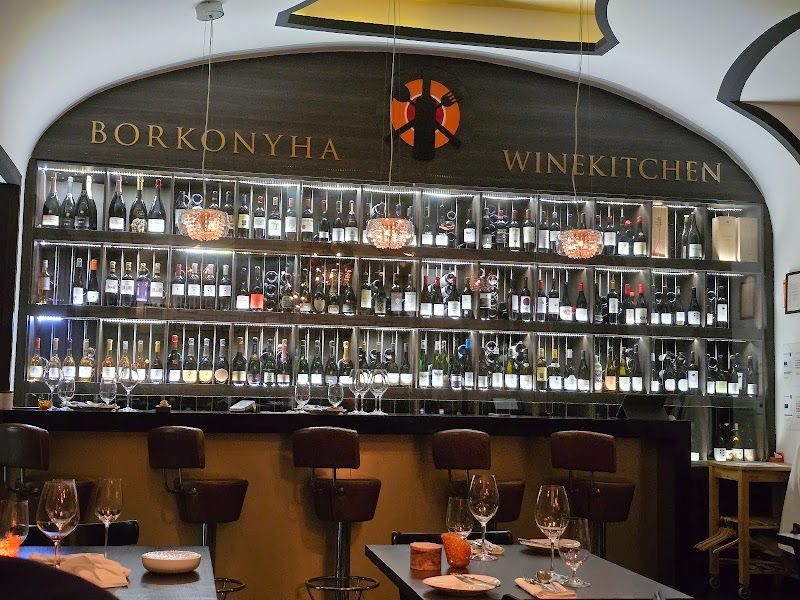
Borkonyha Winekitchen represents Budapest's fine dining pinnacle, where tasting menus start around EUR 60 before wine. Other acclaimed restaurants like Costes and Stand25 Bisztró charge EUR 35-50 for multi-course meals.
Wine prices at upscale restaurants reflect Hungary's excellent wine regions. Hungarian wines cost EUR 6-15 per glass, while international selections reach EUR 12-25. Many restaurants offer excellent Hungarian wine pairings that showcase local varietals like Furmint and Kadarka.
The New York Café deserves special mention for its EUR 25-35 afternoon tea service. While expensive for Budapest, the elaborate presentation and historic setting justify the premium for a one-time experience.
Street Food and Quick Bite Prices
Traditional Hungarian Street Food
Budapest street food prices remain remarkably affordable, making quick meals accessible to any budget. Lángos costs EUR 3-6 depending on toppings and location. This deep-fried flatbread topped with sour cream and cheese serves as Hungary's most popular street snack.
Basic lángos with sour cream and cheese costs EUR 3-4 at local markets and EUR 5-6 in tourist areas. Premium versions with ham, sausage, or vegetables add EUR 1-2. The Great Market Hall's lángos stalls offer some of the city's best at competitive prices.
Kürtőskalács (chimney cake) costs EUR 2-4 from street vendors throughout the city. These sweet, spiral-shaped pastries get coated with sugar, cinnamon, or nuts. Tourist areas charge EUR 3-4, while local markets offer them for EUR 2-3.
Traditional sausages ("kolbász") from street vendors cost EUR 3-5 including bread. These make filling snacks while exploring neighborhoods like the Castle District or walking along the Danube promenade.
International Street Food
Budapest's growing international food scene includes food trucks and casual eateries serving non-Hungarian cuisine at reasonable prices. Vietnamese pho costs EUR 5-8, while döner kebab runs EUR 4-7. These options provide familiar flavors for travelers seeking a break from Hungarian cuisine.
Pizza slices cost EUR 2-4, with whole pizzas ranging EUR 8-15 depending on size and toppings. Italian restaurants in tourist areas charge more, but neighborhood pizzerias offer excellent value.
Burgers at casual restaurants cost EUR 8-15, comparable to other European cities but with larger portions. Local chains like Zing Burger provide good alternatives to international fast food at similar prices.
Coffee and Pastry Costs
Budapest's café culture offers excellent value compared to other European capitals. Espresso costs EUR 1.5-3.5, with local neighborhood cafes charging less than tourist-area establishments. Cappuccino and latte prices range EUR 2-5.
Budget breakfast combining pastry and coffee costs EUR 3-6 at bakeries and casual cafes. Traditional Hungarian pastries like strudel or pogácsa (savory scones) cost EUR 1-3 each. These provide filling, inexpensive breakfast options.
The city's famous cake shops, including Café Gerbeaud, charge EUR 5-8 per slice for elaborate tortes and desserts. While expensive for Budapest, these represent special occasion treats rather than daily purchases.
Market Shopping and Grocery Prices
Great Market Hall Price Guide
The Great Market Hall offers Budapest's best introduction to Hungarian ingredients and prepared foods. Entrance is free, with costs limited to purchases. This 19th-century market hall combines tourist attraction with functioning local market.
Upstairs food stalls serve traditional dishes at reasonable prices. Goulash costs EUR 5-7, while lángos runs EUR 4-5. These portions are generous and provide authentic Hungarian flavors in a atmospheric setting.
Ground floor vendors sell paprika, sausages, and Hungarian specialties. Small bags of high-quality paprika cost EUR 3-5, making excellent souvenirs. Local honey costs EUR 4-8 per jar, while Hungarian wines start around EUR 6-10 per bottle.
Fresh produce prices vary seasonally but remain affordable. Apples cost EUR 1-2 per kilogram, while seasonal vegetables like peppers and tomatoes run EUR 2-4 per kilogram. The market's central location and tourist focus means prices exceed neighborhood markets by 20-30%.
Bookable Budapest Food Tours
If you want one guided deep-dive before eating on your own terms, both of these are listed on our activity pages. Neither is a budget move, so skip them if maximizing forints per meal is the whole plan:
- Budapest Food Tour: Market to Tavern starts at the Central Market Hall covered above, with a skip-the-line stop, then runs 3 hours and 14 or more tastings through a bakery, goulash at two restaurant stops, a wine and spirits tasting, and a chimney cake to finish. It replaces a full day of meals, costs EUR 72, and groups stay under 12.
- Budapest Culinary and Wine Walk is the slower option: Budapest's oldest food tour, 4 hours and 8 stops from market tastings through a butcher lunch and a classic coffeehouse to a sommelier-led Tokaji finale. Groups cap at 8, and it runs mornings Monday to Saturday.
Neighborhood Market Prices
Budapest's neighborhood markets offer lower prices than the Great Market Hall while maintaining authentic local character. Hunyadi tér Market in the Jewish Quarter and Hold utca Market near St. Stephen's Basilica serve primarily local customers.
Bread costs EUR 0.8-1.5 per loaf at these markets, while local cheeses run EUR 5-10 per kilogram. Hungarian salamis and sausages cost EUR 8-15 per kilogram, significantly less than specialty shops in tourist areas.
Seasonal fruits and vegetables cost 20-40% less than the Great Market Hall. Summer tomatoes and peppers - essential Hungarian ingredients - cost EUR 1.5-3 per kilogram. Winter root vegetables maintain similar affordability.
Supermarket and Grocery Shopping
Major supermarket chains like Tesco, Spar, and CBA provide familiar shopping experiences with competitive prices. Bottled water costs EUR 1-2.5, though Budapest's tap water is safe and restaurants serve it free upon request.
Local beer costs EUR 0.8-1.5 per bottle at supermarkets, while Hungarian wines start around EUR 3-5. International wine and beer selections cost more but remain reasonable compared to other European capitals.
Basic groceries for self-catering include bread (EUR 0.6-1.2), milk (EUR 0.8-1.2), and eggs (EUR 1.5-2.5 per dozen). These prices make apartment rentals with kitchens attractive for longer stays.
Imported and specialty products command premium prices. International cheeses, exotic fruits, and branded items cost 30-50% more than local alternatives. Shopping local ingredients provides both cultural immersion and budget benefits.
Neighborhood-Specific Food Costs
Belváros Dining Prices
Belváros encompasses Budapest's city center, where restaurant prices reflect the tourist-heavy location. Restaurants near the Hungarian Parliament Building and Chain Bridge charge premium rates for standard Hungarian fare.
Lunch menus in central Belváros cost EUR 10-15, about 30% more than residential areas. Tourist restaurants offer multilingual menus and accept credit cards but rarely provide exceptional value. Better options exist one or two blocks away from major attractions.
Coffee shops near major hotels charge EUR 3-5 for espresso, while neighborhood cafes on side streets offer the same quality for EUR 1.5-2.5. Walking five minutes from tourist zones typically reduces food costs by 25-40%.
Jewish Quarter Food Scene
The Jewish Quarter balances tourist appeal with local dining culture. Ruin bars serve simple Hungarian dishes alongside creative cocktails, with main courses costing EUR 8-15. The area's night market on weekends offers street food from various vendors.
Traditional Jewish restaurants serve specialties like cholent and gefilte fish, with complete meals costing EUR 15-25. These establishments provide cultural experiences alongside dining, justifying slightly higher prices.
Gozsdu Courtyard restaurants target both tourists and locals, creating competitive pricing. Main courses cost EUR 10-18, while wine and beer prices match citywide averages. The courtyard's evening atmosphere adds value beyond just food costs.
Castle District Premium Pricing
The Castle District commands Budapest's highest restaurant prices due to its UNESCO World Heritage status and tourist density. Restaurants with views of the Danube or Pest skyline charge significant premiums for location.
Lunch near Fisherman's Bastion costs EUR 12-20 for basic Hungarian dishes. The same meals cost EUR 8-12 in other neighborhoods. However, the historic setting and views provide intangible value for special occasion meals.
Stand25 Bisztró represents the Castle District's fine dining scene, where multi-course meals cost EUR 35-50. While expensive for Budapest, the restaurant's quality and unique location in the old stock exchange building justify the premium.
Street food options are limited in the Castle District, with most vendors charging EUR 5-7 for items that cost EUR 3-4 elsewhere. Pack snacks or plan to eat in other neighborhoods to control costs.
Seasonal Price Variations and Money-Saving Tips
Summer vs Winter Food Costs
Budapest food prices fluctuate seasonally, particularly for fresh ingredients and restaurant terraces. Summer brings higher prices at outdoor dining establishments, with terrace fees adding EUR 1-2 per person at some restaurants. However, increased competition from seasonal vendors often reduces street food costs.
Winter heating costs affect restaurant operations, but most establishments maintain stable menu prices year-round. Seasonal ingredients like asparagus and wild mushrooms command premium prices during their short seasons.
Holiday periods, especially Christmas and Easter, see temporary price increases of 10-20% at tourist-oriented restaurants. Local establishments typically maintain normal pricing during these periods.
Budget Optimization Strategies
Timing meals strategically reduces Budapest food costs significantly. Lunch menus offer 40-60% savings compared to dinner prices at the same restaurants. Many establishments serve identical portions at lunch and dinner, making midday meals excellent values.
Shopping at neighborhood markets instead of the Great Market Hall saves 20-30% on ingredients and prepared foods. Local markets also provide more authentic experiences with fewer tourist crowds. The Great Market Hall guide covers which stalls are worth the tourist markup and which are not.
Hungarian wine provides exceptional value compared to international alternatives. Restaurant wine markups are reasonable, and local varieties offer unique flavors at EUR 6-15 per glass. Many establishments offer wine flights showcasing regional specialties.
Self-catering one or two meals per day dramatically reduces overall food costs. Supermarket prices for quality ingredients allow preparation of traditional Hungarian dishes for EUR 5-8 per person. This approach works particularly well for breakfast and lunch.
Budapest food prices in 2026 reward travelers who balance tourist experiences with local dining culture. Tourist restaurants provide convenience and atmosphere at premium prices, while neighborhood establishments offer authentic Hungarian cuisine at exceptional values. Street food and markets bridge these extremes, delivering cultural experiences at budget-friendly costs. The key lies in understanding when to splurge on special experiences like the New York Café while maintaining daily budgets through local choices.
Planning a longer stay in Budapest allows for grocery shopping and home cooking, further reducing costs while providing opportunities to master Hungarian recipes. The city's excellent public transportation system makes it easy to explore different neighborhoods' dining scenes, from the upscale Castle District to authentic local spots in residential areas. Whether you're budgeting EUR 25 per day for basic meals or EUR 80 for fine dining experiences, Budapest's food scene accommodates every price point while delivering genuine Hungarian hospitality and flavors.
If you are still choosing between the two obvious Central European options, Budapest vs Prague weighs them on cost and character, and the Budapest hub has the neighborhoods and attractions once you have decided.