Budapest is one of the few European capitals that genuinely earns the word "dramatic." Two cities, Buda and Pest, merged in 1873 and still feel like separate places on either side of the Danube. This budapest travel guide 2026 gives you what you actually need: where to stay, what things cost, how to move around, which experiences are worth the queue, and which ones you can skip. Whether this is your first visit or your third, there's a version of Budapest that fits your pace and your budget.
Understanding Budapest Before You Arrive
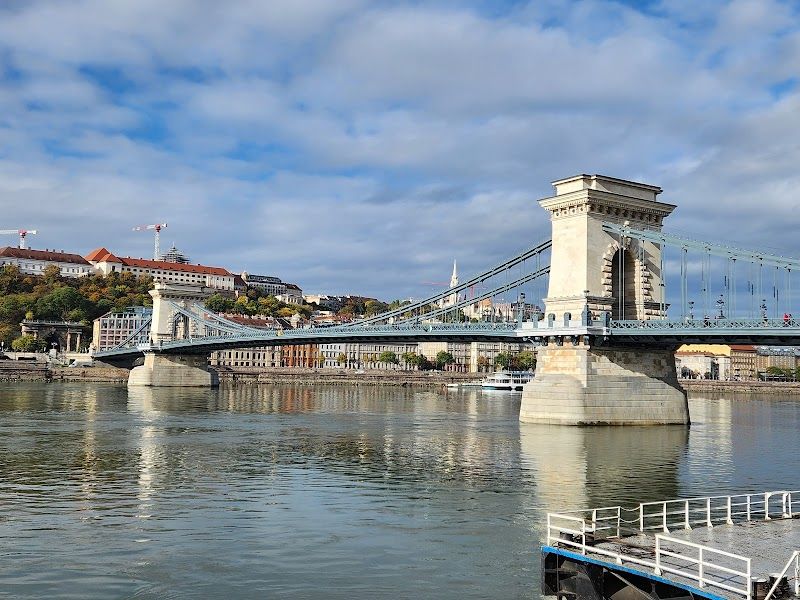
The Danube isn't just a pretty backdrop, it's the fault line between two different cities. Buda, on the west bank, is older, hillier, and quieter. The Castle District sits 170 metres above the river, and Gellért Hill rises even higher to the south. Buda is where you come for views, medieval architecture, and a slower atmosphere. Pest, on the east bank, is where most of the city's life happens: the 19th-century boulevards, the parliament, the Great Market Hall, the ruin bars, the restaurants, and the hotels. Most travelers stay in Pest and visit Buda on day trips across the Chain Bridge, which is free to cross on foot.
The thing that makes Budapest genuinely different from Vienna, Prague, or Warsaw is what's underground. The city sits on more than 100 natural thermal springs, and the Hungarians built ornate bath complexes directly above them starting in the Ottoman period. This isn't a gimmick, it's a daily institution. You should plan at least one full bath day into any itinerary.
The Four Neighborhoods You Need to Know
Belváros (District V) is Pest's downtown core and where most first-timers base themselves. It's walkable, well-served by metro lines M1, M2, and M3 converging at Deák Ferenc tér, and packed with hotels at every price point.
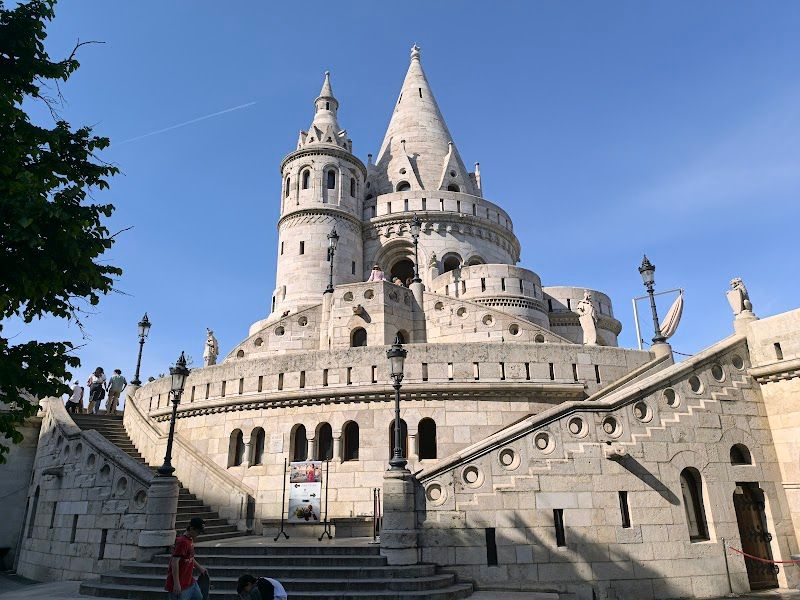
The Castle District (District I) is Buda's historic crown: a pedestrianized hilltop neighborhood with Buda Castle, Matthias Church, and Fisherman's Bastion. Lovely for two to three hours, not worth staying in unless you specifically want the quiet.
The Jewish Quarter (District VII) is Budapest's most energetic neighborhood for nightlife and culture. The Great Synagogue on Dohány Street, the House of Terror on Andrássy Avenue, and the city's famous ruin bars all sit within walking distance of each other.
City Park (District XIV) anchors the eastern end of Andrássy Avenue. It's where you'll find Széchenyi Thermal Baths, Heroes' Square, and the Museum of Fine Arts. It's a half-day destination, not a base.
Getting Around Budapest: Transport Costs Explained
Budapest's public transport network (BKK) is cheap, reliable, and fast enough that taxis are rarely necessary within the city. The metro has four lines; M1 runs under Andrássy Avenue and is the oldest underground railway in continental Europe. Trams 2 and 2A run the length of the Pest embankment and offer some of the best Danube views in the city for the price of a ticket.
| Ticket Type | Price | Best For |
|---|---|---|
| Single ticket (80 min, 1 transfer) | EUR 1.2 | One-off journeys |
| 10-ride block | EUR 10.5 | Short stays, irregular use |
| 24-hour pass | EUR 5.9 | Full day of sightseeing |
| 72-hour pass | EUR 15.2 | 3-day first-time visit |
| Budapest Card 24hr | EUR 28 | Includes museum discounts |
For most first-timers spending three days, the 72-hour pass at EUR 15.2 is the right call. The Budapest Card is only worth it if you plan to hit several paid museums in a single day.
Getting In from the Airport
Budapest Ferenc Liszt International Airport is about 16km southeast of the center. The 100E airport shuttle bus to Deák Ferenc tér costs EUR 3.5 and takes 35-40 minutes, making it the obvious choice for travelers staying in Pest. It runs every 10-20 minutes and drops you at the city's main transport hub. A taxi costs EUR 25-35 for central destinations and makes more sense if you're arriving late at night or have heavy luggage.
What Budapest Actually Costs Per Day
Budapest remains one of the best-value capitals in Europe, but prices have shifted upward over the past few years. You're no longer looking at Prague 2010 prices, but you're also nowhere near Amsterdam or Paris.
| Budget Level | Accommodation | Food | Activities | Daily Total |
|---|---|---|---|---|
| Backpacker | EUR 12-25 (hostel dorm) | EUR 15-20 | EUR 5-10 | EUR 32-55 |
| Mid-range | EUR 60-120 (3-4 star) | EUR 30-45 | EUR 20-30 | EUR 110-195 |
| Comfort | EUR 90-180 (boutique) | EUR 50-80 | EUR 30-50 | EUR 170-310 |
| Luxury | EUR 200-450 (5-star) | EUR 80-120 | EUR 50-80 | EUR 330-650 |
For food, a budget lunch with a daily menu runs EUR 6-12 at local restaurants away from the main tourist streets. A mid-range three-course dinner with a drink costs EUR 20-35. A 0.5L local beer is EUR 2.5-5 depending on whether you're at a ruin bar or a tourist-facing café. Lángos, the fried bread that's a better lunch than half the sit-down options in the city, costs EUR 3-6 at the Great Market Hall.
The best way to underspend is to eat lunch as your main meal. Most Hungarian restaurants serve a weekday lunch menu (napi menü) that includes soup, a main, and often a drink for EUR 8-10. It's the same kitchen, the same food, and it costs half what dinner does.
The Thermal Baths: Which One Should You Go To
This is the question every visitor asks, and the honest answer is that it depends on what you want from the experience. There are three serious contenders.
Széchenyi in City Park is the largest and the most social. The outdoor pools are the ones in every photograph, and the Saturday night parties (Sparty) have made it famous on the backpacker circuit. The full-day ticket costs EUR 25. It's busy, it's fun, and it's the right choice if you want the classic Budapest bath experience.
Gellért is the most architecturally impressive, housed in a 1918 Art Nouveau building at the foot of Gellért Hill. It's more expensive and the interior can feel a little worn in places, but the main pool under the glass ceiling is genuinely unlike anything else in the city.
Rudas is the one to choose if you want the oldest, most atmospheric experience. The octagonal domed pool dates from the 16th century, and the rooftop pool has direct views over the Danube. It's smaller and gets less crowded than Széchenyi.
For a deeper comparison of all three, the DAIZ Budapest thermal baths guide breaks down prices, crowds, facilities, and exactly which one fits which type of traveler.
A Practical Budapest Itinerary for First-Timers
Three days is the minimum to cover the essentials without feeling rushed. Here's how to structure them.
Day 1: Pest's Core
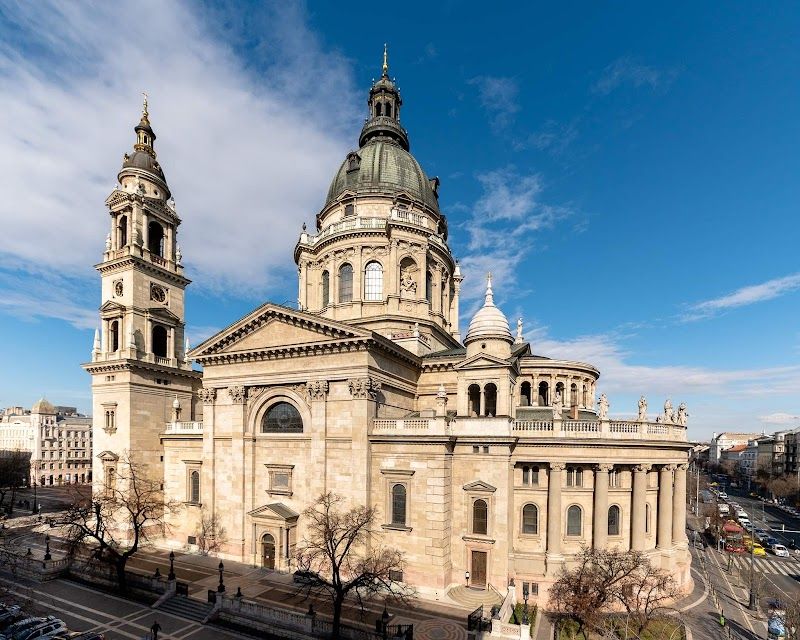
Start at St. Stephen's Basilica (dome access EUR 8 for the views, the basilica itself is free). Walk south along Váci Street to the Great Market Hall for lunch. The upper gallery stalls sell lángos, pörkölt (Hungarian stew), and chimney cakes; the ground floor is for produce. Prices are higher than local markets but still reasonable.
In the afternoon, walk north along the Danube embankment to the Hungarian Parliament Building. The guided tour costs EUR 22 and requires advance booking. Even if you skip the interior, the exterior from the Pest riverbank is worth the walk. End the evening in the Jewish Quarter: the House of Terror (EUR 12) closes at 6pm, so visit late afternoon, then move into the ruin bars after dark. For a proper walking route through the quarter, see our ruin bars nightlife guide.
Day 2: Buda and the Castle Hill
Take tram 19 or 41 along the Buda embankment to Clark Ádám tér and ride the funicular (or walk the path for free) up to Castle Hill. Start at Fisherman's Bastion: the lower terrace is free, the upper panoramic terraces cost EUR 4 and are worth it for the unobstructed parliament view across the river. Matthias Church is directly adjacent. Walk south through the Castle District to Buda Castle, where exhibition entry runs EUR 15-25 depending on what's showing.
In the afternoon, descend to Gellért Hill for the best panoramic view in Budapest. It's free and requires about 20 minutes on foot from the southern tip of Castle Hill via the connecting path.
Day 3: Andrássy Avenue and City Park
Andrássy Avenue runs northeast from the city center to Heroes' Square, and it's one of the finest 19th-century boulevards in Europe. The Hungarian State Opera House sits about halfway along; guided tours cost EUR 15 and are genuinely informative. Heroes' Square at the far end is free. From there, City Park and Széchenyi Baths are a five-minute walk.
For a complete structured version of this itinerary with timing, transport directions, and meal stops built in, see the DAIZ 3 days in Budapest guide.
Best Time to Visit Budapest
Budapest works year-round, but the seasons pull in genuinely different directions.
April to June is the best window overall. Temperatures are between 15-25°C, the outdoor pools at Széchenyi open fully, and the city's parks are worth using. Crowds are manageable before the summer peak.
July and August brings the most visitors and the highest prices for accommodation. The baths shift toward party-tourism mode. If you're coming in summer, book hotels at least six to eight weeks ahead.
September and October rivals spring for overall quality. Temperatures drop slightly but remain comfortable, the wine harvest season means better cellar offerings in restaurants, and the crowds thin out after the first week of September.
November through March is cold, occasionally grey, and significantly cheaper. Hotels drop to their lowest rates. The indoor bath halls come into their own when it's below freezing outside, and there's no queue for Fisherman's Bastion.
Budapest's Cafés and a Note on the New York Café
Budapest has a serious café culture dating from the late 19th century, when the city's coffeehouses functioned as writers' offices and political meeting rooms. Café Gerbeaud on Vörösmarty tér is the most historically important, open since 1858, and yes, it's expensive and tourist-heavy. The pastries are good but the main draw is the interior.
The New York Café on Erzsébet körút gets attention for its baroque excess and is genuinely worth seeing, but the food and coffee are overpriced relative to quality. Go for a coffee and the interior; don't plan a meal there.
For an espresso at a price that feels proportionate to Budapest's general cost of living, expect to pay EUR 1.5-3.5. Anything above that and you're paying for the room, not the coffee.
Honest Verdicts: What's Worth It and What Isn't
Worth every euro: A full day at a thermal bath, the Parliament tour (book ahead), the House of Terror (more affecting than most war museums in Europe), and the Great Market Hall for lunch.
Worth seeing, skip the premium: Fisherman's Bastion is excellent from the free lower terrace. The upper terraces at EUR 4 are worth it on a clear day but not in mist or heavy cloud.
Overrated for most travelers: The New York Café as a restaurant. Váci Street as a shopping destination. The Chain Bridge is beautiful to look at and free to walk across, but the traffic renovation works have disrupted the surrounding area in recent years, so check current status before planning around it.
Underrated: The Rudas Baths on a weekday morning. The Museum of Fine Arts (EUR 12) opposite Heroes' Square, which has a genuinely strong European collection and rarely feels crowded. Gellért Hill at sunset, which costs nothing and delivers the most complete view of both halves of the city at once.
Budapest rewards travelers who push past the obvious. But the obvious is also genuinely good here, which is the honest case for visiting in 2026.