Berlin · Kreuzberg

Tomasa

Israeli-Mediterranean restaurant in Neukölln's Schillerkiez serving sharing plates like roasted cauliflower with tahini and housemade laffa bread.
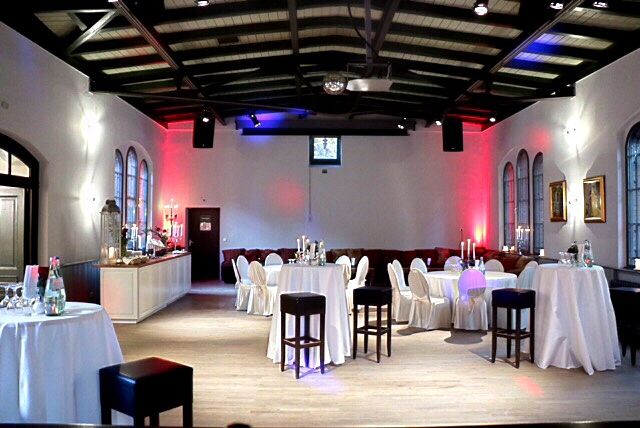
Tomasa, Berlin · Kreuzberg
Category
Restaurant
Duration
2 hours
Best Time
Any time
Entry
€€€
Rating
4.5 (2,407)
The place

About Tomasa

Israeli-Mediterranean restaurant in Neukölln's Schillerkiez serving sharing plates like roasted cauliflower with tahini and housemade laffa bread. Small natural wine selection rotates weekly.

Book ahead

Book Tickets

Live availability and skip-the-line options from our booking partners.

Search on Viator →Search on GetYourGuide →

Booking powered by our partners. DAIZ may earn a commission.

The place

Getting there

Address
Kreuzbergstraße 62, 10965 Berlin, Germany
Neighborhood
Kreuzberg
Nearest Metro
U1/U3 to Kottbusser TorU6/U7 to MehringdammU1 to Schlesisches Tor
View on Google Maps →
Good to know

Tips, answered

Dinner reservations essential on weekends -or arrive at 6pm when they open for walk-in seats at the bar

Plan for about 2 hours.

Tomasa is in the Kreuzberg neighborhood of Berlin. The address is Kreuzbergstraße 62, 10965 Berlin, Germany. The area is well-served by metro.

This works well at any time of day, though mornings tend to be quieter. Weekdays are less crowded than weekends.

Around the corner

Nearby in Kreuzberg

Explore all →
Checkpoint Charlie
Landmark

Checkpoint Charlie

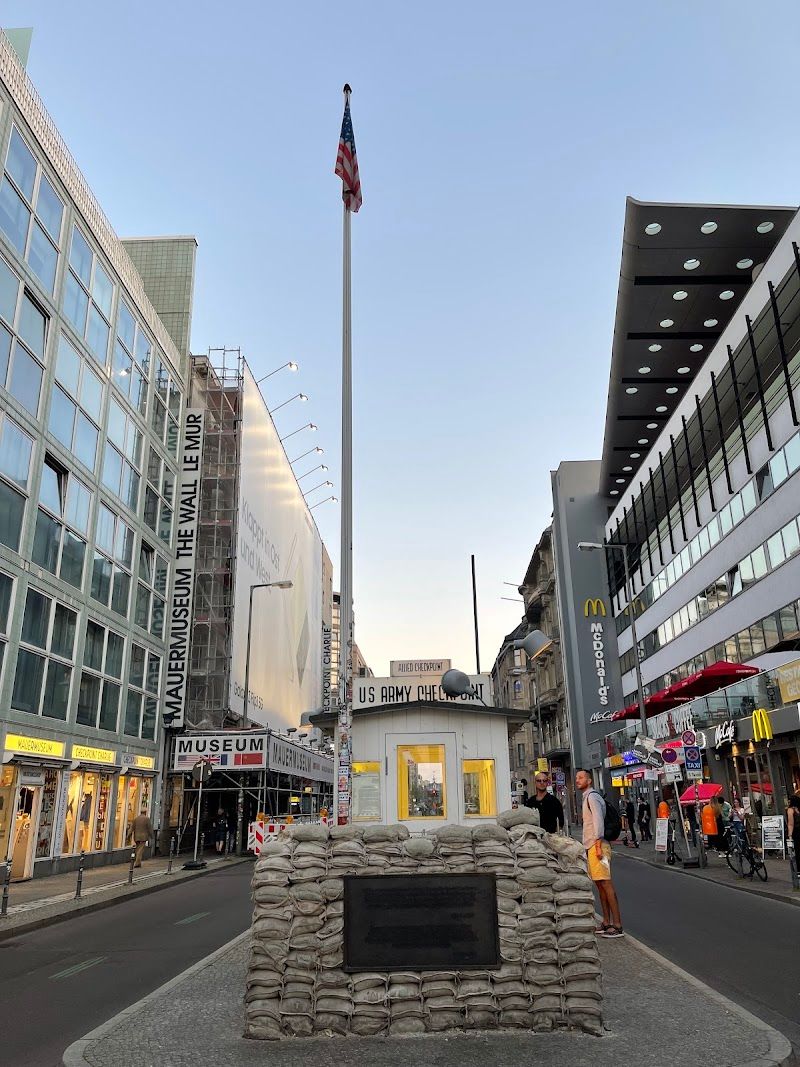
The most famous Cold War crossing point between East and West Berlin, at the junction of Friedrichstrasse and Zimmerstrasse. The outdoor area is, frankly, touristy: the reconstructed guardhouse, the actors in uniforms charging EUR3-5 for photos, the souvenir shops selling fragments of "genuine Wall" that were manufactured in a factory somewhere. If you stop here, you will wonder what the fuss is about. But go upstairs. The Mauermuseum (Wall Museum, EUR17.50) is genuinely worth an hour and tells the stories that the outdoor circus does not. The escape vehicles are the centerpiece: a modified car with a hiding compartment barely large enough for a person, a homemade hot air balloon that carried two families across the border, a mini-submarine, and suitcases modified to conceal children. Each exhibit tells a specific story of a specific person who risked everything to cross a concrete line. The museum is chaotic, overstuffed, and feels like it was curated by someone who acquired objects faster than they could organize them. That is because it was, Rainer Hildebrandt started collecting escape stories in 1963, two years after the Wall went up, and the collection grew organically. The disorder is part of the experience. The Black Box Cold War exhibition across the street is free, more modern, and provides geopolitical context that the Mauermuseum deliberately avoids in favor of personal stories. The best way to understand Checkpoint Charlie is to visit it as part of a longer walk: start at the Topography of Terror (10 minutes south), then walk north to the checkpoint, then continue to Gendarmenmarkt for lunch.

1-2 hoursExplore
Topography of Terror
Museum

Topography of Terror

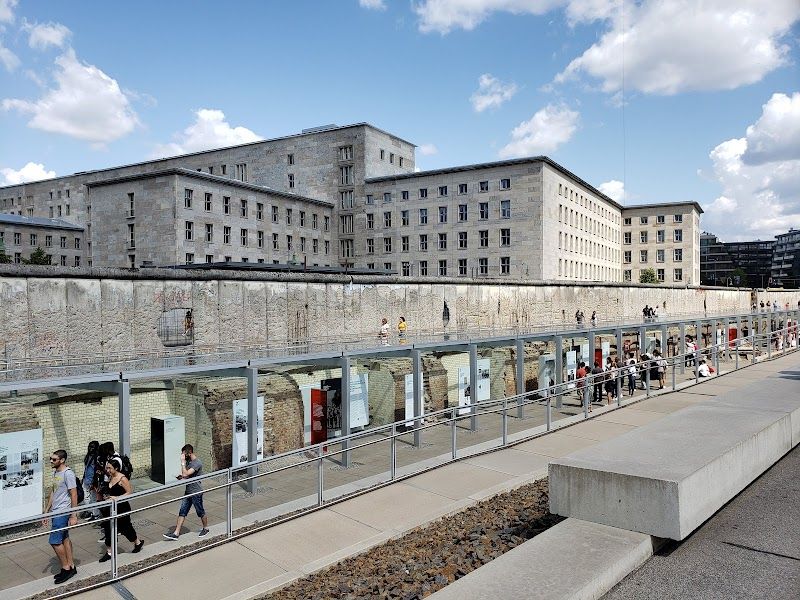
Built on the exact site of the former Gestapo and SS headquarters at Prinz-Albrecht-Strasse (now Niederkirchnerstrasse), this free museum documents how the Nazi terror apparatus functioned with photographs, documents, orders, and eyewitness accounts. A preserved section of the Berlin Wall runs along one side of the property, adding a second layer of German history to the site. The exhibition is methodical, chronological, and devastating in its detail. It traces the rise of the SS and Gestapo from 1933, the systematic persecution of Jews, Roma, political opponents, and other targeted groups, the administration of the concentration camp system, and the organization of the Holocaust. It does not editorialize. It lets the documents speak: typed orders, photographed faces, bureaucratic memos that reduce human lives to logistics problems. The building itself is a deliberate architectural statement. The simple, transparent structure by architect Peter Zumthor (replaced by Ursula Wilms after Zumthor withdrew) sits partially above the excavated cellars where prisoners were held and interrogated. You walk above the ruins. The outdoor exhibition along the preserved Wall section is separate from the indoor museum and covers the history of the site itself. This is arguably the most important free museum in Germany. It receives over a million visitors a year and does not charge admission, a deliberate choice. Plan 90 minutes minimum. The documentation is text-heavy and emotionally demanding, so pace yourself. The audio guide (EUR3) is worthwhile for context, especially for the outdoor exhibition where the ruins require interpretation.

1.5-2.5 hoursExplore
More on Berlin

From the blog

View all →
Ready for Berlin?

Let DAIZ plan your Berlin days

Tell us how long you've got and what you're into. We'll build a day-by-day plan, with the bookable bits ready to lock in.

Plan my Berlin tripFree · no signup to start
Plan your Berlin trip