Bath
Roman hot springs, the most beautiful Georgian architecture in England, and a rooftop spa with a view of the Abbey
About Bath
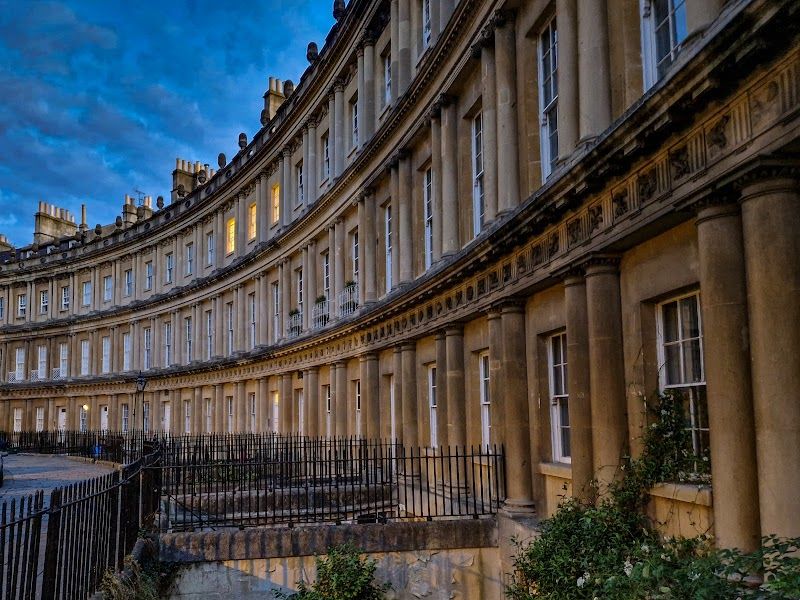
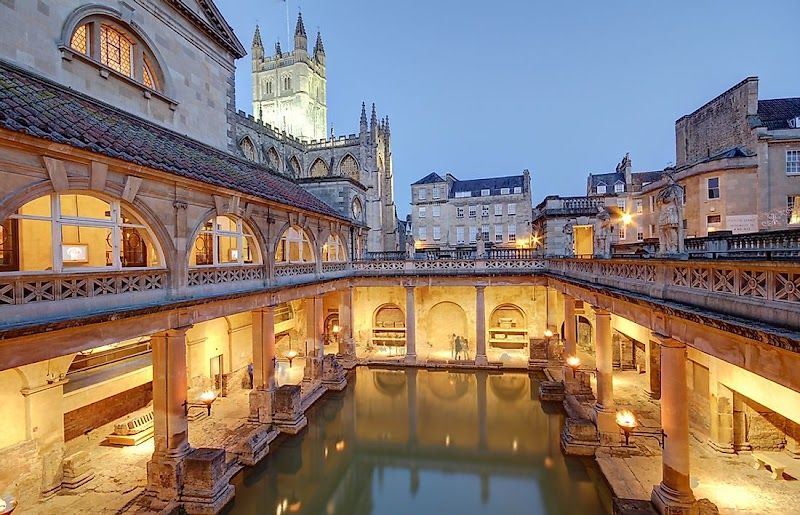
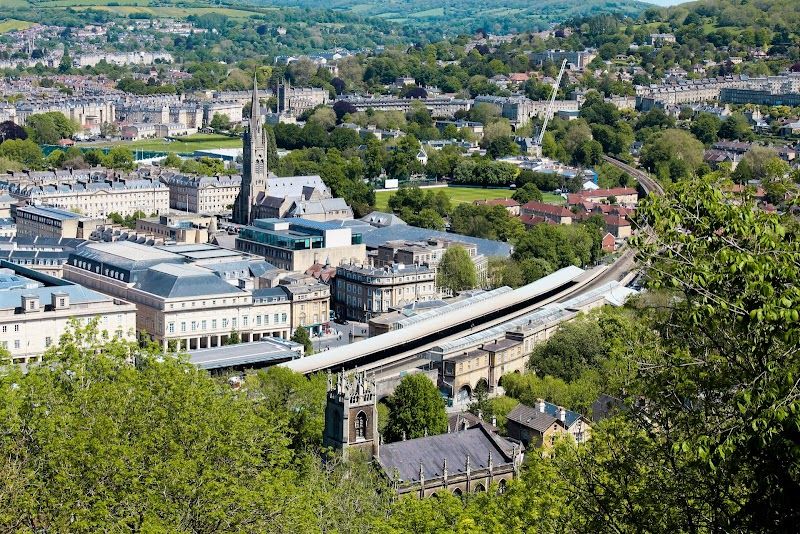
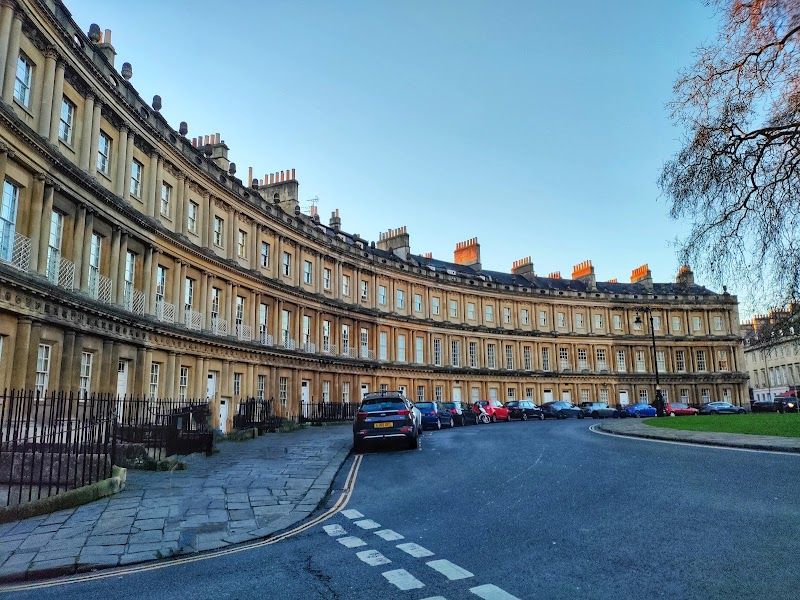
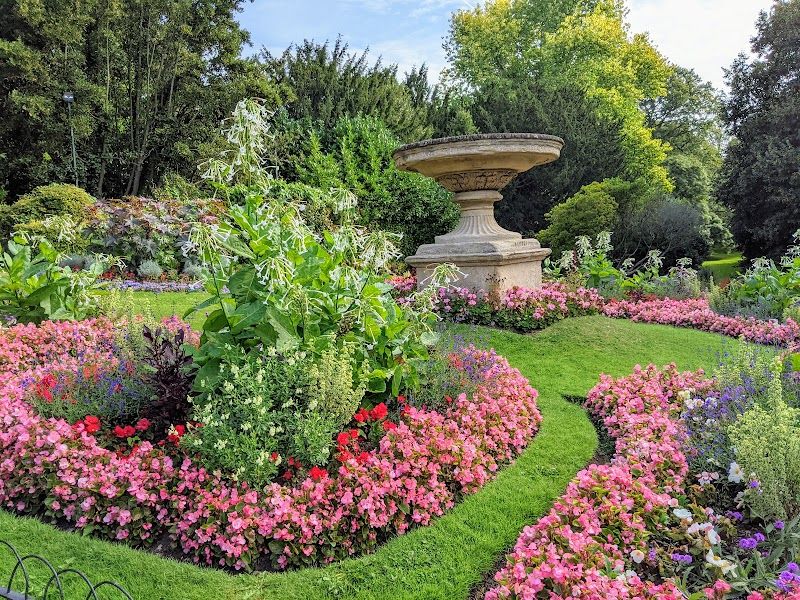
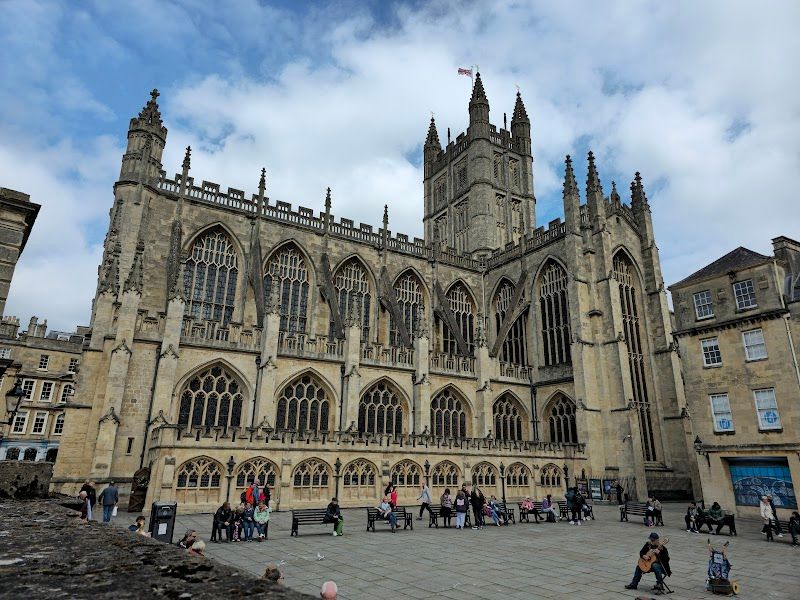
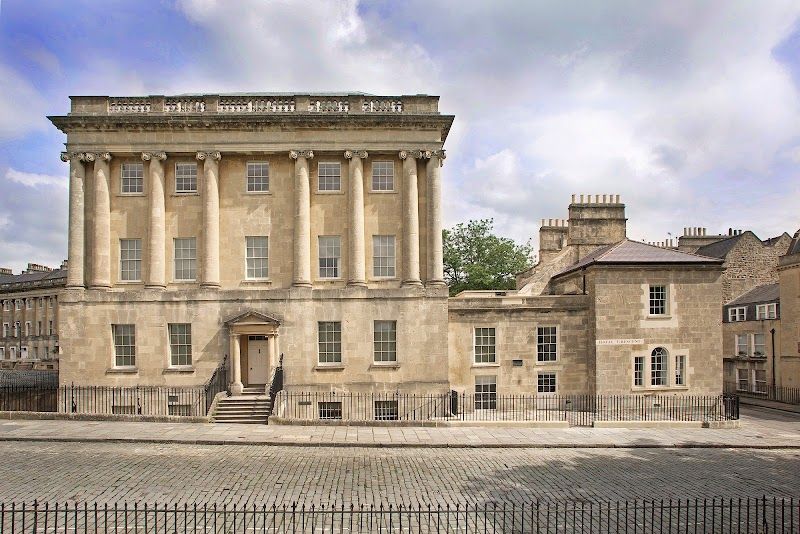
Bath is the city the Romans built because the hot springs were too good to ignore, and every civilisation since has agreed with them. The Roman Baths (GBP 26, the best-preserved Roman bathing complex in northern Europe, the green water and the steam rising from it are atmospheric enough to justify the steep entry price) sit in the centre of town next to Bath Abbey, and the rest of the city is built from the same honey-coloured Bath stone that makes every street look like it was designed to be photographed at golden hour. The Royal Crescent is the most famous Georgian terrace in England: 30 houses in a sweeping arc facing a lawn, built in the 1770s, and No. 1 Royal Crescent (GBP 12.50) is a museum that shows you how the Georgian elite lived.
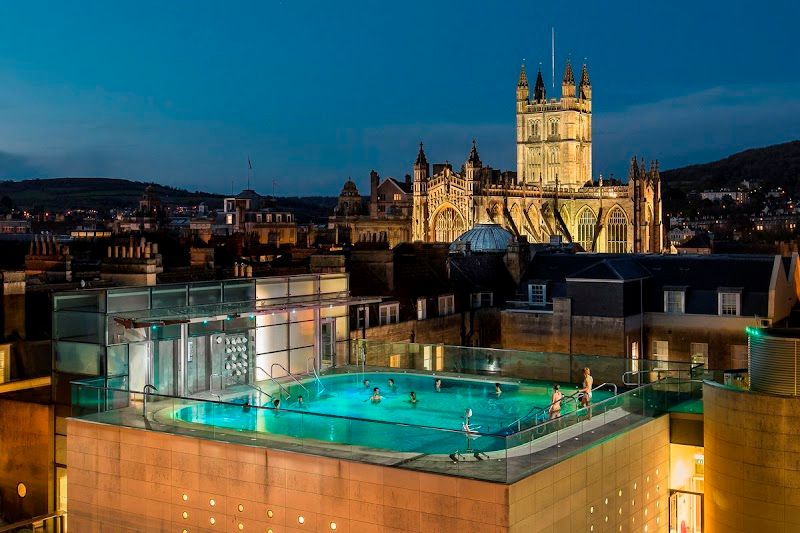
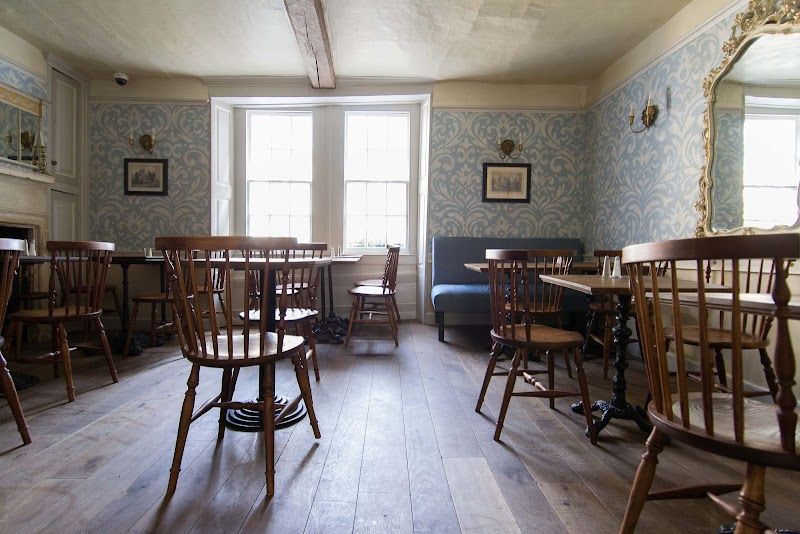
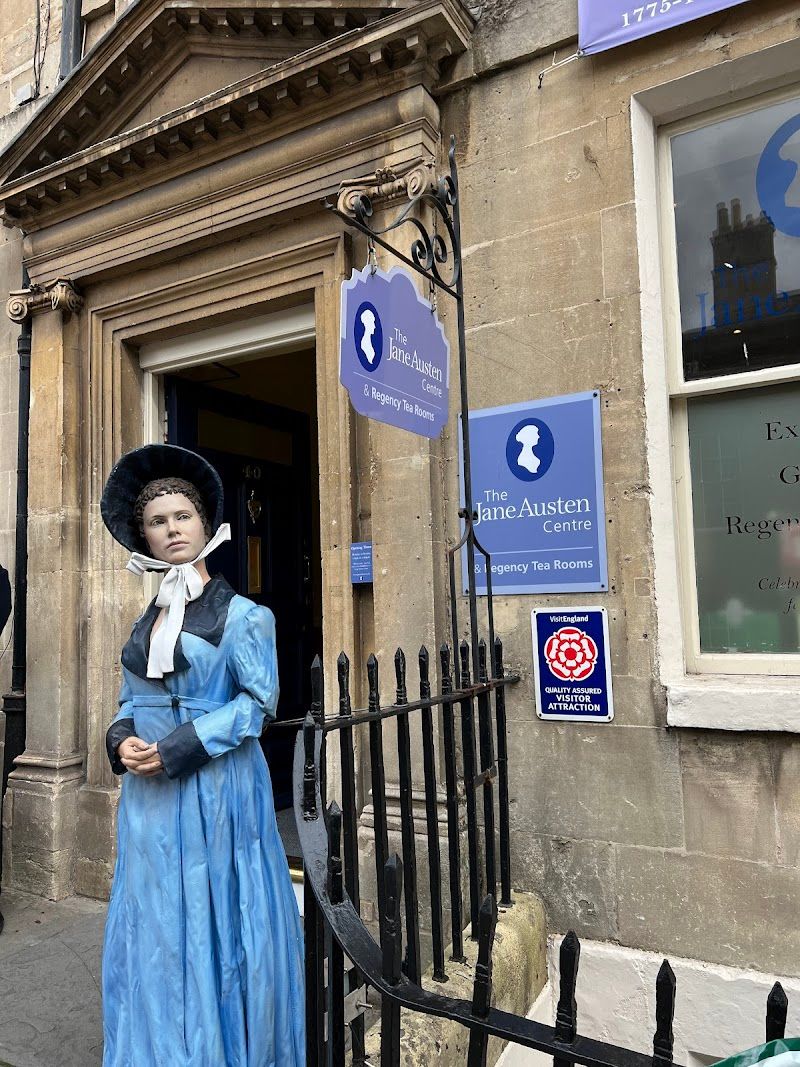
Jane Austen lived here and set two novels here, and the city trades on this with the Jane Austen Centre (GBP 14) and an annual festival in September. The Thermae Bath Spa (GBP 42 for 2 hours) is the modern version of what the Romans started: a rooftop pool fed by the same hot springs, open-air, with a view of Bath Abbey's tower while you float in naturally heated water. It is expensive and it is worth every pound. The Pump Room next to the Roman Baths serves afternoon tea (GBP 35-45 pp) and you can taste the spa water for free. It tastes of iron and warm minerals and is genuinely terrible, which is part of the experience.
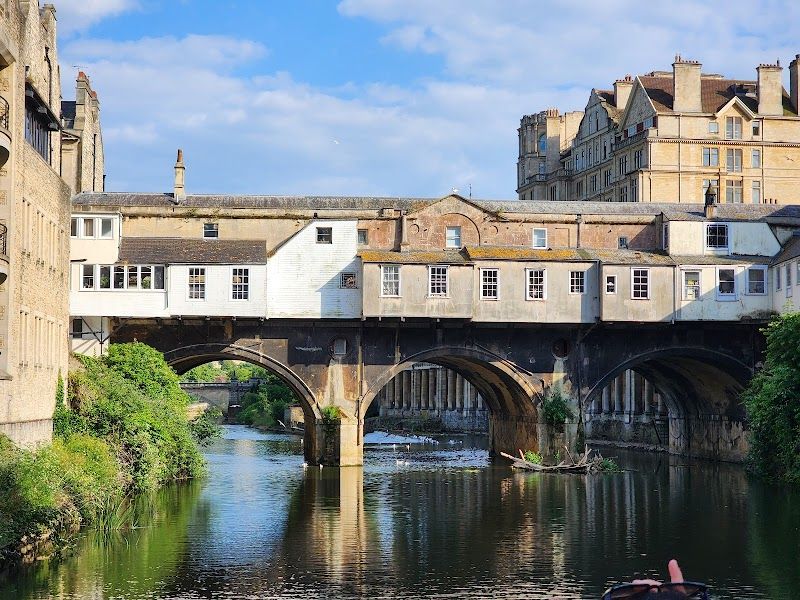
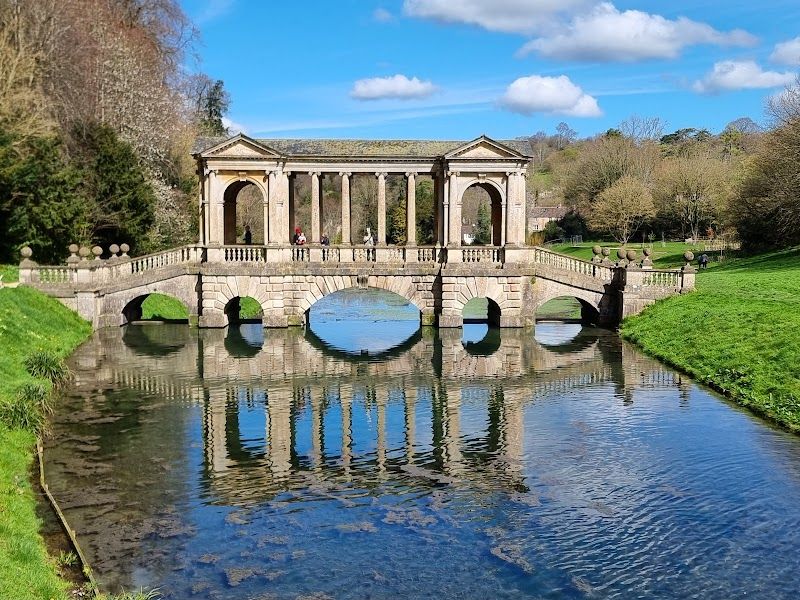
Bath is small enough to walk in a day. The entire centre is UNESCO World Heritage, and the loop from the Crescent to the Circus (the circular Georgian terrace that inspired the Crescent) to Pulteney Bridge (one of only four bridges in the world with shops on both sides) to the Abbey and the Baths takes 90 minutes without stopping. The food has improved dramatically: the independent restaurants around Kingsmead Square and Walcot Street have more ambition than most cities twice Bath's size, and Sally Lunn's (the oldest house in Bath, since 1482) still serves the Bath bun that the city claims to have invented.
Pick your base
Stay in Bath
Real-time pricing across hotels, apartments, and ryokans. Book direct from the map.
Things to do in Bath
Experiences worth booking ahead
Vetted tours and tickets we'd send a friend to. The ones worth reserving before you arrive.
Travel guides
From the blog

Practical bits, answered
Yes. The Roman Baths is the best-preserved Roman bathing complex in northern Europe, and the site itself - the great bath with its green water, the steam rising from the hot spring, the surrounding colonnades - is more impressive in person than in photographs. The museum collection is strong: the gilded bronze head of Minerva and the curse tablets thrown into the spring are the highlights. Book skip-the-line tickets online before you arrive: the queue without them can be 45-60 minutes in summer. The evening tours (running in high season from 7 PM, by torchlight) are significantly less crowded than daytime visits and worth planning around.
Yes, always. The spa caps capacity and sells out, particularly on weekends and during school holidays. Book at least a week ahead in summer, more in August. GBP 42 for 2 hours includes the rooftop pool, the indoor Minerva Bath, steam rooms, and waterfall shower. The rooftop pool at dusk, with the Abbey lit up and the air cooling, is the best version of the experience. Bring your own swimwear: towels and robes can be hired on-site.
Stonehenge is 25 miles from Bath, about 40 minutes by car or organised coach. There is no direct public transport: the most practical options are renting a car (GBP 30-50/day), taking a guided day trip that combines both sites (GBP 65-95 from Bath, or GBP 65-95 from London if you are coming from there), or taking a taxi (GBP 50-70 each way). If you are combining Stonehenge and Bath in a day from London, the organised coach tours are good value: they handle all the logistics and typically allow 1.5-2 hours at Stonehenge and 3-4 hours in Bath.
Completely. The city centre is small: it takes about 15 minutes to walk from the Roman Baths to the Royal Crescent, and the full loop of the main sights (Baths, Abbey, Pump Room, Pulteney Bridge, Circus, Royal Crescent) takes 90 minutes without stopping anywhere. The main caveat is gradient: Bath is built in a bowl and the streets going uphill to the Royal Crescent and the Circus are genuinely steep. The bus network covers most of the city for GBP 2.50-3.50 a journey, which is useful for Prior Park (no car park, take the bus from the city centre) and for getting to higher viewpoints without the climb.
Let DAIZ plan your Bath days
Tell us how long you've got and what you're into. We'll build a day-by-day plan, with the bookable bits ready to lock in.