The Bath vs Bordeaux decision comes down to whether you want to soak in Roman hot springs or sample wine. Both cities built their reputations on natural resources - Bath on thermal springs that attracted the Romans, Bordeaux on gravelly soil that produces some of France's finest wines. You'll find Georgian architecture in Bath and 18th-century French grandeur in Bordeaux, but the experiences differ dramatically.
Bath takes 2-3 days to see properly, costs around GBP 80-120 per day including accommodation, and works year-round. Bordeaux needs 3-4 days, runs EUR 90-140 daily, and shines best during harvest season (September-October). The choice depends on whether you prioritize compact historical sights or wine country exploration.
Why Bath Wins for History Lovers
Bath delivers 2,000 years of history in a walkable package that Bordeaux can't match. The Roman Baths (GBP 26.50) showcase the best-preserved Roman bathing complex in northern Europe, complete with the original Sacred Spring where the Celts first worshipped and the Great Bath where Romans actually bathed. The green water still steams at 46°C, and the audio guide includes commentary from Bill Bryson that makes the history accessible without dumbing it down.
The Georgian layer built on top of the Roman foundations creates architectural coherence that Bordeaux's mixed periods can't rival. The Royal Crescent presents 30 honey-colored houses in a perfect arc, designed by John Wood the Younger in the 1770s. You can visit No. 1 Royal Crescent (GBP 9.50) to see how Georgian society lived, from the servants' quarters in the basement to the drawing room on the first floor.
The Circus completes Bath's Georgian masterpiece - a circular terrace of 33 houses that predates the Royal Crescent by a decade. Both use the same Bath stone that ages to a warm honey color and creates visual unity across the city center. Bordeaux has beautiful 18th-century architecture along Place de la Bourse, but it's concentrated in specific areas rather than defining an entire city.
Bath's compact size means you can walk from Roman ruins to Georgian terraces to medieval Bath Abbey in 10 minutes. The Bath Abbey Tower Tour (GBP 8.50) takes you up 212 steps for views across the city that show how the different historical periods fit together. Bordeaux requires more time and transport to connect its scattered historical sites.
Why Bordeaux Wins for Wine and French Culture
Bordeaux offers experiences that Bath simply cannot provide. The wine estates in Saint-Émilion and Médoc represent centuries of winemaking tradition, with châteaux like Margaux and Lafite Rothschild producing some of the world's most expensive bottles. Even modest estate visits cost EUR 15-25 and include tastings of wines you can't find elsewhere.
The city itself embraces French café culture in ways that Bath's tea shops don't match. Place Gambetta and Cours de l'Intendance offer proper French bistros where locals spend hours over lunch, and the wine bars along Quai de Bacalan serve regional bottles by the glass for EUR 8-12. Bath has good restaurants, but they close earlier and lack the lingering social atmosphere of French establishments.
Bordeaux's Cité du Vin (EUR 22) provides wine education that goes far beyond what you'll find in Bath. The interactive exhibits explain terroir, viticulture, and tasting techniques, while the panoramic restaurant on the 8th floor serves wine flights matched to views of the Garonne River. Bath's museums focus on history and literature rather than offering specialized cultural experiences.
The French approach to food markets also surpasses Bath's options. Marché des Capucins operates daily except Monday, selling local produce, cheese, and wine that locals actually buy. Bath's Guildhall Market serves tourists more than residents, with fewer authentic local products.
Bath vs Bordeaux Rugby: A Different Comparison
The Bath vs Bordeaux rugby connection adds another layer for sports fans. Bath Rugby plays at The Recreation Ground, where you can watch Premiership matches from October to May. Tickets cost GBP 25-45, and the stadium sits right in the city center, making it easy to combine with sightseeing.
Union Bordeaux Bègles plays in the Top 14, France's premier rugby league, at Stade Chaban-Delmas. The atmosphere differs from English rugby - more passionate, with organized supporter groups that create noise throughout matches. Tickets run EUR 20-40, and the stadium lies outside the city center but connects via tram.
Bath's rugby history runs deeper, with the club founded in 1865 and a tradition of developing England internationals. Bordeaux-Bègles formed more recently through merger but benefits from French rugby's professional structure and larger budgets. Both cities treat rugby as community events rather than just sports, but Bath integrates the experience better with tourism.
Cost Comparison: English vs French Cities
Bath costs more for accommodation but less for activities. Mid-range hotels run GBP 120-180 per night in Bath compared to EUR 110-160 in Bordeaux. Bath's compact size means you'll walk everywhere, while Bordeaux requires tram tickets at EUR 1.70 each or daily passes at EUR 5.20.
Restaurant prices favor Bordeaux for lunch (EUR 12-18 for set menus versus GBP 12-16 in Bath) but evening meals cost similarly in both cities. Wine by the glass costs less in Bordeaux (EUR 4-8) than Bath (GBP 6-9), but beer prices reverse that pattern.
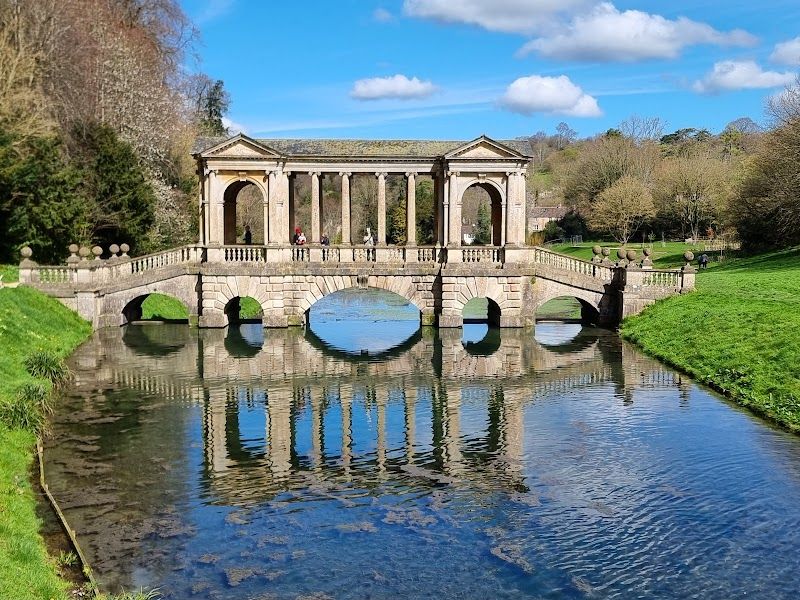
Activity costs strongly favor Bath. The major museums charge GBP 8.50-26.50, while Bordeaux's wine estate visits start at EUR 15 and premium châteaux charge EUR 50-100. However, many of Bath's best sights like the Royal Crescent and Pulteney Bridge cost nothing to view.
| Category | Bath (GBP/day) | Bordeaux (EUR/day) | Winner |
|---|---|---|---|
| Budget accommodation | 25-40 (hostel) | 30-45 (hostel) | Bath |
| Mid-range hotel | 120-180 | 110-160 | Bordeaux |
| Meals | 35-50 | 40-55 | Bath |
| Activities | 15-30 | 25-50 | Bath |
| Transport | 0-5.50 (walkable) | 5-10 (tram needed) | Bath |
| Total daily cost | 80-120 | 90-140 | Bath |
Getting There and Around
Bath's accessibility gives it a clear advantage over Bordeaux. Direct trains from London Paddington take 1 hour 25 minutes and cost GBP 35-120 depending on booking time and flexibility. Bristol Airport connects to Bath via the Airport Flyer bus (GBP 6, 45 minutes), making international arrivals straightforward.
Bordeaux-Mérignac Airport sits 12km from the city center with bus connections taking 45-60 minutes. The TGV from Paris takes 2 hours 15 minutes but requires advance booking for reasonable prices. International travelers often need connections through Paris or other European hubs.
Within Bath, everything important lies within walking distance. The City Centre contains the Roman Baths, Bath Abbey, and Pulteney Bridge. The Royal Crescent area sits 10 minutes north on foot. Local buses cost GBP 2.50 per journey but you rarely need them.
Bordeaux spreads across both sides of the Garonne River and requires the tram system to connect neighborhoods efficiently. Wine estates in the surrounding countryside need rental cars or organized tours, adding complexity and cost to your visit.
When to Visit: Timing Your Trip
Bath functions well year-round, while Bordeaux has distinct seasons that affect the experience. Bath's indoor attractions like the Roman Baths and museums provide entertainment regardless of weather, and the Georgian architecture looks good under grey skies as well as sunshine.
Bordeaux's wine harvest season (September-October) offers the most authentic experience but also the highest prices and biggest crowds at estates. Spring (April-May) provides better weather for walking tours and outdoor activities, while winter limits wine estate visits and reduces café culture.
Bath's peak season runs July-August when coach tours crowd the Roman Baths and Royal Crescent. May-June and September offer better weather than winter with fewer crowds than summer. The Jane Austen Centre (GBP 12.50) and Fashion Museum (GBP 10.50) provide indoor alternatives during rain.
Christmas markets add appeal to both cities, but Bath's compact center makes the festive atmosphere more concentrated and walkable than Bordeaux's spread-out celebrations.
Food Culture: English Heritage vs French Excellence
Bordeaux wins decisively for food quality and dining culture. French bistros serve proper regional cuisine - duck confit, entrecôte bordelaise, and canelés pastries that originated in the city. Wine pairings come naturally when local bottles cost EUR 4-6 per glass at neighborhood establishments.
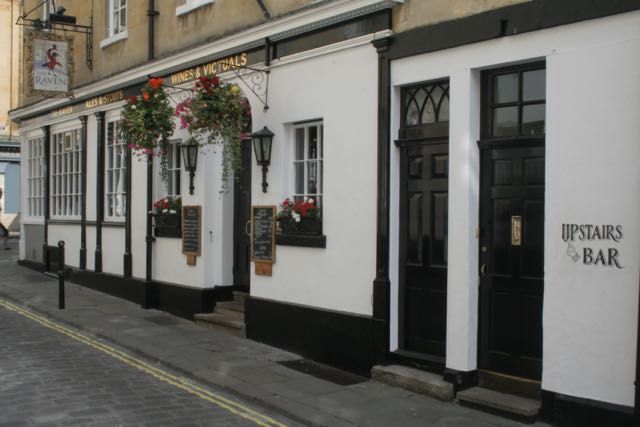
Bath's food scene has improved dramatically but remains more tourist-focused. The Raven of Bath serves excellent gastropub food, and The Scallop Shell does proper fish and chips, but these cater more to visitors than locals. The advantage comes in afternoon tea culture - proper English tea service with scones and finger sandwiches that Bordeaux can't replicate.
Sally Lunn's Historic Eating House claims to be Bath's oldest house (1482) and serves the original Bath Bun recipe. The basement museum (GBP 4) shows Roman and medieval foundations, combining food with history in ways that Bordeaux's restaurants don't match.
Bordeaux's markets and food shops serve residents buying ingredients for home cooking, while Bath's food retailers focus on prepared foods and souvenirs for tourists. This reflects the broader difference - Bordeaux functions as a living French city while Bath operates primarily as a historical attraction.
Which City Should You Visit First
Choose Bath if you want concentrated history that you can cover thoroughly in 2-3 days, architectural coherence from Roman to Georgian periods, walkable sightseeing that doesn't require transport, and easier access from London or international flights via Bristol.
Choose Bordeaux if you want wine education and tasting experiences, authentic French café culture, food markets with local products, and don't mind needing 4+ days to see the city and surrounding wine regions properly.
For first-time visitors to either England or France, Bath provides a more manageable introduction to British history and culture. The compact size means you won't feel rushed, and the clear narrative from Roman settlement to Georgian resort town helps orient visitors to English historical periods.
Bordeaux rewards travelers who already understand French culture and wine basics. The wine estate visits require some knowledge to appreciate fully, and the city's spread-out layout demands more planning and local transport.
Our verdict: Bath wins for efficiency and historical storytelling, Bordeaux wins for cultural immersion and specialized experiences. If you can only visit one, Bath delivers a complete experience in less time with clearer takeaways about English history and architecture.
For travelers planning longer European trips, Bath works better as a day trip from London (though it deserves overnight stays), while Bordeaux requires a dedicated regional visit that includes wine country exploration. Check our Bath first-time guide for specific planning advice, or see our 1-2 day Bath itinerary for efficient sightseeing routes.