Bath · Royal Crescent & The Circus

Jane Austen Centre

The Jane Austen Centre recreates the author's five-year stint in Bath from 1801 to 1806, focusing on how the city shaped her final two novels, Northanger Abbey and Persuasion.
Jane Austen Centre, Bath · Royal Crescent & The Circus
Category
Museum
Duration
1h 15m
Best Time
Any time
Entry
GBP 12.5
Rating
4.2 (4,445)
The place

About Jane Austen Centre

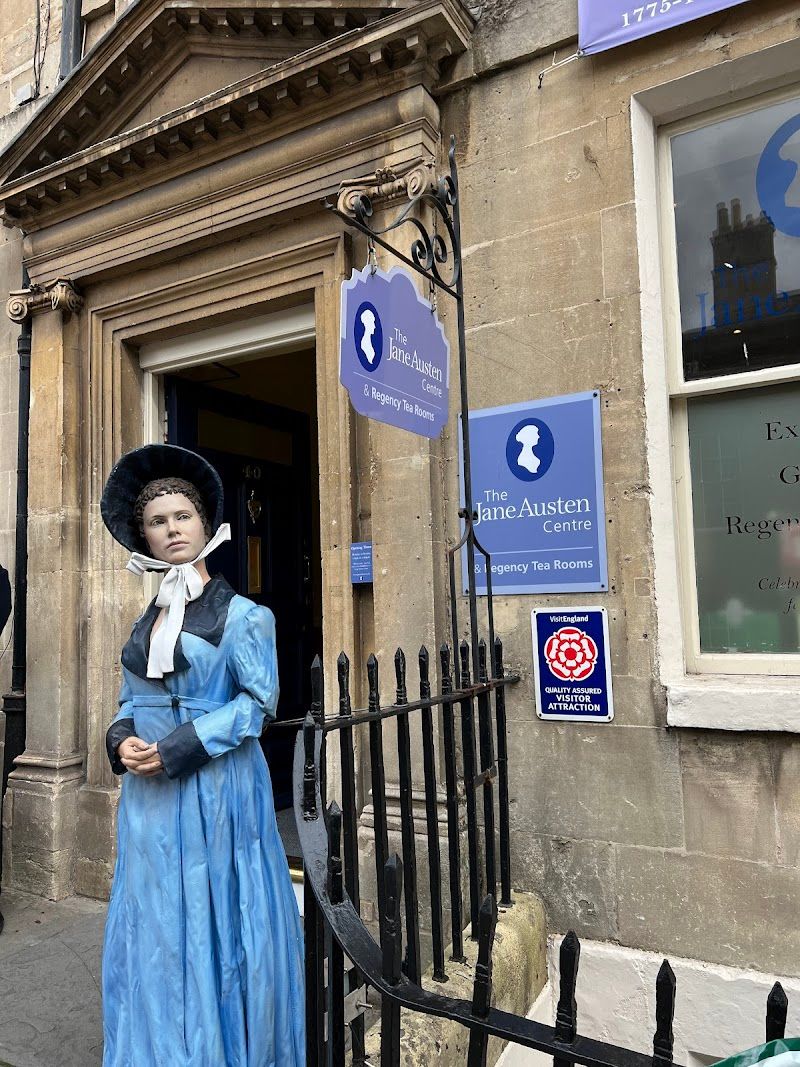
The Jane Austen Centre recreates the author's five-year stint in Bath from 1801 to 1806, focusing on how the city shaped her final two novels, Northanger Abbey and Persuasion. You'll see period room recreations, original letters, and detailed exhibits about Bath society during the Regency era. The highlight is a surprisingly lifelike wax figure of Austen in authentic period dress, plus interactive displays showing exactly where she lived and shopped.

Costumed guides lead you through four floors of Georgian townhouse, explaining how Bath's social scene influenced Austen's writing. The atmosphere feels genuinely intimate rather than stuffy, with guides who clearly know their stuff and aren't afraid to share gossip about Regency social climbing. You'll learn specific details about assembly room etiquette, the politics of morning visits, and why Bath's marriage market was so cutthroat.

At £12 for adults, it's decent value if you're already an Austen fan, but casual visitors might find it niche. The audio guide costs extra £2 and isn't worth it, the costumed guides are much better. Skip the gift shop downstairs, it's overpriced Austen tat. The real win is the Regency Tea Room upstairs with proper bone china service for £8.50, though the scones are merely okay.

Get Ticketsvia GetYourGuide · prices may vary
Book ahead

Skip the Queue

Live availability and skip-the-line options from our booking partners.

Search on Viator →Search on GetYourGuide →

Booking powered by our partners. DAIZ may earn a commission.
The place

Getting there

Address
40 Gay St, Bath BA1 2NT, UK
Neighborhood
Royal Crescent & The Circus
View on Google Maps →
Good to know

Tips, answered

Enter via the side door on Gay Street rather than queuing at the main entrance, especially during summer weekends when coach tours arrive

Most visitors rush through the ground floor exhibits, but the second floor letter displays contain the juiciest details about Austen's actual opinions of Bath society

Book the 11am slot on weekdays when you'll get the most enthusiastic costumed guides and can ask detailed questions without crowds pushing through

Plan for about 1h 15m.

Jane Austen Centre is in the Royal Crescent & The Circus neighborhood of Bath. The address is 40 Gay St, Bath BA1 2NT, UK. The area is well-served by metro.

This works well at any time of day, though mornings tend to be quieter. Weekdays are less crowded than weekends.

Around the corner

Nearby in Royal Crescent & The Circus

Explore all →
Walcot Street
Shopping

Walcot Street

Walcot Street stretches for half a mile through Bath's creative quarter, packed with independent shops that actually matter. You'll find proper vintage clothing at Beyond Retro, rare vinyl at Resident Records, and handmade ceramics at studios where artists work behind glass windows. The Georgian terraces house everything from antique dealers selling genuine Georgian furniture to workshops where you can watch bookbinders and jewelers at work. Walking up from the city center, the street feels like stepping into Bath's alternative universe. Students from Bath Spa Art College browse alongside locals hunting for unique pieces, while the smell of coffee drifts from small cafes squeezed between galleries. The further north you go, the more authentic it becomes: fewer tourists, more working studios, and shops that locals actually use rather than just pose for Instagram. Most guides oversell the entire street, but focus on the middle section between Julian Road and Richmond Place for the best concentration of interesting shops. Skip the southern end near Pulteney Bridge unless you're specifically after tourist souvenirs. Prices vary wildly: vintage finds start around £15, handmade jewelry from £30, but antique furniture can hit hundreds. Come on weekdays when you can actually chat with shop owners without crowds.

1-2 hoursExplore
The Circus
Landmark

The Circus

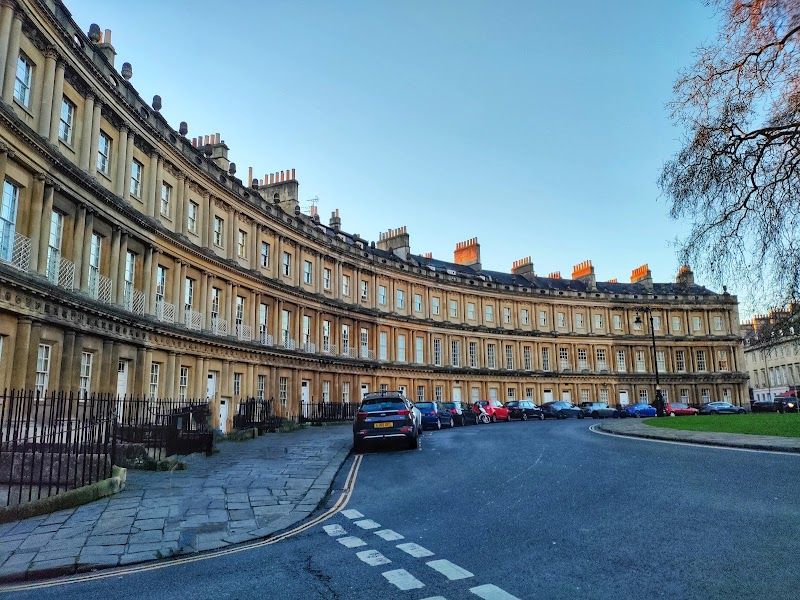
The Circus is John Wood the Elder's brilliant Georgian experiment: 33 townhouses arranged in three perfectly curved segments forming a complete circle. You'll walk around a space that feels both grand and intimate, with identical honey-colored Bath stone facades featuring three different classical orders stacked on each floor. The mature plane trees in the center create a lovely green heart, making this feel more like a peaceful residential square than a tourist attraction. It's free to wander around and genuinely beautiful. Walking the circle takes about five minutes, but you'll want to linger and appreciate the mathematical precision of it all. The curved facades create interesting optical illusions as you move around the perimeter, and the light changes dramatically depending on the time of day. You'll see blue plaques marking famous residents like Thomas Gainsborough and the elder William Pitt. The atmosphere is quietly residential, with locals coming and going from their front doors while visitors photograph the sweeping curves. Most guides oversell this as a major destination when it's really a lovely five minute stop between other Bath attractions. The Royal Crescent gets more attention, but honestly, The Circus is more architecturally interesting and less crowded. Don't bother with paid guided tours here, you can see everything perfectly well on your own. The real magic is in the proportions and the play of light on the curves, which you'll appreciate better without someone talking in your ear.

20-30 minutesExplore
Royal Crescent
Landmark

Royal Crescent

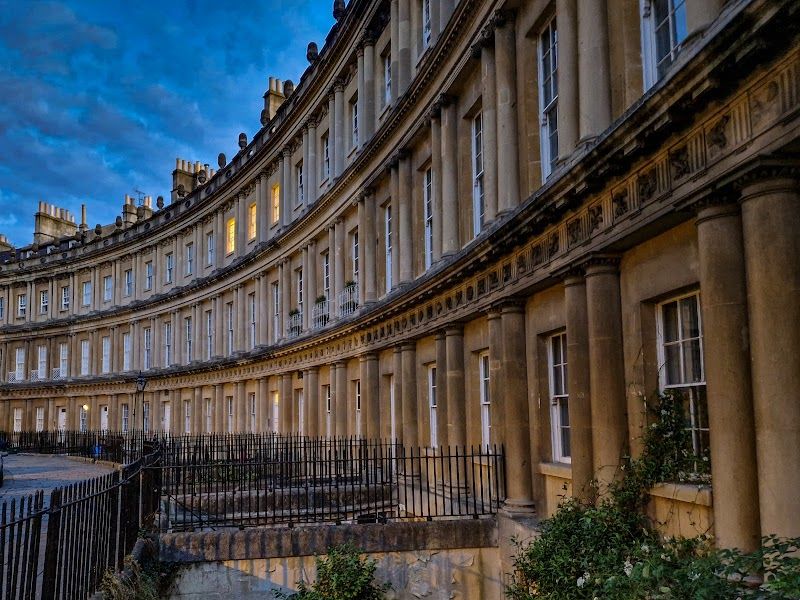
The Royal Crescent is the most celebrated piece of Georgian architecture in England. John Wood the Younger designed and built it between 1767 and 1774: 30 terraced houses arranged in a sweeping arc of 500 feet, facing a private lawn that slopes away toward the city below. The facade is unified by a continuous row of 114 Ionic columns running the full length of the crescent, and the Bath stone from which it is built takes the colour of honey in afternoon sun. The exterior is free to walk along the full length of the curve, which takes about 5 minutes. No. 1 Royal Crescent (the far left house when facing the crescent) is a museum that recreates the interior of a Georgian townhouse as it would have been in the 1770s: the furniture, fabrics, tableware, and room arrangements are period-accurate, and the house gives a precise picture of how the wealthy elite of the Bath season actually lived. Entry to No. 1 Royal Crescent is GBP 12.50 for adults. The private lawn in front of the crescent belongs to the Royal Crescent Society and requires a key: the public path runs along the outside of the iron railing. The best light on the facade is late afternoon (the western exposure catches the last sun of the day).

45 minutes - 1.5 hoursExplore
Royal Victoria Park
Park & Garden

Royal Victoria Park

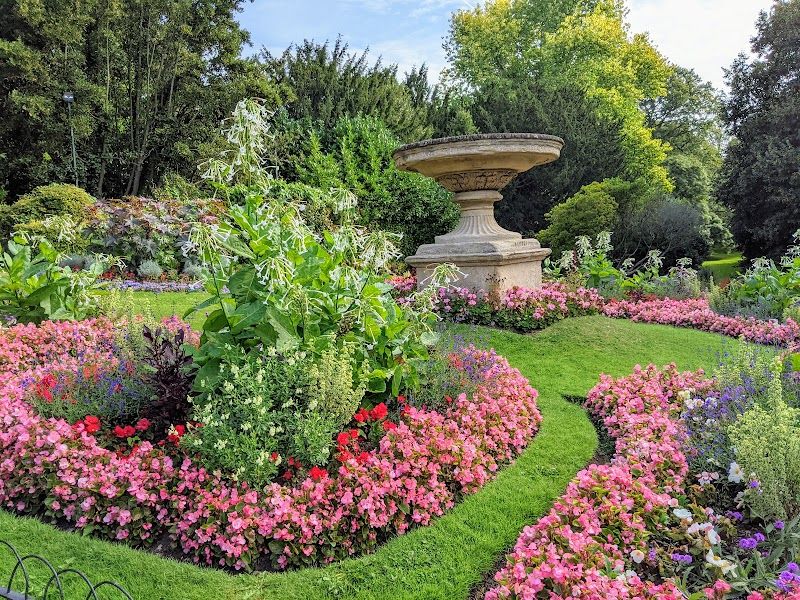
Royal Victoria Park spreads across 57 acres right below the Royal Crescent, making it Bath's largest green space and your best bet for a proper outdoor break from all that Georgian architecture. The botanical garden section showcases labeled collections of rare trees and shrubs, while the rest of the park offers open lawns, a Victorian bandstand that hosts summer concerts, and one of Bath's better children's play areas. You'll find tennis courts, a skate park, and plenty of benches with views back up to the Royal Crescent. The park feels like two different places depending on where you enter. Come through the main Marlborough Lane entrance and you'll start in the formal botanical garden with winding paths between specimen trees and educational plaques. Walk up from the Royal Crescent side and you hit the wide open lawns where families picnic and kids kick footballs around. The Victorian bandstand sits roughly in the middle, and on summer weekends you'll often hear live music drifting across the grass. The whole place has a relaxed, local feel that's quite different from Bath's more tourist heavy spots. Most visitors only see the lawn area near the Royal Crescent and miss the botanical garden entirely, which is backwards since that's where the interesting plants are. The park is completely free, unlike many of Bath's attractions, and the play area is genuinely good if you've got kids in tow. Skip the tennis courts unless you're actually playing, they're nothing special, but do check the bandstand schedule if you're here in summer.

1-2 hoursExplore
No. 1 Royal Crescent
Museum

No. 1 Royal Crescent

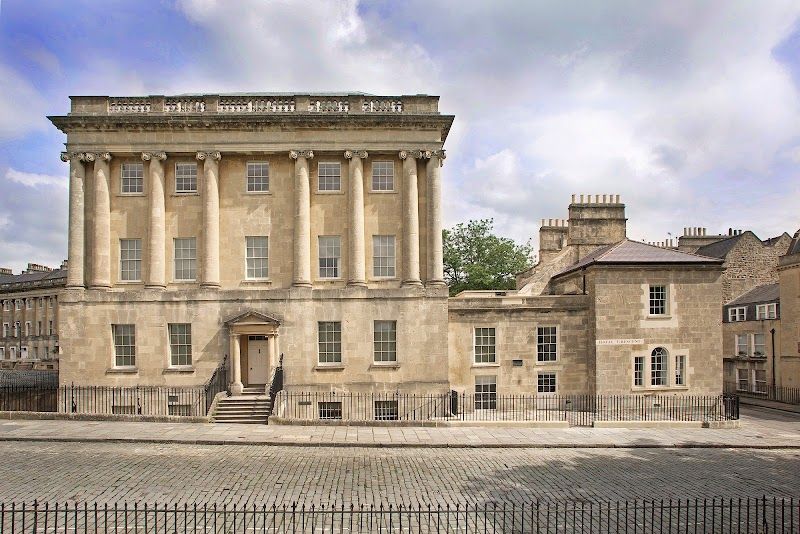
No. 1 Royal Crescent gives you the only chance to step inside Bath's most famous Georgian terrace and see how the wealthy actually lived in the 1770s. You'll walk through meticulously recreated rooms filled with original period furniture, from the formal dining room with its mahogany table set for dinner to the ladies' withdrawing room complete with silk wallpaper and delicate tea service. The house museum focuses on authentic domestic life rather than famous residents, showing you the reality behind those elegant limestone facades. The visit flows naturally from room to room across three floors, each space telling part of the story of Georgian high society. The dining room feels ready for guests to arrive, while upstairs bedrooms reveal the discomfort behind the elegance (those beds are tiny). The basement kitchen and servants' quarters provide the most fascinating contrast, showing the army of staff needed to maintain this lifestyle. You can almost hear the bustle of meal preparation and feel the hierarchy that kept everything running. Admission costs £12 for adults, which feels steep for about an hour's visit, but the attention to detail justifies it if you're genuinely interested in Georgian life. Most visitors rush through, but slow down in the service areas where the real stories emerge. The audio guide is optional but worth taking, especially for the kitchen sections that most people skip. Avoid weekends when tour groups clog the narrow rooms.

1 hourExplore
Fashion Museum
Museum

Fashion Museum

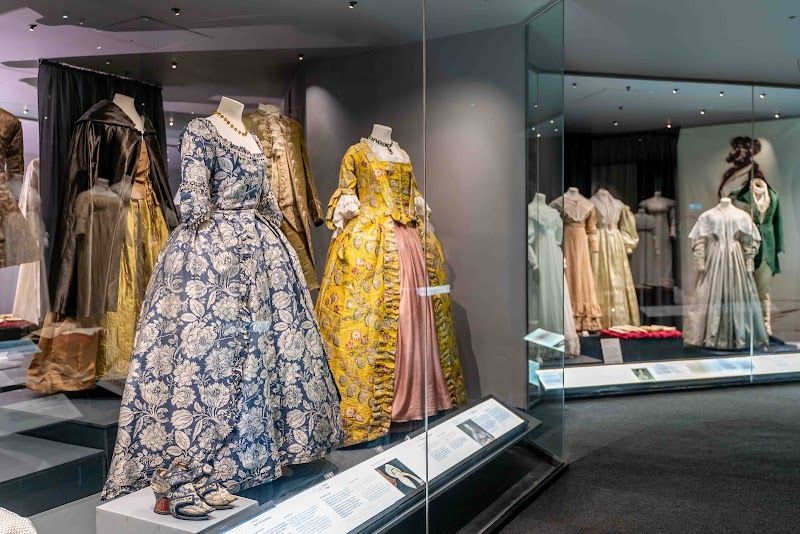
The Fashion Museum sits inside Bath's stunning Assembly Rooms, housing over 100,000 pieces of historic clothing from the 1600s to today. You'll see everything from elaborate Georgian court gowns to contemporary designer pieces, including that famous silver tissue dress from the 1660s and annual Dress of the Year selections dating back to 1963. The collection spans four centuries of fashion evolution, from corsets and crinolines to Vivienne Westwood punk designs. You'll walk through the grand Assembly Rooms first (they're worth seeing on their own), then descend to the basement museum spaces. The chronological layout works well, starting with Tudor ruffs and progressing through each era. The lighting is excellent, letting you see intricate beadwork and fabric details up close. The Dress of the Year display changes annually and always features something unexpected, from space age 1960s pieces to recent red carpet gowns. Most fashion museums feel sterile, but this one gets the balance right between preservation and accessibility. Adult tickets cost £10.25, which feels steep for what's essentially a basement exhibition, but the quality justifies it. Skip the audio guide (£3 extra) and just read the excellent wall text instead. The gift shop is overpriced tourist tat, so save your money for the Roman Baths next door.

1-1.5 hoursExplore
More on Bath

From the blog

View all →
Ready for Bath?

Let DAIZ plan your Bath days

Tell us how long you've got and what you're into. We'll build a day-by-day plan, with the bookable bits ready to lock in.

Plan my Bath tripFree · no signup to start
Plan your Bath trip