Bath's food scene extends far beyond Sally Lunn's famous bun, but you wouldn't know it from most guided food tours. After testing the city's culinary tour offerings, we found significant differences in quality, local knowledge, and value. Some operators stick to obvious tourist spots, while others dig into Bath's emerging food culture in neighborhoods like Walcot & Artisan Quarter and showcase producers you'd never find on your own.
The best bath food tours should introduce you to local specialties, independent producers, and neighborhood spots that locals actually frequent. They should also provide context about Bath's culinary history and connect food to the city's Georgian and Roman heritage. Unfortunately, not all operators deliver on these promises.
Bath's Food Tour Landscape: What's Available
Bath currently hosts four main types of food experiences: traditional walking tours with tastings, specialized culinary tours focusing on local producers, pub crawls with food pairings, and market-focused experiences. The market has grown significantly since 2024, with three new operators launching guided food tours specifically targeting the post-pandemic travel surge.
Bath Taste Tours runs the most comprehensive program, offering 3-hour walking experiences that combine historical sites with food tastings. Their routes cover the City Centre & Roman Baths area and venture into less touristy neighborhoods. Tours cost GBP 85 per person and include six tastings plus historical commentary.
Georgian Food Walks focuses exclusively on the connection between Bath's Georgian past and its culinary traditions. Their 2.5-hour tours cost GBP 65 and emphasize period-appropriate foods and dining customs. The route centers on Royal Crescent & The Circus with stops at traditional establishments.
Artisan Bath Food Experience launched in 2025 and takes a different approach, concentrating on contemporary local producers and independent food businesses. Their 2-hour tours cost GBP 55 and focus heavily on Walcot Street and the surrounding artisan quarter.
Bath Taste Tours: The Most Comprehensive Option
Bath Taste Tours earns top marks for local knowledge and variety. Their guides genuinely understand Bath's food culture beyond the obvious tourist attractions. The tour begins at Pulteney Bridge and moves systematically through different neighborhoods, explaining how each area's character influences its food offerings.
The six tastings include local cheese from Bath Blue Cheese (produced just outside the city), traditional West Country cider, artisan chocolate from a Walcot Street producer, locally baked bread, regional charcuterie, and a Georgian-era inspired dessert. More importantly, guides explain the provenance of each item and its connection to Bath's culinary heritage.
What sets this tour apart: The guide provided specific details about local suppliers, recommended additional restaurants not included in the tour, and explained seasonal variations in local produce. They also offered genuine opinions about which Bath restaurants are worth visiting versus those that rely solely on location.
The route makes sense: Starting at Pulteney Bridge, the tour moves through the city center's food shops, ventures into Walcot for artisan producers, and concludes near The Royal Crescent with historical context about Georgian dining customs.
Value assessment: At GBP 85, it's expensive but includes substantial tastings that could substitute for lunch. The 3-hour duration allows for meaningful interaction with food producers and detailed explanations.
Georgian Food Walks: History Over Innovation
Georgian Food Walks appeals to visitors primarily interested in Bath's 18th-century heritage. The tour connects food to specific historical periods and explains how Georgian society's dining customs influenced Bath's development as a fashionable destination.
Tastings focus on period-appropriate items: traditional English cheeses, historical recipes recreated by local bakers, and beverages that would have been consumed in Georgian assembly rooms. The tour includes a stop at The Pump Room, where guides explain the social significance of taking waters and consuming spa cuisine.
Strengths: Excellent historical context, knowledgeable guides with specific expertise in Georgian customs, and connections between food and Bath's development as a spa town. The tour provides background that enhances visits to No. 1 Royal Crescent and other period attractions.
Limitations: Less focus on contemporary Bath food culture, fewer tastings than Bath Taste Tours, and limited exploration of neighborhoods beyond the Georgian architectural center. The emphasis on historical accuracy sometimes overshadows the actual quality of current food offerings.
Best for: Visitors particularly interested in Bath's Georgian heritage who want food experiences that complement historical attractions rather than standalone culinary exploration.
Artisan Bath Food Experience: The Neighborhood Focus
This newer operator concentrates on Bath's emerging food scene, particularly the independent producers and cafes that have established themselves in Walcot and surrounding areas since 2020. The 2-hour format focuses on quality over quantity, with four substantial tastings.
The route emphasizes Walcot Street and adjacent areas, showcasing businesses that opened recently and represent Bath's evolving food culture. Tastings typically include artisan coffee from Colonna & Small's, locally produced preserves, small-batch brewery products, and specialty baked goods.
Innovation factor: This tour introduces visitors to Bath's contemporary food makers rather than focusing on traditional or historical offerings. Guides often arrange meetings with actual producers and explain the challenges of operating independent food businesses in a tourist-heavy city.
Practical value: The tour provides information about shops and cafes worth returning to, seasonal products to look for, and upcoming food events in Bath. Guides share insider knowledge about which producers sell directly to consumers and when new businesses are launching.
Target audience: Food enthusiasts interested in supporting local businesses and discovering contemporary Bath rather than historical recreation. The tour works well for repeat visitors who want to explore beyond standard tourist offerings.
Pub Food Tours: Mixed Results
Several operators offer pub-based food experiences, but quality varies significantly. Bath Pub Heritage Tours combines historical pub visits with traditional food pairings, while Local Pints & Plates focuses more on beer education with light food accompaniments.
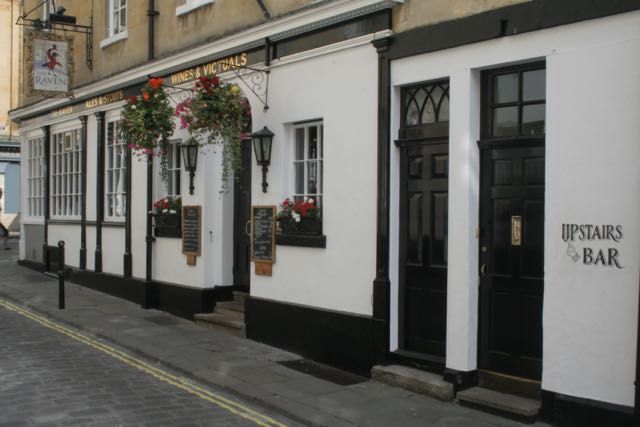
Bath Pub Heritage Tours visits four traditional pubs over 3 hours, with each location providing both food tastings and historical commentary. The tour includes stops at The Raven of Bath and other establishments with genuine local character. Cost is GBP 75 including all food and beverages.
The food quality depends heavily on individual pub kitchens, which creates inconsistency. Some locations provide excellent locally sourced dishes, while others serve standard pub fare that doesn't reflect Bath's culinary potential. The historical information about Bath's pub culture is valuable, but the food component feels secondary.
Best approach: Consider these tours if you're particularly interested in Bath's pub heritage and traditional drinking culture. Don't expect the same food focus as dedicated culinary tours.
Market Tours: Limited But Useful
Bath Market Food Walk operates on market days (Wednesday and Saturday) and focuses on Guildhall Market vendors. The 90-minute experience costs GBP 35 and includes tastings from three market stalls plus commentary about local produce and seasonal specialties.
This option works well as a shorter food experience or as complement to other Bath activities. The market setting provides opportunities to purchase items for later consumption and interact directly with local vendors. However, the limited duration and venue restrict the scope of food exploration.
Timing considerations: Market tours only run twice weekly and depend on vendor availability. The experience provides good value at GBP 35 but doesn't substitute for comprehensive food tours if you're seeking extensive culinary exploration.
Comparing Value and Experience Quality
Price alone doesn't determine food tour value in Bath. The GBP 85 Bath Taste Tours provides significantly more substance than cheaper alternatives, while the GBP 55 Artisan Bath Food Experience offers focused exploration of contemporary local food culture.
| Tour Type | Duration | Price | Tastings | Neighborhoods Covered | Best For |
|---|---|---|---|---|---|
| Bath Taste Tours | 3 hours | GBP 85 | 6 substantial | Multiple | Comprehensive overview |
| Georgian Food Walks | 2.5 hours | GBP 65 | 4 historical | City center focus | History enthusiasts |
| Artisan Experience | 2 hours | GBP 55 | 4 contemporary | Walcot primarily | Modern food scene |
| Market Tours | 1.5 hours | GBP 35 | 3 vendor-based | Market only | Budget option |
Food quality varies most between tours that partner with established local producers versus those that rely on convenient tourist-area vendors. Bath Taste Tours and Artisan Bath Food Experience both work directly with local food makers, resulting in higher quality tastings.
What Bath Food Tours Miss
Even the best bath culinary tours have limitations. Most operators avoid Bath's growing international food scene, particularly the South Asian and Middle Eastern restaurants that locals frequent. Tours also typically skip Widcombe & Prior Park, despite several excellent independent food businesses in that area.
Restaurant recommendations from tour guides often skew toward establishments that provide tour group commissions rather than genuine local favorites. The most honest guides acknowledge this limitation and provide separate recommendations for independent dining.
Seasonal variations affect tour quality significantly. Summer tours benefit from better weather and fuller market selections, while winter tours rely more heavily on indoor venues and preserved or imported ingredients.
Planning Your Bath Food Tour Experience
Book food tours early in your Bath visit to benefit from restaurant recommendations and local insights that enhance independent dining later. Tours work best when scheduled for late morning or early afternoon, allowing time to revisit recommended establishments for dinner.
Preparation recommendations: Review our Bath food and eating guide before taking a food tour to understand the broader culinary landscape. This background helps you ask more specific questions and better evaluate the information provided.
Dietary restrictions require advance communication with tour operators. Most can accommodate vegetarian preferences, but vegan, gluten-free, and allergy-specific modifications vary by operator and sometimes reduce the overall experience quality.
Weather contingency: Bath food walking tours continue in light rain, but severe weather can affect outdoor tastings and market visits. Operators typically provide covered alternatives, though these may change the planned experience.
Making the Right Choice for Your Bath Visit
Your ideal bath food walking tour depends on your primary interests and Bath visit duration. First-time visitors seeking comprehensive culinary overview should choose Bath Taste Tours despite the higher cost. The extensive tastings, multiple neighborhoods, and local producer connections provide excellent introduction to Bath's food culture.
Visitors particularly interested in Georgian history should consider Georgian Food Walks, especially if planning to visit Jane Austen Centre and other period attractions. The historical context enhances understanding of Bath's development and social customs.
Food enthusiasts interested in contemporary local producers should select Artisan Bath Food Experience. The focus on current food makers and emerging businesses provides insights unavailable through traditional tourism channels.
Budget-conscious travelers can consider market tours as introduction to Bath's food scene, then use the information to explore independently. However, the limited scope means you'll miss significant aspects of Bath's culinary culture.
Skip food tours entirely if you prefer independent exploration and have strong food knowledge. Bath's compact size makes self-guided food discovery feasible, and our detailed Bath itinerary includes specific restaurant recommendations that rival tour selections.
The best guided food tours in Bath provide access to local producers, insider knowledge about seasonal specialties, and connections between food and city history that enhance your overall visit. Choose based on your specific interests rather than price alone, and book early to secure spots with the most knowledgeable guides.